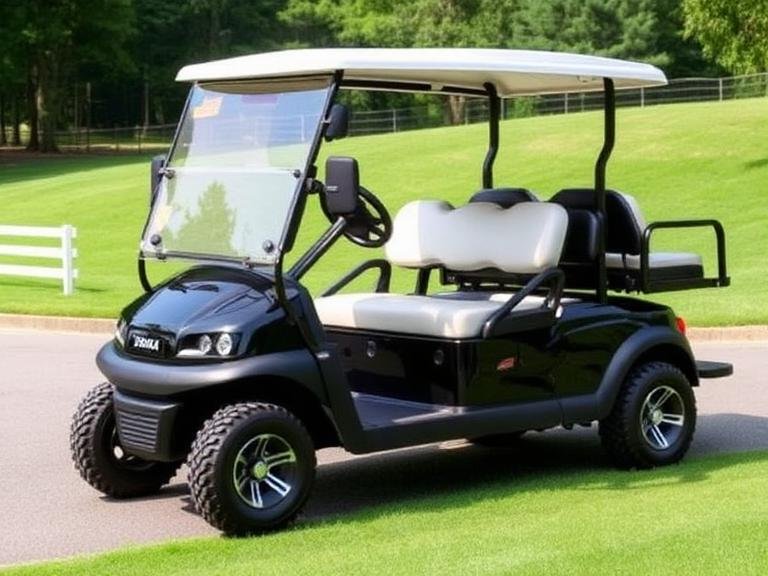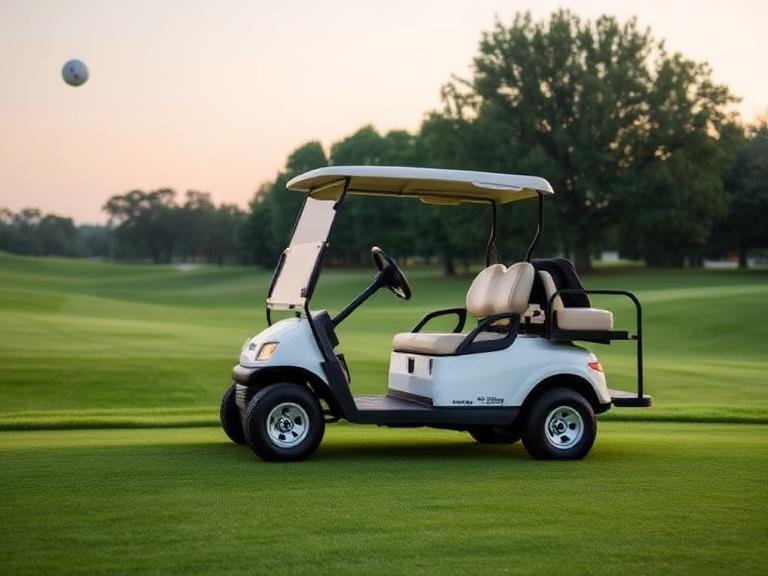
Every commercial fleet operator, resort procurement director, and gated-community commuter encounters the exact same realization: standard, utilitarian beige fleet carts fail to deliver the presence, passenger comfort, and operational durability modern environments demand. Personalizing a low-speed vehicle is far more than a superficial styling exercise. When executed with engineering discipline, customizing your vehicle protects your capital investment against coastal salt corrosion, optimizes battery efficiency, cushions passenger spines over unforgiving terrain, and delivers unmistakable visual prestige. However, entering the personalization market without technical guidance is an expensive mistake. Buyers routinely waste thousands of dollars slapping mismatched aftermarket accessories onto aging frames, only to find that cheap paint flakes off thermoplastic cowls, oversized tires rub against suspension spindles, and non-marine seat vinyl molds within months. Truly mastering custom golf cart colors, commercial-grade upholstery, structural canopies, and rolling gear requires understanding how material chemistry, physical aerodynamics, and electrical load balances interact. As low-speed vehicle engineers and chassis builders who calibrate 5,000W AC motors, shoot automotive polyurethane topcoats, and assemble bespoke platforms daily at GT Golf Cart, we deliver the definitive, practitioner-level guide to building an exceptional, high-ROI machine.
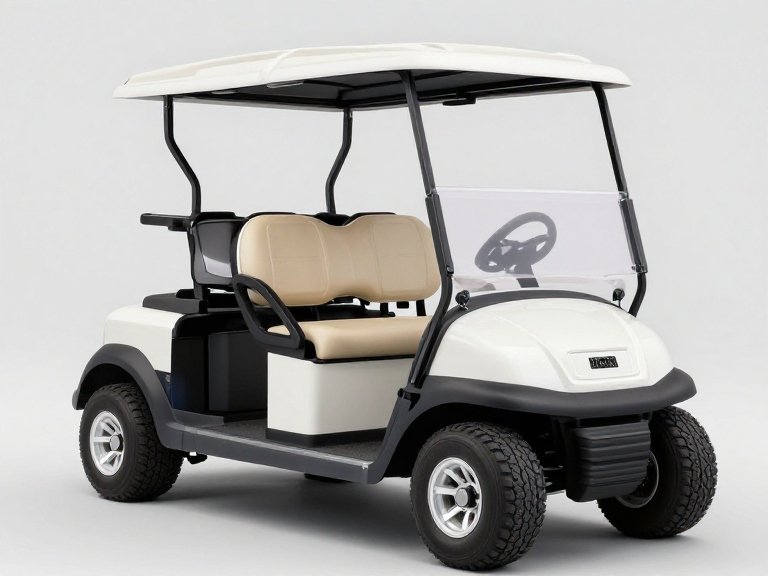
Quick Answer: How to Choose Custom Golf Cart Colors and Accessories
The definitive approach to personalizing a low-speed vehicle requires treating it as an integrated mechanical ecosystem across five structural domains: (1) Custom Golf Cart Colors and Bodywork: Always prioritize multi-stage automotive-grade polyurethane (2K urethane) finishes or thick 3M cast vinyl over cheap molded-in plastics; (2) Seating and Ergonomics: Mandate marine-grade 32-ounce vinyl with dual-density molded memory foam and mildew-resistant backing over basic flat factory benches; (3) Extended Canopies and Roofs: Insist on heavy-gauge thermoformed ABS roofs (measuring 80 to 115 inches) reinforced with internal steel structural supports and integrated water channels; (4) Rolling Chassis and Stance: Match 12-inch or 14-inch CNC aluminum alloys with application-specific tread (low-profile radials for pavement; 23-inch all-terrain tires for trails) supported by heavy-duty suspension; and (5) Certified Electrical Accessories: Wire all digital soundbars, LED lighting packages, and power steps through dedicated 72V-to-12V DC step-down converters to eliminate battery cell imbalance. For long-term reliability and warranty protection, purchasing an integrated, factory-assembled Custom Golf Cart delivers vastly superior structural integrity compared to piecemeal aftermarket bolt-ons.
Article Directory
- 1. Custom Golf Cart Colors: Paint Metallurgy, Powder Coats, and Vinyl Wraps
- Quick Summary Table: Custom Golf Cart Colors, Finishes, and Durability
- 2. Luxury Ergonomics: Marine Vinyl, Diamond Stitching, and Cushion Foam
- 3. Roofs and Canopies: Structural ABS, Rain Channels, and Length Metrics
- 4. Rolling Chassis: Wheel Metallurgy, Offsets, and Tire Dynamics
- 5. Essential Accessories: Soundbars, Digital Displays, and Utility Systems
- Featured Flagship Spotlight: Thunder Series GT42R 6-Seater LSV
- Direct Technical Comparison: Factory OEM Build vs. DIY Aftermarket Retrofit
- Pros and Cons of Comprehensive Golf Cart Customization
- Operational Realities: Aesthetics, Thermal Loads, and Battery Range
- Who Needs a Custom Build vs. Who Should Buy Standard Fleet
- Costly Mistakes Buyers Make When Customizing Carts
- Essential Sourcing Checklist: Auditing Custom Builders
- Expert Sourcing Verdict: The Turnkey Custom Blueprint
- Frequently Asked Questions
- Authoritative Standards & Automotive Safety References
1. Custom Golf Cart Colors: Paint Metallurgy, Powder Coats, and Vinyl Wraps
The exterior finish is the visual foundation of any vehicle. Standard fleet golf carts arrive in basic molded-in-color thermoplastic (polyethylene or TPO) cowls, typically limited to plain white, beige, or hunter green. While cheap to produce, molded plastic lacks optical depth, scratches easily, and chalks under prolonged ultraviolet exposure. When evaluating custom golf cart colors, buyers must navigate three fundamentally distinct surface coating technologies:
- Multi-Stage Automotive 2K Urethane Paint: This is the gold standard of custom finishes. Automotive paint involves chemically prepping the raw cowl, applying an adhesion-promoting epoxy primer, laying down pigmented metallic, pearlescent, or solid basecoats, and sealing the surface with multiple layers of high-solid 2K polyurethane clear coat. In our testing, automotive clear coats provide an impermeable barrier against fuel spills, tree sap, and solar radiation. Colors like metallic sapphire blue, tuxedo black, ruby candy red, and pearl white achieve profound optical depth that can be polished, buffed, and ceramic-coated exactly like a luxury automobile.
- Commercial-Grade Cast Vinyl Wraps: For intricate graphics, carbon fiber textures, matte stealth finishes, or commercial corporate fleet branding, premium vinyl wraps (utilizing 3M 2080 or Avery Dennison SW900 cast films) provide incredible versatility. High-tack cast vinyl conforms to complex body swage lines without bubbling. However, vinyl is softer than clear coat: trail branches can tear it, and extreme desert heat can bake the adhesive, limiting wrap lifespans to 3 to 5 years.
- Electrophoretic E-Coating and Powder-Coated Metal Accents: Customization extends beyond plastic cowls. Structural metalwork—including front brush guards, roof struts, rear seat frames, and side step bars—must undergo multi-stage chemical immersion e-coating followed by heavy-duty thermoset polyester powder coating. Raw steel or spray-painted metal rusts rapidly in coastal ocean environments, creating unsightly orange streaks across your pristine bodywork.
From our experience, if you demand a finish that looks showroom-new after eight years of sun exposure, invest in multi-stage automotive urethane paint over a temporary wrap. To understand baseline vehicle pricing before specifying bespoke finishes, consult our comprehensive breakdown of Golf Cart Cost variables across modern platforms.
Quick Summary Table: Custom Golf Cart Colors, Finishes, and Durability
| Finish Technology | Application Method | Visual Depth & Gloss | UV & Scratch Resistance | Expected Lifespan | Best Application |
|---|---|---|---|---|---|
| Automotive 2K Urethane Paint | Multi-stage spray booth (Primer, Base, Clear) | Exceptional (High DOI, deep metallic luster) | High (Resists UV chalking and chemical etching) | 10 to 15+ Years | High-end luxury builds, coastal cruisers, resort fleets |
| Premium Cast Vinyl Wrap | Heat-conformed adhesive film (3M / Avery) | High (Matte, satin, gloss, or printed camo) | Moderate (Can scratch; edges may lift over time) | 3 to 5 Years | Commercial fleet branding, camo hunting, short-term trends |
| Thermoset Powder Coat | Electrostatic powder baked at 400°F onto metal | Textured, matte, or satin industrial gloss | Extreme (High impact and abrasion resistance) | 8 to 12 Years | Brush guards, roof struts, nerf bars, suspension arms |
| Molded-In Color Plastic (Stock) | Pigmented plastic pellets injected into mold | Low (Flat, plastic sheen prone to swirl marks) | Poor (Chalks and fades rapidly under sun) | 3 to 6 Years | Low-budget utilitarian farm utility and basic golf course rentals |
2. Luxury Ergonomics: Marine Vinyl, Diamond Stitching, and Cushion Foam
Factory golf cart seats are an afterthought: flat slabs of reclaimed foam wrapped in thin, generic vinyl stapled to a raw plywood board. After ninety minutes on the road, passenger spines compress, moisture penetrates the staples, and rotting wood emits musty odors. When designing custom seating, material science determines both comfort and longevity.
High-performance custom seating requires three interconnected layers:
- Marine-Grade Vinyl Outer Shell: We recommend settling for nothing less than 32-ounce marine-grade vinyl treated with specialized plasticizers. Marine vinyl is engineered to survive salt fog, chlorine exposure, and direct midday sun without stiffening or cracking. Suede-touch textures, carbon fiber patterns, and hand-stitched double-diamond quilting transform the tactile experience of the cabin. Contrast French piping and embroidered logos elevate the aesthetic, seamlessly complementing your chosen custom golf cart colors.
- Dual-Density High-Resilience Molded Foam: Instead of cheap shredded scrap foam, premium seats deploy contoured, cold-cured polyurethane memory foam. Firm, high-density base foam prevents your pelvis from bottoming out against the frame, while softer contoured upper foam cradles the thighs and provides lateral lumbar support during high-speed cornering.
- Rot-Proof Composite Substrates: Never accept plywood seat bases in custom vehicles. Modern custom seats utilize rotationally molded polyethylene or high-impact ABS composite backing boards fitted with stainless steel threaded inserts. Composite backings will never absorb water, rot, or harbor toxic mold.
For operations moving family groups or executive shuttle guests, integrating bolstered captain chairs across a spacious 4 Passenger Golf Cart or 6 Passenger Golf Cart eliminates fatigue, making multi-mile neighborhood commutes deeply comfortable.
3. Roofs and Canopies: Structural ABS, Rain Channels, and Length Metrics
A golf cart roof is your first line of defense against rain and blistering heat. Standard factory roofs measure a meager 54 to 60 inches, sheltering only the front two passengers and leaving second- and third-row occupants completely exposed to downpours and sunburn. In commercial and passenger transit applications, standard roofs are completely unacceptable.
Upgrading your canopy involves critical structural considerations:
- Extended Length Options (80-inch, 112-inch, 115-inch): For multi-passenger vehicles, extended hardtop canopies are mandatory. An 80-inch roof completely covers four passengers, while 112-to-115-inch roofs shelter six-passenger configurations. Sourcing an extended canopy from the factory ensures unified color-matching to your bodywork, maintaining aesthetic cohesion across your entire build.
- Engineered Thermoformed ABS with Internal Reinforcement: High-grade roofs are thermoformed from thick high-impact ABS plastic. Cheap aftermarket roofs are thin and flexible; at 25 MPH, wind catches the underside, causing the canopy to flutter violently and drum like a bass drum. Premium canopies feature molded internal steel truss supports that eliminate high-speed vibration and support overhead accessories like soundbars and roof racks.
- Integrated Perimeter Water Drainage Channels: Have you ever taken a sharp turn in a golf cart during rain, only to have a gallon of accumulated roof water dump directly into your lap? High-end custom roofs integrate molded perimeter gutters and front-to-rear drainage channels that direct water away from the passenger compartment, discharging runoff harmlessly behind the rear tires.
If you are exploring long-wheelbase platforms, reviewing the engineering behind high-occupancy models like an 8 Passenger Golf Cart or commercial 10 Passenger Golf Cart demonstrates how structural canopies maintain stability across large passenger footprints.
4. Rolling Chassis: Wheel Metallurgy, Offsets, and Tire Dynamics
A golf cart’s wheels and tires establish its mechanical stance, ground clearance, and handling dynamics. Standard fleet carts sit on humble 8-inch stamped steel wheels wrapped in ballooning 18-inch turf tires. They roll quietly on manicured grass, but look dated, wander at speeds above 15 MPH, and offer zero traction on wet asphalt or loose gravel.
When selecting custom rolling gear, you must balance aesthetics against rotational physics:
- Wheel Metallurgy and Diameter (10-inch, 12-inch, 14-inch): Upgrading to CNC-machined cast aluminum alloy wheels reduces unsprung rotational mass while resisting rust. A 14-inch wheel provides a modern, aggressive stance that perfectly showcases contrasting custom golf cart colors on the bodywork. Finishes range from mirror-polished chrome and gloss black with machined face accents to bronze and color-matched inserts.
- Wheel Offset (-25mm) and Track Width Stability: Lifted golf carts raise the vehicle’s center of gravity. Installing tall tires on stock, narrow-offset wheels creates a dangerously unstable roll axis. High-grade custom wheels feature negative offsets (typically -25mm), pushing the tire centerline outward by 2 to 3 inches. This widened track width compensates for lifted ride heights, keeping the vehicle planted and stable during abrupt evasive maneuvers.
- Tread Pattern Optimization: Your operational environment dictates tire choice. For street-legal neighborhood cruising, select 215/35-14 or 205/50-10 low-profile radial street tires. Radials offer low rolling resistance, quiet pavement cruising, and maximum battery efficiency. For rugged acreage, mud, or farm trails, choose 23×10-14 aggressive all-terrain directional knobbies. However, be aware that heavy knobby tires increase rolling friction, reducing top speed and range by 10% to 15%.
To master off-road terrain without bending suspension components, pairing custom wheels with long-travel double A-arm suspension on a purpose-built Off Road Golf Cart chassis is an absolute necessity.
5. Essential Accessories: Soundbars, Digital Displays, and Utility Systems
Once your paint, seating, canopy, and rolling gear are aligned, functional accessories transform a simple carriage into an intuitive, connected mobility vehicle. However, bolting on accessories indiscriminately can create electrical nightmares if power systems are not engineered correctly.
High-value accessories worth upgrading include:
- High-Luminance Automotive LED Lighting: Never settle for dim halogen lights. A road-compliant street-legal package requires automotive LED projector headlights with high/low beams, daytime running lights (DRL), amber turn signals, automotive brake lights, and side-mirror indicator lamps. LEDs draw 80% less current than halogens, preserving valuable battery range during evening drives.
- Touchscreen Digital Instrument Clusters & Backup Cameras: Modern cockpits feature 7-inch to 10-inch full-color digital displays integrating real-time GPS speedometers, battery state-of-charge percentage, regenerative braking monitors, and active backup camera feeds. Eliminating analog voltage needles provides precise insight into your electrical reserve.
- Marine-Grade Audio Soundbars: Overhead Bluetooth soundbars featuring waterproof aluminum housings, titanium dome tweeters, integrated subwoofers, and programmable RGB accent lighting deliver concert-grade audio that cuts through wind noise at 25 MPH. High-grade systems include dedicated multi-color ambient lighting that synchronizes with your custom golf cart colors.
- Flip-Flop Utility Rear Seats: For maximum versatility, the rear-facing bench seat should feature heavy-duty steel hinges that allow it to fold flat in three seconds, converting into a rugged diamond-plate composite cargo bed rated for 400 pounds of groceries, coolers, or luggage.
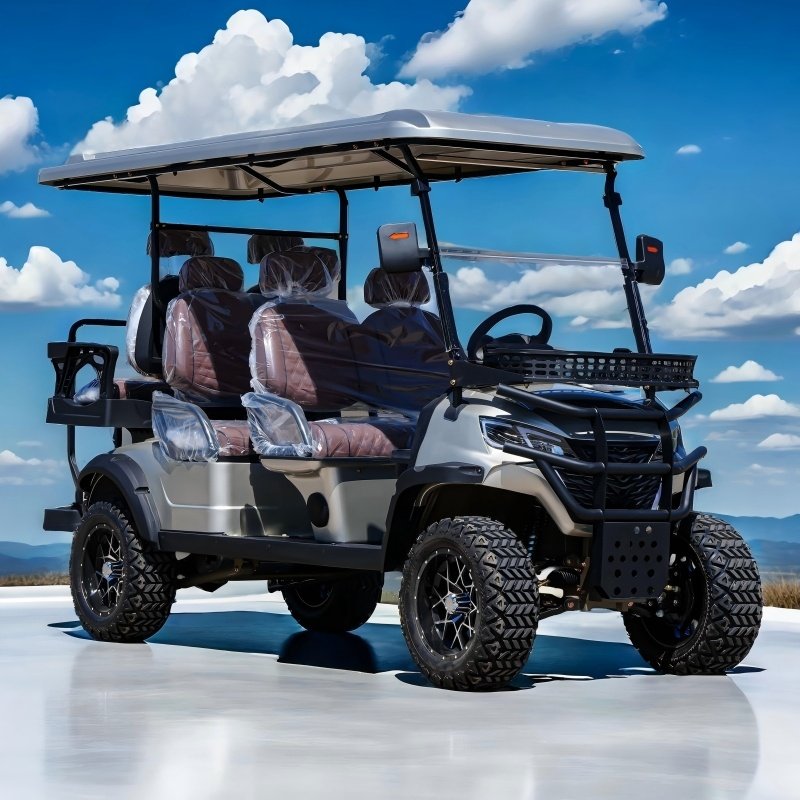
Flagship Custom Vehicle Spotlight: Thunder Series GT42R 6-Seater LSV
Engineered to showcase the pinnacle of what is possible when high-output electric powertrains meet bespoke styling, the GT Golf Cart Thunder Series GT42R delivers commercial-grade utility, high speed, and luxury aesthetics in a turn-key platform.
| Electric Powertrain | High-Efficiency AC 5,000W Motor with Rear-Wheel Drive |
| Battery Chemistry & Capacity | High-Density 72V 150Ah Lithium Battery Pack (Zero Maintenance) |
| Performance Dynamics | Top Speed: 29 MPH | Estimated Maximum Range: 62 Miles per charge |
| Passenger Capacity | 6 Luxury Contoured Seats with Ergonomic Multi-Row Layout |
| Chassis & Suspension | Heavy-Duty Lifted Stance with Independent Suspension & Gas Shocks |
| Braking Architecture | Four-Wheel Hydraulic Disc Brakes for Rapid Emergency Stopping |
| Charging System | Smart Onboard High-Speed Charger Included (Standard 110V/120V Outlet) |
| Color Options & Wraps | Black, White, Grey, Red, Green, Blue, Yellow (Custom Wraps Available) |
Procurement Advice: Eliminate piecemeal aftermarket hassles. Review full technical options on the official Golf Cart 6 Seater Low Speed Vehicle – Thunder Series GT42R portal, or evaluate comparative road velocities in our report on 6 Seater Golf Cart Speed.
Direct Technical Comparison: Factory OEM Build vs. DIY Aftermarket Retrofit
| Evaluation Parameter | Turnkey Factory Custom (e.g., GT Golf Cart) | DIY Garage Aftermarket Retrofit | Stock Used Fleet Trade-In |
|---|---|---|---|
| Color & Finish Quality | Automotive-grade 2K urethane in cleanroom booth | Rattle-can paint or poorly stretched vinyl wrap | Faded, scratched molded-in white/beige plastic |
| Chassis & Frame Integrity | Brand-new electro-coated steel or aluminum chassis | Aged, stressed frame; hidden rust around battery trays | High-mileage fleet wear; acid corrosion on rails |
| Powertrain Integration | Engineered 5kW AC motor matched to 72V lithium BMS | Mismatched motor controller spliced into aging harness | Sluggish 2.5kW DC motor; tired lead-acid batteries |
| Braking & Safety Systems | Factory 4-wheel hydraulic disc brakes standard | Stock rear-only mechanical drum brakes (Hazardous) | Weak cable-actuated rear drum brakes |
| Total Cost of Ownership | Predictable factory-direct pricing ($9,000 – $15,000) | Uncontrolled expenses ($12,000 – $18,000+ with labor) | Cheap upfront ($4,000 – $6,000) but requires total overhaul |
| Warranty Coverage | Comprehensive bumper-to-bumper + lithium warranty | Zero vehicle warranty; third-party part disputes | Sold as-is with zero manufacturer backing |
Pros and Cons of Comprehensive Golf Cart Customization
| Customization Approach | Authentic Advantages (Pros) | Operational Realities & Drawbacks (Cons) |
|---|---|---|
| Full Factory Customization (Colors, Seats, Wheels, AC/Lithium) | Eliminates secondary vehicle gasoline and insurance costs. Lithium battery packs provide 10-year maintenance-free service. Exceptional resale value retention compared to stock fleet carts. Automotive 2K paint and marine vinyl resist coastal salt fog. Hydraulic disc brakes guarantee short stopping distances at 25 MPH. | Higher initial purchase price ($9,500 to $16,000+). Lifted stances require careful driving around tight, fast corners. Larger overall footprint requires dedicated garage or trailer space. |
| Keeping an Unmodified Stock Cart (Standard 2-Passenger Fleet) | Lowest possible initial cash outlay on the used market. Permitted on traditional private golf courses with strict turf rules. Simple, rudimentary mechanical systems with minimal tech. | Dangerous if operated above 15 MPH due to lack of front brakes. Lead-acid batteries require weekly watering and ruin garage floors. Completely illegal to operate on public roadways in most states. Uncomfortable, hard vinyl seating with zero weather protection. |
Operational Realities: Aesthetics, Thermal Loads, and Battery Range
Before commissioning parts or selecting custom golf cart colors, every buyer must understand the unyielding physics of vehicle customization. Modifying aesthetics inevitably triggers mechanical and thermal consequences.
The Solar Absorption Penalty of Dark Colors
In our testing across sunny southern and desert climates, dark custom colors—such as tuxedo black, midnight sapphire, and deep charcoal—absorb immense thermal energy compared to white or silver. An unshaded black cowl can reach surface temperatures exceeding 165°F (74°C) under midday summer sun. If you pair a dark body with dark black vinyl seats, the seating surface becomes scalding to bare skin. For warm coastal resort environments, we recommend pairing dark body colors with lighter custom upholstery (such as camel, oyster grey, or saddle brown marine vinyl) or opting for custom pearlescent white, metallic champagne, or silver finishes that reflect solar heat away from the cabin.
The Dynamic Range Drag of Lift Kits and Big Wheels
Installing a 6-inch lift kit, heavy brush guards, an extended 115-inch roof, and 23-inch aggressive knobby tires increases vehicle mass by over 150 pounds and expands frontal aerodynamic drag by nearly 30%. At 12 MPH on a flat golf course, aerodynamic drag is negligible. But when cruising at 25 to 29 MPH on public roadways, pushing a tall lifted cart through air requires substantial continuous electrical wattage. If your cart relies on antiquated lead-acid batteries, your driving range will collapse by up to 40%. Sizing your electrical foundation with a high-capacity 72V 150Ah LiFePO4 lithium battery pack and a high-efficiency 5,000W AC motor is mandatory to maintain 50+ miles of driving range on a customized build.
Who Needs a Custom Build vs. Who Should Buy Standard Fleet
Every commercial procurement and personal vehicle purchase must match its intended operational duty cycle. Personalizing a cart is transformative for specific lifestyles, but unnecessary for others.
Who Must Invest in a Full Custom Golf Cart:
- Master-Planned Community Commuters: If you use your vehicle daily to take children to school, drive to neighborhood shopping centers, visit community clubhouses, and run errands, a stock golf cart is an embarrassment and a road hazard. You require a street-legal custom build with automotive LED lighting, DOT seatbelts, 4-wheel hydraulic disc brakes, and a 25 MPH top speed to flow safely with traffic. Review road-legal standards in our guide to Street Legal Golf Cart Models.
- Resort, Hotel & Commercial Campus Directors: Guest perception directly influences online reviews. Transporting VIP guests across luxury resort properties in faded, rattling fleet carts damages brand prestige. Bespoke multi-passenger shuttles finished in rich metallic paint with plush diamond-stitched seating elevate guest satisfaction scores. Explore tailored commercial solutions across our Commercial Golf Cart and Special Golf Cart divisions.
- Ranchers, Hunters & Acreage Property Owners: Navigating rutted farm trails, wooded fence lines, or hunting acreage requires a lifted custom vehicle with high ground clearance, heavy-duty suspension, aggressive all-terrain tires, front brush guards, and high-torque AC hill-climbing power.
Who Should Stick with a Standard Fleet Cart:
- Strict Country Club Golfers: If your vehicle will never leave an 18-hole golf course and your club enforces traditional uniform rules, lifted suspensions and aggressive tires are strictly prohibited because they damage fragile turf. A standard, unmodified 2 Passenger Golf Cart with turf tires is all you need.
- Low-Budget Utility Handymen: If your cart’s sole responsibility is hauling rakes and lawn clippings around a half-acre flat yard at 8 MPH, spending $12,000 on custom metallic paint, 14-inch alloys, and diamond-stitched memory foam is an inefficient allocation of capital. For budget baseline research, review Used Golf Cart Prices USA before buying.
Costly Mistakes Buyers Make When Customizing Carts
Factory Floor Advisory: The Dangerous “Battery Tap” Electrical Fire Hazard
The most destructive mistake we see in amateur DIY custom builds is tapping 12-volt accessories (soundbars, under-glow LEDs, USB ports) directly across two 6-volt batteries within a 48-volt lead-acid pack. Tapping draws current unevenly from individual batteries, creating severe voltage imbalance across the pack. The tapped batteries constantly over-discharge, while the remaining batteries overcharge, boiling electrolyte acid, ruining the battery pack within six months, and creating an acute fire hazard. Always power 12-volt accessories through a dedicated voltage step-down converter connected across the entire traction pack.
- Attempting to Paint Thermoplastic Cowls with Household Spray Cans: Traditional spray paint does not adhere to flexible polyethylene or TPO golf cart bodies. Within three months, temperature swings and minor body flex cause the paint to crack, flake, and peel off in sheets. Custom painting requires plastic adhesion promoters, flexible 2K urethane primers, and high-solid automotive clear coats baked in a heated booth.
- Lifting a Cart Without Widening the Track Stance: Stacking strut spacers to achieve a 6-inch lift while keeping stock narrow wheels raises the center of gravity while keeping the base narrow. Taking a sharp turn at 20 MPH in a narrow, top-heavy cart will cause dynamic rollover accidents. High-grade builders always pair lift kits with offset wheels or wheel spacers to widen the track width by at least 3 inches.
- Retaining Cable-Actuated Rear Drum Brakes on High-Speed Builds: Increasing vehicle top speed from 14 MPH to 28 MPH quadruples its kinetic energy ($E_k = \frac{1}{2}mv^2$). Attempting to stop a fast, heavy 6-passenger vehicle carrying six adults using two cable-actuated rear drum brakes results in severe brake fade, cable stretching, and dangerous rear-wheel lockups that spin the cart sideways on wet roads. Four-wheel hydraulic disc brakes are mandatory for any build capable of exceeding 19 MPH.
- Overloading Roof Struts with Heavy Racks and Speakers: Thin factory 1-inch aluminum roof struts are designed to support a 20-pound plastic shell. Bolting on heavy steel cargo racks, heavy audio soundbars, and light bars without upgrading to heavy-duty boxed steel struts will cause the roof support tubes to shear off over rough terrain.
- Buying Unvetted Gray-Market Imports Without Parts Support: Sourcing a custom cart from a fly-by-night importer because the price looks cheap leaves you stranded when an electronic controller, steering tie rod, or brake caliper fails six months later. Ensure your builder provides domestic parts distribution. Review reputable volume tiers in our guide on Golf Cart Wholesale Price ranges.
Essential Sourcing Checklist: Auditing Custom Builders
Before transferring a deposit or signing a purchase order for a custom low-speed vehicle, require your prospective manufacturer or dealer to verify compliance across these four non-negotiable engineering benchmarks:
1. Chassis Metallurgy and Multi-Stage Corrosion Protection
Inspect the bare frame construction. Is the chassis fabricated from lightweight aluminum alloy, or heavy-gauge boxed tubular steel? If steel, verify that the chassis undergoes multi-stage chemical immersion electrophoretic deposition (e-coating) before powder coating. Non-e-coated steel chassis rust rapidly from the inside out when driven in humid or coastal climates. Settle for nothing less when building a high-end Luxury Golf Cart.
2. Certified Lithium Battery Chemistry & Integrated Smart BMS
Never accept an unbranded lithium battery pack. Demand documented proof that the battery cells are Grade-A Lithium Iron Phosphate (LiFePO4) governed by an integrated smart Battery Management System (BMS). The BMS must provide hardware-level protections against over-charging, over-discharging, short-circuits, cell-level over-temperature throttling, and low-temperature charge cutoffs (preventing charging below 32°F/0°C, which permanently damages lithium cells). Verify that the platform uses modern, efficient Electric Golf Cart architecture.
3. Turnkey Street-Legal MSO and 17-Digit VIN Certification
If your intended use includes public road driving, confirm that the builder supplies a valid Manufacturer’s Statement of Origin (MSO) stating “Low-Speed Vehicle” (LSV) rather than “Golf Car.” The MSO must match an authentic 17-digit Vehicle Identification Number (VIN) stamped directly into the steel chassis rail, verifying compliance with National Highway Traffic Safety Administration (NHTSA) 49 CFR Part 571.500 standards. Sourcing a certified Street Legal Golf Cart from day one eliminates DMV registration headaches.
4. Comprehensive Warranty Enforcement and Domestic Parts Supply
Examine the written warranty terms. Settle for nothing less than an explicit 36-month to 60-month warranty on the lithium battery pack, paired with a minimum 12-month bumper-to-bumper vehicle warranty. Ensure the manufacturer maintains replacement body cowls in your exact custom golf cart colors, controller modules, brake pads, tie rods, and suspension arms domestically for rapid hot-swap delivery.
Expert Sourcing Verdict: The Turnkey Custom Blueprint
In our professional assessment across decades of low-speed vehicle engineering, attempting to build a custom golf cart in your garage by bolting aftermarket parts onto a beaten-up used fleet trade-in is an expensive, frustrating trap. Between retail parts markups, unexpected structural welding, spliced wiring gremlins, and DMV registration rejections, DIY retrofits frequently end up costing several thousand dollars more than a brand-new, factory-engineered custom vehicle—while delivering inferior safety and zero unified warranty.
Here is your definitive commercial decision roadmap:
- Build on an Integrated AC Lithium Foundation: Never invest in custom bodywork or lifted suspensions on top of old lead-acid DC technology. Start with a foundation built on a 5,000W+ AC motor, programmable controller, and 72V LiFePO4 lithium battery pack. You gain high speed, 60+ miles of driving range, zero maintenance, and years of reliable service.
- Mandate Hydraulic Disc Brakes and Wide Stance Suspension: If your cart travels over 19 MPH, four-wheel hydraulic disc brakes, heavy-duty nitrogen-charged shocks, and negative-offset wheels are non-negotiable life-safety requirements.
- Order Turnkey Factory-Direct Customization: Partner directly with a verified, vertically integrated manufacturer like GT Golf Cart. Sourcing a purpose-built custom platform—such as the flagship Thunder Series GT42R 6-Seater—gives you automotive-grade 2K urethane paint in your choice of custom golf cart colors, commercial marine-grade diamond-stitched seating, an extended 115-inch canopy, 14-inch aluminum alloys, and an authentic 17-digit VIN ready for legal DMV titling, backed by a comprehensive factory warranty that protects your investment from day one.
Frequently Asked Questions
How long do automotive paint custom golf cart colors last compared to vinyl wraps?
Automotive-grade multi-stage urethane paint finishes with UV-inhibiting clear coats typically last 10 to 15 years with minimal gloss degradation when washed and protected regularly. Premium cast vinyl wraps have a functional lifespan of 3 to 5 years before intense ultraviolet radiation, trail brush abrasions, and edge peeling necessitate replacement.
What material is best for custom golf cart seats in humid or coastal climates?
Marine-grade synthetic vinyl (minimum 32-ounce weight) treated with antimicrobial agents and UV inhibitors is the definitive standard for coastal and high-humidity environments. It resists mildew, does not crack under direct solar baking, and protects the internal high-density molded closed-cell foam from moisture absorption.
Does adding a larger roof and 14-inch wheels affect golf cart speed or battery range?
Yes. Extended 80-to-115-inch roofs create additional frontal aerodynamic drag at speeds above 20 MPH, while larger 14-inch aluminum wheels paired with 23-inch all-terrain tires increase rotational mass. In our testing, moving from stock 18-inch turf tires to heavy 23-inch off-road tires reduces range by 10% to 15% unless compensated by a high-torque AC motor and a 72V lithium battery platform.
Can you wrap a golf cart yourself, or should you buy factory-finished custom golf cart colors?
Wrapping a golf cart body yourself is notoriously difficult due to the complex compound curves, recessed cup holders, and sharp body swage lines found on modern thermoplastic cowls. Factory-applied automotive 2K urethane paint or OEM custom wraps provide seamless edge-tucking, consistent mil thickness, and unified warranty protection that DIY applications rarely achieve.
Authoritative Standards & Automotive Safety References
- National Highway Traffic Safety Administration (NHTSA): Federal Motor Vehicle Safety Standard (FMVSS) 49 CFR Part 571.500 for Low-Speed Vehicles (LSV)
- American National Standards Institute (ANSI) / OPEI: ANSI Z130.1 Standards for Golf Cars – Safety and Operational Performance
- Society of Automotive Engineers (SAE International): SAE J2258 Standard for Light Utility Vehicles and Electric Powertrain Requirements