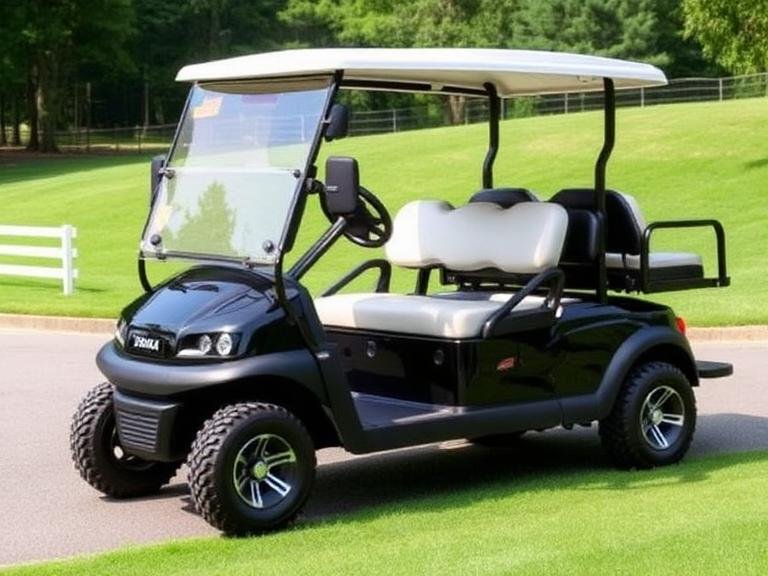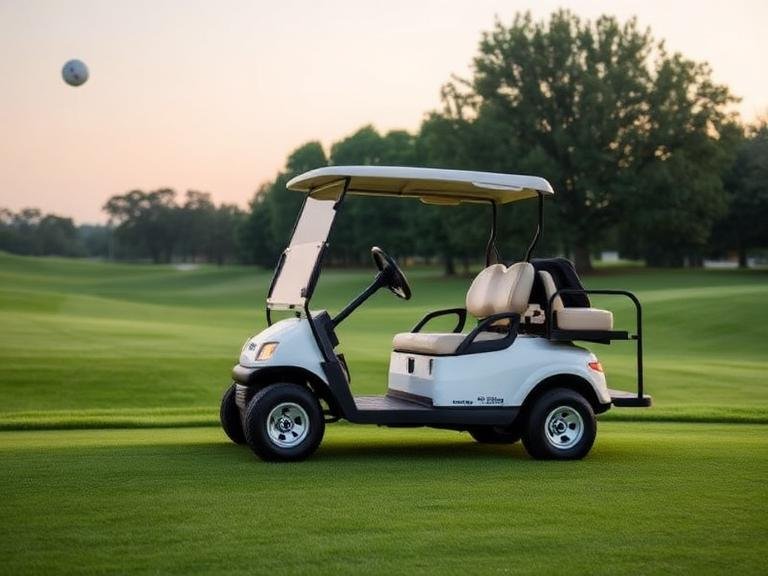
The global low-speed vehicle (LSV) and golf cart industry has undergone a massive technological shift. A decade ago, golf carts were sluggish, lead-acid-powered utility vehicles restricted to country clubs and retirement communities. Today, evaluating the best electric club car manufacturers means analyzing highly sophisticated, lithium-powered, AC-driven machines capable of street-legal commuting and heavy-duty commercial payload delivery. The market is saturated with legacy American brands, aggressive overseas imports, and modern agile innovators. From our experience at GT Golf Cart, designing and producing world-class electric mobility solutions, we see procurement managers and consumers making the same catastrophic mistake daily: they purchase a fleet based purely on aesthetic design while completely ignoring the structural chassis material and battery architecture.
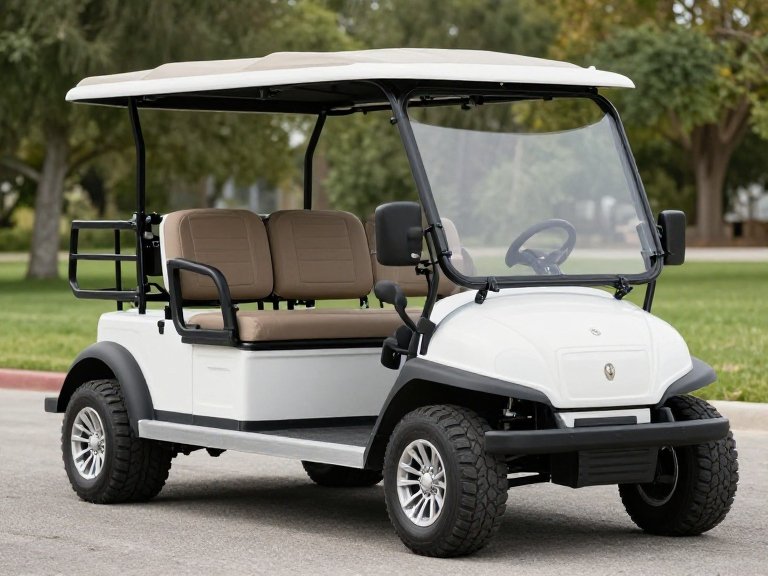
In most professional situations, buying a low-speed vehicle is a significant capital expenditure. Whether you need a massive fleet of 2 Passenger Golf Carts for a resort or a rugged Off Road Golf Cart for an agricultural estate, the engineering behind the brand dictates your total cost of ownership. You must use commercial and practical judgment. A steel frame will rust in coastal environments, and a DC motor will burn out under a heavy payload on an incline. In this definitive 2026 guide, we take a rigid, expert stance on the industry’s top players. We will dissect the 7 best electric club car manufacturers, explain the nuances of modern lithium technology, and provide you with an uncompromising blueprint for selecting the right vehicle for your specific operational needs.
Quick Answer: The Elite Manufacturers of 2026
If you are actively evaluating the top electric club car manufacturers for immediate procurement, here is the executive summary of the leading brands:
- GT Golf Cart: The premier choice for scalable, highly customizable commercial fleets and street-legal LSVs, offering advanced AC motors and factory-direct value.
- Club Car: The legacy gold standard. Famous for their rust-proof aircraft-grade aluminum frames, ideal for coastal environments.
- E-Z-GO: Dominates the golf course fleet market with their proprietary ELiTE lithium technology partnered with Samsung SDI.
- Yamaha: Outstanding independent rear suspension (IRS) providing the smoothest ride quality in the industry.
- Evolution Electric Vehicles: The leader in budget-friendly, factory-lithium neighborhood cruisers.
- ICON EV: Aggressive growth brand offering fully loaded carts (lift kits, discs brakes) at an entry-level price point.
- Star EV: A premium, heavy-duty alternative offering excellent suspension and 72V architecture for steep terrain.
We recommend that anyone buying for a high-humidity or coastal climate absolutely insist on an aluminum chassis. If your application involves steep hills or heavy loads, you must bypass outdated 48V DC motors and secure an AC-driven lithium powertrain.
Table of Contents
- What It Is: Defining the Modern Electric Club Car
- How It Works: The Powertrain Evolution
- The 7 Best Electric Club Car Manufacturers
- Commercial and Practical Benefits
- Limitations and Hidden Risks
- Who Should Procure These Vehicles
- Who Does Not Need Them
- Common Procurement Mistakes
- Expert Buying Considerations
- Summary and Comparison Tables
- Expert Recommendation & Integrated Solutions
- Frequently Asked Questions
What It Is: Defining the Modern Electric Club Car
Before analyzing the manufacturers, we must define the terminology. While “Club Car” is a specific trademarked corporate entity (Club Car, LLC), the term “club car” is heavily used as a genericized proprietary eponym by consumers to describe any golf cart or Low Speed Vehicle (LSV). Modern electric club car manufacturers produce battery-powered vehicles designed primarily for speeds between 15 mph and 25 mph. These range from standard two-seat fleet vehicles used strictly on golf courses to heavily modified, lifted 6 Passenger Golf Carts used for street-legal neighborhood transportation.
How It Works: The Powertrain Evolution
How a cart works mechanically dictates its operational lifespan. Historically, manufacturers utilized 36-volt or 48-volt Direct Current (DC) motors paired with heavy, corrosive flooded lead-acid batteries. In our testing, DC motors suffer from severe voltage sag under load—meaning if you drive four adults up a steep hill, the cart will slow to a crawl.
Today, the elite electric club car manufacturers have universally transitioned to Alternating Current (AC) induction motors paired with Lithium Iron Phosphate (LiFePO4) battery packs. An AC motor generates significantly higher torque and maintains its top speed regardless of incline or payload. Furthermore, lithium batteries weigh roughly 300 pounds less than their lead-acid counterparts, require zero watering maintenance, and feature advanced Battery Management Systems (BMS) that prevent thermal runaway.
The 7 Best Electric Club Car Manufacturers
Based on our extensive industry analysis, manufacturing scale, and technological integration, these are the seven most dominant manufacturers in 2026.
1. GT Golf Cart (The Innovator & Customization Leader)
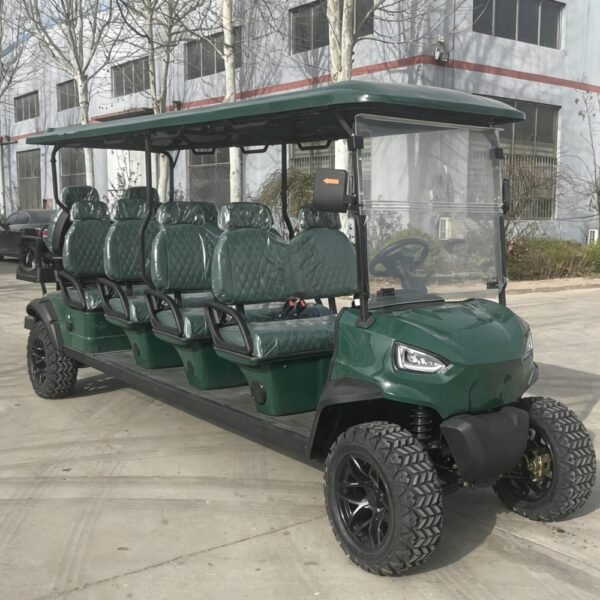
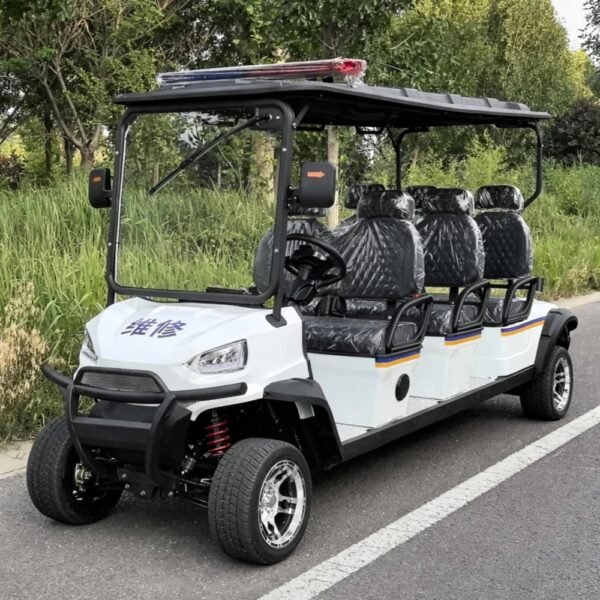
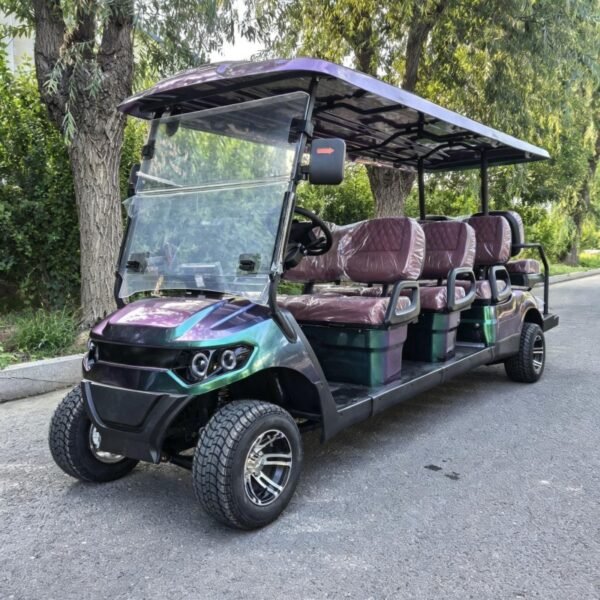
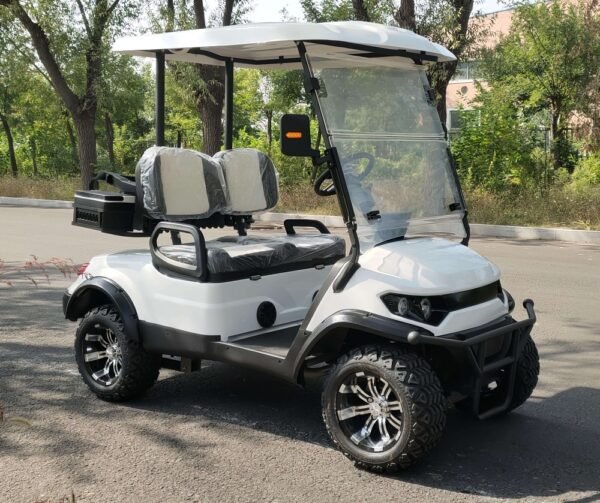
At GT Golf Cart, we engineer vehicles tailored to exact commercial and residential specifications. While legacy brands force you into rigid dealer allocations, we provide an agile manufacturing pipeline. Whether you require a Commercial Golf Cart with a heavy-duty aluminum cargo bed or an executive Luxury Golf Cart, our AC-driven, lithium-powered chassis deliver unmatched reliability without the bloated corporate markup.
2. Club Car
The titan of the industry. Club Car is revered for one specific engineering marvel: their rust-proof, welded aircraft-grade aluminum frame. In coastal states like Florida or California, steel frames rust from the inside out within five years due to salt air. Club Car’s aluminum chassis will literally outlast the plastic body panels. Their “Onward” series remains the gold standard for consumer PTVs (Personal Transportation Vehicles).
3. E-Z-GO
Owned by Textron, E-Z-GO is the pioneer of the lithium golf cart movement. They famously partnered with Samsung SDI to create the ELiTE lithium powertrain, offering an unprecedented 8-year battery warranty. E-Z-GO utilizes a powder-coated steel frame, which provides excellent tensile strength and a softer ride, though it is slightly more vulnerable to corrosion than aluminum.
4. Yamaha Golf-Car Company
While historically dominant in gas-powered carts (QuietTech EFI), Yamaha’s electric offerings are world-class. They are the only one of the “Big Three” to offer true independent rear suspension (IRS) on their Drive2 models. If ride comfort over broken pavement or aggressive golf course terrain is your primary metric, Yamaha’s suspension geometry is unmatched.
5. ICON EV
ICON disrupted the industry by refusing the traditional “base model plus expensive upgrades” pricing structure. When you purchase an ICON, it comes fully loaded: lifted suspension, 10-inch to 12-inch wheels, 4-wheel disc brakes, and full lighting kits are standard. For beginners wanting a ready-to-drive neighborhood cruiser without paying thousands in aftermarket upgrades, ICON is a formidable choice.
6. Evolution Electric Vehicles
Evolution captured the entry-level market by making high-capacity lithium standard across their entire lineup. Their D5 Ranger and Classic 4 Plus models offer aggressive styling, massive touchscreen dashboards, and soundbars right from the factory. They are the ultimate “tech-heavy” street cruiser.
7. Star EV
For heavy-duty applications, Star EV excels. They offer robust 48V and 72V architectures designed for steep hills and massive payloads. Their Sirius lineup blends luxury with utility, offering automotive-style steering columns, LED lighting, and independent suspension designed for serious Special Golf Cart commercial deployments.
Commercial and Practical Benefits
The primary benefit of procuring a modern electric club car is the elimination of internal combustion maintenance. There are no oil changes, spark plugs, belts, or carburetors to rebuild. When you transition an entire resort fleet to lithium electric carts, your maintenance overhead drops by nearly 70%. Furthermore, for residential users, procuring a Street Legal Golf Cart (LSV) allows you to legally replace short-distance automobile trips, drastically reducing your household carbon footprint and fuel expenses.
Limitations and Hidden Risks
We must use commercial and practical judgment: electric carts have strict limitations. The primary limitation is the lack of public charging infrastructure. You cannot plug an electric golf cart into a standard Tesla Supercharger; they require specialized onboard chargers and standard 110V/220V outlets. Secondly, weight distribution is critical. Buying an 8 Passenger Golf Cart on an un-reinforced chassis will result in a dangerous shift in the center of gravity, risking roll-overs on sharp inclines.
Who Should Procure These Vehicles
For Commercial Users and Master-Planned Communities: Industrial facility managers, university campuses, security patrols, and residents of large, planned communities (like The Villages or Peachtree City) must utilize these vehicles. They represent the most efficient, cost-effective method of moving humans and light cargo over distances under 10 miles.
Who Does Not Need Them
For Highway Commuters: If your daily commute involves roads with speed limits exceeding 35 mph, a golf cart or LSV is legally and structurally prohibited. Do not attempt to drive an LSV on major arterial roads; they lack automotive crash-test ratings and airbag systems.
Common Procurement Mistakes
From our experience auditing commercial fleets, the most catastrophic mistake buyers make is purchasing standard golf carts for use on public roads. A standard golf cart lacks a 17-digit VIN, a DOT windshield, seatbelts, and a license plate bracket. If local police pull you over, the vehicle will be impounded. If you intend to drive on public roads, you must explicitly buy from electric club car manufacturers who provide NHTSA-compliant LSV (Low Speed Vehicle) homologation paperwork.
Expert Buying Considerations
When executing a purchase order, you must evaluate the braking system. Standard fleet carts use mechanical rear-drum brakes. These are sufficient for two people on flat grass. However, if you are purchasing a lifted 4 Passenger Golf Cart capable of 25 mph, rear drum brakes will fade rapidly under heavy braking. You must demand 4-wheel hydraulic disc brakes for safety. Additionally, verify the battery capacity. Do not accept a lithium battery under 100 Amp Hours (Ah) if you require a range exceeding 30 miles per charge.
Summary and Comparison Tables
Comparison Table: Frame Material and Ride Quality
| Manufacturer | Chassis Material | Primary Advantage | Best Environment |
|---|---|---|---|
| GT Golf Cart | High-Tensile Steel / Aluminum Options | Agile customization and commercial payload capacity | Resorts, urban LSV, heavy utility |
| Club Car | Welded Aircraft Aluminum | Absolute immunity to structural rust | Coastal regions, high humidity |
| E-Z-GO | Powder-Coated Steel | Softer ride, elite Samsung lithium integration | Golf courses, inland residential |
| Yamaha | Powder-Coated Steel | Independent Rear Suspension (IRS) | Rough terrain, premium residential |
Pros and Cons of Lithium vs. Lead-Acid in Club Cars
| Pros of Lithium (LiFePO4) | Cons of Lithium (LiFePO4) |
|---|---|
| Zero maintenance (No watering or terminal cleaning). | Higher initial capital expenditure upfront. |
| Sheds ~300 lbs of weight, increasing speed and handling. | Cannot be easily jump-started if the BMS enters protection mode. |
| Lifespan of 8-10 years compared to 3-4 years for lead-acid. | Requires highly specific, specialized lithium chargers. |
| No voltage sag; full torque is available until the battery dies. | Replacement packs are a significant investment. |
Expert Recommendation & Integrated Solutions
Is investing capital into a brand new vehicle from the top electric club car manufacturers actually worth it, or should you buy a used, refurbished cart? Emphatically, we recommend buying new or factory-recertified lithium models. Buying a 7-year-old cart with failing lead-acid batteries and a worn-out DC motor will cost you thousands in repairs within the first 24 months. At GT Golf Cart, we believe in doing it right the first time. Procuring a purpose-built, AC-driven lithium vehicle guarantees reliability, safety, and operational superiority.
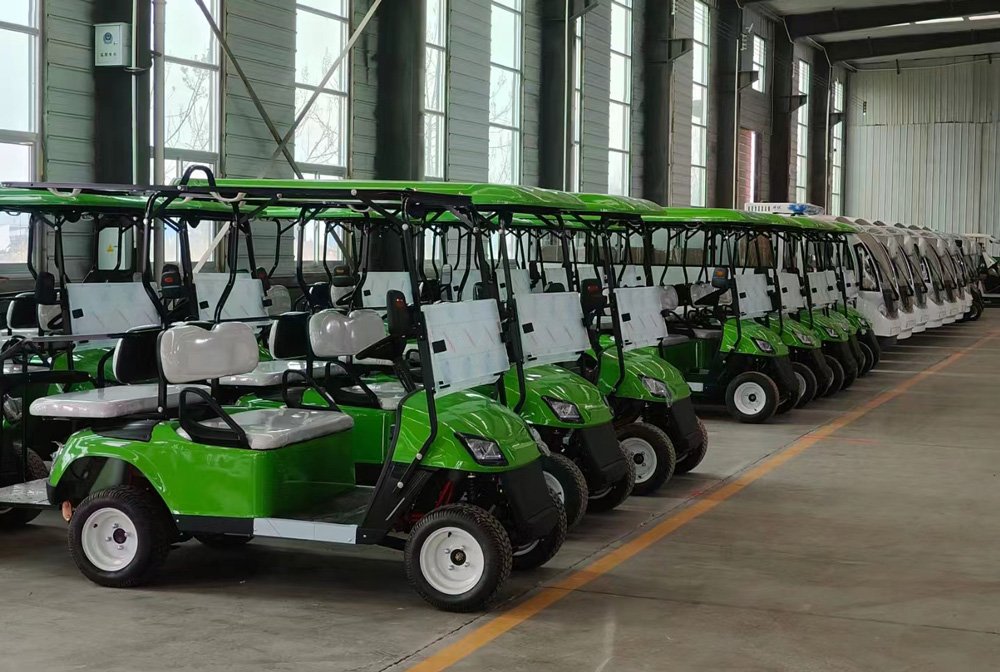
GT Golf Cart Manufacturer
GT Golf Cart is a professional manufacturer specializing in electric golf carts, sightseeing vehicles, and low-speed electric vehicles. Since our establishment, we have focused on delivering durable, efficient, and highly customizable electric mobility solutions tailored directly for global markets.
With a strict commitment to innovation and sustainability, we are actively shaping the future of electric transportation one vehicle at a time. Founded on the uncompromising principles of quality engineering and commercial customer satisfaction, GT Golf Cart has rapidly grown from a local builder to a globally recognized brand serving clients across five continents.
Our dedicated team of structural engineers, designers, and manufacturing experts work collaboratively to create vehicles that exceed safety expectations and out-perform legacy competitors on the pavement and the turf.
Explore Custom Fleet Solutions
If your operation requires moving large groups of personnel efficiently, we strongly advise examining our specialized 10 Passenger Golf Cart shuttles, which are engineered specifically for high-capacity transit without compromising turning radius or battery longevity.
Frequently Asked Questions
Who are the best electric club car manufacturers?
Based on our industry expertise, the best electric club car manufacturers include GT Golf Cart, Club Car, E-Z-GO, Yamaha, ICON EV, Evolution Electric Vehicles, and Star EV. Each excels in different applications, from heavy-duty commercial fleets to street-legal neighborhood cruising.
Are lithium electric golf carts worth the upgrade?
In most professional situations, yes. Lithium-ion (specifically LiFePO4) batteries eliminate all watering maintenance, drastically reduce vehicle weight, charge three times faster, and outlast traditional lead-acid batteries by over five years. We recommend lithium architecture for nearly all modern applications.
What is the difference between a golf cart and an LSV?
A standard golf cart typically maxes out at 15-19 mph and is strictly restricted to private property or golf courses. A Low Speed Vehicle (LSV) is a federally homologated street-legal vehicle equipped with a 17-digit VIN, seatbelts, DOT windshields, turn signals, and mirrors, legally permitted to travel up to 25 mph on public roads with speed limits of 35 mph or less.
Which golf cart frame is better: aluminum or steel?
It depends entirely on your geographic location. Aluminum frames (used by Club Car) are completely rust-proof and are mandatory for coastal or high-humidity environments. Steel frames (used by E-Z-GO and Yamaha) provide slightly more structural flex for a smoother ride, but are highly susceptible to oxidation if the powder coating is scratched.
Industry References & Authoritative Safety Guidelines
To ensure our procurement guidance and vehicular engineering advice meet strict global safety standards, GT Golf Cart references the protocols established by the following authoritative organizations:
- National Highway Traffic Safety Administration (NHTSA): The federal authority defining the strict safety, equipment, and speed requirements (FMVSS 500) for Low Speed Vehicles (LSVs) operating safely on public roadways. Review NHTSA LSV Regulations
- Battery Council International (BCI): The definitive trade association providing strict technical guidelines on deep-cycle energy storage, lithium-ion safety parameters, and the integration of battery management systems in electric vehicles. Review BCI Battery Standards
- Golf Course Superintendents Association of America (GCSAA): Providing peer-reviewed data on turf management, vehicle ground pressure, and the economic impact of transitioning commercial fleets from gas to electric propulsion. Review GCSAA Fleet Guidelines