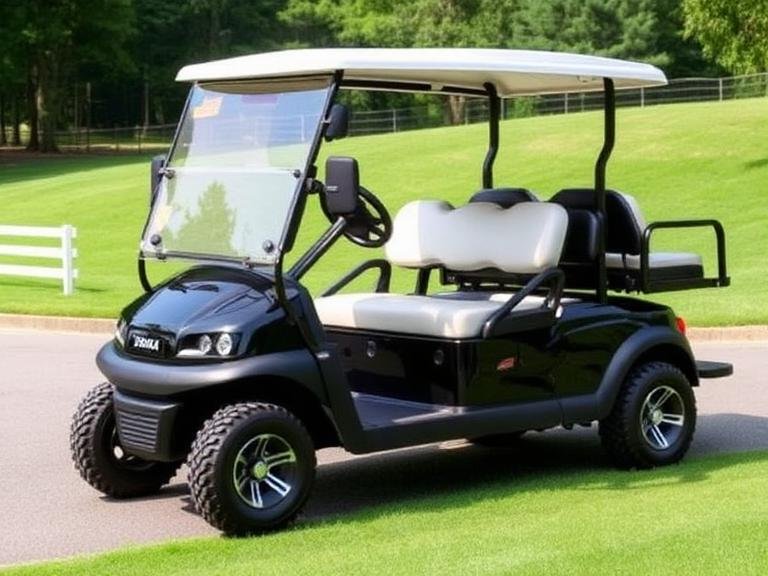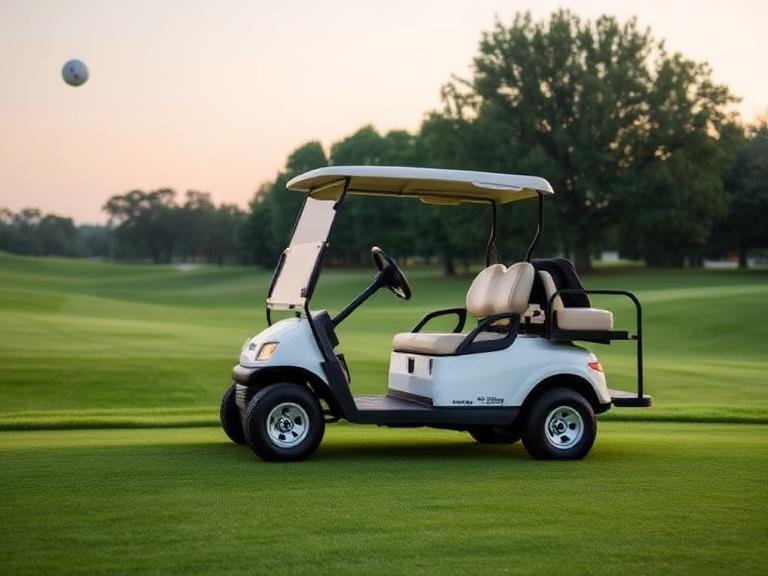
A Yamaha golf cart can be much more than a standard vehicle for moving between holes. With the right upgrades, it can become a more comfortable neighborhood runabout, a practical property vehicle, a stylish personal cart, or a better-equipped vehicle for resort and commercial use. The important part is choosing accessories that suit your exact Yamaha model instead of buying modifications simply because they look impressive.
Quick Answer: What Are the Best Customization Options for a Yamaha Golf Cart?
The most useful customization options for a Yamaha golf cart are upgraded seats and upholstery, custom wheels and tires, a windshield, a weather enclosure, upgraded lighting, a premium roof or canopy, a sound system, additional storage, a rear-facing seat kit, and custom body colors or trim.
Our recommendation is to start with comfort, visibility, weather protection, and practical storage. Consider larger tires, lift kits, and passenger-seat conversions only after checking vehicle compatibility, handling, braking, load capacity, and local operating requirements. For most owners, a carefully selected group of compatible upgrades delivers better value than a complete cosmetic rebuild.
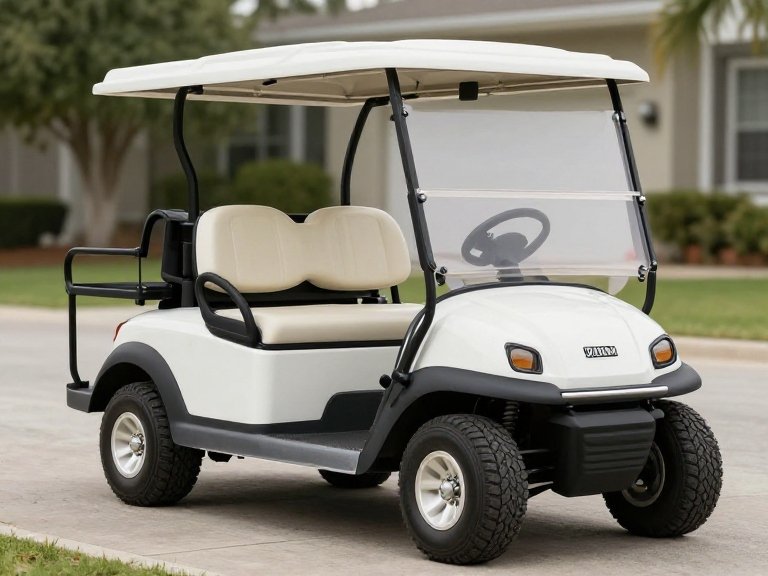
Table of Contents
- Which Customizations Are Worth It?
- Understanding Yamaha Golf Cart Customization
- 10 Popular Customization Options
- Customization Comparison Table
- Pros and Cons
- Best Customization Combinations
- Model Compatibility and Safety
- Buying Considerations
- Cost-Benefit and Upgrade Priorities
- GT Golf Cart Customization Solutions
- Quick Summary
- Frequently Asked Questions
- References
Which Customization Options for Yamaha Golf Cart Are Actually Worth It?
If you use your Yamaha golf cart regularly, the best upgrades are the ones that improve the way you use it every day. A comfortable seat matters more than decorative trim if you spend several hours driving. A quality windshield and enclosure are more valuable than an expensive audio system if you use the cart in changing weather. If you drive on private property with uneven surfaces, tire selection and ground clearance deserve more attention than cosmetic accessories.
From our experience in the golf cart industry, customization should follow a clear order: function first, compatibility second, appearance third. This approach helps owners avoid spending money on accessories that look attractive but create installation, maintenance, or handling problems.
Yamaha has a range of golf car models and configurations, including the Drive² family and earlier vehicles. Accessories are not automatically interchangeable across every model year. Even when two carts look similar, their mounting points, body dimensions, electrical systems, and existing equipment may differ.
Before ordering parts, identify the exact model and year of your vehicle. Then decide whether the goal is improved comfort, a more distinctive appearance, greater utility, or a different driving environment. That decision will determine which upgrades deserve your budget.
What Is Yamaha Golf Cart Customization?
Yamaha golf cart customization means modifying or upgrading a standard Yamaha golf car with compatible accessories, replacement components, styling packages, or functional equipment. Some changes are simple bolt-on additions. Others involve electrical work, suspension components, seating structures, or changes that can affect the vehicle’s original operating characteristics.
How Does Customization Work?
Most customization projects follow four stages. First, the owner identifies the vehicle’s model, year, powertrain, and existing equipment. Second, the desired upgrades are selected according to the vehicle’s intended use. Third, each part is checked for fitment, electrical requirements, mounting method, and any effect on vehicle capacity or safe operation. Finally, the accessories are installed and the cart is inspected before regular use.
For example, adding a compatible mirror or beverage holder is usually a relatively straightforward project. Installing a lift kit with larger tires is a different matter. It may affect steering geometry, suspension behavior, braking performance, stability, and overall vehicle dimensions. The second project deserves professional assessment rather than a quick online purchase.
Why Owners Customize Yamaha Golf Carts
- Comfort: Improve seating, weather protection, and passenger convenience.
- Appearance: Create a distinctive vehicle through colors, wheels, upholstery, and trim.
- Utility: Add storage, cargo equipment, lighting, or other practical accessories.
- Terrain suitability: Select appropriate tires and suspension-related components for the intended driving environment.
- Business identity: Configure vehicles for resorts, residential communities, property management, and commercial fleets.
10 Popular Customization Options for Yamaha Golf Cart
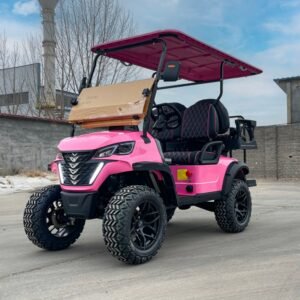
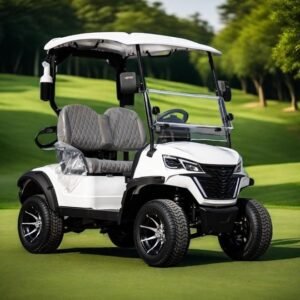
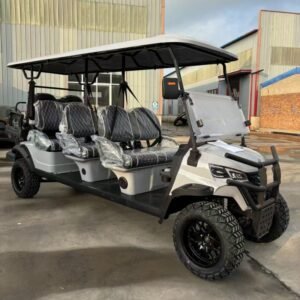
The following upgrades cover the most common requests from personal owners and commercial operators. Not every option is suitable for every Yamaha cart. Check the manufacturer’s fitment information and have a qualified technician assess modifications that affect the vehicle’s structure, electrical system, suspension, or passenger capacity.
1. Custom Seats and Premium Upholstery
Seat upgrades are among the most noticeable improvements for owners who use their carts frequently. Standard seating may be adequate for short trips, but extended use can make seat cushioning, back support, material quality, and passenger space much more important.
Popular choices include premium vinyl, contrasting stitching, two-tone upholstery, upgraded cushions, and custom seat colors. Some owners also choose matching armrests or coordinated front and rear seating.
Who should choose it: Residential owners, golf course users, resort operators, and anyone who regularly carries passengers.
Our recommendation: Prioritize durable, weather-resistant upholstery and secure mounting over decorative stitching. Confirm that replacement seats are designed for the specific Yamaha model. A seat conversion that changes passenger capacity must be assessed as a structural and safety modification, not just an interior upgrade.
2. Custom Wheels and Tires
Wheels and tires can transform the appearance of a Yamaha golf cart. Alloy wheels, black finishes, machined designs, and different tire patterns are popular ways to create a more distinctive look. Tire selection also influences ride comfort, traction, ground clearance, and the vehicle’s suitability for different surfaces.
For paved paths and neighborhood driving, a road-oriented tire may be more appropriate than an aggressive off-road tread. For loose gravel or private-property use, a suitable all-terrain pattern may offer better traction. The correct choice depends on the actual surface, tire load rating, dimensions, and vehicle setup.
Who should choose it: Owners who want a visual upgrade or need tires suited to their regular driving surface.
Our recommendation: Do not choose tires based on appearance alone. Check overall diameter, width, wheel offset, load capacity, clearance, and compatibility with the existing suspension. Oversized tires can create rubbing and may change gearing or braking behavior. If a more rugged appearance is the goal, compare properly engineered lifted golf cart configurations rather than combining random components.
3. Lift Kits and Increased Ground Clearance
A lift kit raises the vehicle’s body or chassis relative to the ground, depending on the design. It is often selected to accommodate larger tires, improve clearance on suitable uneven terrain, or create a more aggressive appearance.
However, a lifted cart is not automatically a better cart. Raising the center of gravity can affect stability, especially during turns or on slopes. Larger tires may also change steering effort, braking response, and the load placed on drivetrain components.
Who should choose it: Experienced owners using the cart on appropriate private property or terrain where additional clearance is genuinely needed.
Who should avoid it: Owners who primarily drive on golf courses, narrow paved paths, or areas with frequent slopes and tight turns.
Our recommendation: Treat a lift kit as a complete engineering decision. Confirm model-specific fitment and have the suspension, steering, tire clearance, braking, and stability checked by a qualified installer. Explore purpose-configured off-road golf cart options if rough-terrain use is a central requirement.
4. Windshields and Weather Enclosures
A windshield is a practical upgrade for carts exposed to wind, dust, insects, and occasional rain. Depending on the design, owners can choose folding, tinted, or fixed windshield styles. A full enclosure can provide additional protection from wind and rain when the cart is used in colder or wetter conditions.
For commercial operators, weather protection can also improve the passenger experience and make vehicles more useful across different seasons. A resort cart that is comfortable in light rain may be used more consistently than one with no weather protection.
Who should choose it: Owners who drive in variable weather, residential communities, resorts, and commercial facilities.
Our recommendation: Check windshield dimensions, mounting hardware, roof compatibility, visibility, ventilation, and enclosure fitment. A poorly fitted windshield can rattle, obstruct visibility, or create unnecessary maintenance work. Yamaha’s official accessory catalog lists windshield options for selected Drive and Drive² applications, but the specific part must still match the vehicle.
5. LED Headlights, Tail Lights, and Accent Lighting
Lighting upgrades can improve visibility and make a cart easier to recognize in low-light environments. Common options include LED headlights, tail lights, turn signals, brake lights, and accent lighting. Some owners choose subtle lighting for appearance, while commercial operators usually prioritize functional visibility and vehicle identification.
Before installing additional lighting, check the cart’s voltage, wiring capacity, switches, fuse protection, and any existing lighting package. An accessory that is designed for a different electrical system may cause faults or unreliable operation.
Who should choose it: Owners who use their carts during early mornings, evenings, or in locations where additional visibility is appropriate.
Our recommendation: Choose a properly rated kit with secure wiring and appropriate protection. Have electrical work completed by a qualified technician. Do not assume that brighter lights automatically make a cart legal for public-road use; local vehicle classification and equipment requirements still apply.
6. Premium Roofs, Canopies, and Roof Accessories
A roof or canopy protects occupants from direct sunlight and light weather exposure. Customization choices may include different roof finishes, extended canopies, upgraded supports, and coordinated trim. For frequent outdoor use, this can be a more valuable investment than purely decorative accessories.
Commercial facilities should consider roof durability, passenger coverage, drainage, mounting strength, and replacement-part availability. A roof that looks attractive but is difficult to maintain may not be a sensible fleet purchase.
Who should choose it: Golf courses, residential communities, resorts, and owners who regularly drive in sunny or changing weather.
Our recommendation: Confirm the roof’s mounting system and compatibility with the windshield and enclosure. Avoid drilling or modifying structural components without an approved installation procedure.
7. Bluetooth Audio, Speakers, and USB Charging
Audio upgrades are popular on personal golf carts used in neighborhoods, private properties, and recreational settings. A Bluetooth speaker system, weather-resistant speakers, USB charging ports, and organized device mounts can make short trips more convenient.
The main purchasing issue is not speaker size. It is whether the electrical installation is suitable for the cart. Accessories that remain powered while the vehicle is parked can drain the battery if they are not wired and managed correctly.
Who should choose it: Personal owners and recreational users who want entertainment and charging convenience.
Our recommendation: Select weather-resistant equipment and a professionally installed power connection. Keep audio volume considerate in shared communities and golf course environments. For fleet vehicles, simple charging ports may provide more practical value than elaborate entertainment systems.
8. Storage, Cargo Accessories, and Utility Equipment
Storage upgrades are among the most useful customizations for owners who use a Yamaha golf cart beyond the golf course. Options can include baskets, organizers, coolers, rear cargo solutions, bag holders, utility compartments, and equipment mounts.
For property managers and maintenance teams, cargo capacity can be more valuable than cosmetic upgrades. A well-planned storage arrangement reduces loose items and makes routine work easier. For recreational users, a cooler or secure storage compartment may be enough.
Who should choose it: Property owners, maintenance teams, resorts, and families who carry equipment or personal items.
Our recommendation: Check the vehicle’s rated capacity and distribute weight appropriately. Secure cargo so it cannot shift during braking or turning. Do not attach heavy equipment in a way that interferes with visibility, seating, steering, or safe operation. Commercial operators can also compare dedicated commercial golf cart configurations when utility needs are extensive.
9. Rear-Facing Seats and Passenger Configurations
Adding rear-facing seats is a common way to increase passenger accommodation. It can be useful for families, resorts, visitor transportation, and communities that need to move several people over short distances.
However, a rear-seat conversion changes more than the appearance of the cart. It can affect passenger capacity, weight distribution, overall length, foot placement, handholds, and the vehicle’s operating characteristics. Some conversions also incorporate a rear cargo platform that can be used when passengers are not being carried.
Who should choose it: Owners who have a genuine passenger-transport requirement and a compatible vehicle platform.
Our recommendation: Use a conversion kit specifically engineered for the exact Yamaha model. Verify approved seating capacity, structural mounting, passenger restraints or handholds where required, and local rules. If your primary goal is transporting more people, compare purpose-built 4-seater golf carts and 6-seater golf carts before modifying a smaller vehicle.
10. Custom Paint, Body Panels, and Exterior Styling
Custom colors and exterior styling are often the finishing touches of a golf cart project. Popular options include two-tone body colors, contrasting roof finishes, coordinated seat upholstery, decorative trim, custom wheels, and branded graphics.
For personal owners, the objective may be a unique vehicle that reflects individual taste. For businesses, coordinated colors and logos can help create a consistent brand experience across a resort, residential community, or commercial property.
Yamaha’s Drive² design uses modular body panels, which can make selected body repairs and appearance updates more straightforward. That does not mean every aftermarket panel fits every Drive² year or trim.
Who should choose it: Owners who want a distinctive appearance, businesses building a recognizable fleet, and buyers restoring an older cart.
Our recommendation: Choose durable finishes and panels with verified fitment. If you are customizing multiple vehicles, standardize the color, trim, seat material, and accessory specification before ordering. Consistency makes future repairs and replacement parts easier to manage.
Comparison Table: Which Yamaha Golf Cart Upgrades Should You Choose?
The table below compares the main customization categories by their practical value. Cost levels are relative estimates rather than quoted prices. Actual costs vary with model year, parts availability, installation labor, and the quality of the selected components.
| Customization | Main Benefit | Relative Cost | Installation Complexity | Best For |
|---|---|---|---|---|
| Custom seats and upholstery | Comfort and appearance | Medium | Low to medium | Frequent users and passenger vehicles |
| Custom wheels and tires | Style, traction, and ride characteristics | Medium to high | Medium | Owners with specific surface requirements |
| Lift kit | Ground clearance and styling | Medium to high | High | Suitable private-property terrain |
| Windshield and enclosure | Weather protection | Medium to high | Low to medium | All-season and commercial use |
| LED lighting | Visibility and appearance | Low to medium | Medium | Low-light operation where permitted |
| Premium roof or canopy | Sun and weather protection | Medium to high | Medium | Outdoor and fleet use |
| Audio and USB charging | Entertainment and convenience | Low to medium | Medium | Personal and recreational use |
| Storage and cargo accessories | Practical carrying capacity | Low to medium | Low to medium | Property and commercial use |
| Rear-facing seats | Passenger accommodation | Medium to high | High | Passenger transport requirements |
| Custom paint and body styling | Personalization and brand identity | Medium to high | Medium to high | Personal builds and business fleets |
Pros and Cons of Customizing a Yamaha Golf Cart
Customization can make a Yamaha golf cart more useful and more enjoyable, but it is not automatically a good investment. The value depends on the quality of the parts, the compatibility of the installation, and how closely the upgrade matches the owner’s actual needs.
| Pros | Cons |
|---|---|
| Improves comfort for regular drivers and passengers. | Multiple upgrades can quickly increase the total project cost. |
| Allows the vehicle to better suit personal or commercial requirements. | Incorrect fitment can cause installation and maintenance problems. |
| Can improve storage, weather protection, and convenience. | Some accessories add weight or increase electrical demand. |
| Creates a distinctive appearance or consistent fleet identity. | Highly personalized styling may not appeal to future buyers. |
| Selected functional upgrades can make a cart more versatile. | Suspension, tire, seating, and electrical modifications may affect safe operation. |
Our view: Customization is worth the investment when it solves a real problem. A windshield that makes the vehicle more comfortable throughout the year can justify its cost. A lift kit installed only for appearance may deliver less practical value while creating additional handling considerations.
Best Customization Combinations for Different Yamaha Golf Cart Owners
Instead of buying all ten upgrades, build a package around the way you use the vehicle. These combinations are a more sensible starting point than copying a heavily modified cart from social media.
For Golf Course and Residential Use
Choose comfortable seats, a suitable windshield, mirrors, practical storage, and appropriate lighting if needed. Keep tire and suspension changes conservative unless the vehicle’s intended use requires something different. This combination prioritizes comfort and straightforward maintenance.
For Neighborhood and Recreational Driving
Consider custom upholstery, a Bluetooth audio system, USB charging, a windshield, and coordinated wheels. If you frequently drive after sunset, ask a qualified installer about compatible lighting and check local requirements before using the vehicle on public roads.
For Private Property and Rougher Terrain
Start with the terrain rather than the appearance. Select tires designed for the actual surface and confirm that the cart has adequate clearance and suitable mechanical condition. Lift kits should be considered only after evaluating stability, braking, steering, suspension, and the vehicle’s permitted operating environment. Owners who need a dedicated rough-terrain vehicle can compare purpose-built off-road golf carts instead of relying on a collection of uncoordinated modifications.
For Resorts, Hotels, and Commercial Fleets
Commercial operators should prioritize durable seats, weather protection, clear vehicle identification, practical storage, serviceable lighting, and replacement-part availability. A fleet with standardized accessories is easier to maintain than one in which every cart has a different configuration.
Passenger capacity should be planned at the vehicle-selection stage. If your operation needs to carry larger groups, compare 6-seater golf cart configurations or 8-seater golf cart configurations rather than assuming a small Yamaha cart can safely be converted to meet every transport requirement.
Yamaha Golf Cart Model Compatibility: What Owners Must Check First
One of the most common mistakes in golf cart customization is ordering an accessory based on the brand name alone. “Fits Yamaha” is not a complete fitment specification. A part may fit one Drive² configuration but not an older Drive or G-series cart. Model year, body design, powertrain, factory options, and previous modifications can all affect compatibility.
Identify the Exact Model and Year
Before ordering, record the vehicle’s identification information and take clear photographs of the cart. Include the front, rear, side profile, dashboard, seat area, wheels, and any existing accessory mounting points. If the vehicle has been modified previously, document those changes as well.
Use the appropriate Yamaha owner’s manual resource to locate the documentation for your vehicle. The manual should be treated as the primary reference for operating limits and approved maintenance procedures.
Check Electrical Compatibility
Lighting, audio systems, charging ports, and other powered accessories must match the electrical system. Confirm voltage, current demand, wiring protection, and the recommended connection point. Avoid improvised wiring that bypasses fuses or creates an ongoing battery drain.
Check Weight and Passenger Capacity
Seats, cargo platforms, enclosures, and accessories can add weight. Passenger conversions also change how the vehicle is loaded. Do not assume that a new seat kit increases the cart’s approved passenger or load capacity. Follow the vehicle’s rated limits and the accessory manufacturer’s instructions.
Understand the Safety Implications of Modifications
Yamaha’s operator guidance warns against modifications or additions that affect capacity or safe operation, or that are inconsistent with the owner’s/operator’s manual. This is particularly important for suspension, steering, braking, electrical, and passenger-carrying modifications.
After work involving steering, brakes, suspension, electrical systems, or structural mounting, arrange an inspection and controlled operational check by a qualified technician. Do not test a modified cart at speed or with passengers before confirming that it operates correctly.
Important safety point: A golf cart that looks like a road vehicle is not automatically approved for public-road use. Street legality depends on local classification, required equipment, registration, insurance, and other jurisdiction-specific rules. Confirm local requirements before using a customized cart beyond permitted private property or golf facilities.
Buying Considerations: How to Choose the Right Yamaha Golf Cart Accessories
The cheapest accessory is not necessarily the best value. A low-cost part that requires repeated adjustments, creates electrical problems, or does not fit correctly can become more expensive than a properly specified component.
1. Confirm Fitment Before Comparing Prices
Ask the seller to confirm the exact Yamaha model, year range, and configuration supported by the part. Request a fitment chart or installation documentation when available. If the seller cannot explain how the accessory attaches to your vehicle, do not assume that it will fit.
2. Evaluate Material and Construction Quality
Seats and enclosures should use materials suited to outdoor exposure. Wheels and tires need appropriate load ratings and dimensions. Electrical accessories should have clear specifications and suitable protection. For commercial use, replacement availability and durability are often more important than the lowest purchase price.
3. Ask Whether Installation Is Included
Some accessories are straightforward to install, while others require specialist tools or technical knowledge. Ask for a complete quotation that separates the accessory price, installation labor, wiring or mounting materials, and any additional parts. This gives you a more realistic project budget.
4. Protect the Original Vehicle Systems
Before approving an upgrade, ask whether it affects the original electrical system, suspension, braking, steering, seating structure, or warranty coverage. Keep installation records and retain original components when practical. Do not assume that an aftermarket accessory is approved by Yamaha simply because it is advertised for a Yamaha golf cart.
5. Choose a Supplier That Can Support the Entire Project
For a single accessory, a specialist parts retailer may be sufficient. For a full custom build, multiple vehicles, or a commercial fleet, a manufacturer or experienced customization partner may provide better coordination. Look for clear specifications, sample approval, quality-control procedures, production capability, and after-sales support.
If you are comparing a customized Yamaha with a complete alternative vehicle, review the range of custom golf carts available for different passenger, styling, and utility requirements. The right decision may be to upgrade your existing Yamaha, or it may be more economical to purchase a vehicle configured for your needs from the beginning.
Cost-Benefit Analysis: Upgrade Your Yamaha or Buy a Custom Golf Cart?
Customization budgets vary widely. A mirror, organizer, or small accessory may be relatively inexpensive, while a complete wheel-and-tire package, enclosure, lift kit, upholstery conversion, or custom body project can involve substantial parts and labor costs. There is no reliable universal price for a Yamaha customization project without knowing the model, year, parts, and installation requirements.
We recommend calculating the full cost rather than comparing accessory prices alone. Include installation, electrical work, replacement parts, maintenance, and any changes needed to make the vehicle operate safely after modification.
| Decision | When It Makes Sense | What to Consider |
|---|---|---|
| Upgrade your existing Yamaha | The vehicle is mechanically sound and needs limited comfort or appearance improvements. | Accessory compatibility, installation cost, remaining vehicle condition, and future maintenance. |
| Complete a major customization | The existing platform meets your requirements and the planned modifications are properly engineered. | Total project cost, safety inspection, parts availability, and the effect on resale value. |
| Purchase a purpose-built custom cart | You need a different passenger layout, powertrain, body design, or commercial specification. | Vehicle specifications, service support, warranty terms, and delivery arrangements. |
For example, an owner with a well-maintained two-passenger Yamaha may get excellent value from new seats, a windshield, and practical storage. But if the owner needs six seats, a cargo platform, a different powertrain, and a fleet-wide brand identity, repeatedly modifying a smaller vehicle may not be the most efficient route.
In that situation, compare the total cost of customization with a purpose-configured custom lithium golf cart. A complete vehicle purchase can provide a more coordinated specification when the original platform is not designed for the intended use.
GT Golf Cart: Customized Golf Cart Solutions Beyond Individual Accessories
GT Golf Cart provides electric golf cart solutions for customers who need more than a few aftermarket accessories. For some buyers, upgrading an existing Yamaha is the right choice. For others, a complete customized vehicle offers a more practical way to achieve the required seating layout, appearance, powertrain, and operating configuration.
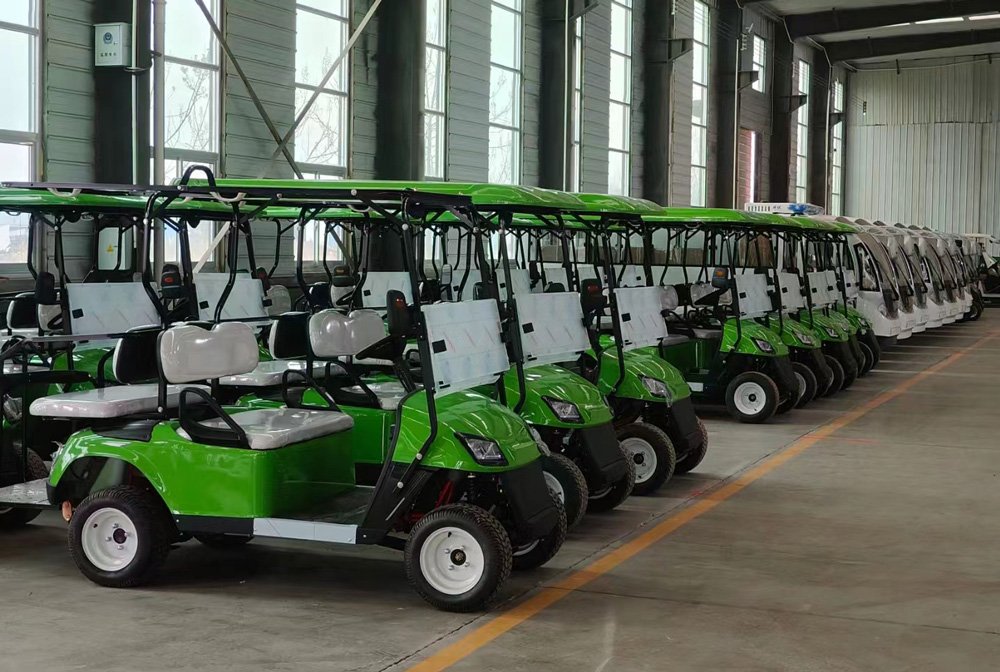
Customized Golf Cart End-to-End Solutions
GT Golf Cart offers OEM and ODM collaboration for businesses with different vehicle concepts, market positions, and production requirements. Its service approach covers product conceptualization, prototype development, and mass production.
With over 12 years of experience in electric vehicle manufacturing, GT Golf Cart works with businesses seeking tailored electric golf cart solutions. This can be relevant to distributors, fleet buyers, resorts, and organizations that need a consistent vehicle specification rather than individually sourced accessories.
Explore GT Golf Cart OEM/ODM customization services.
When Should You Consider OEM or ODM Customization?
OEM or ODM customization is worth discussing when you need a repeatable vehicle specification, a distinctive exterior design, a particular seating configuration, or a product developed for a defined customer group. It is generally more relevant to commercial buyers and distributors than to someone who only wants to replace a windshield or add a set of wheels.
Before choosing a manufacturer, request technical specifications, production details, sample or prototype arrangements, quality-control information, warranty conditions, spare-parts support, and a written quotation. For international buyers, also confirm packaging, export documentation, shipping terms, and delivery responsibilities. GT Golf Cart provides further information about global golf cart shipping for customers planning overseas purchases.
Our recommendation is to define the vehicle’s intended use and target market before requesting a custom quotation. A clear specification reduces unnecessary revisions and makes it easier to compare manufacturers on the same basis.
Quick Summary: Best Customization Options for Yamaha Golf Cart
Use this table as a starting point when deciding which upgrades deserve priority. The best package depends on your exact model, operating environment, budget, and passenger or cargo requirements.
| Owner’s Main Goal | Recommended Customization | Priority |
|---|---|---|
| Improve everyday comfort | Seats, windshield, mirrors | High |
| Improve weather protection | Windshield, enclosure, roof | High |
| Improve appearance | Wheels, upholstery, paint, trim | Medium |
| Improve utility | Storage, cargo accessories, organizers | High for work use |
| Improve low-light visibility | Compatible headlights and tail lights | Use-dependent |
| Support rougher terrain | Suitable tires and professionally assessed suspension upgrades | Use-dependent |
| Carry more passengers | Approved seating conversion or purpose-built multi-passenger cart | High when required |
| Create a business fleet identity | Standardized body colors, seats, roofs, and branding | High for fleet buyers |
Expert Recommendation: Customize for Your Real Driving Needs
The best customization options for a Yamaha golf cart are not necessarily the most expensive or visually dramatic. For most owners, we recommend beginning with comfortable seats, a suitable windshield, mirrors, and useful storage. These upgrades address everyday needs without automatically requiring major changes to the vehicle’s mechanical systems.
Choose wheels and tires based on the surface you actually drive on. Treat lift kits, passenger conversions, and electrical upgrades as technical projects that require model-specific fitment checks and competent installation. If the vehicle needs a substantially different capacity or configuration, compare the cost of modification with a purpose-built custom golf cart.
For commercial users, consistency and serviceability should guide every decision. A standardized fleet specification is easier to operate, maintain, and expand. For personal owners, a smaller number of well-selected upgrades will usually deliver better long-term value than an extensive list of accessories.
In short, customize your Yamaha golf cart to solve a real problem, preserve safe operation, and make sure every part fits the exact vehicle. That is how to build a cart that is not only more attractive, but also more useful over the long term.
Frequently Asked Questions About Yamaha Golf Cart Customization
1. What are the most popular customization options for a Yamaha golf cart?
The most popular options include custom seats, wheels and tires, lift kits, windshields, weather enclosures, LED lighting, premium roofs, Bluetooth audio, storage accessories, rear-facing seats, and custom exterior styling. The best choices depend on the model and intended use.
2. Can I use aftermarket accessories on any Yamaha golf cart?
No. Accessory compatibility depends on the model, year, body configuration, powertrain, and existing equipment. A part advertised for Yamaha may only fit selected Drive, Drive², or G-series vehicles. Confirm the exact fitment before ordering.
3. Are lift kits worth it for Yamaha golf carts?
A lift kit may be useful when additional ground clearance is genuinely required for suitable private-property terrain. It is not necessary for most golf course or neighborhood users. A lift can affect stability, steering, suspension, and braking behavior, so professional assessment and correct installation are important.
4. Can I install larger tires on my Yamaha golf cart?
Some Yamaha carts can accommodate larger tires with the correct wheel specifications and clearance. However, tire diameter, width, offset, load rating, and suspension setup must be checked. Oversized tires can rub against the body or affect vehicle performance. Do not assume that a larger tire is compatible simply because it can be mounted on the wheel.
5. Can I convert a Yamaha two-seater into a four-seater?
Some vehicles may support an approved rear-seat conversion, but not every model or configuration is suitable. The conversion must account for structural mounting, passenger capacity, weight distribution, foot placement, and local requirements. If regular four-person transportation is essential, compare a purpose-built four-seater with the conversion cost.
6. Do LED lights and audio accessories affect the battery?
Yes. Electrical accessories draw power from the vehicle’s electrical system. The effect depends on their power consumption, installation, usage time, and the vehicle’s battery configuration. Use compatible equipment, suitable wiring protection, and professional installation where needed.
7. Will customizing my Yamaha golf cart affect its warranty?
It may, depending on the modification, the affected component, and the applicable warranty terms. An aftermarket accessory does not automatically void every part of a warranty, but damage associated with an improper installation or modification may not be covered. Review the warranty documentation and consult an authorized Yamaha dealer before making significant changes.
8. What is the best customization package for a Yamaha golf cart used by a resort?
For most resorts, a practical package includes durable seats, a suitable windshield or enclosure, mirrors, functional lighting, secure storage, and standardized exterior styling. Passenger capacity should be specified before purchasing the fleet. Prioritize easy maintenance and consistent replacement parts.
9. Is it better to customize an existing Yamaha or buy a new custom golf cart?
Upgrading an existing Yamaha is often sensible when the vehicle is in good condition and only needs a few accessories. A new custom golf cart may be more economical when you need a different seating layout, powertrain, body design, or commercial specification. Compare the full cost of parts, labor, maintenance, and vehicle replacement before deciding.
10. How do I find a manufacturer for a customized golf cart project?
Look for a manufacturer with relevant electric vehicle production experience, clear technical specifications, documented quality-control procedures, prototype or sample support, and reliable after-sales service. For OEM or ODM projects, provide a written product brief covering intended use, seating, powertrain, dimensions, appearance, target market, and expected order quantity.
References
For model-specific compatibility and safe operation, consult the relevant vehicle documentation and official accessory information before purchasing or installing modifications.
- Yamaha Motor Corporation, U.S.A. – Golf Car Accessories. Official accessory catalog for selected Yamaha golf car products and configurations.
- Yamaha Golf Cars – Owner’s and Operator’s Manuals. Official manual resource for model-specific operating, maintenance, and safety guidance.
- Yamaha Golf Car – Drive² Model Information. Manufacturer information about Drive² features, configurations, and available equipment.