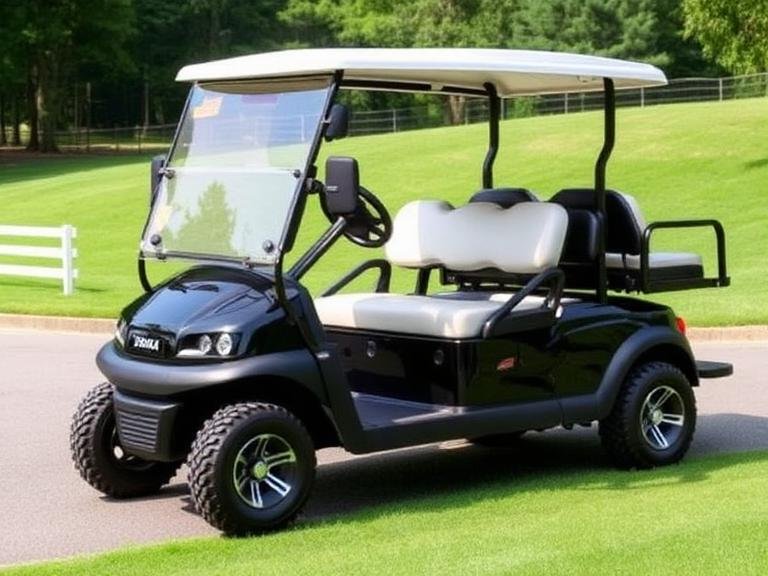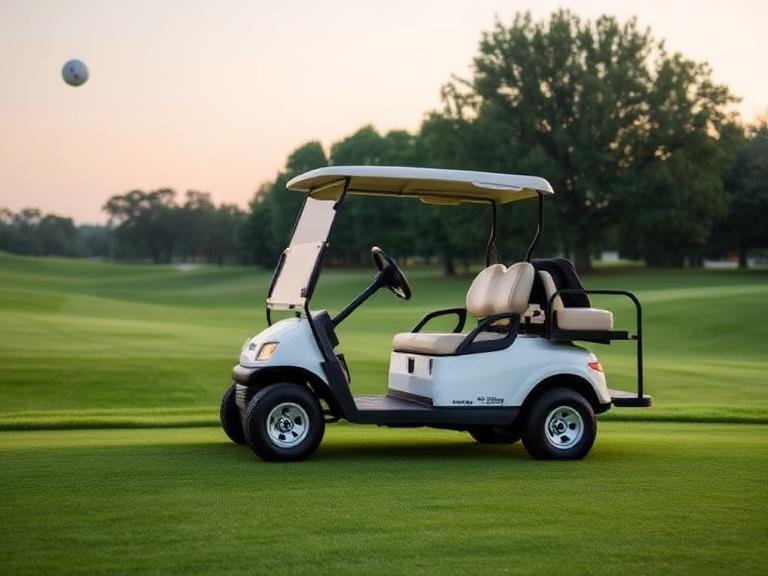
Choosing custom golf cart rims is not just about finding a design that looks good. The wrong wheel offset, bolt pattern, load rating, or finish can turn an attractive upgrade into a costly fitment problem. For dealers, golf cart builders, fleet operators, and private-label buyers, the manufacturer behind the rim matters just as much as the style.
This guide compares six established names and sourcing options in the golf cart wheel market: HPD Wheels, Excel Tire & Wheel, Martin Wheel, STEELENG, MODZ, and Custom Wheel Solutions. They are not identical business models. Some design and manufacture wheels, while others operate as aftermarket brands or custom-wheel sourcing partners. Understanding that distinction is essential before requesting samples or placing a wholesale order.
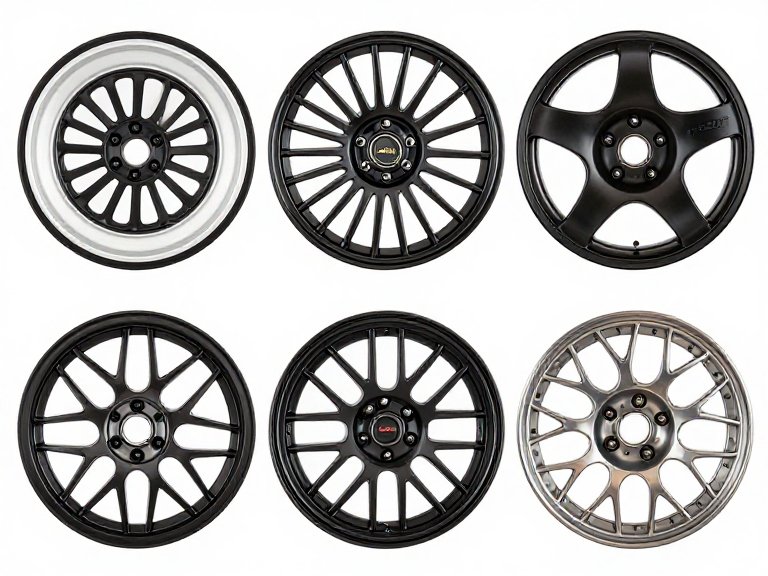
Direct Answer: Which Custom Golf Cart Rim Manufacturers Should You Consider?
For buyers looking for custom golf cart rims, we recommend starting with HPD Wheels, Excel Tire & Wheel, Martin Wheel, STEELENG, MODZ, and Custom Wheel Solutions. These companies represent different strengths, including golf-cart-specific alloy wheel design, specialty wheel manufacturing, industrial wheel production, aftermarket styling, and private-label OEM sourcing.
There is no universally best manufacturer. HPD Wheels and Excel are worth evaluating for golf-cart-focused wheel programs. Martin Wheel is relevant when application engineering and industrial wheel experience matter. STEELENG offers golf cart accessories and wheel products, while MODZ is an established aftermarket wheel brand. Custom Wheel Solutions is worth approaching when the requirement is a custom or private-label manufacturing program rather than simply buying a branded retail wheel.
Our recommendation: Compare the actual wheel specification, manufacturing responsibility, quality documentation, warranty, and order terms. Do not choose a supplier based on appearance or a low unit price alone.
Quick Answer: Top 6 Custom Golf Cart Rim Manufacturers
| Company / Brand | Market Position | Best-Fit Buyer | What to Investigate |
|---|---|---|---|
| HPD Wheels | Golf cart-focused custom alloy wheel brand and designer | Custom cart builders and dealers | Wheel designs, sizes, finishes, fitment, and wholesale terms |
| Excel Tire & Wheel | Specialty tire and wheel developer and manufacturer | Dealers and recreational vehicle parts distributors | Golf cart wheel range, availability, and dealer distribution |
| Martin Wheel | Industrial and specialty wheel manufacturer serving golf cart applications | OEM and application-driven buyers | Load requirements, wheel construction, and engineering support |
| STEELENG | Golf cart accessory supplier and manufacturer | Dealers seeking wheel and accessory programs | Product specifications, fitment, warranty, and sourcing origin |
| MODZ | Aftermarket golf cart wheel and accessory brand | Custom cart retailers and style-focused builders | Current product range, dealer access, and manufacturing arrangements |
| Custom Wheel Solutions | Custom and private-label wheel sourcing partner | OEMs and buyers developing branded wheel programs | Manufacturing process, tooling, MOQ, testing, and quality control |
Important: This is a practical shortlist, not a verified ranking by production volume or market share. Some names are product brands or sourcing partners rather than vertically integrated golf cart rim factories. Confirm the actual factory and manufacturing responsibility before treating any supplier as your OEM manufacturer.Table of Contents
- What Are Custom Golf Cart Rims?
- Top 6 Custom Golf Cart Rim Manufacturers
- Manufacturer Comparison Table
- How to Choose a Golf Cart Rim Manufacturer
- Golf Cart Rim Specifications That Matter
- Pros and Cons of Custom Golf Cart Rims
- Common Sourcing Mistakes
- Cost, MOQ, and OEM Considerations
- GT Golf Cart OEM/ODM Solutions
- Expert Recommendation
- Frequently Asked Questions
- References
1. What Are Custom Golf Cart Rims?
Custom golf cart rims are wheels designed or selected to change a golf cart’s appearance, fitment, or application characteristics. They may feature different diameters, widths, offsets, spoke patterns, finishes, materials, and center-cap designs compared with standard factory wheels.
Most aftermarket golf cart rims are aluminum alloy, although steel wheels remain relevant for certain utility and cost-sensitive applications. Aluminum alloy wheels are popular for custom builds because they allow a wide range of spoke designs and surface finishes. Steel wheels can be practical where simple construction, durability, and cost control take priority over styling.
How Do Custom Golf Cart Rims Work?
A rim supports the tire and connects the tire assembly to the vehicle hub. Its dimensions and mounting characteristics determine whether it can be installed correctly and whether the tire has adequate clearance from the suspension, body, brakes, and other components.
For a golf cart, choosing a wheel involves more than matching the diameter. Buyers need to verify the bolt pattern, center bore where applicable, wheel width, offset, tire compatibility, load rating, and the cart’s suspension configuration. A rim that physically bolts onto the hub can still be unsuitable if the tire rubs or the offset changes the vehicle’s track width beyond the intended setup.
Why Do Buyers Upgrade Golf Cart Rims?
- Appearance: Custom spoke designs, machined faces, black finishes, and polished details help differentiate a cart.
- Tire compatibility: Different wheel dimensions allow buyers to select suitable tire packages for street, turf, or all-terrain use.
- Vehicle positioning: Wheel width and offset influence stance and tire clearance.
- Brand identity: Dealers and OEMs can use distinctive wheel designs to create a recognizable vehicle package.
- Replacement needs: A damaged or outdated wheel may need replacement with a compatible modern design.
2. Top 6 Custom Golf Cart Rim Manufacturers and Brands
The companies below are selected for their relevance to golf cart wheels, specialty wheel manufacturing, aftermarket product development, or custom wheel sourcing. We have deliberately distinguished manufacturers from brands and sourcing partners. That distinction is important for anyone buying in volume or planning a private-label product.
1. HPD Wheels – Golf Cart-Focused Custom Alloy Wheel Designs
HPD Wheels, associated with Hi-Performance Designs, is a specialist name in custom golf cart wheel styling. Its product range is aimed at buyers who want more than a basic replacement rim, with designs intended for both lifted and non-lifted golf carts.
HPD’s golf cart wheel program includes different sizes and styling options, making it relevant to custom cart builders who need a distinctive appearance. The company has also described its experience designing and manufacturing alloy wheels for automotive, truck, ATV/UTV, and golf cart applications.
Best for: Golf cart dealers, custom builders, and retailers seeking distinctive alloy wheel designs.
What we would verify: Confirm the current wheel dimensions, offset, bolt pattern, approved tire combinations, finish options, and wholesale availability. Ask whether the exact model is intended for lifted carts, standard-height carts, or both.
Our view: HPD is a strong name to investigate when appearance and golf-cart-specific styling are priorities. Buyers planning a large OEM program should separately confirm factory capacity, private-label options, and who controls production.
2. Excel Tire & Wheel – Specialty Wheels for Recreational Vehicles
Excel Tire & Wheel develops and manufactures specialty tires, tubes, and wheels for recreational and powersports applications, including golf carts, ATVs, UTVs, and motocross. Its golf cart product range includes established wheel and tire lines designed for different applications.
For buyers who want to source wheels alongside tire products, Excel deserves consideration. Its wider specialty tire experience can be useful when evaluating complete wheel-and-tire packages rather than purchasing rims in isolation.
Best for: Golf cart parts distributors, dealers, and buyers who need a specialist tire-and-wheel supplier.
What we would verify: Ask which wheel models are currently available, whether the business sells directly or through distributors, what customization is possible, and whether the required dimensions can be supplied consistently.
Our view: Excel is worth evaluating for established specialty wheel and tire products. If your requirement is a completely new private-label rim design, confirm its OEM development capabilities before assuming a standard product line can be customized.
3. Martin Wheel – Industrial Wheel Manufacturing Experience
Martin Wheel manufactures industrial and specialty wheels and serves several equipment markets, including golf carts, outdoor power equipment, trailers, and material handling. Its product capabilities include pneumatic wheels as well as semi-pneumatic and flat-free wheel solutions.
This makes Martin Wheel particularly relevant when the application is more important than cosmetic customization. Buyers developing utility-oriented golf carts, specialty vehicles, or equipment platforms may benefit from a supplier that understands different operating conditions and wheel applications.
Best for: OEM buyers, utility cart manufacturers, and projects where application engineering and wheel performance are central.
What we would verify: Confirm the specific golf cart wheel models, material and construction details, rated load, mounting dimensions, and whether the company can support the required custom design or production volume.
Our view: Martin Wheel is a useful manufacturer to consider for application-led sourcing. It may not be the first choice for a buyer whose only requirement is a highly decorative aftermarket alloy rim, so define the project before requesting a quotation.
4. STEELENG – Golf Cart Wheels and Accessory Programs
STEELENG has a presence in the golf cart accessory market, with products that include wheels, tires, lift kits, seats, windshields, and other components. Its business background includes manufacturing steel, aluminum, and plastic parts, while its golf cart product range serves popular vehicle platforms.
For dealers, one potential advantage is the ability to source wheels alongside other golf cart accessories. This can simplify product planning when a business is building a complete customization package rather than sourcing every component separately.
Best for: Golf cart dealers and accessory distributors looking for wheel products within a broader parts program.
What we would verify: Confirm whether a specific wheel is manufactured in-house or sourced through a production partner. Request the technical drawing, load specification, finish details, warranty terms, and current fitment chart.
Our view: STEELENG is worth adding to a dealer sourcing shortlist. For OEM buyers, the key question is not simply whether the supplier offers golf cart wheels, but whether it can support repeatable specifications, quality documentation, and the required customization level.
5. MODZ – Aftermarket Golf Cart Wheel Brand
MODZ is an established aftermarket golf cart brand offering wheels and other products intended to upgrade carts from standard configurations. Its wheel range is positioned toward buyers who want distinctive styling, different sizes, and a more customized vehicle appearance.
MODZ is best understood as an aftermarket product brand rather than assumed to be a vertically integrated wheel factory. The brand has described working with manufacturing partners around the world and conducting product development and quality oversight. That distinction matters when evaluating a supplier for private-label production.
Best for: Custom golf cart retailers, dealers, and builders looking for recognizable aftermarket wheel styles.
What we would verify: Check current dealer access, product availability, fitment support, warranty conditions, and the manufacturing origin of the specific wheel model. For private-label projects, ask whether custom branding or design development is available.
Our view: MODZ is a useful benchmark for aftermarket design and product presentation. If your objective is to develop your own rim brand, compare the brand’s product positioning with a direct OEM supplier rather than treating a branded retail wheel as an automatic private-label solution.
6. Custom Wheel Solutions – Private-Label and OEM Wheel Sourcing
Custom Wheel Solutions is relevant to buyers who need custom-manufactured or private-label wheels across different vehicle categories. Its stated product coverage includes automotive, racing, ATV/UTV, RV, trailer, golf cart, and heavy-duty truck applications. Its manufacturing disciplines include cast, forged, flow-formed, stamped, and other wheel production processes.
This type of supplier is worth investigating when a buyer is developing a proprietary wheel design, needs a custom production program, or wants to source from an established wheel manufacturing network rather than select only from a retail catalog.
Best for: OEMs, private-label brands, and larger buyers with defined specifications and a willingness to discuss tooling, production processes, and volume requirements.
What we would verify: Ask which production process is suitable for the proposed wheel, where manufacturing will take place, what tooling investment is required, and what testing and inspection records will be provided.
Our view: A custom-wheel sourcing partner can be a better route than a retail aftermarket brand when the goal is product ownership and differentiation. However, buyers must establish who is responsible for engineering, factory quality control, warranty, and compliance documentation.
3. Custom Golf Cart Rim Manufacturer Comparison Table
Use this table to narrow down the shortlist based on your business model. It is not a claim that one company is objectively superior to another. Product availability, dealer terms, and manufacturing arrangements can change, so verify details directly before purchasing.
| Company / Brand | Primary Strength | Custom Styling | OEM / Private-Label Suitability | Recommended Buyer |
|---|---|---|---|---|
| HPD Wheels | Golf cart-focused alloy wheel design | High relevance | Confirm project-specific options | Custom cart builders and dealers |
| Excel Tire & Wheel | Specialty wheel and tire manufacturing | Product-line dependent | Confirm development scope | Distributors and parts retailers |
| Martin Wheel | Industrial and application-specific wheel production | Application dependent | Potentially relevant for OEM projects; confirm scope | OEM and utility vehicle buyers |
| STEELENG | Golf cart accessories and wheel products | Product-line dependent | Confirm factory and customization arrangements | Dealers and accessory distributors |
| MODZ | Aftermarket golf cart styling and wheel brand | High relevance | Not to be assumed; confirm directly | Retailers and custom builders |
| Custom Wheel Solutions | Custom and private-label wheel sourcing | Project dependent | Strong relevance to custom manufacturing discussions | OEMs and private-label brands |
Which Supplier Type Should You Choose?
- For a one-off custom build: A branded aftermarket wheel with clear fitment support is usually more practical than commissioning a new design.
- For a golf cart dealership: Prioritize product availability, dealer support, warranty handling, and consistent replacement supply.
- For a distributor: Compare wholesale pricing, product range, packaging, inventory reliability, and regional distribution rights.
- For a private-label brand: Speak with a custom manufacturing partner that can explain tooling, production process, inspection, and intellectual property arrangements.
- For an OEM golf cart manufacturer: Prioritize engineering support, repeatable specifications, load validation, and integration with the vehicle platform.
4. How to Choose a Golf Cart Rim Manufacturer
A professional sourcing decision starts with the vehicle and operating conditions, not the wheel catalog. Before asking manufacturers for prices, prepare the basic technical requirements. This helps suppliers quote comparable products and reduces the risk of receiving wheels that cannot be installed safely.
1. Confirm the Golf Cart Make and Model
Identify the cart manufacturer, model, production year, and whether the vehicle has a standard or modified suspension. Club Car, EZGO, Yamaha, and other platforms can use different configurations across model generations. Never assume that a wheel advertised as universal fits every cart without checking the exact mounting details.
2. Select the Correct Wheel Diameter and Width
Golf cart aftermarket wheels are available in several diameters, commonly including 8-inch, 10-inch, 12-inch, and 14-inch options, with other sizes available in some product ranges. Diameter alone does not determine fitment. Wheel width must also be compatible with the selected tire and the available vehicle clearance.
For a standard-height cart, a conservative wheel and tire combination is often the easiest route. For lifted carts, larger wheels and tires may be possible, but suspension geometry, body clearance, and steering behavior must be checked as a complete system.
3. Verify Bolt Pattern and Mounting Dimensions
The bolt pattern must match the vehicle hub. Ask for a technical drawing rather than relying on a product photograph or a general fitment statement. Where relevant, verify center bore, lug-seat type, stud compatibility, and mounting hardware requirements.
4. Understand Offset and Backspacing
Wheel offset describes the relationship between the wheel’s mounting surface and its centerline. It affects how far the wheel sits inward or outward relative to the hub. A different offset can change tire clearance, track width, steering feel, and the load applied to wheel bearings and suspension components.
Negative offset is commonly used in some lifted-cart setups to move the wheels outward, but it is not a universal upgrade. The correct value depends on the cart, suspension, tire size, and intended use. We recommend obtaining the manufacturer’s fitment guidance before changing offset.
5. Check Material and Manufacturing Process
Aluminum alloy wheels are widely used for custom styling. Ask the manufacturer to identify the alloy specification and production method, such as casting or forging, where applicable. Do not assume that a wheel is stronger simply because it is heavier, more expensive, or described as premium.
For commercial or heavy-duty applications, request the rated load and the test evidence supporting the wheel’s intended use. A decorative rim intended for a light recreational cart should not automatically be used on a loaded utility vehicle or passenger shuttle.
6. Evaluate Surface Finish and Corrosion Resistance
Common finishes include painted, powder-coated, machined, polished, and combinations of these treatments. The right finish depends on climate, cleaning practices, exposure to moisture, and the buyer’s expectations for appearance over time.
For coastal resorts, humid environments, and commercial fleets, ask how the wheel is pretreated and finished. A good-looking sample is not enough; request information about finish durability, corrosion testing, and warranty exclusions.
7. Ask About Quality Control and Warranty
Request the supplier’s inspection process, dimensional tolerances, traceability approach, packaging standards, and warranty terms. For larger orders, agree on sample approval and inspection criteria before mass production. If the supplier cannot explain how it checks dimensions, finish consistency, and product defects, that is a sourcing risk.
5. Golf Cart Rim Specifications That Matter
These are the key specifications to include in a request for quotation. A manufacturer should be able to confirm which items are available for the proposed wheel and identify any that require engineering review.
| Specification | Why It Matters | What to Ask the Supplier |
|---|---|---|
| Wheel diameter | Determines the wheel size and affects tire selection. | What diameters are available for this design? |
| Wheel width | Must match the tire manufacturer’s approved rim-width range. | What tire widths are compatible? |
| Bolt pattern | Determines whether the wheel mounts to the hub. | Can you provide the exact bolt-pattern drawing? |
| Offset | Affects clearance, stance, and suspension geometry. | What offset is supplied, and is an alternative available? |
| Load rating | Indicates the intended supported load under specified conditions. | What is the rated load per wheel and supporting test basis? |
| Material | Influences weight, strength, and manufacturing options. | What alloy or steel specification is used? |
| Finish | Affects appearance and resistance to environmental exposure. | What coating process and corrosion testing are used? |
| Center cap and hardware | Influences fit, appearance, and installation. | Are center caps, lug nuts, and installation hardware included? |
6. Pros and Cons of Custom Golf Cart Rims
Custom rims can be a worthwhile upgrade, but they are not automatically the best investment for every cart. The decision depends on the vehicle’s use, budget, and whether the buyer needs appearance, tire compatibility, or a complete brand package.
| Pros | Cons |
|---|---|
| Creates a more distinctive appearance and helps differentiate a custom cart. | Premium designs and finishes can cost more than standard replacement wheels. |
| Provides more options for tire sizes and application-specific packages. | Incorrect wheel dimensions can cause rubbing or installation problems. |
| Supports dealer customization packages and private-label product identity. | Custom designs may involve tooling, higher MOQs, and longer lead times. |
| Can help replace worn, damaged, or outdated factory wheels. | Some decorative wheels may not be suitable for demanding utility applications. |
| Allows buyers to coordinate wheels with body kits, seats, and other accessories. | Changing wheel and tire dimensions may require suspension or clearance checks. |
Are Custom Golf Cart Rims Worth Buying?
For a personal cart used on private property, custom rims are mainly an appearance and personalization purchase. They can be worth the cost if the owner values the design and chooses a compatible package.
For commercial users, the decision should be more practical. A resort, golf course, rental operator, or property-management fleet should prioritize durability, replacement availability, load suitability, and ease of maintenance. Expensive decorative wheels rarely provide a meaningful business advantage if the carts operate in demanding conditions and are frequently serviced.
For a dealer or OEM, custom rims can be commercially valuable when they create a recognizable trim level or help differentiate a vehicle package. In that case, the value comes from the complete product offering, not from the wheel alone.
7. Common Mistakes When Buying Custom Golf Cart Rims
Mistake 1: Choosing by Appearance Only
A rim can look excellent in a product photograph and still be unsuitable for the vehicle. Confirm dimensions, bolt pattern, offset, load rating, and tire compatibility before ordering.
Mistake 2: Assuming All Golf Cart Wheels Are Universal
Fitment can vary by vehicle model and year. Ask for a compatibility chart or written confirmation for the exact cart configuration. Avoid relying on vague descriptions such as universal fit.
Mistake 3: Ignoring the Complete Wheel-and-Tire Package
Wheel and tire dimensions work together. A larger tire can affect body clearance, steering, braking behavior, and speedometer accuracy where fitted. Check the complete assembly rather than purchasing the rim first and trying to find a tire afterward.
Mistake 4: Treating Offset as a Styling Detail
Offset affects more than appearance. It changes wheel position and can influence clearance and loads on vehicle components. Do not copy the offset from another cart without confirming the suspension and hub configuration.
Mistake 5: Confusing a Brand with the Actual Factory
Many aftermarket wheel brands work with external manufacturing partners. That arrangement is not necessarily a disadvantage, but it matters when you need private-label manufacturing, production traceability, factory audits, or custom engineering. Ask who makes the wheel and who is responsible for quality control.
Mistake 6: Ordering a Large Quantity Before Approving Samples
For wholesale or OEM orders, inspect a production-representative sample. Confirm dimensions, finish, packaging, mounting details, and any agreed markings. A sample approval process is much cheaper than discovering a repeated defect after mass production.
8. Cost, MOQ, and OEM Considerations
Custom golf cart rim pricing depends on more than the material cost. Wheel diameter, width, design complexity, manufacturing process, finish, order quantity, packaging, testing, and logistics all affect the final price.
What Determines the Cost of Custom Golf Cart Rims?
- Material and production process: Different alloy specifications and manufacturing methods have different cost structures.
- Design complexity: Intricate spoke patterns, machining, special finishes, and custom center caps may increase production cost.
- Tooling: A new design may require dedicated tooling or engineering work.
- Order quantity: Larger orders may improve unit economics, but buyers must consider inventory and cash-flow risk.
- Quality requirements: Additional testing, inspection, documentation, and traceability can affect the quotation.
- Shipping and import costs: Packaging dimensions, shipment volume, freight, duties, and local handling should be included in the landed-cost calculation.
Should You Choose Standard Rims or Custom OEM Rims?
| Buying Option | Advantages | Limitations | Best Use |
|---|---|---|---|
| Standard aftermarket rims | Usually easier to source; established designs and fitment options. | Less product differentiation and limited control over design. | Individual owners, repair shops, and small dealers. |
| Customized existing design | May allow selected finishes, logos, or packaging without developing a completely new wheel. | Customization options depend on the supplier and minimum order. | Dealers and distributors building a differentiated product range. |
| New OEM/private-label design | Greater control over appearance, branding, and product positioning. | May require engineering, tooling, testing, higher MOQ, and longer lead time. | Golf cart manufacturers and established private-label brands. |
For beginners, we recommend starting with a proven wheel design and confirming demand before commissioning a new mold or tooling program. For commercial users with an established sales channel, a custom design can be worthwhile when the expected sales volume supports the development cost.
When comparing quotations, calculate total landed cost rather than comparing factory unit prices alone. Include tooling amortization, samples, inspection, packaging, freight, duties, local delivery, warranty exposure, and the cost of holding inventory.
9. GT Golf Cart: Customized Golf Cart OEM/ODM Solutions
GT Golf Cart focuses on electric golf carts and customized vehicle solutions. For businesses that want to build a differentiated golf cart rather than simply purchase individual aftermarket parts, OEM and ODM cooperation can provide a broader development route.
A wheel specification should be developed as part of the complete vehicle configuration. The rim, tire, suspension, body clearance, passenger capacity, and intended operating environment all need to work together. This is particularly important for commercial carts and larger passenger models where operating loads and usage patterns can differ significantly from a personal two-seat cart.
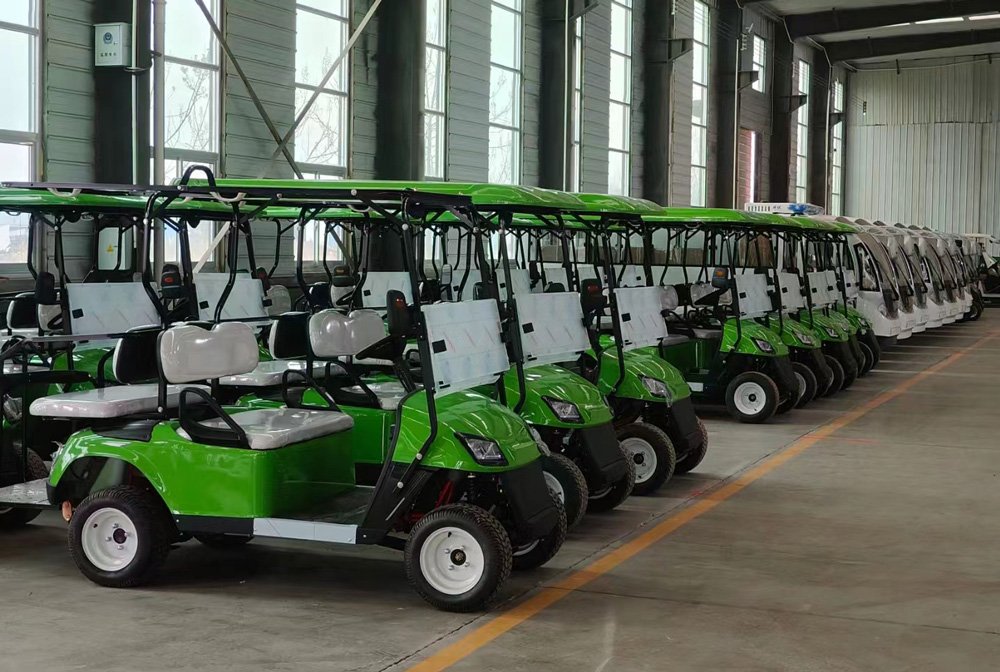
Customized Golf Cart End-to-End OEM/ODM Solutions
GT Golf Cart offers customized cooperation models covering product conceptualization through mass production. With over 12 years of experience in electric vehicle manufacturing, the company supports businesses seeking tailored vehicle solutions for different market positions and commercial requirements.
OEM cooperation is suitable for businesses that already have product specifications or a defined design direction. ODM cooperation can be relevant when a buyer needs greater support with product development and design decisions.
Project scope can be adapted to business objectives, prototype requirements, and mass-production plans. For a customized cart program, discuss wheel and tire specifications together with the vehicle’s suspension, body design, passenger capacity, and intended use.
Explore GT Golf Cart OEM/ODM Solutions
Choose a Golf Cart Configuration for Your Market
GT Golf Cart’s product range covers different vehicle configurations and applications. Buyers planning a complete cart package can review the relevant categories before defining the wheel specification.
- 2 Passenger Golf Cart – Suitable for compact personal and resort transportation applications.
- 4 Passenger Golf Cart – A practical configuration for family, hospitality, and general passenger use.
- 6 Passenger Golf Cart – Relevant for group transportation and larger properties.
- Commercial Golf Cart – Designed for business and operational applications where reliability and serviceability matter.
- Custom Golf Cart – For buyers developing a more distinctive vehicle configuration.
- Electric Golf Cart – For businesses comparing electric vehicle options.
When developing a custom vehicle, we recommend confirming the wheel and tire package during the engineering stage rather than treating it as a final cosmetic accessory. This makes it easier to check clearance, vehicle stance, load requirements, and overall appearance before production.
Businesses comparing international sourcing options can also review our guide to golf cart manufacturers in China and our overview of golf carts made in America.
10. Expert Recommendation: Which Custom Golf Cart Rim Supplier Should You Contact First?
The right shortlist depends on what you are buying. There is little value in contacting a private-label manufacturing partner if you only need four replacement rims. Equally, selecting a retail aftermarket brand may not solve the needs of a business that wants its own wheel design, logo, and repeatable wholesale production.
Our Practical Sourcing Recommendations
- For personal cart owners: Start with a reputable aftermarket wheel brand and confirm exact fitment before purchasing. A complete wheel-and-tire package can reduce compatibility mistakes.
- For golf cart dealers: Compare HPD, Excel, STEELENG, and MODZ based on dealer availability, product range, warranty, and replacement supply.
- For utility and OEM applications: Include Martin Wheel in the evaluation and prioritize load suitability, engineering information, and application support.
- For private-label brands: Evaluate Custom Wheel Solutions and other qualified OEM partners. Confirm factory identity, tooling terms, design ownership, production controls, and inspection requirements.
- For complete golf cart manufacturers: Integrate rim selection into vehicle development. The wheel should be validated against the tire, suspension, hub, and vehicle load—not selected independently.
Our final position: The best custom golf cart rim manufacturer is the supplier that can consistently deliver the correct specification for your application, not simply the company with the most attractive catalog. For a wholesale or OEM program, factory transparency, sample approval, fitment documentation, and quality control should carry more weight than a small difference in unit price.
11. Frequently Asked Questions About Custom Golf Cart Rim Manufacturers
1. Who are the top custom golf cart rim manufacturers?
Companies and brands worth evaluating include HPD Wheels, Excel Tire & Wheel, Martin Wheel, STEELENG, and MODZ, along with custom wheel sourcing partners such as Custom Wheel Solutions. They have different business models, so buyers should confirm whether a supplier is the actual factory, a product brand, or a distributor.
2. What is the best material for custom golf cart rims?
Aluminum alloy is a common choice for aftermarket golf cart rims because it supports a wide range of designs and finishes. Steel can be appropriate for cost-sensitive or utility applications. The best choice depends on the required load rating, manufacturing process, operating conditions, and budget.
3. What size rims are available for golf carts?
Common aftermarket golf cart rim diameters include 8, 10, 12, and 14 inches, with larger options available in some product ranges. The correct size depends on the tire, suspension, body clearance, and vehicle configuration. Always check the approved tire-width range and fitment specifications.
4. Can I install custom rims on any golf cart?
No. Fitment depends on bolt pattern, wheel width, offset, center bore where applicable, and tire clearance. Golf cart make, model, year, suspension, and lift configuration can all affect compatibility. Confirm the exact specifications before ordering.
5. Are custom golf cart rims suitable for lifted carts?
Some custom rims are designed for lifted carts, but not every aftermarket wheel is suitable. Larger tires and different offsets can affect clearance and vehicle handling. Ask the manufacturer or a qualified installer to confirm the complete wheel-and-tire combination for the lift kit and suspension.
6. What is the difference between a golf cart rim manufacturer and an aftermarket brand?
A manufacturer designs or produces the wheel, while an aftermarket brand may develop product specifications and sell wheels produced by manufacturing partners. Some companies perform both roles. For OEM sourcing, ask who owns the design, controls production, performs inspections, and handles warranty claims.
7. Can golf cart rim manufacturers provide private-label products?
Some suppliers and custom wheel partners may support private-label programs, but availability depends on design complexity, tooling, order quantity, and production capacity. Confirm logo placement, center-cap options, packaging, intellectual property, MOQ, and sample approval requirements before proceeding.
8. What should I include in a golf cart rim RFQ?
Include the wheel diameter, width, bolt pattern, offset, material, finish, load requirement, target quantity, intended golf cart model, tire specification, packaging needs, and delivery destination. If you need a custom design, provide drawings or reference images and clarify whether tooling is required.
9. Are larger golf cart rims better?
Not automatically. Larger rims can change the vehicle’s appearance and allow different tire combinations, but they do not guarantee better performance. The complete tire diameter, wheel width, suspension clearance, load rating, and intended driving surface matter more than rim diameter alone.
10. Should I buy rims separately or as a wheel-and-tire package?
For most individual owners and small dealers, a compatible wheel-and-tire package is convenient because fitment can be checked as a complete assembly. For OEM and wholesale buyers, sourcing rims and tires separately may provide more control, but the engineering team must verify compatibility before production.
11. What is the most important factor when choosing a golf cart rim supplier?
Fitment and product quality should come first. After that, compare manufacturing transparency, quality control, warranty, availability, customization options, and total landed cost. A low quotation is not attractive if the supplier cannot provide consistent specifications or reliable replacement stock.
12. References
The following company resources provide background on selected wheel manufacturers and brands discussed in this guide. Product ranges and manufacturing arrangements can change; confirm current specifications and commercial terms directly with each supplier.
- HD Golf Wheels – Official Golf Cart Wheel Collection. Product information covering custom golf cart wheel styles and fitment for major cart platforms.
- Excel Tire & Wheel – Company and Manufacturing Information. Company information describing its specialty tire, tube, and wheel business, including golf cart applications.
- Martin Wheel – About and Manufacturing Capabilities. Company information on industrial and specialty wheel production, including golf cart applications.
About GT Golf Cart
GT Golf Cart specializes in electric golf carts and customized vehicle solutions. For businesses developing a custom golf cart, OEM project, or private-label vehicle program, the team can discuss requirements from product concept through manufacturing. Visit the GT Golf Cart OEM/ODM solutions page to learn more.