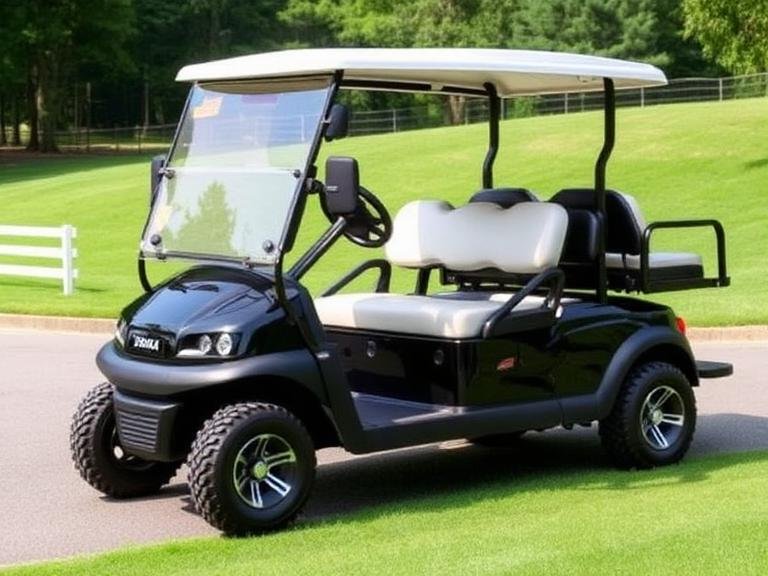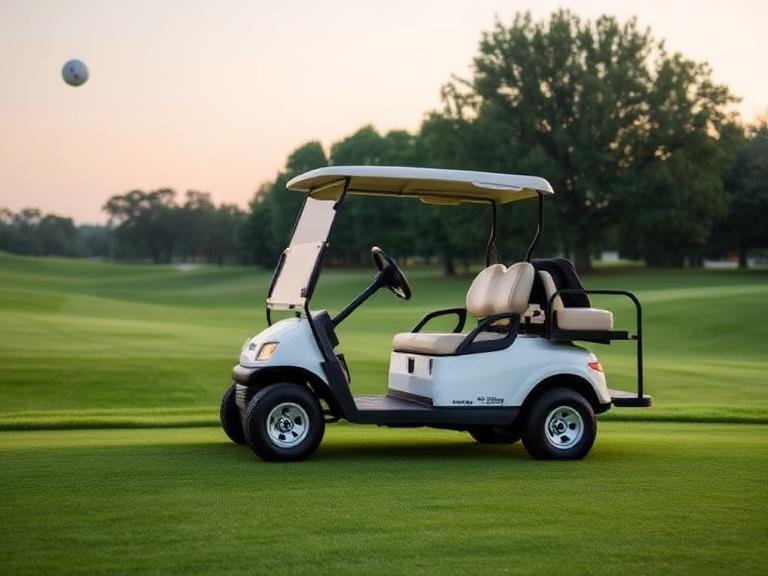
If you are searching for Club Car golf cart factories, the first thing to understand is that Club Car is a specific golf cart brand, not a generic name for every golf cart manufacturer. Club Car identifies its headquarters and main manufacturing facilities in Evans, Georgia, and says some vehicles for the Asia-Pacific market are manufactured in Wujiang, China. Buyers looking for factory-direct alternatives should compare other established manufacturers separately rather than assuming they are Club Car production sites.
That distinction matters when you are sourcing carts for a golf course, resort, dealership, residential community or commercial fleet. A genuine Club Car vehicle, an independent golf cart brand and an OEM/ODM-built cart can all serve similar applications, but they differ in factory ownership, design, parts availability, warranty arrangements and customization options.
Quick Answer: Which factories and manufacturers should you compare?
For genuine Club Car vehicles, start with Club Car’s confirmed manufacturing operations in Evans, Georgia, and Wujiang, China. For alternatives, compare major manufacturers such as Textron Specialized Vehicles (E-Z-GO and Cushman), Yamaha Golf-Car, GT Golf Cart, Star EV, Garia, Melex, Columbia Vehicle Group, HDK and Marshell.
These are ten manufacturers or manufacturing businesses to evaluate, not ten Club Car-owned factories. If your priority is an authentic Club Car, buy through its authorized dealer network. If you need private-label production, customized seating, fleet configurations or factory-direct OEM/ODM cooperation, compare independent manufacturers on engineering capability, production quality and after-sales support.
Quick Summary: 10 Golf Cart Manufacturers and Factory Options
| Manufacturer | Country / Main base | Market position | Best fit for | Important sourcing point |
|---|---|---|---|---|
| Club Car | United States; Evans, Georgia, with some Asia-Pacific production in Wujiang, China | Established golf and utility vehicle brand | Golf courses, resorts and buyers seeking genuine Club Car vehicles | Use authorized channels to confirm model origin, warranty and parts support |
| Textron Specialized Vehicles | United States; Augusta, Georgia | Parent business for E-Z-GO and Cushman | Golf fleets, industrial utility and commercial transport | Compare E-Z-GO and Cushman product lines by application |
| Yamaha Golf-Car | Japan / United States operations | Major global golf car manufacturer | Golf courses and private users | Confirm the model, powertrain and local dealer coverage |
| GT Golf Cart | China | Electric golf cart and low-speed vehicle manufacturer | OEM/ODM projects, multi-passenger carts and export orders | Review customization scope, samples and production quality controls |
| Star EV | United States; Simpsonville, South Carolina | Golf, passenger and utility electric vehicles | Resorts, campuses and commercial transport | Check service coverage and configuration-specific parts availability |
| Garia | Denmark | Premium and luxury golf cars | Luxury resorts, private estates and premium transport | Expect a premium product and assess whether its features justify the cost |
| Melex | Poland | Industrial and utility electric vehicles | Municipal, commercial and institutional fleets | Compare vehicle homologation and local service requirements |
| Columbia Vehicle Group | United States | Industrial and commercial electric vehicles | Facilities, warehouses and utility applications | Distinguish utility vehicle specifications from golf-course carts |
| HDK | China | Electric golf and utility vehicles | Export distributors and fleet buyers | Verify factory identity, parts support and compliance for destination markets |
| Marshell | China | Electric vehicles and sightseeing / utility carts | Tourism, public-service and commercial fleet projects | Validate the exact vehicle configuration and export documentation |
This shortlist is designed for supplier evaluation, not as a claim that all ten companies manufacture Club Car-branded vehicles. Manufacturing locations, ownership structures and available models can change. Before placing an order, confirm the current factory and product information directly with the manufacturer.Table of Contents
- What does “Club Car golf cart factory” actually mean?
- Where are genuine Club Car golf carts manufactured?
- 10 popular golf cart manufacturers and factory options
- Factory and manufacturer comparison
- Factory-direct, dealer and OEM/ODM sourcing compared
- How to evaluate a golf cart factory
- Cost-benefit analysis for wholesale buyers
- Why consider GT Golf Cart?
- Common sourcing mistakes
- Frequently asked questions
- References
What Does “Club Car Golf Cart Factory” Actually Mean?
The phrase “Club Car golf cart factories” can describe two different searches. One is looking for the actual factories that manufacture Club Car-branded vehicles. The other is looking for golf cart factories comparable to Club Car that can supply complete vehicles, wholesale orders or customized models.
These are not the same purchasing requirement. Club Car is a defined manufacturer and brand. Its authorized dealers sell and support genuine Club Car products, while independent factories manufacture their own brands or provide OEM/ODM products under agreed commercial arrangements. A factory that produces a golf cart with a similar body style is not automatically a Club Car factory or an authorized Club Car supplier.
How golf cart manufacturing works
A golf cart factory typically coordinates frame and chassis production, body panels, suspension, steering, braking, motor and controller integration, battery installation, wiring, seating, finishing and final inspection. Some manufacturers produce major components in-house; others source motors, controllers, batteries, tires and electronic systems from specialist suppliers.
For a buyer, the key question is not whether every component comes from one building. It is whether the manufacturer controls the design, supplier qualification, assembly process, quality inspection and traceability of the finished vehicle. A capable factory should be able to explain which operations it performs and which components are sourced from partners.
Benefits and limitations of buying directly from a factory
- Benefits: Direct technical communication, access to configuration options, volume pricing discussions and the possibility of OEM/ODM development.
- Limitations: Minimum order quantities, longer shipping lead times, import responsibilities and the need to independently assess factory quality.
- Best suited to: Dealers, fleet operators, resorts, vehicle brands and importers with repeat purchasing needs.
- Not always necessary for: Individual buyers who need one replacement cart and prefer local servicing, financing and dealer warranty support.
Where Are Genuine Club Car Golf Carts Manufactured?
Club Car’s published FAQ identifies its corporate headquarters and manufacturing facilities in Evans, Georgia, USA. The same FAQ states that most vehicles are assembled at the headquarters and that some vehicles for the Asia-Pacific market are manufactured in Wujiang, China. This is the most important distinction for anyone specifically researching genuine Club Car production locations.
In practical terms, buyers should not assume that every Club Car model sold in every country comes from the same factory. Ask the authorized dealer or Club Car representative to confirm the manufacturing origin of the specific model and its market configuration. This is particularly important when you are buying a fleet, importing vehicles or comparing warranty and parts arrangements across regions.
Important clarification: The ten companies in this guide are manufacturers or manufacturing businesses to compare in the wider golf cart market. They are not ten Club Car factories. If the purchase contract requires genuine Club Car vehicles, verify the brand, serial numbers, dealer authorization and warranty directly through Club Car’s official channels.
10 Popular Golf Cart Manufacturers and Factory Options
1. Club Car – Evans, Georgia, USA, and Wujiang, China
Club Car is one of the established names in golf and utility vehicles. Its product portfolio serves golf courses, resorts, residential users and commercial applications. The company’s published manufacturing information identifies Evans, Georgia, as its headquarters and main manufacturing location, with some vehicles for Asia-Pacific markets manufactured in Wujiang, China.
Best for: Buyers who specifically want genuine Club Car carts, established product platforms and access to the brand’s dealer and service network.
What to verify: Model-specific manufacturing origin, serial number, warranty coverage, parts availability and authorized dealer status. For used vehicles, inspect the chassis, battery system, controller, steering and service history rather than relying on the badge alone.
Our view: If your fleet specification explicitly calls for Club Car, buying through authorized channels is the safest route. An independent OEM cart should be evaluated as an alternative product, not represented as a Club Car.
2. Textron Specialized Vehicles – E-Z-GO and Cushman
Textron, through Textron Specialized Vehicles, supplies E-Z-GO golf cars and Cushman utility vehicles. Its operations are associated with Augusta, Georgia, and the company serves golf, commercial and industrial transportation markets.
Best for: Golf course fleets, industrial facilities, resorts and buyers who need both passenger golf cars and purpose-built utility vehicles.
What to verify: Whether the requirement is a golf car or a Cushman utility platform, along with payload, seating, powertrain, service network and parts support.
Our view: E-Z-GO and Cushman deserve separate consideration. Do not choose a passenger golf car when the actual job requires a cargo bed, higher payload or work-focused vehicle configuration.
3. Yamaha Golf-Car – Global Golf Car Manufacturing
Yamaha Golf-Car is a major competitor in the traditional golf car market. Its range includes vehicles for golf courses and personal use, with electric and gas-powered options depending on model and market.
Best for: Golf course operators and private buyers who want an established manufacturer with a broad product and dealer ecosystem.
What to verify: Powertrain type, battery chemistry, seating configuration, local parts supply and the availability of authorized maintenance.
Our view: Yamaha belongs on any serious comparison list alongside Club Car and E-Z-GO. Compare the actual model and lifecycle costs rather than assuming all three brands have identical equipment or maintenance requirements.
4. GT Golf Cart – China
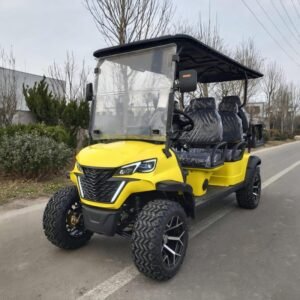
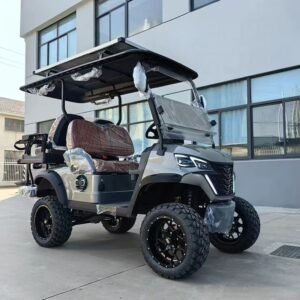
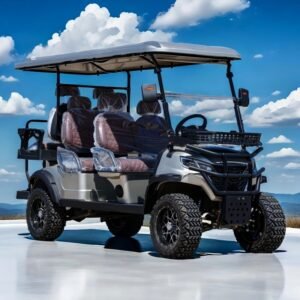
GT Golf Cart focuses on electric golf carts and customized low-speed vehicle solutions for international customers. Its business model includes OEM/ODM collaboration, with services covering product concept development, prototyping, configuration and mass production.
Best for: Importers, distributors, resorts and fleet buyers seeking customized passenger carts, utility vehicles or multi-seat configurations.
What to verify: Factory production scope, chassis materials, battery and motor specifications, quality inspection records, destination-market compliance and spare-parts arrangements.
Our view: GT Golf Cart is worth evaluating when customization and factory coordination matter more than purchasing a legacy brand’s standard catalogue model. The buyer should define acceptance criteria before production and validate a sample or pilot batch.
5. Star EV – Simpsonville, South Carolina, USA
Star EV supplies electric vehicles for passenger transportation, golf and utility applications. Its range is relevant to resorts, campuses, commercial properties and organizations that need more than a conventional two-seat golf car.
Best for: Commercial passenger transport, utility applications and multi-purpose fleet operations.
What to verify: Local service availability, vehicle configuration, battery system, payload, parts supply and support for the intended duty cycle.
Our view: Consider Star EV when the use case includes passenger movement or utility work beyond the golf course. Match the vehicle to the route, passenger load and operating hours.
6. Garia – Denmark
Garia is associated with premium golf cars and luxury low-speed vehicles. Its positioning is different from a price-led fleet cart manufacturer, with an emphasis on design, comfort, finish and upscale applications.
Best for: Luxury resorts, private estates, premium communities and buyers who place a high value on styling and interior presentation.
What to verify: Total ownership cost, regional support, customization scope, service parts and whether premium features create measurable value for the intended user.
Our view: Garia makes sense when the vehicle is part of a premium guest or ownership experience. It is harder to justify for a cost-sensitive golf course fleet where durability, utilization and service cost dominate the decision.
7. Melex – Poland
Melex has a long-standing presence in electric utility and transport vehicles, including passenger and cargo configurations. Its products are relevant to institutional, municipal and commercial users who need compact electric transportation.
Best for: European buyers, municipalities, industrial facilities and organizations with passenger or cargo transport needs.
What to verify: Vehicle category, road-use or homologation requirements, payload, operating range and local maintenance capability.
Our view: Melex should be evaluated as a broader light electric vehicle supplier, not only as a golf cart brand. That distinction matters when your operation needs cargo capacity or site transportation.
8. Columbia Vehicle Group – United States
Columbia Vehicle Group is associated with commercial and industrial electric vehicles. Its product focus is particularly relevant to workplaces and facilities where utility performance and daily operation matter more than golf-course styling.
Best for: Industrial campuses, warehouses, commercial facilities and utility transport applications.
What to verify: Payload, cargo configuration, duty cycle, charging arrangements and the service support available near the operating site.
Our view: If the cart is primarily a work vehicle, compare Columbia’s utility-oriented offerings rather than limiting the search to traditional golf car brands.
9. HDK – China
HDK is a supplier of electric golf and utility vehicles for international markets. Buyers may consider it when comparing export-oriented vehicle options and different passenger or utility configurations.
Best for: Importers, dealers and fleet buyers comparing electric golf carts and utility vehicles.
What to verify: The legal manufacturing entity, factory address, production process, component brands, warranty arrangements and destination-market documentation.
Our view: Treat factory verification as a required procurement step. A sales office, exporter and production facility may be different entities, so confirm who is responsible for manufacturing and warranty obligations.
10. Marshell – China
Marshell supplies electric vehicles and related products for sightseeing, passenger transportation, utility and other commercial uses. Its range is relevant to buyers looking for fleet-style electric vehicles for tourism and public-service environments.
Best for: Sightseeing operators, resorts, commercial facilities and fleet buyers evaluating export-oriented electric vehicles.
What to verify: Vehicle dimensions, passenger capacity, battery specifications, braking system, local compliance and availability of service components.
Our view: Compare Marshell on the complete vehicle specification and support plan. For a resort fleet, a suitable passenger shuttle configuration may be more useful than a golf cart with cosmetic upgrades.
Factory and Manufacturer Comparison: Which Supplier Should You Shortlist?
| Buyer requirement | Recommended shortlist | Why these options fit | Critical decision factor |
|---|---|---|---|
| Genuine Club Car vehicles | Club Car and authorized dealers | Authentic brand, official product support and parts channel | Verify serial number, dealer authorization and warranty |
| Traditional golf course fleet | Club Car, E-Z-GO, Yamaha | Established golf car product platforms and dealer ecosystems | Fleet uptime, maintenance cost and parts availability |
| Customized OEM/ODM vehicles | GT Golf Cart and qualified export manufacturers | More flexibility in seating, body, powertrain and branding | Engineering capability, sample validation and production control |
| Luxury resort transportation | Garia, Club Car and selected premium configurations | Passenger comfort, appearance and guest experience | Lifecycle cost versus premium positioning |
| Industrial utility work | Cushman, Columbia, Melex and Star EV | Work-oriented vehicle and cargo configurations | Payload, terrain, duty cycle and serviceability |
| Export and distributor sourcing | GT Golf Cart, HDK and Marshell | Options for commercial quotations and export configurations | Factory identity, compliance, logistics and spare parts |
Factory-Direct, Dealer and OEM/ODM Sourcing Compared
Buyers often use the words factory, manufacturer, supplier and dealer as if they mean the same thing. They do not. Understanding the difference helps avoid purchasing disputes and makes it easier to compare quotations accurately.
| Supply channel | Main advantage | Main limitation | Best buyer |
|---|---|---|---|
| Brand factory / official manufacturer | Direct brand product and official manufacturing support | May sell through authorized dealers rather than direct retail | Buyers requiring a specific established brand |
| Authorized dealer | Local delivery, warranty handling, parts and service | Less flexibility for custom vehicle design | Individual buyers and local fleet operators |
| Independent factory | Potentially flexible configurations and commercial pricing | Requires independent factory and quality verification | Importers, distributors and fleet procurement teams |
| OEM manufacturer | Builds vehicles to a buyer’s specifications or brand requirements | Buyer must define specifications and approve samples | Brands and businesses developing their own vehicle range |
| ODM manufacturer | Can provide an existing design or platform for adaptation | Customization may be limited by the base platform | Businesses seeking a faster route to a differentiated product |
For one or two carts, a local authorized dealer is usually the sensible choice. You gain access to local servicing and a clearer warranty route. For a fleet of standard branded carts, compare official dealer quotations and lifecycle costs. For a private-label vehicle range or a customized resort fleet, direct OEM/ODM discussions can create more value.
How to Evaluate a Golf Cart Factory Before Placing an Order
A factory visit can be useful, but it is not enough by itself. A clean showroom does not prove that the manufacturer has consistent production controls. Ask for evidence that connects the factory’s engineering, assembly, testing and after-sales processes.
1. Verify the legal manufacturer and production address
Ask for the company’s registered name, manufacturing address and a clear description of which operations take place at that facility. If the supplier uses a trading company or export agent, identify the actual manufacturer and clarify who will be responsible for warranty claims.
2. Inspect the chassis and structural design
Ask about chassis material, corrosion protection, weld quality, frame design and load ratings. For carts used outdoors or in coastal environments, corrosion resistance deserves particular attention. Request photographs or inspection records from actual production units rather than relying only on catalogue images.
3. Compare motor, controller and battery systems
Confirm motor type, rated power, controller brand and specifications, battery chemistry, battery capacity and charging system. Lithium batteries may reduce maintenance requirements compared with conventional lead-acid systems, but the battery pack, BMS, charger and warranty must be evaluated together.
4. Check braking, steering and suspension
Do not treat these as secondary features. Braking performance, steering components, suspension design, tire specification and vehicle weight affect safety, comfort and operating life. Ask the supplier how the vehicle is tested under its intended passenger or payload conditions.
5. Request quality inspection and test records
Ask how each vehicle is inspected before shipment. A suitable quality plan may include checks of electrical wiring, torque-critical fasteners, brake function, steering, lighting, charging, water ingress protection where applicable and a functional road test. Agree on measurable acceptance criteria in the purchase contract.
6. Verify compliance for the destination market
A golf cart intended for private property is not automatically approved for public-road use. If you need a street-legal low-speed vehicle, confirm the relevant vehicle classification, lighting, mirrors, seat belts, braking requirements, speed limits and local registration rules. Requirements differ by jurisdiction and vehicle category.
7. Confirm parts and after-sales support
Ask for a spare-parts list, recommended maintenance schedule, warranty policy and technical support process. For fleet buyers, parts availability can determine whether a minor failure becomes a short repair or several weeks of downtime.
8. Test a sample or pilot batch
For wholesale and OEM orders, a sample or pilot batch is one of the most useful risk-control measures. Test the cart under realistic terrain, passenger load, charging schedule and operating hours. Document any issues and agree on corrective actions before mass production.
Factory evaluation rule: Do not approve a supplier because it offers a low quotation or claims to have a large factory. Approve it because the vehicle specification is clear, the production process is verifiable, the sample passes your tests and the after-sales arrangement is commercially workable.
Cost-Benefit Analysis: Is Factory-Direct Golf Cart Sourcing Worth It?
Factory-direct sourcing can reduce the number of commercial intermediaries, but it does not guarantee the lowest total cost. Buyers must account for freight, import duties, inland transport, inspection, spare parts, warranty handling, local compliance and the cost of keeping vehicles operational.
For golf cart dealers
Dealers should compare wholesale acquisition cost with expected retail margin, inventory turnover, floor-plan financing, service revenue and warranty exposure. A low-cost cart that creates frequent service problems can damage dealer reputation and consume workshop capacity. Review our analysis of golf cart dealer profit margins when building a realistic business model.
For golf course and resort operators
Fleet buyers should calculate total cost per operating year, not just the purchase price. Include battery replacement, scheduled maintenance, tire and brake wear, downtime and parts availability. A standard two-seat cart may be appropriate for course operations, while a resort transporting guests may need a six-passenger electric golf cart or a larger shuttle configuration.
For importers and private-label brands
OEM/ODM sourcing can provide a stronger fit when you need a distinct product configuration or your own brand identity. However, customization adds engineering, sample, tooling and validation costs. It is worth doing when the differentiated product has a clear market, not simply because a supplier offers customization.
For buyers entering the category, compare single golf cart companies and review golf cart dealers around the world to understand the difference between factory supply and local retail support.
Which Golf Cart Configuration Should You Source?
Before contacting a factory, decide how the cart will be used. Passenger capacity, cargo requirements, terrain and road-use regulations determine the platform you need. Avoid asking a manufacturer for a generic “golf cart quotation” when you can provide a precise configuration.
| Configuration | Best application | What to confirm |
|---|---|---|
| 2-seater golf cart | Golf course use, personal transport and compact communities | Range, storage, comfort and turning radius |
| 4-seater golf cart | Families, resorts and residential communities | Seat layout, rear-facing seat safety and load capacity |
| 6-seater golf cart | Guest transport, larger families and group movement | Passenger capacity, braking, motor performance and wheelbase |
| 8-seater golf cart | Resorts, campuses and shuttle applications | Vehicle dimensions, route width, passenger restraints and local classification |
| Utility golf cart | Maintenance teams, facilities and light cargo work | Payload, cargo bed, suspension and tire specification |
If your project involves compact vehicles, compare mini golf cart manufacturers and small golf carts for adults. For specialist applications, it may also be useful to compare four-seat utility golf carts, off-road golf cart manufacturers and luxury golf cart manufacturers.
Why Consider GT Golf Cart for Customized Manufacturing?
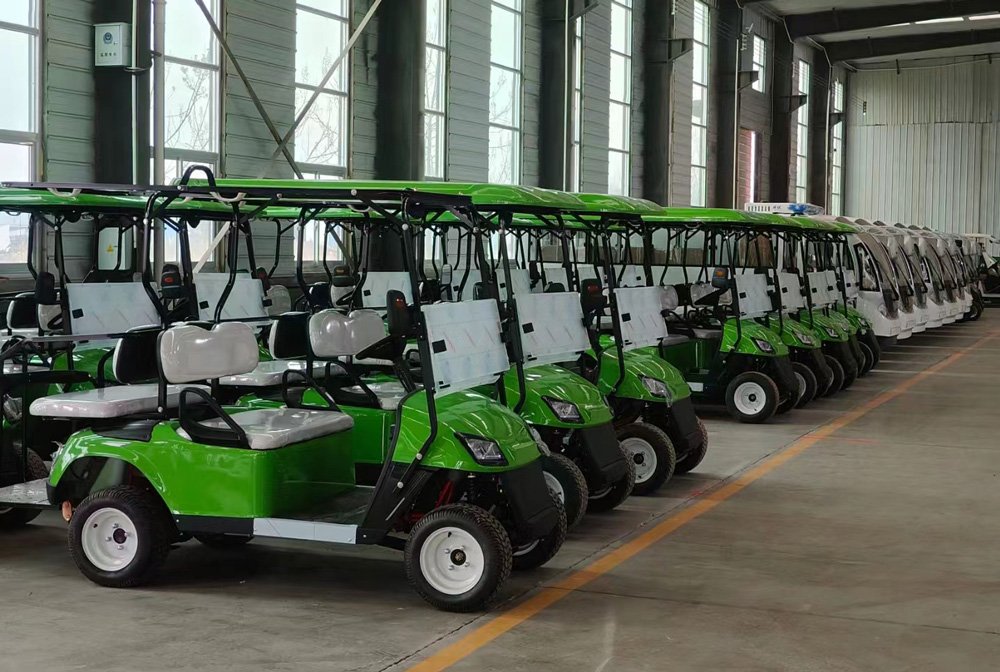
GT Golf Cart – Customized Golf Cart End-to-End Solutions
GT Golf Cart specializes in electric golf carts and provides OEM/ODM collaboration for businesses seeking tailored vehicle solutions. Its stated service scope covers product conceptualization, prototype development and mass production.
With more than 12 years of electric vehicle manufacturing experience, GT Golf Cart works with businesses to align vehicle configuration and production plans with their market positioning and commercial requirements.
Explore GT Golf Cart OEM/ODM services
For distributors, resorts and fleet operators, customization is valuable when it solves a real operational problem. Examples include selecting a passenger layout, adapting the body design, choosing a battery configuration, specifying tires for a particular terrain or developing a vehicle around a commercial branding requirement.
GT Golf Cart’s end-to-end OEM/ODM approach is worth discussing when your project requires more than a standard off-the-shelf cart. The right starting point is a written technical brief covering passenger capacity, maximum payload, target speed, expected range, terrain, battery chemistry, charging conditions, dimensions, safety equipment and destination-market requirements.
We recommend requesting a detailed quotation and prototype plan before committing to production. Ask which components are standard, which are customized, how engineering changes are approved and what inspection records will be supplied with each production batch. These details help turn a general customization discussion into a controlled manufacturing project.
Common Mistakes When Searching for Club Car Golf Cart Factories
Mistake 1: Treating every golf cart factory as a Club Car factory
Club Car is a specific brand. Other manufacturers produce their own vehicles, even when their carts have similar seating layouts or styling. If you need a genuine Club Car, verify the source through official channels.
Mistake 2: Confusing a dealer with a factory
A dealer may sell, service or customize vehicles without manufacturing the base cart. Ask who builds the chassis, assembles the vehicle and provides the warranty. This is especially important when a supplier advertises factory-direct pricing.
Mistake 3: Comparing prices without matching specifications
A four-seat cart with lead-acid batteries is not directly comparable to a four-seat cart with a lithium battery pack, different motor power and additional safety equipment. Create one specification sheet and ask every supplier to quote against it.
Mistake 4: Ignoring parts availability
A low purchase price loses its appeal when replacement controllers, body panels or brake components take too long to arrive. Ask for a parts catalogue and identify local service arrangements before buying.
Mistake 5: Assuming all carts are street legal
Golf carts and low-speed vehicles may be subject to different regulations. Confirm the vehicle classification and local legal requirements before advertising or operating a cart on public roads.
Mistake 6: Skipping sample inspection for bulk orders
Photos and specification sheets cannot replace physical inspection. Test a sample or pilot batch, document any defects and agree on corrective actions before approving mass production.
Expert Recommendation: Which Factory Should You Choose?
Our recommendation depends on what you are actually buying:
- If you need genuine Club Car vehicles: Work with Club Car or an authorized dealer and verify the exact model, serial number, origin and warranty.
- If you are replacing a golf course fleet: Compare Club Car, E-Z-GO and Yamaha on maintenance history, dealer support, battery options and total operating cost.
- If you need customized electric carts: Evaluate GT Golf Cart and other qualified OEM/ODM manufacturers on engineering capability, prototype quality and production controls.
- If you need luxury guest transport: Compare premium configurations from Garia and established brands against the actual service experience you want to deliver.
- If you need industrial or utility vehicles: Include Cushman, Columbia, Melex and Star EV rather than limiting the shortlist to traditional golf carts.
- If you are importing from overseas: Verify the legal manufacturer, export documents, compliance, shipping terms, spare parts and warranty responsibilities.
The best factory is not necessarily the largest or cheapest. It is the one that can build the vehicle you specified, demonstrate consistent quality and support the cart throughout its operating life. That is the standard we recommend for every serious fleet or wholesale purchase.
Frequently Asked Questions About Club Car Golf Cart Factories
1. Where are Club Car golf carts manufactured?
Club Car identifies its headquarters and manufacturing facilities in Evans, Georgia, USA. Its published FAQ also states that some vehicles for the Asia-Pacific market are manufactured in Wujiang, China. Confirm the origin of a specific model with Club Car or an authorized dealer.
2. Are there ten Club Car golf cart factories?
This guide does not identify ten Club Car-owned factories. It compares Club Car’s published manufacturing locations with nine other golf cart manufacturers or manufacturing businesses. Those companies make their own brands or vehicles and should not be described as Club Car factories.
3. Who are the main competitors to Club Car?
Major competitors include E-Z-GO from Textron Specialized Vehicles and Yamaha Golf-Car. Depending on the application, buyers may also compare GT Golf Cart, Star EV, Garia, Melex, Columbia Vehicle Group, HDK and Marshell.
4. Can I buy genuine Club Car golf carts directly from a factory?
Club Car uses an authorized dealer network for sales and support. Contact Club Car or an authorized dealer to confirm purchasing arrangements, model availability, warranty and service coverage. Be cautious of sellers claiming to offer genuine factory-direct vehicles without verifiable authorization.
5. What is the difference between Club Car and an OEM golf cart manufacturer?
Club Car is an established vehicle brand with its own product platforms and authorized support network. An OEM manufacturer builds vehicles to a customer’s agreed specification or branding requirements. OEM products may offer more configuration flexibility, but buyers must independently verify quality, compliance and after-sales support.
6. What should I check before choosing a golf cart factory?
Verify the legal manufacturer and factory address, chassis and component specifications, battery and motor systems, safety equipment, quality inspection process, destination-market compliance, spare-parts availability, warranty and production lead time. For bulk orders, inspect samples before mass production.
7. Is factory-direct golf cart purchasing cheaper?
It can reduce intermediary costs for some wholesale or OEM orders, but the total cost also includes freight, import duties, inspection, local delivery, spare parts and warranty handling. For an individual buyer, a local authorized dealer may offer better overall value through service and support.
8. Can GT Golf Cart customize golf carts for overseas buyers?
GT Golf Cart offers OEM/ODM collaboration, including services from product conceptualization and prototype development to mass production. Buyers should provide a detailed technical brief and confirm customization scope, samples, compliance documents, quality checks and production terms before ordering.
References
- Club Car – Official Frequently Asked Questions. Company information on its headquarters, manufacturing facilities and vehicle production locations.
- Textron – Corporate Website. Corporate information on Textron and its specialized vehicle businesses, including E-Z-GO and Cushman.
- National Highway Traffic Safety Administration – Interpretations and Vehicle Safety Information. U.S. government resource for researching vehicle classification and applicable federal safety requirements.