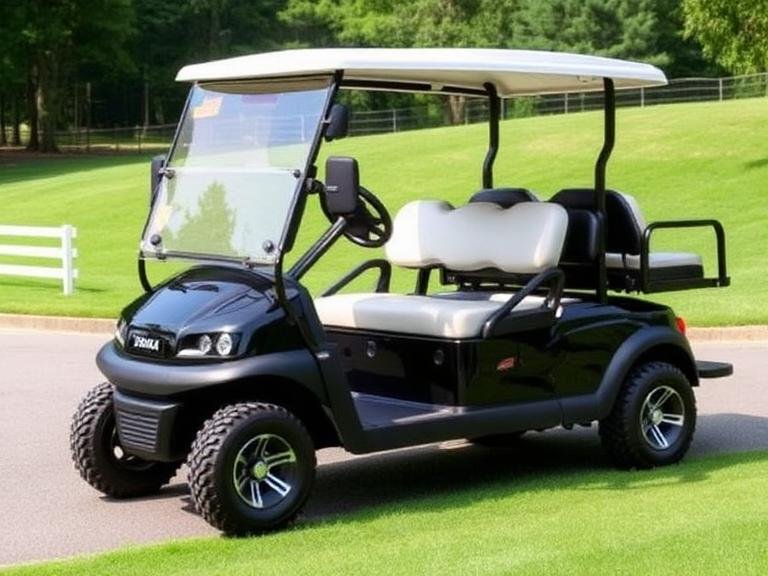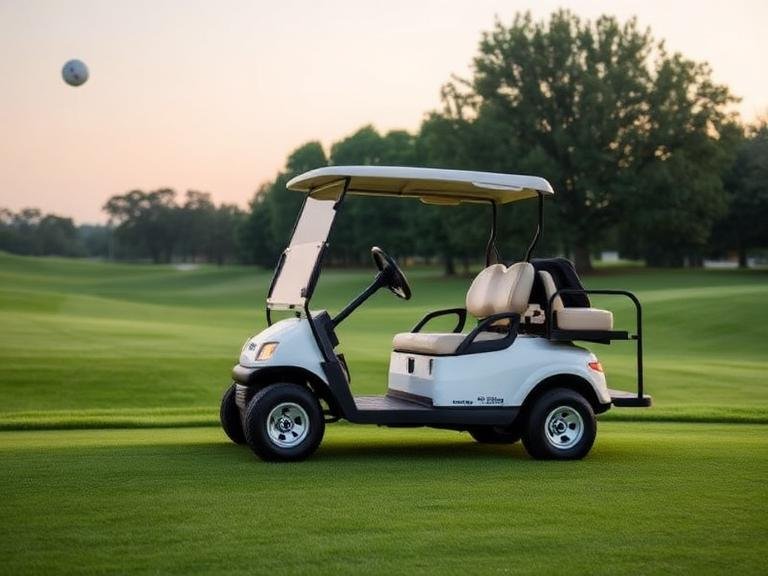
The global transition toward low-speed electric vehicles has fundamentally transformed the micro-mobility sector. Entrepreneurs and investors closely monitoring this space frequently ask us: How much do golf cart dealers make? The answer in 2026 is vastly different than it was a decade ago. At GT Golf Cart, a professional manufacturer specializing in electric golf carts, sightseeing vehicles, and low-speed electric vehicles, we have spent over 12 years observing, supplying, and analyzing dealership networks. With our global footprint serving over 40 countries and shipping more than 10 containers monthly, we possess unique, macro-level insights into dealership profitability.

Understanding How much do golf cart dealers make requires a comprehensive look at the modern revenue model. Dealerships no longer survive simply by selling basic models to local country clubs. Today, a successful showroom Floor features highly customized units, from a rugged Off Road Golf Cart to a sophisticated Street Legal Golf Cart. From our experience, the dealers maximizing their profit margins are those who strategically diversify their inventory and build robust aftermarket service departments. In this authoritative guide, we will break down the exact economic drivers of the industry, analyze profit margins across different vehicle classes, and definitively answer the question of How much do golf cart dealers make in the current 2026 economic landscape.
Table of Contents
- 1. 2026 Industry Overview: The Micro-Mobility Boom
- 2. Primary Revenue Streams for Dealerships
- 3. Breaking Down the Numbers: How much do golf cart dealers make?
- 4. Inventory Strategy: Maximizing Profit per Unit
- 5. The GT Golf Cart Manufacturing Advantage
- 6. Summary Table: Dealership Revenue Breakdown
- 7. Frequently Asked Questions (FAQs)
- 8. References
1. 2026 Industry Overview: The Micro-Mobility Boom
To accurately assess How much do golf cart dealers make, one must first understand the current market demand. The 2026 micro-mobility sector is characterized by a massive shift away from internal combustion engines toward pure electric platforms. Communities are actively rewriting zoning laws to accommodate low-speed vehicles (LSVs) for everyday neighborhood transportation. This legislative shift has dramatically expanded the consumer base. Instead of exclusively targeting golfers, modern dealerships are selling directly to families, retirees, and commercial facility managers.
When prospective business owners ask us, How much do golf cart dealers make, we emphasize that the ceiling has been raised by this demographic expansion. A dealership positioned in a master-planned community or near a coastal resort town is no longer selling a seasonal luxury item; they are selling a primary mode of local transportation. This paradigm shift requires dealers to stock highly reliable Electric Golf Cart models that offer enhanced safety features, extended battery ranges, and superior comfort.
2. Primary Revenue Streams for Dealerships
If you want to understand How much do golf cart dealers make, you must look beyond the initial vehicle sale. The most profitable dealerships operate utilizing a multi-tiered revenue model. From our experience, relying solely on front-end vehicle sales is a flawed strategy. We recommend that dealers build their business around four distinct profit centers.
First is the new vehicle sale. This involves moving standard inventory, such as a traditional 2 Passenger Golf Cart or a family-oriented 4 Passenger Golf Cart. The second revenue stream is customization and accessories. Consumers in 2026 demand personalization. Upgrading a base model with premium lithium batteries, lifted suspensions, custom paint, and Bluetooth audio systems can double the gross profit of a single sale. Third is the parts and service department. Routine maintenance, battery replacements, and collision repair provide high-margin, recurring revenue. Finally, the fourth pillar is financing and insurance kickbacks. Dealerships receive substantial commissions for originating loans on high-ticket items like a Luxury Golf Cart.
3. Breaking Down the Numbers: How much do golf cart dealers make?
Let us delve into the exact financial metrics. When analyzing How much do golf cart dealers make, we segment dealerships by size and operational scope. A standard dealership selling between 150 and 300 units annually can expect to generate gross revenues between $1.5 million and $4 million. The gross profit margin on a new Electric Golf Cart typically ranges from 12% to 22%, depending on the manufacturer and the dealer’s purchasing power.
However, when factoring in high-margin accessories and labor, the blended gross margin of a healthy dealership often approaches 30%. Therefore, to answer the question of How much do golf cart dealers make in net profit: a well-managed mid-sized dealership in 2026 can expect to take home a net operating profit of $250,000 to $600,000 annually. Large-scale mega-dealers that move over 1,000 units per year, particularly those securing massive fleet contracts for the Commercial Golf Cart sector, routinely surpass the $1.5 million mark in annual net profit.
4. Inventory Strategy: Maximizing Profit per Unit
A critical factor determining How much do golf cart dealers make is their inventory mix. Stocking the wrong vehicles leads to floorplan interest eating away at profits. We recommend a balanced portfolio that caters to diverse client needs. High-volume, lower-margin items like the standard 2 Passenger Golf Cart are essential for fleet sales to local courses. However, the real profit lies in specialized vehicles.
For example, the Street Legal Golf Cart (often classified as an LSV) commands a premium price due to the required DOT-approved safety features like windshield wipers, seatbelts, and advanced lighting systems. Similarly, the Off Road Golf Cart appeals to hunters and farmers, offering rugged capabilities and higher margins. For the tourism and hospitality sector, stocking a 6 Passenger Golf Cart or an 8 Passenger Golf Cart is mandatory. Resorts and large campuses require these high-capacity vehicles for guest transport, and these commercial buyers typically purchase multiple units simultaneously.
5. The GT Golf Cart Manufacturing Advantage
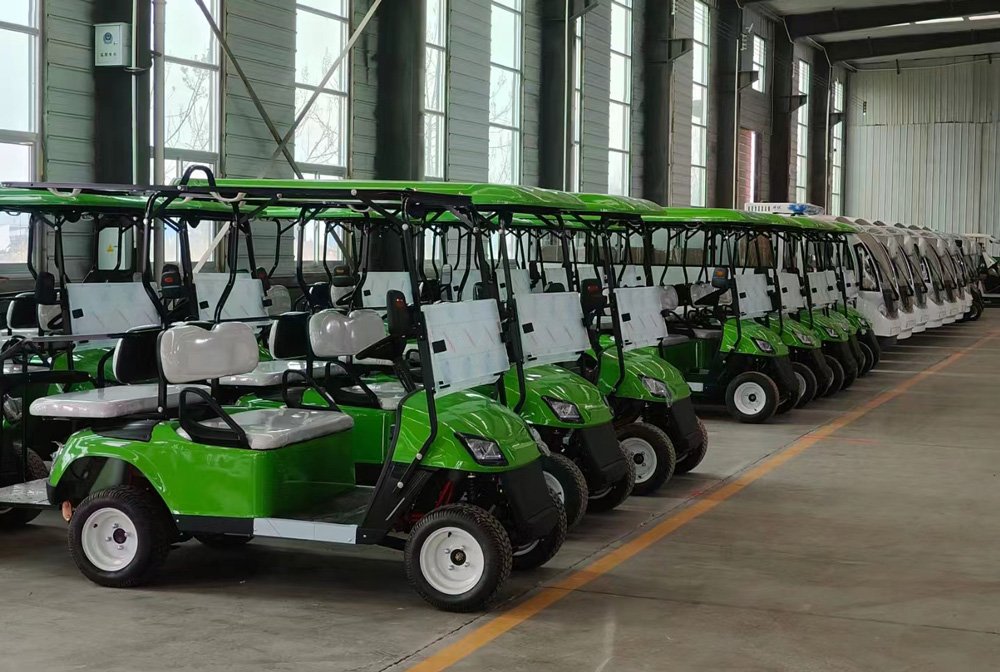
As a global manufacturer, we directly influence How much do golf cart dealers make by providing them with superior, cost-effective inventory. Since our establishment, we have focused on delivering durable, efficient, and customizable electric mobility solutions. With over 12 years of experience and a production capacity that ships 10+ containers monthly, GT Golf Cart ensures our dealer network never suffers from supply chain bottlenecks.
Our expansive product line empowers dealers to capture every segment of the market. If a local theme park requires high-volume transport, our massive 10 Passenger Golf Cart is the ideal solution. If a high-net-worth individual wants neighborhood prestige, our meticulously crafted Luxury Golf Cart delivers unparalleled aesthetics and performance. Furthermore, our dedicated Special Golf Cart division can accommodate highly specific modifications for industrial or security applications. By partnering with GT Golf Cart, dealers secure high-quality inventory at wholesale prices that significantly boost their front-end margins.
6. Summary Table: Dealership Revenue Breakdown
To provide a clear visualization of How much do golf cart dealers make, we have compiled a summary table detailing the average profit margins across different vehicle classes and revenue streams based on 2026 industry data.
| Revenue Source / Vehicle Class | Average Gross Margin (%) | Primary Target Demographic | GT Golf Cart Recommendation |
|---|---|---|---|
| Standard 2 & 4 Passenger Carts | 12% – 18% | Golfers, Small Neighborhoods | Stock high volumes for steady cash flow. |
| Luxury & Street Legal Models | 18% – 25% | High-End Communities, Urban Commuters | Highlight premium finishes and advanced technology. |
| High-Capacity (6, 8, 10 Passenger) | 15% – 22% | Hotels, Resorts, Theme Parks | Target B2B clients for multi-unit fleet sales. |
| Off-Road & Commercial Units | 20% – 28% | Agriculture, Hunting, Facility Management | Demonstrate durability and specific utility features. |
| Parts, Accessories, & Service | 40% – 60% | All Existing Vehicle Owners | Push lithium battery upgrades and custom wheels. |
7. Frequently Asked Questions (FAQs)
8. References
1. Global Micro-Mobility Economic Report 2026. “Dealership Profitability and Market Expansion in the Low-Speed Vehicle Sector.”
2. Electric Vehicle Dealership Association. “Aftermarket Service Margins and Customization Trends in the Golf Cart Industry.”