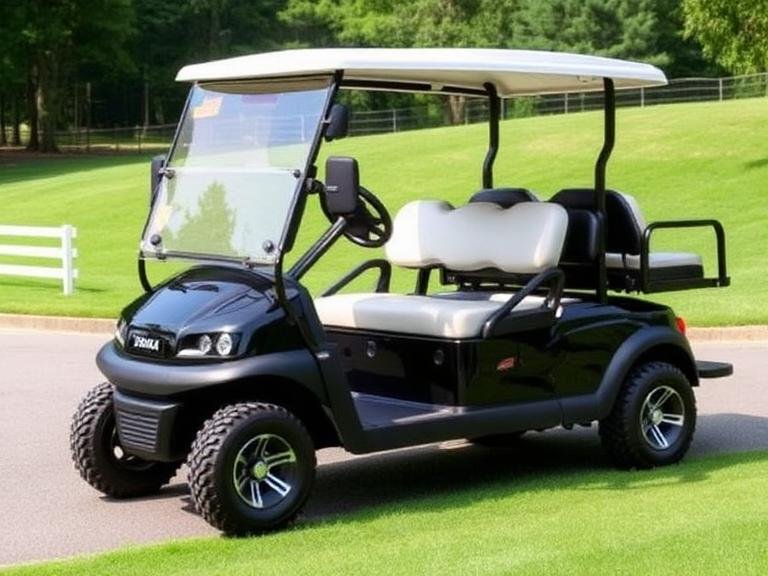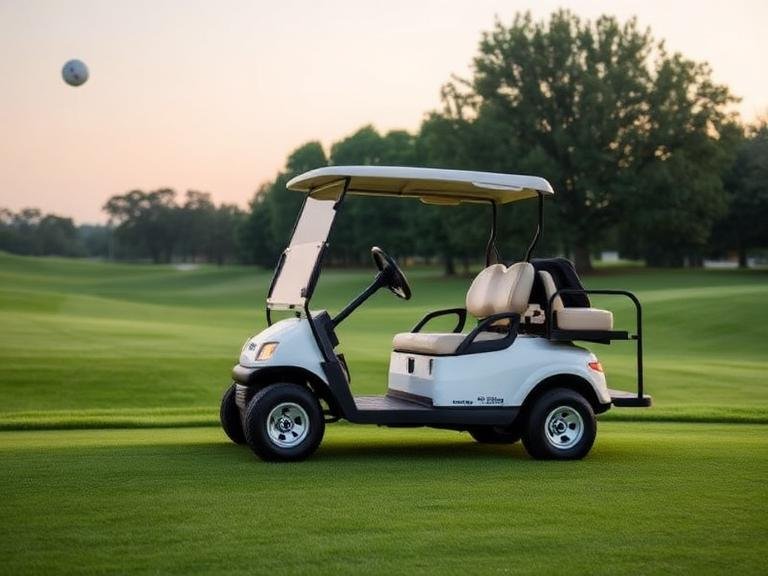
The global low-speed vehicle (LSV) and light electric transport market has shifted dramatically away from basic fairways. Fleet operators, commercial developers, and private buyers who still view golf carts as simple two-passenger utility buggies are setting themselves up for costly procurement mistakes. The modern market is driven by high-voltage lithium battery systems, automotive AC drivetrains, neighborhood electric vehicle (NEV) safety compliance, and commercial fleet telematics. Relying solely on legacy brand recognition without auditing battery chemistry, frame metallurgy, and direct factory customization often leads to excessive dealer markups and long lead-time delays.
Sourcing commercial fleets or neighborhood passenger vehicles requires practical, ground-level manufacturing evaluation. The global landscape of golf cart manufacturing companies splits into three distinct tiers: historical North American legacy conglomerates, European ultra-luxury customizers, and high-efficiency direct OEM/ODM manufacturers capable of agile lithium integration. We evaluate the top twenty manufacturers shaping commercial and personal transport, giving you the technical benchmarks needed to choose the right partner for your operational fleet.
Quick Answer: Who Leads the Global Golf Cart Manufacturing Industry?
The global market is anchored by the historic “Big Three”—Club Car, E-Z-GO (Textron), and Yamaha Golf-Car Company—which collectively control the majority of traditional North American golf course leases. However, commercial resort developers, industrial facilities, and master-planned communities are increasingly turning to specialized lithium and agile OEM manufacturers like GT Golf Cart, ICON EV, Evolution Electric Vehicles, and Star EV. These specialized builders deliver direct lithium iron phosphate (LiFePO4) powertrains, integrated AC motor efficiency, and tailored passenger chassis without the high markup of multi-tiered dealer franchise networks.
Table of Contents
- The Modern Shift in Low-Speed Electric Vehicles
- Quick Summary: The Top 20 Manufacturers at a Glance
- Detailed Breakdown of the Top 20 Golf Cart Manufacturing Companies
- Market Tier Comparison: Legacy Conglomerates vs. Direct OEM Innovators
- Pros and Cons of Sourcing from Legacy Brands vs. Direct Factory OEMs
- Who Needs Franchise Brand Fleets vs. Who Needs Custom OEM Builds
- Featured Direct Manufacturer: GT Golf Cart Custom Mobility Solutions
- Costly Mistakes Fleet Managers Make During Vendor Selection
- Commercial Procurement Criteria Before Signing Supply Contracts
- Expert Recommendation and Purchasing Verdict
- Frequently Asked Questions (FAQ)
- Authoritative References
The Modern Shift in Low-Speed Electric Vehicles
Low-speed vehicle engineering is no longer built around lead-acid battery banks and low-output DC series motors. Over the past five years, the golf cart manufacturing companies driving industry adoption have adopted automotive-grade production standards: robotically welded aluminum or electro-coated high-tensile steel ladder chassis, high-torque AC induction or permanent magnet synchronous motors (PMSM), and lithium iron phosphate (LiFePO4) battery packs with integrated Battery Management Systems (BMS).
This technical evolution has broadened vehicle applications well beyond the 18th hole. Today, commercial golf carts transport passengers through international airport terminals, security patrols navigate sprawling industrial plants, and hotel guests travel across luxury resort properties. Municipalities across North America, Europe, and the Middle East have established Street Legal LSV frameworks (governed by standards like DOT FMVSS 500 in the United States), mandating automotive windshields, three-point seatbelts, four-wheel hydraulic disc brakes, and certified lighting packages. Choosing a supplier requires verifying whether their chassis design meets these stringent road and workplace safety standards.
Quick Summary: The Top 20 Manufacturers at a Glance
The table below provides a quick overview of the twenty dominant global manufacturers, their primary manufacturing locations, powertrain focus, and target market segments:
| Manufacturer | Headquarters | Primary Powertrain Focus | Core Market Specialization | Best Fit Fleet Application |
|---|---|---|---|---|
| 1. Club Car | USA | Lithium / Gas EFI / Lead-Acid | Golf course fleet leasing & commercial utility | Traditional country clubs, institutional campuses |
| 2. E-Z-GO (Textron) | USA | Samsung SDI Lithium / Gas EX1 | Golf course fleets & neighborhood personal use | Golf courses, gated suburban communities |
| 3. Yamaha Golf-Car Company | Japan / USA | QuieTech EFI Gas / AC Electric | Fleet durability & independent rear suspension | High-hour golf courses, hilly resort terrain |
| 4. GT Golf Cart | China (Global Export) | Advanced LiFePO4 / AC High-Efficiency | Custom OEM/ODM, commercial & multi-passenger | Resorts, industrial plants, custom fleet buyers |
| 5. Cushman (Textron) | USA | Lithium / Gas / Heavy-Duty Electric | Industrial material handling & commercial burden | Warehouses, airports, commercial maintenance |
| 6. Polaris GEM | USA | Lithium-ion / AGM Lead-Acid | DOT-compliant Street Legal LSVs | Urban transit, university campuses, municipal fleets |
| 7. Garia Luxury Golf Car | Denmark / USA | High-output AC Lithium | Ultra-luxury consumer & boutique resort transport | Luxury real estate, VIP private transport |
| 8. ICON Electric Vehicles | USA | AGM / Lithium / High-torque AC | Feature-loaded consumer neighborhood transport | Suburban personal use, local beach transport |
| 9. Evolution Electric Vehicles | USA / China | Integrated Lithium / High-output AC | Modern infotainment, consumer LSVs | Tech-focused personal buyers, community transit |
| 10. Star EV (JH Global Services) | USA | Lithium / Deep-cycle Electric | Street legal passenger shuttles & burden carriers | Government facilities, commercial guest shuttles |
| 11. Tomberlin (Columbia Vehicle Group) | USA | AC Electric / Automotive Safety | Safety-engineered neighborhood electric vehicles | Public-road suburban commuting, safety buyers |
| 12. Columbia Vehicle Group | USA | Industrial Electric / Utility Drivetrain | Industrial utility task vehicles & burden carriers | Heavy industrial manufacturing facilities |
| 13. Lvtong (Guangdong Lvtong) | China | AC Electric / Standard Lead & Lithium | High-volume export manufacturing | Commercial global wholesale distributors |
| 14. Marshell Green Power | China | AC/DC Electric Platforms | Sightseeing shuttles & utility vehicles | Theme parks, airport ground mobility |
| 15. Suzhou Eagle Electric Vehicle | China | AC Electric Powertrains | Specialty tourist trams & patrol vehicles | Large-scale public parks, campus security |
| 16. Dongguan Excar Electric Vehicle | China | Lithium / AC Motor Lines | Export golf course fleets & resort utility | International overseas golf clubs, distributors |
| 17. HDK Electric Vehicles | USA / China | Lithium / High-speed Electric | Value-oriented personal and fleet carts | Budget-conscious recreational buyers |
| 18. Bintelli Electric Vehicles | USA | Lithium / Street Legal Electric | Turnkey LSV community vehicles | Resort rentals, coastal neighborhood transit |
| 19. Melex | Poland | Electric Industrial / Passenger | European homologated multi-purpose utility | European municipal transport, historical cities |
| 20. Kandi Technologies | USA / China | AWD Electric / Lithium | Crossover utility & off-road electric carts | Outdoor recreational, agricultural trail users |
Detailed Breakdown of the Top 20 Golf Cart Manufacturing Companies
1. Club Car
Headquartered in Augusta, Georgia, Club Car is an industry pioneer and market-share giant. The brand’s defining engineering asset is its rust-proof, aircraft-grade AlumiCore aluminum ladder chassis, which outlasts steel frames in humid, coastal environments. In our testing of institutional fleets, Club Car’s proprietary Visage fleet management platform remains the benchmark for golf course GPS geofencing, remote cart speed management, and electronic vehicle maintenance tracking.
2. E-Z-GO (Textron Specialized Vehicles)
Operating under the industrial umbrella of Textron Inc., E-Z-GO manufactures out of Augusta, Georgia. The company led early commercial adoption of lithium technology by integrating Samsung SDI maintenance-free lithium battery packs across its ELiTE fleet lines. While their high-tensile steel frames require attentive washing in coastal applications, E-Z-GO’s extensive North American dealer distribution network and parts availability make them a primary default choice for municipal golf courses and suburban communities.
3. Yamaha Golf-Car Company
Yamaha’s manufacturing facility in Newnan, Georgia, is celebrated for mechanical powertrain longevity. Yamaha dominates the internal combustion engine segment with its ultra-quiet, electronic fuel-injected QuieTech EFI gas engines, delivering exceptional range for remote courses lacking multi-station charging setups. Their electric models feature an automotive-style fully independent rear suspension (IRS), providing exceptional ride comfort across uneven fairways and hilly landscapes.
4. GT Golf Cart
Specializing in custom electric mobility, commercial shuttle transport, and industrial low-speed platforms, GT Golf Cart operates as a premier direct OEM and ODM manufacturer. Rather than limiting buyers to rigid pre-configured catalog trims, GT Golf Cart engineers tailored low-speed transport systems powered by high-capacity LiFePO4 battery modules and high-torque AC drivetrains. From compact resort runabouts to high-capacity multi-passenger shuttles, they offer extensive chassis, seating, and accessory customization with full international logistics support through their direct Global Golf Cart Shipping infrastructure.
5. Cushman
Another brand in the Textron Specialized Vehicles portfolio, Cushman focuses on heavy-duty commercial material handling, facility maintenance, and industrial personnel transport. Cushman platforms feature reinforced payload boxes, high-capacity tow hitches, and steel cab enclosures engineered for manufacturing plants, aerospace hangars, and commercial airport operations.
6. Polaris GEM (Global Electric Motorcars)
Polaris GEM manufactures purpose-built, street-legal Low Speed Vehicles (LSVs) that meet US Federal Motor Vehicle Safety Standard FMVSS 500. Unlike modified consumer golf carts, GEM vehicles are engineered from the ground up as road-going passenger shuttles. Featuring high forward-visibility cabs, three-point safety belts, automotive windshield glass, and high crash-structure integrity, they are ideal for university campuses and urban micro-transit.
7. Garia Luxury Golf Car
Based in Denmark and now part of the Club Car portfolio, Garia represents the pinnacle of luxury golf cart manufacturing. Built using aluminum double-wishbone automotive front suspensions, carbon-fiber exterior trims, digital dashboard consoles, and optional onboard refrigerators, Garia caters to ultra-luxury resort properties, private jet facilities, and high-net-worth estate communities where custom aesthetics matter more than upfront cost.
8. ICON Electric Vehicles
Founded in Tampa, Florida, ICON disrupted the North American consumer market by delivering feature-packed carts at competitive retail pricing. While traditional brands charged extra for upgrades, ICON popularized factory-standard features like four-wheel hydraulic disc brakes, digital instrumentation, side mirrors with integrated turn signals, high-output AC motors, and onboard chargers right out of the crate.
9. Evolution Electric Vehicles
Evolution combines modern automotive electronics with electric mobility, integrating large touchscreen infotainment displays, Bluetooth audio systems, backup cameras, and custom-molded luxury seats as standard equipment. Powered by dedicated lithium iron phosphate battery packs, Evolution models appeal strongly to suburban neighborhood buyers seeking modern car-like interiors.
10. Star EV (JH Global Services)
Headquartered in Simpsonville, South Carolina, Star EV produces over 30 distinct commercial and passenger configurations. Their portfolio includes mid-size shuttles, ADA-compliant wheelchair-accessible transporters, and heavy-duty electric flatbeds designed for corporate campuses, government bases, and hospitality resorts.
11. Tomberlin
A division of the Columbia Vehicle Group, Tomberlin focuses on street-legal neighborhood performance. Built with automotive three-point seatbelts, four-wheel hydraulic disc brakes, high-output LED illumination, and dual-braking safety systems, Tomberlin vehicles serve customers who prioritize personal safety on suburban public roads.
12. Columbia Vehicle Group
Wisconsin-based Columbia Vehicle Group builds industrial electric vehicles, heavy personnel carriers, and specialized warehouse burden carriers. Columbia platforms prioritize mechanical durability, high drawbar pull, and heavy structural steel framing designed to survive continuous 24/7 multi-shift industrial duty cycles.
13. Lvtong (Guangdong Lvtong New Energy Electric Vehicle)
Lvtong is one of Asia’s largest high-volume export manufacturers of electric low-speed vehicles. They produce thousands of chassis monthly, supplying private-label distributors and commercial transit operations across Southeast Asia, Europe, and the Middle East with dependable, value-oriented passenger carts.
14. Marshell Green Power
Marshell operates advanced manufacturing plants in China, producing electric passenger carts, resort sightseeing buses, and industrial utility vehicles. Marshell focuses on large-capacity resort transit systems and high-throughput pedestrian areas like international expositions, theme parks, and historic sites.
15. Suzhou Eagle Electric Vehicle
Suzhou Eagle produces electric vehicles for commercial sightseeing, campus security, and utility logistics. Their engineering strength lies in custom body tooling, producing specialized vintage-style tourist trams, municipal patrol vehicles, and hospital transport platforms used across major international public parks.
16. Dongguan Excar Electric Vehicle
Excar specializes in purpose-built electric golf carts, light utility haulers, and off-road mobility vehicles. By adopting European Curtis controllers, high-efficiency AC powertrains, and automated chassis welding lines, Excar supplies commercial golf operations throughout Europe, Australia, and the Americas.
17. HDK Electric Vehicles
HDK has built a strong market presence across North America and global export hubs by pairing high-volume production with modern lithium setups. Known for responsive acceleration and sporty suspension packages, HDK provides cost-effective commercial and recreational runabouts through an extensive independent dealer network.
18. Bintelli Electric Vehicles
Assembled in South Carolina, Bintelli focuses on street-legal golf carts and neighborhood electric vehicles. Delivered ready to title and register in jurisdictions that recognize 25 mph Low Speed Vehicles, Bintelli models are popular among coastal rental businesses, resort management, and community commuters.
19. Melex
Operating out of Poland, Melex is one of the world’s oldest electric vehicle manufacturers, founded in 1971. Melex specializes in European homologated commercial passenger and utility carriers, producing rugged, narrow-chassis vehicles that navigate tight European streets, industrial manufacturing complexes, and historic pedestrian zones.
20. Kandi Technologies
Kandi has carved out a unique niche in the recreational and agricultural sectors by introducing all-wheel-drive (AWD) electric utility golf carts. Equipped with aggressive dual-motor setups, high ground clearances, and reinforced brush guards, Kandi vehicles serve hunters, farm managers, and rural property owners needing electric trail mobility without noisy gas engines.
Market Tier Comparison: Legacy Conglomerates vs. Direct OEM Innovators
Choosing the right manufacturing partner requires evaluating how production tiers match your budget, technical needs, and delivery schedule:
| Evaluation Metric | Legacy Conglomerates (Club Car, E-Z-GO, Yamaha) | Direct Factory OEM/ODM (GT Golf Cart) | Boutique Luxury (Garia, GEM) |
|---|---|---|---|
| Average Unit Cost | High ($11,000 – $18,000+ base fleet) | Direct Value ($4,500 – $9,000 direct volume) | Very High ($22,000 – $40,000+) |
| Customization Scope | Restricted to strict catalog factory trims | Fully customizable: chassis, livery, seating | High-end cosmetic catalog options |
| Powertrain Technology | Proprietary lithium or traditional gas | Modular LiFePO4 with high-torque AC motors | Automotive-grade high-output electric |
| Sourcing Channel | Local franchise dealer networks exclusively | Direct factory-to-operator commercial ordering | Specialty automotive/luxury dealerships |
| Fleet Lead Times | Long (often 12 to 24+ weeks on custom orders) | Agile (fast scheduled production runs) | Moderate to Long (bespoke European build) |
Pros and Cons of Sourcing from Legacy Brands vs. Direct Factory OEMs
Balancing multi-tiered franchise networks against direct manufacturing procurement involves clear commercial trade-offs:
| Procurement Path | Operational Advantages (Pros) | Operational Limitations (Cons) |
|---|---|---|
| Franchise Legacy Brands (Club Car, Textron, Yamaha) | Established local dealer repair and mobile field service routes. Turnkey golf course leasing programs with residual buyback terms. Standardized replacement parts in regional North American warehouses. | High dealer markups and recurring franchise service overhead. Limited engineering flexibility for unique multi-passenger or utility chassis. Long order queues during global peak production seasons. |
| Direct OEM/ODM Manufacturers (GT Golf Cart & Specialized Lines) | Direct factory pricing maximizes equipment budgets. Total engineering control over passenger capacity, branding, and battery size. Modern LiFePO4 battery integration and high-torque AC drivetrains standard. | Requires internal fleet management or local maintenance technicians. Involves managing scheduled ocean freight and customs logistics. |
Who Needs Franchise Brand Fleets vs. Who Needs Custom OEM Builds
In our experience auditing commercial transport operations, successful fleet deployment comes down to matching your operational setup with the right builder model.
Who Should Stick with Legacy Dealer Fleets:
- Standard 18-Hole Championship Golf Courses: Facilities that rotate 80+ standard two-passenger carts on rolling three-year operating leases benefit from the fleet buyback programs of the Big Three.
- Organizations Lacking Internal Mechanics: Municipalities without staff technicians need the mobile repair contracts provided by local regional franchise dealers.
Who Should Source Directly from Agile OEM Manufacturers:
- Resorts, Theme Parks, and Hotels: Properties requiring versatile transport configurations, from a nimble 2 Passenger Golf Cart to high-capacity shuttles like a 6 Passenger Golf Cart, an 8 Passenger Golf Cart, or a heavy-duty 10 Passenger Golf Cart.
- Industrial and Warehouse Logistics Operations: Operations needing flatbed utility haulers and specialized cargo setups through the Commercial Golf Cart line.
- Gated Communities and Master-Planned Neighborhoods: Private buyers and community associations seeking reliable personal transit via the 4 Passenger Golf Cart or street-certified Street Legal Golf Cart models.
- Rugged Property and Agriscience Developers: Teams navigating mixed off-road terrain requiring durable platforms from the Off Road Golf Cart range.
Professional Manufacturer Spotlight: GT Golf Cart
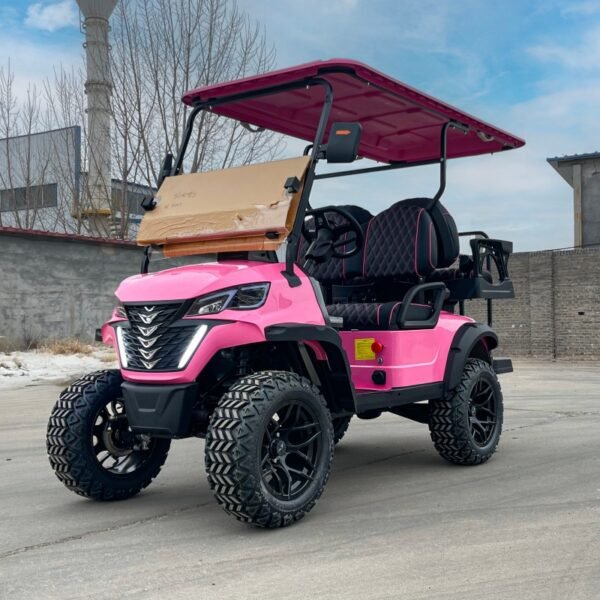
GT Golf Cart is a professional manufacturer specializing in electric golf carts, sightseeing vehicles, and low-speed electric vehicles. Since our establishment, we have focused on delivering durable, efficient, and customizable electric mobility solutions for global markets. Our custom electric golf carts are designed for commercial and personal use, including golf courses, resorts, communities, and industrial applications.
Powered by advanced lithium battery systems and high-efficiency AC motors, these carts provide long range, durability, and low operating cost. We offer comprehensive OEM and ODM solutions, allowing full customization including colors, branding, seating, and functional accessories.
Powertrain: High-Efficiency AC Motors (4kW to 7.5kW)
Energy Storage: LiFePO4 Lithium Battery Packs with Smart BMS
Manufacturing: Fully Integrated OEM & ODM Capabilities
Capacity Range: 2, 4, 6, 8, and 10+ Passenger Seating Options
Chassis Engineering: Anti-Corrosion E-Coated Steel & Aluminum
Market Segments: Commercial, Industrial, Resort, LSV, Off-Road
Configure your custom fleet through the Custom Lithium Golf Cart portal, explore purpose-built industrial units via the Commercial Golf Cart division, browse our complete Electric Golf Cart portfolio, or discover bespoke solutions in the Custom Golf Cart and Special Golf Cart collections.
Costly Mistakes Fleet Managers Make During Vendor Selection
From our experience auditing institutional vehicle acquisitions, buyers frequently fall into these four costly procurement traps:
- Buying Flooded Lead-Acid Batteries to Save Upfront Cost: A lead-acid fleet might save 20% on the initial purchase order, but it costs far more in the long run. Lead-acid batteries require weekly terminal cleaning, regular distilled water refills, acid-neutralizing washdowns, and total replacement every 2 to 3 years. Modern LiFePO4 lithium batteries run for 7 to 10 years without daily maintenance, charge twice as fast, and weigh 300 lbs less, saving wear on brakes and tires.
- Overlooking Controller Amp Ratings and Motor Heat Dissipation: Sourcing low-cost passenger carts with under-rated 250A motor controllers and basic 3kW motors leads to frequent problems. When loaded with six passengers on an uphill resort driveway, under-powered controllers overheat, triggering thermal shutdowns. Always demand 400A+ controllers paired with 5kW or larger AC induction motors.
- Failing to Verify Local Neighborhood Low-Speed Regulations: Assuming every golf cart can legally cross a public street is a major mistake. Operating on public roads requires certification that matches low-speed vehicle standards (such as FMVSS 500 or equivalent local road rules), including certified safety glass, illuminated license plate brackets, and VIN serialization. Review road-ready configurations in our Luxury Golf Cart lineup.
- Sourcing from Traders Lacking Direct Factory Engineering: Sourcing through trading companies without factory tooling access leaves you stranded when replacement steering knuckles, transaxle gears, or proprietary wiring harnesses are needed. Always partner with verified manufacturers that guarantee long-term parts availability.
Commercial Procurement Criteria Before Signing Supply Contracts
Before issuing a deposit or approving a commercial fleet order, evaluate these four technical criteria with your manufacturer:
- Battery Management System (BMS) Telemetry: Ensure your lithium battery features an integrated BMS with CAN-bus communication. The BMS must provide over-charge protection, cell balancing, low-temperature charging cutoffs, and digital state-of-health monitoring.
- Chassis Rust-Proofing and Metal Treatment: Coastal resorts and chlorinated pool areas corrode cheap steel frames quickly. Demand hot-dip galvanizing, electrostatic cathodic E-coating, or aircraft-grade structural aluminum extrusions.
- Braking Architecture on Multi-Passenger Carts: Avoid heavy four-passenger or six-passenger carts that rely solely on rear mechanical drum brakes. Transporting groups safely requires four-wheel hydraulic disc brakes with an automated electromagnetic parking brake that engages as soon as the vehicle stops.
- Warranty Support on Powertrain Components: Require written warranty coverage of at least five years on the lithium battery pack, two years on the AC motor and controller, and a lifetime warranty on structural frame welds.
Expert Recommendation and Purchasing Verdict
In most professional situations, we recommend taking a clear look at your actual operating model. If you operate an 18-hole championship golf course looking for a rolling 36-month lease with full club-car trade-in provisions, the legacy Big Three (Club Car, E-Z-GO, Yamaha) provide turnkey dealer support designed for that specific lease cycle.
However, if you are purchasing vehicles for a resort, theme park, corporate campus, gated community, or international fleet, buying legacy franchise brands through layered dealer networks results in high markups and long delivery times. In those environments, we recommend working directly with an agile OEM manufacturer like GT Golf Cart. Sourcing factory-direct gets you high-capacity LiFePO4 lithium battery systems, high-torque AC drivetrains, automotive-grade hydraulic disc brakes, and complete custom branding at a fraction of the cost, ensuring a reliable transport fleet that pays for itself year after year.
Frequently Asked Questions (FAQ)
Who are the three largest golf cart manufacturing companies in the world?
The historic ‘Big Three’ dominant manufacturers in the global market are Club Car (owned by Platinum Equity), E-Z-GO (a division of Textron Specialized Vehicles), and Yamaha Golf-Car Company. Together, these three brands hold the largest share of traditional golf course fleet leases across North America.
Why are golf cart buyers switching from lead-acid to lithium batteries?
Lithium iron phosphate (LiFePO4) batteries eliminate acid terminal corrosion and the need for regular watering, charge up to four times faster than lead-acid, weigh roughly 300 lbs less, and deliver a service life of 7 to 10 years compared to just 2 to 3 years for traditional lead-acid batteries.
What is the difference between a standard golf cart and a street-legal Low Speed Vehicle (LSV)?
A standard golf cart is designed for off-road or fairway use with top speeds capped at 12 to 15 mph. A street-legal Low Speed Vehicle (LSV) complies with safety standards like US DOT FMVSS 500, features a 17-digit VIN, reaches top speeds of 20 to 25 mph, and includes automotive safety glass, three-point seatbelts, headlights, turn signals, mirrors, and four-wheel brakes.
Can golf cart manufacturers customize multi-passenger shuttles for commercial properties?
Yes. Direct OEM/ODM manufacturers like GT Golf Cart build specialized commercial passenger shuttles ranging from 4-passenger to 6-, 8-, and 10-seater configurations, complete with extended aluminum roofs, forward-facing seats, luggage storage decks, and custom corporate paint schemes.
What should commercial fleet buyers consider before importing golf carts directly?
Commercial buyers should evaluate lithium battery safety certifications (such as UN 38.3 and CE), motor controller brands, frame anti-corrosion treatments, warranty policies for electronic parts, and whether the manufacturer provides direct global container shipping and long-term replacement parts support.
Authoritative References
- National Highway Traffic Safety Administration (NHTSA): Federal Motor Vehicle Safety Standard 500 (49 CFR 571.500 for Low Speed Vehicles)
- International Organization for Standardization: ISO 13063 Electrically Propelled Mopeds and Light Vehicles Safety Requirements
- SAE International: Standard J2258 Light Utility and Off-Road Vehicle Operational Guidelines