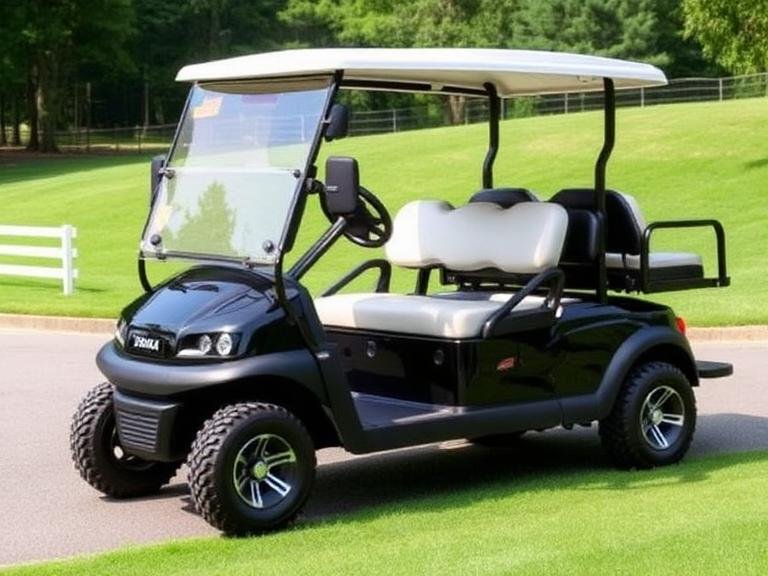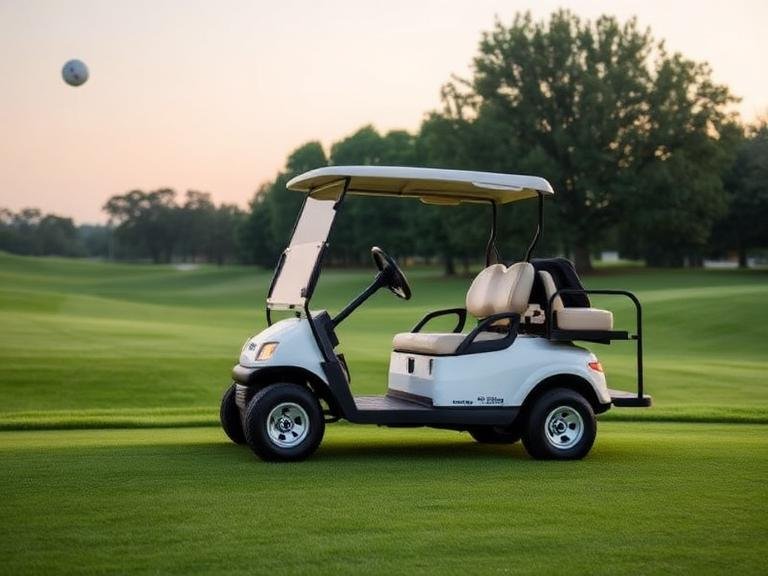
Welcome to 2026, where the personal mobility landscape has fundamentally transformed. The days of viewing golf carts merely as fairway utility vehicles are long gone. Today, they serve as primary neighborhood cruisers, campus shuttles, and master-planned community transport. With gasoline prices fluctuating and lithium-ion battery technology becoming globally standardized, consumers and fleet managers are aggressively evaluating their mobility investments. You are likely asking: is it worth buying an electric golf cart today?
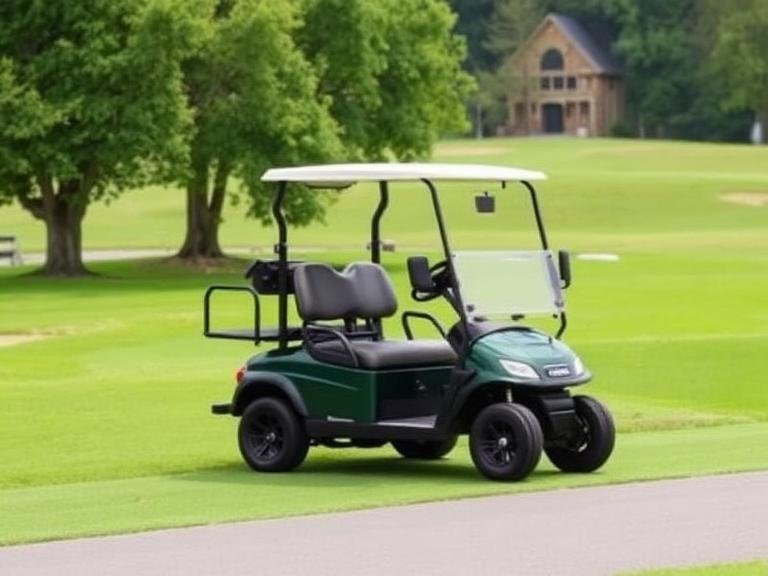
From our experience as industry leaders at GT Golf Cart, the paradigm has irrevocably shifted. The electric vehicle (EV) revolution has trickled down into the micro-mobility sector, effectively rendering older gas-powered models obsolete for residential use. However, the market is currently flooded with cheap imports masking outdated lead-acid technology under flashy fiberglass bodies. In this uncompromising guide, we will strip away the marketing noise to help you determine if it is worth buying an electric golf cart in the current market, ensuring you make a precise, commercial, and practical buying decision.
Quick Answer: The 2026 Verdict
Yes, it is unequivocally worth buying an electric golf cart in 2026—but only if you purchase a modern unit equipped with an AC motor and a Lithium Iron Phosphate (LiFePO4) battery pack. Electric carts now command over 81% of the market share because they offer a drastically lower total cost of ownership, silent operation, and zero emissions. Modern lithium setups provide 2,000 to 5,000 charge cycles (lasting roughly 8 to 12 years) with absolute zero maintenance. Conversely, if you are looking at discounted carts running on antiquated lead-acid batteries, it is not worth the investment, as the inevitable battery replacement and terminal corrosion will destroy your savings.
Table of Contents
- What It Is: The Modern Low-Speed Vehicle
- How It Works: The Lithium & AC Revolution
- The Undeniable Benefits
- Limitations to Consider
- Who Should Use It & Who Does Not Need It
- Common Mistakes Buyers Make
- Critical Buying Considerations
- Expert Recommendation & Featured Product
- Summary & Comparison Tables
- Frequently Asked Questions (FAQ)
What It Is: The Modern Low-Speed Vehicle
When analyzing whether it is worth buying an electric golf cart, you must first understand what the product has become. The 2026 electric golf cart is classified in many jurisdictions as a Low-Speed Vehicle (LSV) or Neighborhood Electric Vehicle (NEV). These machines feature robust tubular steel or aluminum chassis, independent suspension systems, four-wheel hydraulic disc brakes, and digital infotainment displays.
By exploring the latest Electric Golf Cart Models, you will notice that they are designed for the streets just as much as the turf. They have evolved into secondary household vehicles, capable of safely transporting families to local restaurants, community pools, and schools, provided they meet strict Department of Transportation (DOT) safety regulations.
How It Works: The Lithium & AC Revolution
The mechanical architecture of a 2026 electric golf cart is a masterclass in efficiency. It operates on a high-voltage powertrain—typically 48V, 60V, or 72V. The power source is a sealed lithium-ion battery pack managed by a highly intelligent Bluetooth-enabled Battery Management System (BMS). The BMS monitors individual cell health, prevents overcharging, and optimizes thermal regulation.
This battery feeds direct current (DC) into an advanced inverter, which converts it to alternating current (AC) to drive an AC induction motor. This is a critical distinction. Older DC motors lost torque on steep inclines and drained batteries rapidly. AC motors provide relentless, instant torque, allowing fully loaded carts to scale hills without losing top speed. This powertrain synergy is exactly why the expectations regarding Electric Golf Cart Lifespan have doubled in the last five years.
The Undeniable Benefits
To accurately assess if it is worth buying an electric golf cart, we must evaluate the tangible benefits that affect your daily life and wallet:
- Total Cost of Ownership (TCO): Electricity costs pennies per mile compared to gasoline. Furthermore, the absence of spark plugs, fuel filters, oil changes, and drive belts means maintenance costs are virtually eliminated.
- Extended Uninterrupted Range: Modern lithium-ion packs offer 20% to 50% more range than legacy systems, routinely delivering up to 60 miles on a single charge.
- Rapid Recharging: Unlike old lead-acid systems that required overnight charging (8 to 12 hours), modern lithium carts can charge from empty to full in just 2 to 4 hours.
- Environmental and Noise Compliance: They produce zero exhaust fumes and operate silently, making them the only acceptable option for eco-conscious gated communities and indoor commercial facilities.
Limitations to Consider
We believe in presenting unfiltered commercial judgment. There are limitations to electric carts. First is the higher upfront capital required. When calculating the overall Golf Cart Cost, a premium lithium model demands a higher initial investment than a used gas cart. Second is the absolute necessity of charging infrastructure. If you live in an apartment complex without access to a secure 110V or 220V outlet, owning an electric LSV is logistically impossible. Finally, extreme freezing temperatures can cause a temporary reduction in lithium battery range, which must be accounted for in northern climates.
Who Should Use It & Who Does Not Need It
For commercial users: Event venues, university facility managers, and resort operators absolutely must use electric carts. The US dominated the electric golf cart market in North America with an 87% share precisely because commercial fleets cannot afford the downtime and noise complaints associated with combustion engines.
For families and suburbanites: A standard 4 Passenger Golf Cart is the ultimate neighborhood utility vehicle. For larger families, evaluating the 6 Passenger Golf Cart Price reveals an incredibly efficient way to transport groups locally without starting up a massive SUV.
Who does not need it: For heavy-duty applications—such as extreme off-grid hunting, traversing deep mud bogs, or towing heavy agricultural equipment across 5,000-acre ranches—a standard electric golf cart is insufficient. You require a dedicated 4×4 gas-powered UTV. Furthermore, if you are a purist who only wants to walk the fairway, you do not need a riding cart; a Motorized Golf Cart for Walking or a Foldable Golf Cart for Walking is far more practical.
Common Mistakes Buyers Make
In our testing and daily interactions with buyers, the most devastating mistake is purchasing outdated lead-acid technology to save $1,500 on the sticker price. Lead-acid batteries require monthly watering, they corrode terminals, they add 300 pounds of dead weight to the chassis, and they must be completely replaced every three years. That initial “savings” is instantly wiped out by replacement costs.
Another prevalent mistake is failing to understand municipal road laws. Do not assume your cart is road-ready. You must research Street Legal Golf Cart Models that come equipped with 17-digit VINs, DOT-approved safety glass, seatbelts, and backup cameras to avoid heavy municipal fines. Lastly, ignoring the secondary market is a missed opportunity. If a brand-new luxury model stretches the budget, carefully analyzing Used Golf Cart Prices USA or securing a solid Golf Cart Wholesale Price can yield phenomenal deals on gently used lithium fleets.
Critical Buying Considerations
When evaluating whether it is worth buying an electric golf cart, you must audit the specifications aggressively. Pay attention to the voltage architecture; a 48V system is the industry standard, but a 60V or 72V system provides superior thermal management and climbing power for lifted, heavier carts. Check the suspension; independent front suspension is required if you plan to drive on uneven pavement. Finally, be mindful of speed limiters. Consumers often wonder about 6 Seater Golf Cart Speed, but remember that to maintain LSV legal classification, vehicles are electronically governed to a maximum of 25 MPH, regardless of how powerful the motor is.
Expert Recommendation & Featured Product
From our experience at GT Golf Cart, we unequivocally state that it is worth buying an electric golf cart in 2026. The shift to AC motors and LiFePO4 batteries has completely eradicated the performance anxiety that plagued early electric models. We recommend bypassing the legacy brands that charge premium prices for bare-bones carts, and instead upgrading to a modern Luxury Golf Cart that includes advanced safety features, premium seating, and lithium power as standard equipment.
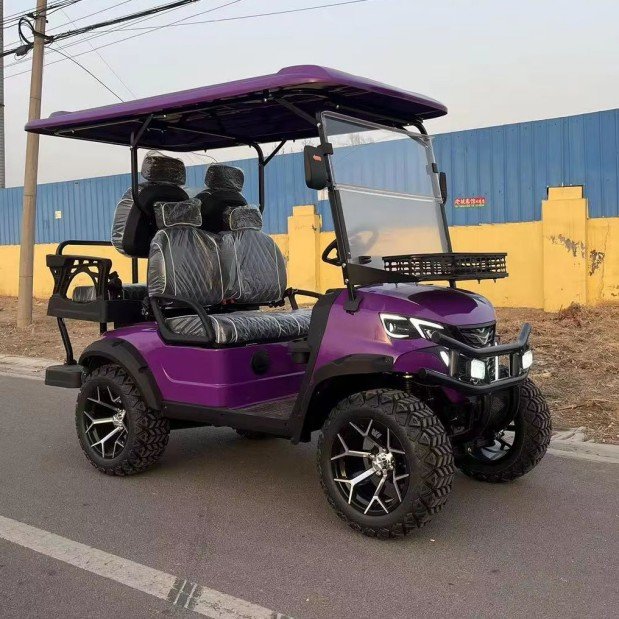
EGC-02 Electric Golf Cart
In our testing, the EGC-02 represents the absolute apex of 2026 LSV engineering. It completely answers the question of whether it is actually worth upgrading. This model replaces antiquated technology with a high-output AC motor and premium lithium storage, delivering uncompromising power, range, and luxury for both street and turf applications.
- Engine Type: AC Electric Motor
- Rated Power: 5,000W
- Battery: Lithium 60V150Ah
- Top Speed: 29 MPH
- Estimated Range: 62 Miles
- Charging Time: 7 – 9 Hours (120V)
- Front Suspension: Independent MacPherson Strut
- Rear Suspension: Twist Axle
- Brakes: Front Disc / Rear Drum
- Safety Features: Headlights, Tail Lights, Turn Signals, Seatbelts, Side Mirrors
- Warranty: 36 Months Lithium / 12 Months Limited
Summary & Comparison Tables
| Target Audience | Verdict | Primary Reason |
|---|---|---|
| Neighborhood Cruisers & Families | Highly Recommended | Safe, street-legal LSV capabilities replace short car trips. |
| Commercial Fleet Operators | Mandatory Upgrade | Zero emissions, silent operation, and massive TCO savings. |
| Extreme Off-Road Hunters | Not Recommended | Lack of ground clearance and 4×4 drivetrain limits deep mud capability. |
| Budget Buyers (Lead-Acid Carts) | Avoid | High maintenance and replacement costs negate initial savings. |
| Feature / Metric | Modern Lithium Electric (AC Motor) | Traditional Gas-Powered (EFI) |
|---|---|---|
| Operating Noise | Whisper quiet (stealth operation) | Loud combustion engine noise |
| Maintenance Required | Zero (No fluids, belts, or filters) | High (Oil changes, spark plugs, clutches) |
| Torque Delivery | Instant torque at all RPMs | Delayed acceleration curve |
| Environmental Impact | Zero local emissions, eco-friendly | Exhaust fumes, carbon emissions |
| Fuel / Energy Cost | Extremely low (Pennies per charge) | High (Dependent on gasoline prices) |
| Pros (Why it is worth buying) | Cons (Limitations to consider) |
|---|---|
| Drastically lower total cost of ownership (TCO) over a 10-year span. | Higher initial capital investment compared to older gas models. |
| Lithium batteries last up to 5,000 cycles with no maintenance required. | Requires dedicated 110V or 220V charging infrastructure at home or base. |
| Regenerative braking systems safely extend range and save brake pads. | Extreme sub-zero temperatures can temporarily reduce battery range. |
| Easily upgraded to meet DOT street-legal LSV requirements. | Range anxiety if the vehicle is not plugged in after long daily usage. |
| Component | Minimum Recommendation for 2026 | Why It Matters |
|---|---|---|
| Battery Chemistry | Lithium Iron Phosphate (LiFePO4) | Prevents thermal runaway, drops 300 lbs of weight, guarantees 10+ year lifespan. |
| Motor Type | 4kW to 5kW AC Induction Motor | Maintains speed up steep inclines without overheating the controller. |
| Braking System | Four-Wheel Hydraulic Disc Brakes | Mechanical drum brakes fade rapidly on 6-passenger carts; disc brakes ensure safety. |
| Suspension | Independent Front Suspension | Provides an automotive-grade ride quality, eliminating the harsh bumps of solid axles. |
Frequently Asked Questions (FAQ)
Is it worth buying an electric golf cart if I don’t play golf?
Absolutely. In 2026, the majority of electric golf carts are sold as Low-Speed Vehicles (LSVs) for neighborhood commuting, running local errands, and transporting families within master-planned communities. The golf course is now just a secondary use case.
How long do the new lithium batteries last in electric carts?
Modern LiFePO4 lithium batteries are rated for 2,000 to 5,000 charge cycles. In practical terms, this translates to 8 to 12 years of reliable service before experiencing any significant degradation, completely eliminating the need to replace batteries every three years like old lead-acid systems.
Can I drive an electric golf cart on public roads?
Yes, provided the vehicle is classified as a Street-Legal LSV. It must possess a 17-digit VIN, DOT-approved windshield, wipers, seatbelts, headlights, turn signals, and mirrors. Once registered and insured, it can legally be driven on public roads with speed limits of 35 MPH or less in most jurisdictions.
Authoritative Industry References
- National Highway Traffic Safety Administration (NHTSA) – Federal Motor Vehicle Safety Standard (FMVSS) No. 500 establishing the regulatory framework and safety requirements for Low-Speed Vehicles (LSVs) on public roads.
- U.S. Department of Energy (DOE) – Research and data on the efficiency, total cost of ownership, and environmental impact of lithium-ion battery integration in micro-mobility and neighborhood electric vehicles.
- American National Standards Institute (ANSI) – Z130.1 Standards governing the safety and performance specifications for golf cars manufactured for commercial and personal use.