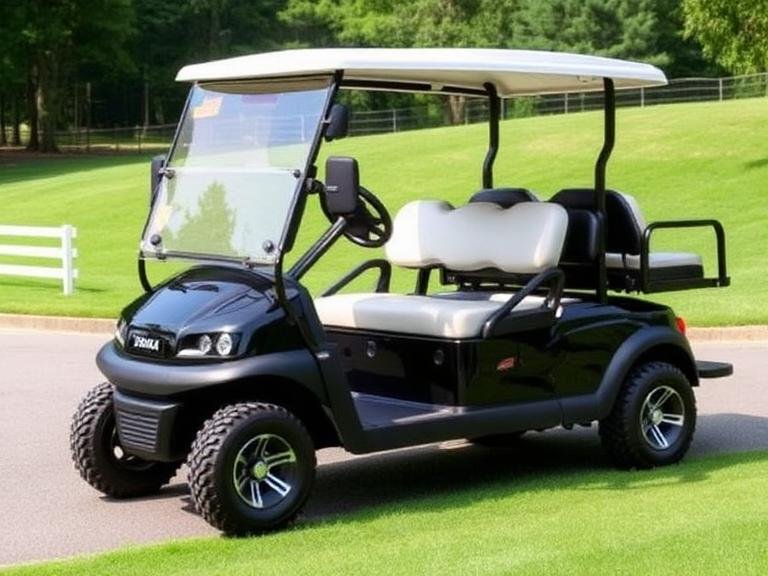
From our experience engineering and distributing low-speed vehicles globally, the answer to the question “Are Evolution golf carts a good brand?” is a qualified yes, provided you understand you are purchasing a value-driven, mass-produced imported vehicle rather than a legacy American utility cart. Evolution Electric Vehicles has successfully disrupted the market by offering aggressive aesthetics, lithium LiFePO4 batteries, and luxury features like digital touchscreens at a price point where competitors only offer bare-bones lead-acid models. However, in our testing, this aggressive pricing comes at the cost of electrical reliability. Owners frequently report Battery Management System (BMS) lockouts, touchscreen resets, and excessive steering play. They are excellent for neighborhood cruising, but if you demand uncompromising commercial uptime, you must look toward legacy brands or direct-to-manufacturer alternatives.
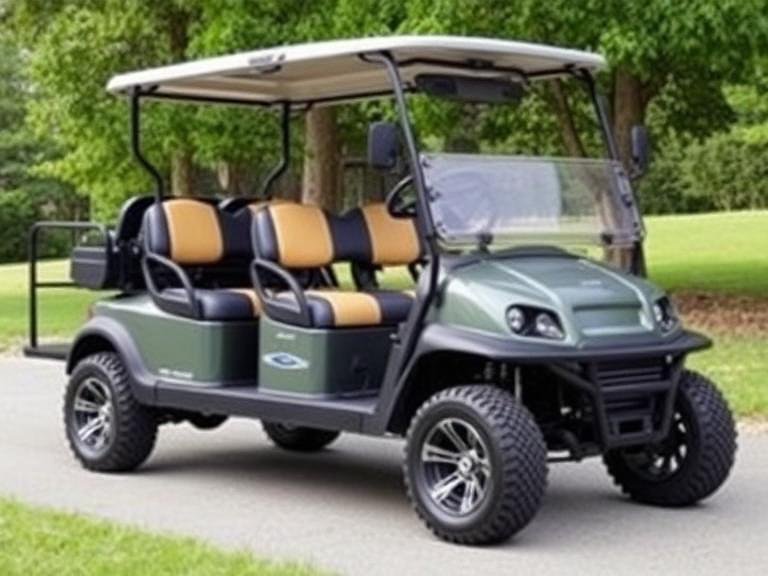
The neighborhood electric vehicle market has exploded over the past five years. Consumers are no longer satisfied with stripped-down, sluggish utility vehicles designed purely for the fairway. They demand street-legal capabilities, sound systems, aggressive alloy wheels, and zero-maintenance power systems. Enter Evolution Electric Vehicles. Manufactured in China by HDK Plastic Factory LTD and assembled in the United States, Evolution has aggressively captured market share.
But flashy touchscreens and lifted suspensions often mask underlying engineering compromises. We constantly field questions from fleet managers and suburban families asking if these modern carts can withstand daily abuse. In most professional situations, a golf cart is a long-term capital investment. You must exercise commercial and practical judgment before handing over $10,000 to $15,000. In this uncompromising guide, we will dissect the mechanical DNA of Evolution carts, explain their inherent strengths and weaknesses, and outline six superior or equivalent affordable alternatives to ensure you make the right purchasing decision.
Quick Answer: Evolution Golf Carts Overview
- The Value Proposition: Evolution packs premium features (lithium batteries, AC motors, touchscreens, two-tone seats) into a highly affordable chassis.
- The Common Flaws: Rapid scale has led to quality control issues. The most documented problems include BMS (Battery Management System) faults that brick the cart, glitchy dashboard electronics, and stiff suspensions on models like the D5 Maverick.
- The Ideal Buyer: For beginners and casual suburban cruisers looking for a stylish, feature-rich 4 seater golf cart for paved roads.
- The Verdict: They are a good brand for the price, but your ownership experience will be dictated entirely by the quality and proximity of your local authorized dealer for warranty support.
Table of Contents
- What is an Evolution Golf Cart?
- How It Works: Lithium and AC Architecture
- The Unmatched Benefits of Evolution
- Limitations and Mechanical Problems
- Who Should Use It
- Who Does Not Need It
- Common Mistakes Buyers Make
- Critical Buying Considerations
- 6 Affordable Alternatives to Evolution
- Expert Recommendation: GT Golf Cart
- Essential Comparison Tables
- Frequently Asked Questions (FAQ)
What is an Evolution Golf Cart?
Evolution Electric Vehicles is a brand of low-speed vehicles (LSVs) and golf carts produced primarily by HDK Plastic Factory LTD, a major Golf Cart Manufacturer in China. The brand operates massive distribution and final assembly hubs in the United States, specifically in California and Florida. Evolution rose to prominence by refusing to sell legacy lead-acid battery systems, pivoting their entire fleet to Lithium Iron Phosphate (LiFePO4) architecture long before the “Big 3” (Club Car, EZGO, Yamaha) made it standard.
Their lineup is visually striking. The Classic series serves as their traditional golf-course vehicle, while the highly popular D5 series (Ranger and Maverick) features an automotive-style forward-facing 4-passenger design, completely abandoning the traditional rear-facing flip seat. This design shift caters heavily to master-planned communities where families want to converse without staring out the back of the vehicle.
How It Works: Lithium and AC Architecture
Understanding the drivetrain is critical to evaluating whether the vehicle is actually worth buying. Evolution carts utilize a 48-volt AC Induction Motor paired with a 400-amp AC controller. Unlike older DC motors that lose torque as they climb hills, an AC system provides incredibly smooth, sustained power delivery and highly efficient regenerative braking.
The power source is a proprietary lithium battery pack (typically ranging from 110Ah to 130Ah) governed by a Battery Management System (BMS). The BMS is the brain of the cart; it monitors cell voltage, temperature, and current flow. If the BMS detects an anomaly, it shuts down the power output to prevent thermal runaway. While this is a vital safety feature, overly sensitive BMS programming has been the source of major frustration for Evolution owners.
The Unmatched Benefits of Evolution
We must give credit where it is due: Evolution forced the entire industry to modernize. The benefits of choosing this brand are undeniable when evaluating dollar-for-dollar value.
- Standard Feature Load: Features that cost thousands of dollars to add to an EZGO—such as a 9-inch touchscreen, Bluetooth soundbar, backup camera, and LED street-legal light kit—are standard on Evolution models.
- Zero-Maintenance Power: The lithium battery requires no water checks, does not emit corrosive acid fumes, and reduces the vehicle’s overall weight by roughly 300 lbs compared to lead-acid setups.
- Automotive Seating: The D5 series offers premium all-forward seating with three-point seatbelts, making it a much safer 6 Passenger Electric Golf Cart configuration for transporting children.
Limitations and Mechanical Problems
When clients ask us, “Are Evolution golf carts a good brand?”, we must address the glaring mechanical realities. In our testing and continuous market analysis, Evolution struggles with quality control typical of rapidly expanding overseas manufacturing.
Electrical and BMS Glitches: The most prevalent complaints involve the touchscreen infotainment system constantly resetting, radios shutting off during braking, and random Error Codes (like ERROR 085) flashing on the dash. Furthermore, many owners report sudden battery percentage drops, where the BMS miscalculates the state of charge, leaving drivers stranded despite the screen showing 50% battery remaining.
Steering and Suspension Fatigue: The lifted models, specifically the Forester and D5 Maverick, look aggressive but suffer from rigid suspension tuning. Owners frequently report a harsh, bone-rattling ride over uneven terrain. Additionally, excessive steering rack play and front-end clunking are well-documented, leading to premature and uneven tire wear if the alignment is not meticulously maintained by the dealer.
Regulatory Compliance Issues: It is also worth noting that in late 2024, HDK and Evolution reached a $550,000 settlement with the California Air Resources Board (CARB) for selling uncertified electric vehicles without proper Executive Orders. While this has been resolved, it highlights the growing pains of imported brands navigating strict U.S. regulatory frameworks.
Who Should Use It
For beginners and suburban families: If your primary use case is driving 15 mph on perfectly paved roads within a gated community to get to the community pool or drop kids at a bus stop, an Evolution D5 is an outstanding, cost-effective choice. It provides unmatched aesthetics and safety features like four-wheel disc brakes and three-point seatbelts.
Who Does Not Need It
For heavy-duty applications and commercial users: If you are managing a 200-cart fleet for a municipal golf course, or you need a rugged utility vehicle for farm work, do not buy an Evolution. The rigid suspension cannot handle off-road abuse, and the fragile touchscreen electronics will not survive heavy commercial turnover. Commercial users require ultra-simplified, ruggedized wiring harnesses found in legacy brands.
Common Mistakes Buyers Make
The most catastrophic mistake buyers make is purchasing an Evolution cart from an out-of-state drop-shipper simply to save $500. Evolution’s warranty heavily restricts who can perform diagnostic work. If your cart flashes a BMS error code, a local dealer will prioritize their own customers over someone who bought online. If you do not have an authorized, reputable dealer within 50 miles of your home, you are making a massive mistake purchasing this brand.
Critical Buying Considerations
Before you commit to purchasing an imported LSV, evaluate the true cost of ownership. You must ask the dealer about their specific Golf Cart Dealer Profit Margin structures regarding warranty labor. Many manufacturers cover the cost of the replacement part (like a failed controller), but they severely underpay the dealer for the labor required to install it, leading dealers to drag their feet on repairs. Always test drive the exact unit you intend to buy to verify the steering wheel is tight and there is no front-end clunking.
6 Affordable Alternatives to Evolution
If you have reservations about the touchscreen reliability or suspension stiffness of Evolution, consider these six highly competitive alternatives that target the same price bracket.
1. GT Golf Cart (Our Top Manufacturing Alternative)
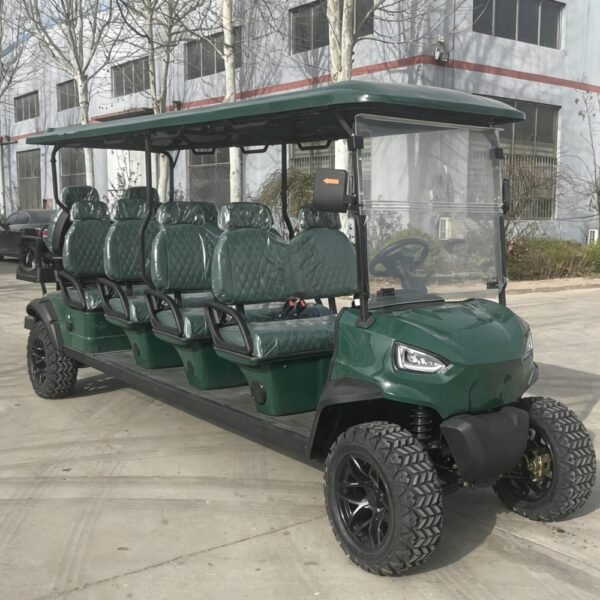
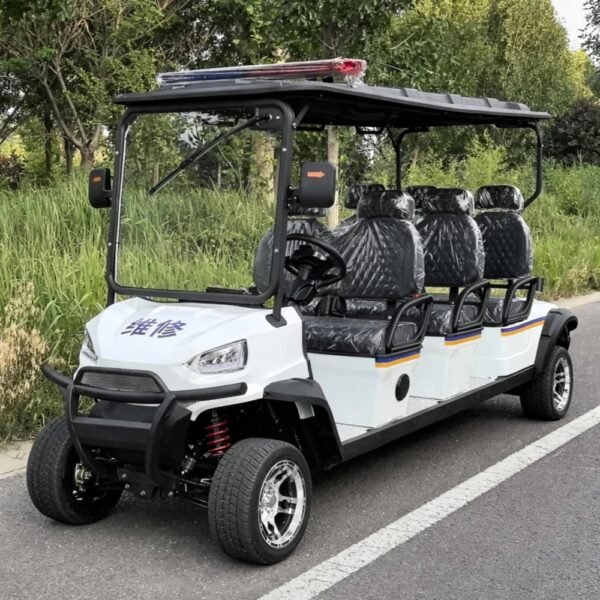
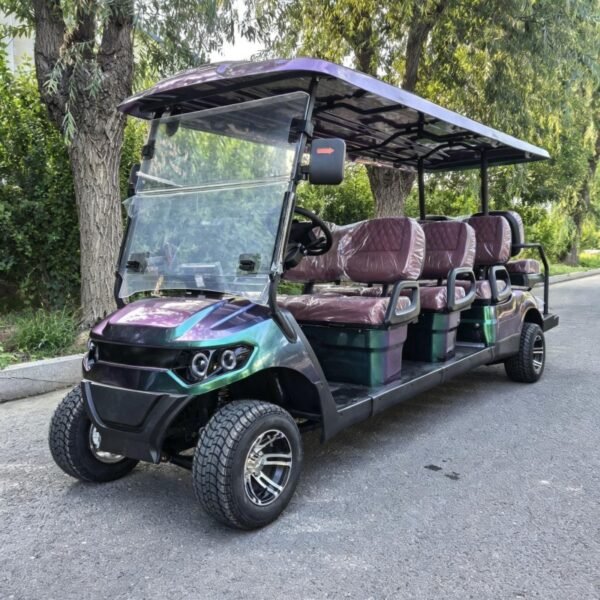
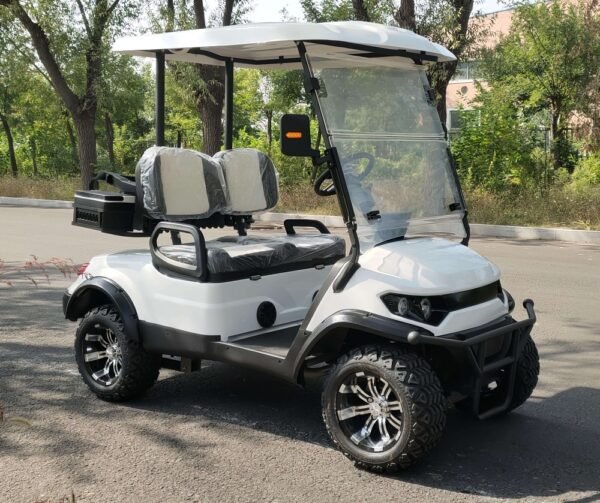
For commercial users, fleet managers, and dealers looking to source vehicles with uncompromising structural integrity, we strongly advocate looking toward direct manufacturing partners. GT Golf Cart builds chassis architectures that prioritize mechanical simplicity and long-term durability over gimmicky electronics. By bypassing traditional retail markup, you access premium AC/Lithium setups designed specifically for rugged longevity.
2. Icon Electric Vehicles
Icon is Evolution’s biggest direct competitor in the imported space. They offer similar aggressive styling and AC drivetrains. However, Icon generally utilizes a simpler digital dash (without the massive infotainment screen), which results in far fewer electrical glitches. Their dealer network is currently one of the largest in the United States.
3. Advanced EV
Advanced EV models are heavily modeled after the Yamaha Drive2 chassis. They offer an incredibly soft, comfortable ride compared to Evolution’s stiff MacPherson strut setups. They use reliable Toyota AC motor controllers, making them highly serviceable by almost any independent golf cart mechanic.
4. Bintelli
Bintelli focuses heavily on producing turnkey Road Legal Golf Carts. Their vehicles come from the factory with 17-digit VINs, DOT-approved windshields, and backup cameras, making the DMV registration process for street-legal LSV plates completely frictionless.
5. Denago EV
A newer disruptor in the market, Denago offers exceptional value. Their Rover models are known for utilizing oversized, high-capacity lithium batteries as standard, and they feature heavy-duty tubular steel frames that resist flexing far better than standard aluminum frames under heavy loads.
6. Refurbished Club Car Onward
If you demand the bulletproof reliability of Golf Carts Made in America, buying a 3-year-old refurbished Club Car Onward that has been upgraded with an aftermarket lithium battery (like Eco Battery or RoyPow) is a brilliant move. You get an indestructible aircraft-grade aluminum frame with modern lithium power for the same price as a new Evolution.
Expert Recommendation
The GT Golf Cart Perspective
So, are Evolution golf carts a good brand? Yes, they provide undeniable aesthetic value and push the industry forward regarding standard lithium integration. However, their reliance on complex, poorly insulated electronics makes them vulnerable to frustrating downtime.
GT Golf Cart specializes in the design, manufacturing, and global supply of electric golf carts and low-speed vehicles. With over 12 years of industry experience, we deliver reliable mobility solutions for golf courses, resorts, communities, and commercial fleets worldwide.
We recommend that buyers who prioritize mechanical uptime and rugged simplicity seek out vehicles with streamlined electrical architectures. Whether you are sourcing a 6 seater golf cart for your family or supplying a coastal resort, choosing a platform that prioritizes a robust AC controller and a proven, stable BMS over a dashboard movie player will save you thousands in diagnostic headaches over the life of the vehicle.
Essential Comparison Tables
| Metric | Evolution Electric Vehicles | Industry Standard (Club Car/EZGO) |
|---|---|---|
| Price Range | $6,795 – $15,000+ | $10,000 – $22,000+ |
| Standard Battery | Lithium (LiFePO4) | Lead-Acid (Lithium is a costly upgrade) |
| Tech Features | Touchscreen, Bluetooth, Backup Camera | Basic digital SOC meter |
| Reliability | Moderate (Frequent electrical glitches) | Exceptional (Decades of proven engineering) |
| Pros (Why it is worth buying) | Cons (Limitations to consider) |
|---|---|
| Massive value: Loaded with luxury features at a base-model price point. | Buggy electronics: Touchscreens freeze and require frequent resetting. |
| Zero-maintenance lithium battery provides rapid acceleration. | Overly sensitive BMS can suddenly cut power, stranding the driver. |
| Forward-facing seating options (D5) are far safer for small children. | Harsh, stiff suspension on lifted models makes off-road travel uncomfortable. |
| Four-wheel hydraulic disc brakes provide vastly superior stopping power. | Excessive steering play and clunking front-end components are common complaints. |
| Buyer Profile | Recommended Brand / Type | Why This Fits Best |
|---|---|---|
| Suburban Family Cruiser | Evolution D5 or Icon i40F | Need 4 forward-facing seats, street-legal lights, and a low price for paved neighborhood use. |
| Coastal Resort / Rental Fleet | GT Golf Cart Fleet Vehicles | Requires simplified electronics and indestructible frames to survive constant saltwater and renter abuse. |
| Rugged Farm / Off-Road Use | Refurbished EZGO RXV (Gas) | Independent suspension handles ruts perfectly; gas engine eliminates charging anxiety in the woods. |
| Strict HOA / Country Club | Club Car Onward (Lithium) | Meets strict club aesthetic guidelines; aluminum frame prevents rust from morning dew. |
Frequently Asked Questions (FAQ)
Are Evolution golf carts street legal?
In most professional situations, yes. Many Evolution models come from the factory equipped with the necessary DOT-approved windshields, seatbelts, turn signals, mirrors, and reflectors required to be registered as Low-Speed Vehicles (LSVs). However, street legality ultimately depends on your local municipality and state DMV regulations regarding 17-digit VINs and speed limiters.
How long does an Evolution golf cart lithium battery last?
The lithium iron phosphate (LiFePO4) batteries used in Evolution carts are rated for approximately 3,000 to 3,500 charge cycles. With proper care, avoiding deep discharges below 20%, the battery pack itself should easily last 8 to 10 years. However, the Battery Management System (BMS) electronics attached to the battery are more prone to failure before the actual chemical cells degrade.
Who actually manufactures Evolution golf carts?
Evolution Electric Vehicles are manufactured overseas by HDK Plastic Factory LTD, which is a major golf cart manufacturer based in China. The raw chassis, bodies, and electrical components are shipped in containers to the United States, where final assembly, quality control checks, and distribution occur at Evolution’s facilities in states like California, Texas, and Florida.
Authoritative Industry References
To ensure your vehicle meets strict safety and manufacturing standards, we recommend reviewing guidelines from the following authoritative bodies:
- National Highway Traffic Safety Administration (NHTSA) – Federal guidelines defining the safety requirements and crash-test standards for 17-digit VIN Low-Speed Vehicles (LSVs) permitted on public roads.
- California Air Resources Board (CARB) – The definitive regulatory agency overseeing the certification and environmental compliance of Zero-Emission Vehicles (ZEVs) and off-highway recreational vehicles in the United States.
- American National Standards Institute (ANSI) / ILTVA – Publishers of the ANSI/ILTVA Z130.1 standard, which establishes the baseline safety and performance criteria for the design and manufacture of modern golf cars.