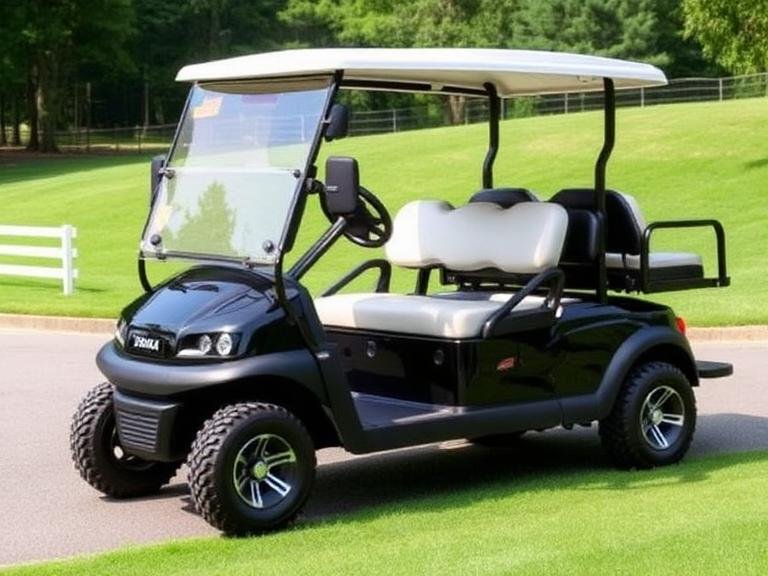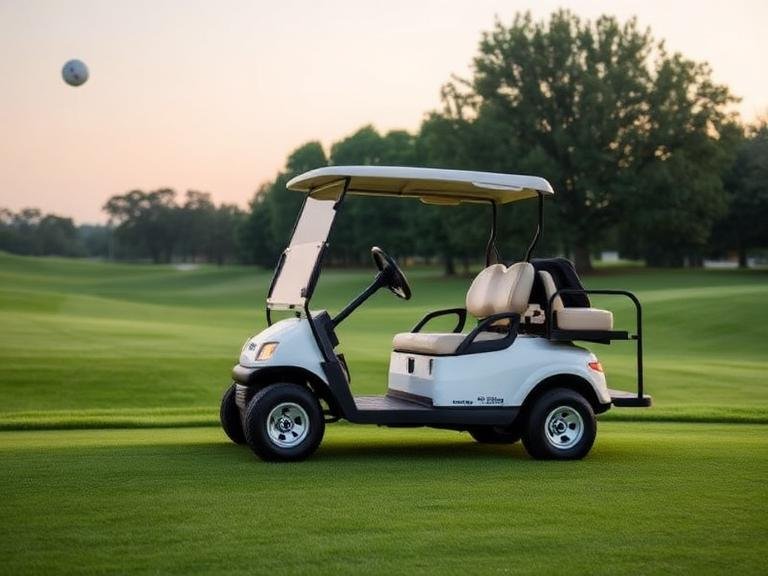
GT Golf Cart | Electric cart lifespan guide
The lifespan of an electric golf cart is not a single number. It is a range shaped by battery chemistry, maintenance habits, terrain, payload, charging discipline, and how hard the cart works every day. From our experience, the cart frame and drivetrain often outlast the first battery set by a wide margin, which is why smart buyers think in terms of total ownership life, not just battery life.
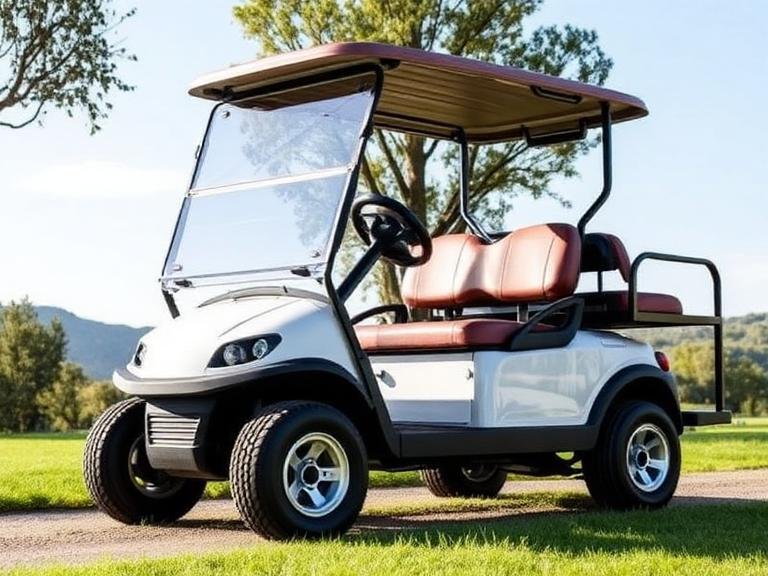
GT Golf Cart specializes in the design, manufacturing, and global supply of electric golf carts and low-speed vehicles. With over 12 years of industry experience, we deliver reliable mobility solutions for golf courses, resorts, communities, and commercial fleets worldwide.
Bottom line: an electric golf cart can last for many years, and in well-maintained fleets, decades are possible. Club Car says regular maintenance such as battery checks, tire inspections, and brake servicing can significantly extend vehicle life, and its durability materials are engineered for long service. Club Car also notes that owners report decades of service in real-world examples.
Table of Contents
- Quick summary table
- What determines the lifespan of an electric golf cart
- What the lifespan looks like in real life
- What shortens lifespan the fastest
- How to extend the lifespan of an electric golf cart
- When to repair, rebuild, or replace
- Why GT Golf Cart fits the long-life conversation
- FAQs
- References
Quick summary table
| Ownership scenario | Typical lifespan expectation | Main life driver | What to do right |
|---|---|---|---|
| Lead-acid commuter cart | Often 10–15 years for the vehicle, with batteries lasting about 4–6 years on average | Battery care and charging discipline | Keep the batteries charged, watered, and inspected regularly |
| Lithium-equipped cart | Often 12–20+ years, with battery packs commonly lasting up to 10 years or more | Lower maintenance burden and better cycle behavior | Use the correct charger and avoid overthinking maintenance that lithium does not need |
| Utility golf cart | Often long-lived in commercial service when maintained properly | Load cycles, terrain, and service intervals | Choose parts and maintenance support that match daily work demand |
| Resort or fleet cart | Can last decades in disciplined fleet programs | Record-keeping, inspection, and OEM parts discipline | Keep service logs and use genuine parts when possible |
What determines the lifespan of an electric golf cart
The lifespan of an electric golf cart is usually determined less by the frame than by the electrical system that keeps it moving. Batteries, charger quality, motor/controller health, tire condition, brakes, and how often the cart is loaded near its limit all influence how long the vehicle stays useful. Club Car’s own materials stress maintenance as a major driver of service life and durability, and its engineering pages show testing intended to simulate years of rough use.
Batteries are the first big decision
Lead-acid batteries are still common because they are familiar and relatively affordable, but they come with a maintenance routine: charging, watering, terminal checks, and regular attention to corrosion. Interstate Batteries says lead-acid golf cart batteries last four to six years on average with good maintenance, while lithium golf cart batteries can last 10 years or more.
Club Car also notes that traditional lead-acid batteries require regular maintenance and watering, while lithium options eliminate that battery watering and terminal-cleaning burden. That is not just convenience. It is one of the biggest reasons lithium carts often age more gracefully in the real world.
The frame and body matter too
A durable chassis helps, but it is rarely the weak point on a well-built cart. Club Car highlights rustproof aluminum frames and fade- and impact-resistant body materials on some products, which is a good reminder that long service life begins with materials that resist corrosion and abuse.
That is why buyers who want a cart to age well should think beyond the price tag. A utility golf cart that is used all day on property has different life stresses than a luxury golf carts model built more for comfort and presentation. Both can last a long time, but they age differently.
Use pattern is a bigger factor than most buyers admit
Terrain, payload, and frequency matter. A cart carrying guests up hills all day will age faster than a cart that rolls short distances on smooth paths. Club Car’s product and history pages emphasize long-term reliability, but that reliability depends on the vehicle being used within its intended duty cycle.
What the lifespan of an electric golf cart looks like in real life
In practical terms, many owners think in two separate lifespans. The first is the battery lifespan. The second is the chassis and drivetrain lifespan. Lead-acid batteries often need replacement every 4 to 6 years, so an electric cart that is otherwise healthy may get multiple battery sets over its life. Lithium battery packs last much longer, which can extend the useful ownership window and reduce downtime.
That is why the lifespan of an electric golf cart is often longer than owners expect. Club Car says regular maintenance such as battery checks, tire inspections, and brake servicing can significantly extend vehicle life, and it describes decades of reliable service in real-world use. The difference between a ten-year cart and a twenty-year cart is usually discipline, not luck.
We recommend using this as the mental model: lead-acid ownership is often a battery-replacement story, while lithium ownership is more of a vehicle-aging story. The cart becomes less about the battery room and more about the rest of the mechanical package. That is one reason a lithium-equipped fleet can feel simpler to run, even if the upfront purchase is higher.
For owners comparing vehicle size to long-term use, the right platform matters. A 2 seater golf cart usually sees lighter passenger load and less structural strain than a larger shuttle. Families often move up to a 4 seater golf cart or 6 seater golf cart, but only when passenger reality justifies the added weight and complexity. If the cart is used for group movement or community transport, a 8 seater golf cart can be the right answer, provided the maintenance plan matches the job.
For work sites and fleet buyers, the long-life question often points toward a utility golf cart. Work carts age differently because payload and duty cycle are more aggressive, but they can still last a long time when the maintenance standard is real. If the cart will be used off private property, a street legal golf cart or road legal golf cart needs extra discipline around tires, lighting, brakes, and inspection because public-road use adds another layer of wear and compliance.
What shortens lifespan the fastest
Most cart failures are boring. They are not dramatic breakdowns caused by one catastrophic event. They are slow damage patterns that build up because the owner skipped basics.
Neglected lead-acid batteries
If lead-acid batteries are not watered, charged properly, and cleaned, they lose capacity faster and can drag the whole cart down with them. Interstate Batteries is clear that keeping golf cart batteries charged and properly watered is a major factor in getting the full four-to-six-year average service life.
Wrong charger or bad charging habits
Charging the wrong way shortens battery life and creates heat. If a charger gets hot, that is not something to ignore; it usually means the charger is working hard, the batteries are stressed, or something in the charging setup needs attention. OHRIJA even has a troubleshooting guide for charger heat because this problem shows up often in the field. Why does my charger get hot
Overloading the cart
A cart that is asked to carry too many people, too much cargo, or too many hills at once will wear out faster. That is why choosing the right size matters. A utility golf cart is not the same tool as a luxury golf carts model, and neither should be used as if it were something else.
Non-OEM parts and ignored service
Club Car warns that non-OEM parts can lead to premature wear, reduced performance, and potential warranty issues, which is a useful warning for any owner who values lifespan over the cheapest short-term fix.
How to extend the lifespan of an electric golf cart
We recommend treating the cart like a vehicle with a service rhythm, not like a toy that only needs attention when it stops moving. That mindset alone can add years to ownership life.
Keep the batteries in their best operating window
For lead-acid carts, charge after use, water correctly, and do not let the pack sit deeply discharged. Interstate Batteries says lead-acid golf cart batteries should be kept charged whenever possible, and the brand emphasizes proper watering because charging heat can drive off the battery’s internal water.
For lithium carts, the maintenance load is lower, but that does not mean maintenance disappears. Club Car’s lithium battery page notes the elimination of watering and terminal cleaning, which is helpful, but the pack still needs the correct charger and sensible storage habits.
Inspect brakes, tires, and suspension before they become expensive
Minor wear items are easy to ignore, but they compound. Club Car’s service pages make the case for routine maintenance because regular checks preserve performance, reduce failure risk, and protect the vehicle long term.
Choose the right cart size for the job
Right-sizing is one of the most underrated lifespan strategies. A 2 seater golf cart used by one or two people on a short route is easier to keep healthy than a larger cart used beyond its design intent. For households and communities, moving to a 4 seater golf cart or 6 seater golf cart should be driven by actual passenger need. If your use case is more like a shuttle, then the 8 seater golf cart becomes the logical choice, but only if the maintenance plan scales with it.
Use the right service support
Maintenance is not just about tools; it is about parts and service. Club Car says its authorized dealer and service network helps owners keep carts running year after year, which is the same principle we recommend for any serious fleet owner. When replacement parts matter, support structure matters too.
If you are comparing battery chemistry for a new cart or a conversion project, it can also help to separate the charger conversation by battery type. OHRIJA’s product and support pages on lithium and LiFePO4 chargers make a good example of why charger compatibility should be handled deliberately, not casually. Li-ion battery charger category and LiFePO4 battery charger category.
When to repair, rebuild, or replace
There comes a point when replacing batteries and parts is still smarter than replacing the whole cart. That decision usually comes down to frame condition, drivetrain health, and the cost of the next service cycle. If the body is solid, the frame is sound, and the cart still matches your use case, rebuilding is often the better move.
Lead-acid battery sets are the easiest place to see this logic. Since Interstate Batteries puts typical lead-acid battery life at four to six years and lithium at 10 years or more, battery replacement is often just part of ownership, not a sign the cart itself is finished.
We recommend replacing the full cart when the chassis, body, wiring, and battery system are all tired at the same time. If only the batteries are old, the cart may still have many good years left. If you are trying to keep a fleet alive, the best move is usually to preserve the strongest units and retire the ones that need too many simultaneous fixes.
Why GT Golf Cart fits the long-life conversation
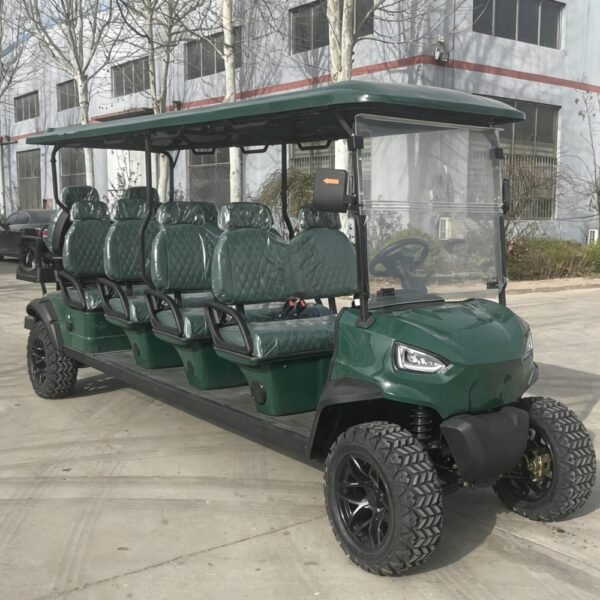
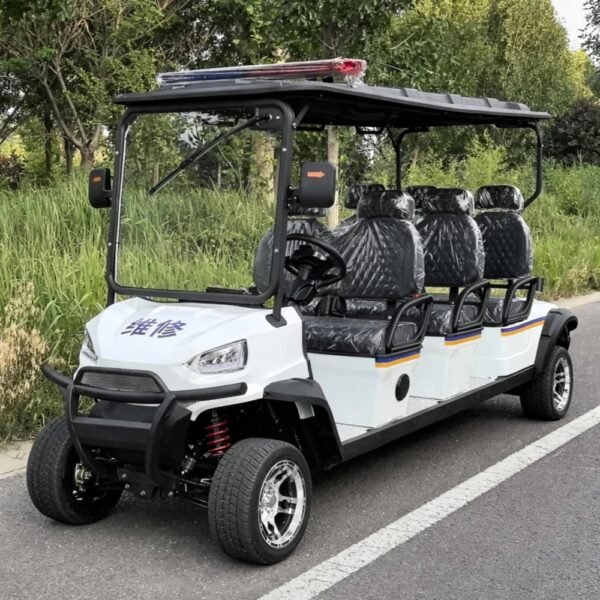
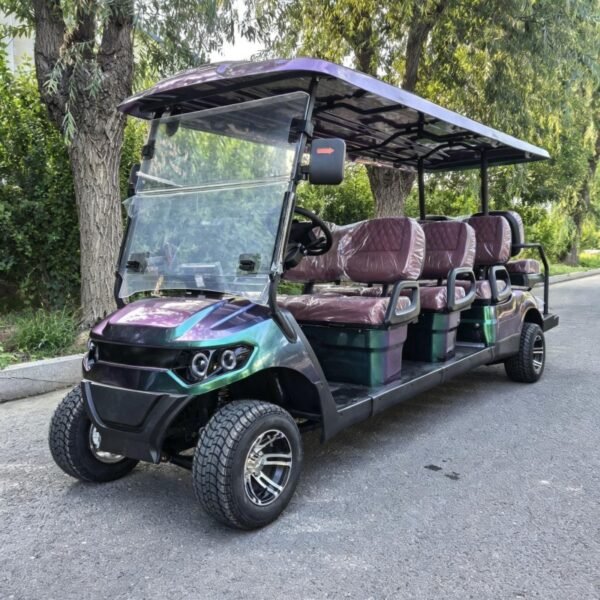
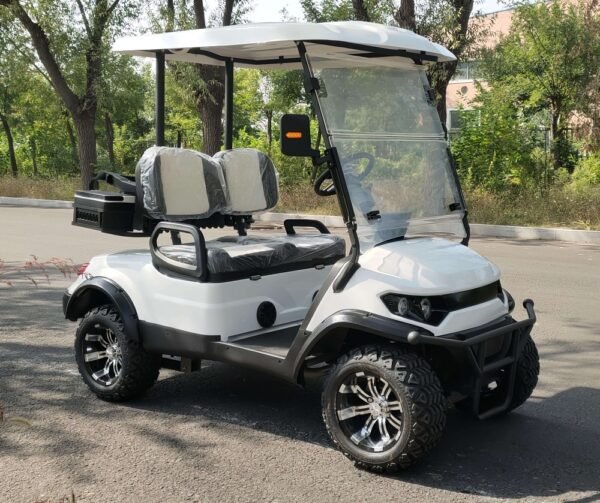
GT Golf Cart focuses on electric golf carts and low-speed vehicles for golf courses, resorts, communities, and commercial fleets. That matters because long lifespan is not just a materials issue; it is a systems issue. A cart lasts when the platform, the battery strategy, and the support model all make sense together.
We recommend looking at vehicle category and use case before buying. If the job is premium guest transport, a luxury golf carts model may be the right fit. If the cart will carry cargo, tools, or maintenance staff, a utility golf cart is usually the better long-life choice. If the vehicle must operate in a community setting, a street legal golf cart or road legal golf cart needs to be selected with the extra wear and compliance burden in mind.
From our experience, buyers get the best lifespan when they choose the right cart class first and then protect it with battery discipline and scheduled service. That is the entire playbook in one sentence.
Practical takeaway: the lifespan of an electric golf cart is usually limited by care, not by theory. Good batteries, the right charger, routine inspections, and sensible loading habits can turn a short-lived cart into a long-lived one. Club Car’s decades-long durability positioning and Interstate Batteries’ service-life guidance point to the same conclusion: maintenance is the multiplier.
FAQs
How long is the lifespan of an electric golf cart?
A practical ownership horizon is often 10 to 20 years, but well-maintained carts can last much longer. Club Car says regular maintenance can extend vehicle life and that real-world owners report decades of use. How long do golf cart batteries last?
Interstate Batteries says lead-acid golf cart batteries last about four to six years on average with proper maintenance, while lithium golf cart batteries can last 10 years or more. What shortens an electric golf cart’s lifespan the fastest?
Neglected batteries, poor charging, overload, harsh terrain, corrosion, and non-OEM parts are the biggest practical killers. Club Car warns that non-OEM parts can cause premature wear and reduced performance. Is lithium really better for long life?
Usually yes, especially if you want lower maintenance and longer battery service life. Club Car says lithium options remove watering and terminal-cleaning tasks, and Interstate says lithium packs can last 10 years or more. Does a utility golf cart last longer than a passenger cart?
Not automatically. The lifespan depends on duty cycle and maintenance. A utility cart can age very well when it is maintained properly, but heavy daily work can also shorten life if service is ignored. Should I replace the cart or just the batteries?
Replace the batteries first if the frame, motor, and body are still healthy. The batteries are usually the first major wear item, not the whole vehicle.