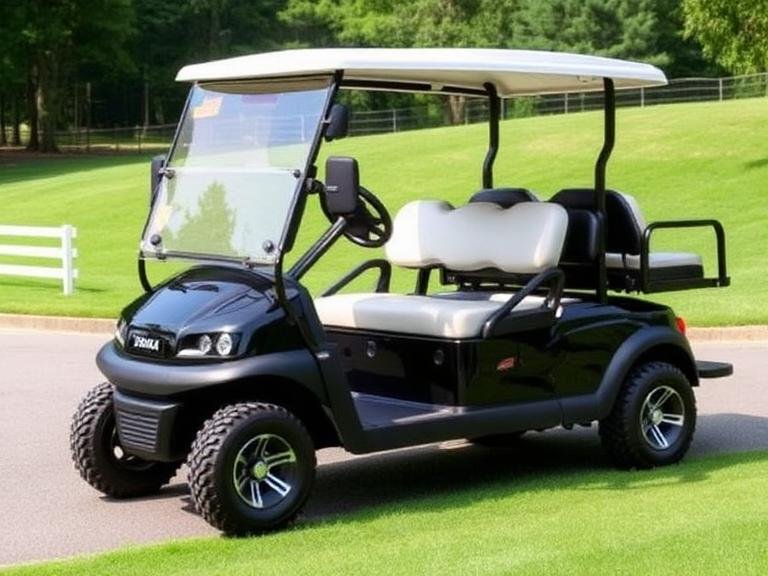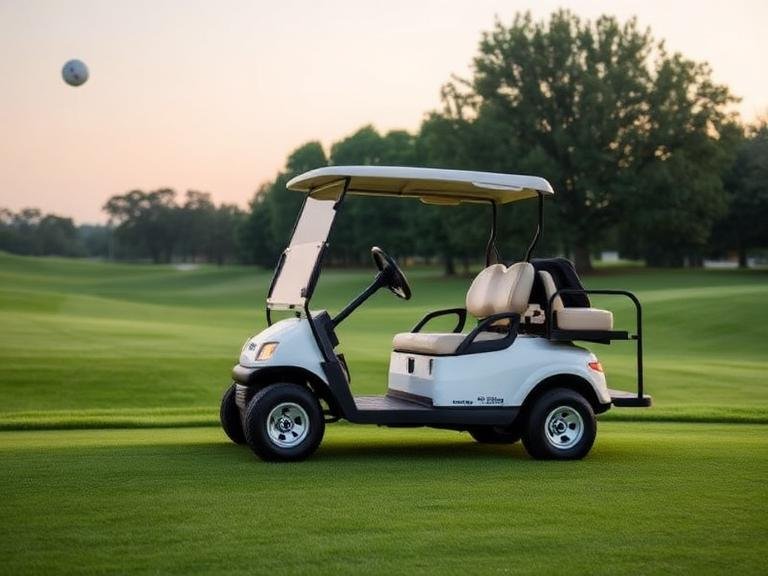
The sticker shock associated with modern electric vehicles has driven thousands of consumers and fleet managers to the secondary market. When faced with a $10,000 price tag for a brand-new lithium-ion model, the immediate question on every buyer’s mind is whether it is cheaper to buy a used golf cart. The allure of a $4,500 pre-owned vehicle is undeniable, but the secondary market is fraught with hidden mechanical liabilities, disguised fleet abuse, and predatory dealer markups.
From our experience designing, manufacturing, and supplying electric vehicles globally at GT Golf Cart, we have seen countless buyers fall into the “cheap cart” trap. They purchase a visually appealing refurbished cart, only to suffer catastrophic battery failure three months later. In the electric mobility sector, the initial purchase price is rarely the final cost. In this comprehensive industry guide, we will strip away the marketing jargon and analyze the true cost of ownership. We will determine if it is actually cheaper to buy a used golf cart, explain the critical difference between “used” and “refurbished,” and provide you with the exact metrics needed to make a sound commercial or personal buying decision.
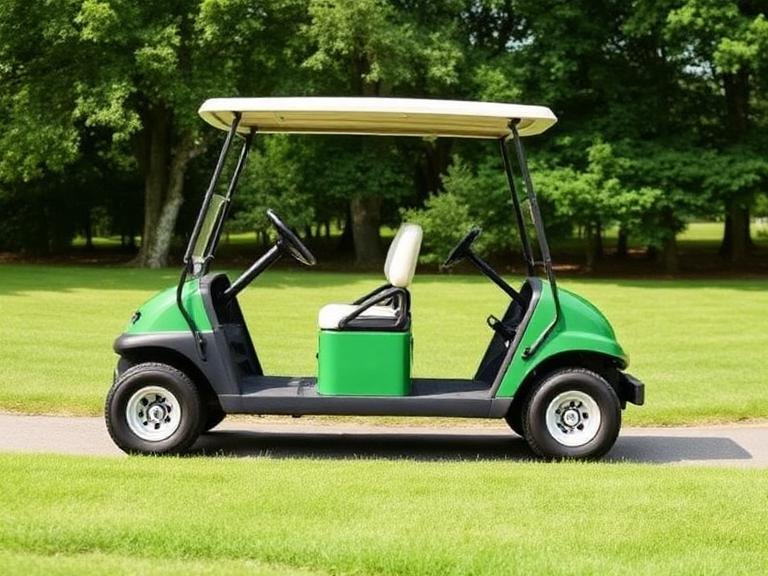
Quick Answer: Is It Cheaper to Buy a Used Golf Cart?
It is cheaper to buy a used golf cart only in terms of the initial upfront purchase price. However, over a 3-to-5-year timeline, a used golf cart is frequently more expensive than a new one. If you purchase a 4-year-old used cart for $4,500 and are forced to replace its dying lead-acid battery pack ($1,500), upgrade an outdated DC motor controller ($600), and replace worn suspension bushings ($400), your total investment surges to $7,000. For that same price, you could have purchased a brand-new, zero-maintenance OEM lithium golf cart with a multi-year factory warranty. We recommend buying used only if you are mechanically inclined and have verified the batteries are less than six months old.
Table of Contents
- What It Is: The State of the Used Golf Cart Market
- How It Works: Fleet Trade-Ins and Refurbishing
- The Benefits of Buying Used
- The Limitations and Hidden Costs
- Who Should Buy Used (And Who Should Not)
- Common Mistakes Buyers Make
- Crucial Buying Considerations
- Our Expert Recommendation
- Cost Analysis and Comparison Tables
- Frequently Asked Questions
What It Is: The State of the Used Golf Cart Market
When consumers ask if it is cheaper to buy a used golf cart, they are usually looking at one of two distinct categories: private party “As-Is” sales or dealer “Refurbished” models.
An “As-Is” cart is exactly what it sounds like—a vehicle sold by an individual with no warranty, no updates, and all the existing wear and tear. A “Refurbished” cart is a vehicle that a dealer has purchased at a wholesale auction, stripped of its scratched plastic body, and dressed up with a new aftermarket cowl, a cheap lift kit, and fresh vinyl seats. It looks brand new to the untrained eye, but the chassis, electric motor, steering rack, and wiring harness are entirely used. Understanding this distinction is the first step in assessing a Golf Cart with Least Problems.
How It Works: Fleet Trade-Ins and Refurbishing
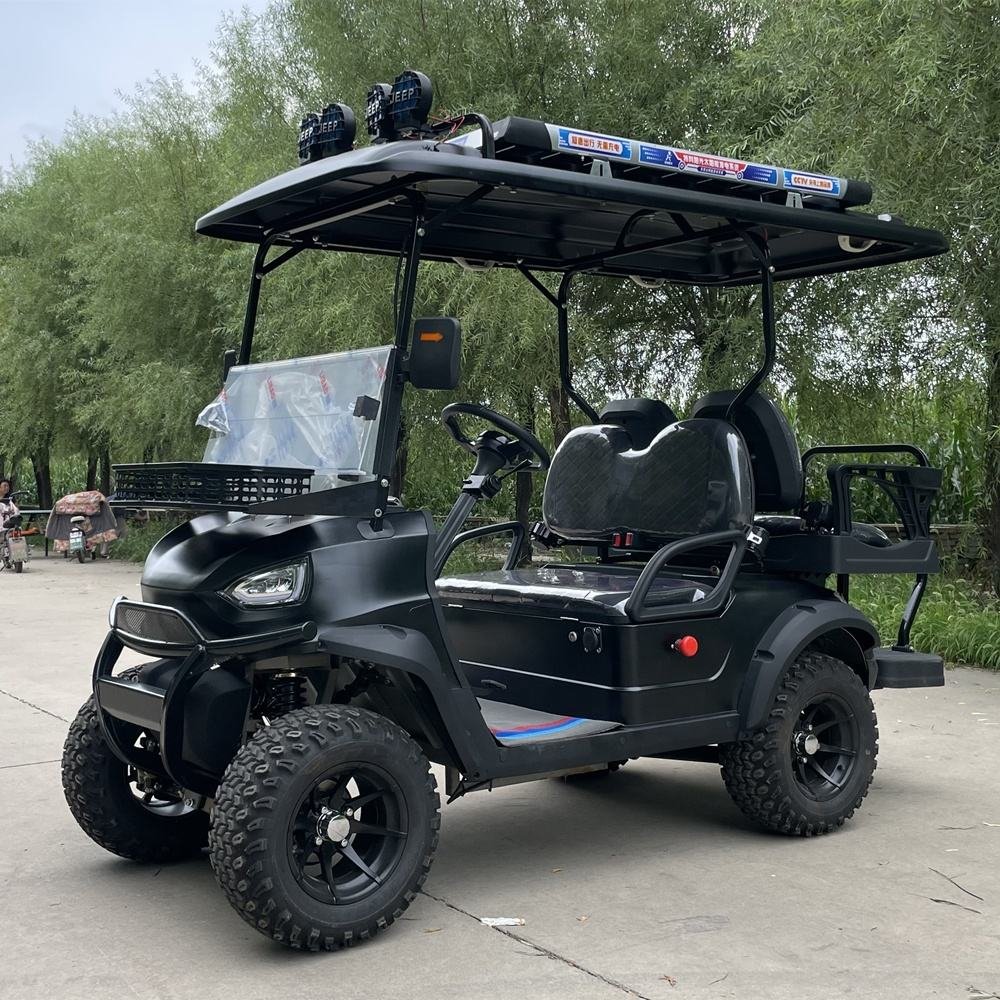
To understand why the market operates this way, you must understand fleet leasing. Major golf courses lease fleets of 50 to 100 carts from massive legacy brands for exactly three to four years. After this period, the carts are returned to the manufacturer. By year four, standard lead-acid batteries are at the absolute end of their usable lifecycle.
Dealers buy these off-lease fleet carts in bulk for pennies on the dollar. If you study the Golf Cart Dealer Profit Margin, you will realize that dealers make their highest margins by putting a $400 cosmetic body kit on a tired fleet cart and selling it to a consumer for $5,500. The mechanical internals have endured four years of daily abuse from careless golfers and harsh elemental exposure.
The Benefits of Buying Used
Despite the risks, there are undeniable benefits that make it cheaper to buy a used golf cart under specific circumstances.
- Avoidance of Initial Depreciation: Like automobiles, a new golf cart loses 15% to 20% of its value the moment it is delivered. A used cart has already experienced this depreciation curve, meaning you can often resell it a year later for exactly what you paid for it.
- Lower Barrier to Entry: For families simply wanting a vehicle to drive to the community pool or neighborhood mailbox, dropping $4,000 cash is vastly more palatable than financing $11,000 for a new model.
- Customization Freedom: When you buy a used cart, you are not bound by a strict factory warranty. You have the freedom to chop the frame, install aftermarket high-speed controllers, and completely modify the vehicle without fear of voiding an expensive OEM agreement.
The Limitations and Hidden Costs
The argument over whether it is cheaper to buy a used golf cart almost entirely hinges on the battery pack. In most professional situations, the battery pack is the heart, soul, and wallet of the vehicle.
If you buy a used 48-volt cart with lead-acid batteries that are three years old, those batteries are essentially dead. A full replacement set of quality deep-cycle lead-acid batteries costs between $1,200 and $1,800. If you choose to upgrade that used cart to a modern lithium-ion system, you are looking at $2,000 to $3,000.
Furthermore, older fleet carts utilize DC (Direct Current) brushed motors, which are highly inefficient, struggle on steep hills, and require regular brush maintenance. Modern new carts utilize AC (Alternating Current) brushless motors, providing massive torque, higher top speeds, and zero maintenance. Attempting to convert an old used DC cart to a modern AC drive system will cost upwards of $1,500 in parts alone.
Who Should Buy Used (And Who Should Not)
For beginners and DIY mechanics: If you are handy with a multimeter, understand 48V electrical architecture, and simply want a weekend garage project to tinker with, it is definitely cheaper to buy a used golf cart. You can source a rolling chassis and build it exactly to your specifications.
For commercial users: Do not buy used fleet carts for your business. When operational uptime dictates your revenue—whether you manage a hotel resort, an industrial warehouse, or a security patrol—you cannot afford downtime. For heavy-duty applications, the cost of unexpected repairs far outweighs the initial savings. We strongly advise investing in a dedicated Commercial Golf Cart backed by a factory warranty.
Common Mistakes Buyers Make
The most catastrophic mistake buyers make is trusting the aesthetic appearance over mechanical integrity. A shiny new paint job does not fix worn-out kingpins, a failing steering rack, or a heavily sulfated battery pack.
Another common mistake is failing to check the battery date codes. Every lead-acid battery has a stamp (usually a letter for the month and a number for the year, e.g., “C2” for March 2022). If a seller claims the batteries are “new,” but the date code proves they are three years old, walk away immediately. To truly gauge how long a vehicle should survive, review our data on Electric Golf Cart Lifespan.
Crucial Buying Considerations
If you decide that it is cheaper to buy a used golf cart for your specific scenario, you must perform a ruthless inspection prior to handing over any cash.
- Frame Inspection: If you live in a coastal area, a steel frame will inevitably rust. Look underneath the battery tray; this is where battery acid boils over and corrodes the steel chassis. An aluminum frame is vastly superior for longevity.
- Test Drive Under Load: Do not just drive the cart on flat pavement. Find a steep hill. If the cart shudders, dramatically loses speed, or if the battery meter immediately drops to zero under acceleration, the battery pack has failed load testing and requires total replacement.
- Passenger Capacity vs. Suspension: If you are buying a cart that a dealer has stretched to fit six people, check the rear suspension. Many cheap dealers install a heavy 6-passenger kit without upgrading to heavy-duty rear leaf springs. This causes the cart to sag dangerously and creates a massive safety hazard. If you need capacity, look directly at a factory-built 6 Passenger Electric Golf Cart instead of a modified used 2-seater.
Our Expert Recommendation
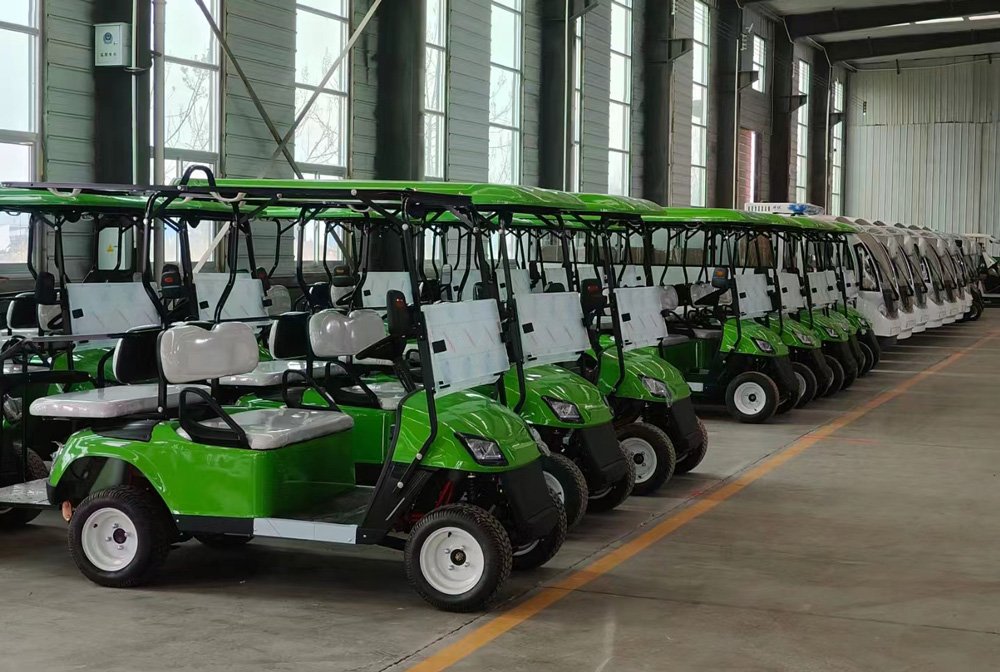
At GT Golf Cart, we design and manufacture mobility solutions with over 12 years of industry engineering experience. We have dissected, rebuilt, and analyzed every major brand on the market. In our testing, the financial math for the average consumer has shifted dramatically in 2026.
Five years ago, it was absolutely cheaper to buy a used golf cart. Today, the influx of high-quality, factory-direct lithium golf carts has closed the pricing gap. When you factor in the cost of replacing lead-acid batteries, repairing outdated DC motors, and dealing with no warranty, the used market is a massive gamble. We recommend bypassing the headaches of the secondary market entirely. By investing in a new Custom Lithium Golf Cart, you secure a zero-maintenance AC powertrain, a proprietary lithium-ion battery management system, and total peace of mind for the next decade.
Cost Analysis and Comparison Tables
| Category | Average Price (2026) | Battery Status | Warranty | Best For |
|---|---|---|---|---|
| Brand New (Lithium) | $7,500 – $11,000 | New Lithium (8-10 yr life) | 3 to 5 Years Factory | Long-term owners, Commercial |
| Dealer Refurbished | $5,500 – $7,000 | Questionable / Lead-Acid | 30 to 90 Days Dealer | Neighborhood cruisers |
| “As-Is” Used (Private) | $2,500 – $4,500 | Likely needs replacing | None | DIY Mechanics, Project builds |
| Expense Metric | Used Cart (Purchased at $4,500) | New GT Lithium Cart (Purchased at $8,500) |
|---|---|---|
| Initial Purchase Price | $4,500 | $8,500 |
| Battery Replacement (Within 5 Yrs) | $1,500 (Lead-Acid) or $2,500 (Lithium) | $0 (Lithium lasts 8+ years) |
| Motor/Controller Maintenance | $600 (DC motor brush/controller wear) | $0 (AC brushless motor) |
| Suspension/Brake Overhaul | $400 (Aging fleet parts) | $0 (Covered by warranty / new) |
| Total 5-Year Out-of-Pocket | $7,000 – $8,000 | $8,500 |
| Pros (Benefits) | Cons (Limitations) |
|---|---|
| Significantly lower initial cash outlay. | High probability of imminent battery failure. |
| Bypasses steep first-year depreciation. | Outdated, inefficient DC motor technology. |
| Easy to modify without voiding warranties. | Hidden structural damage or frame rust. |
| Cheap cosmetic parts are readily available. | Virtually zero recourse or warranty support. |
| Component to Check | What to Look For | Red Flags (Walk Away) |
|---|---|---|
| Battery Date Codes | Stamps indicating age under 2 years. | No stamps, mismatched battery brands, bulging cases. |
| Chassis / Frame | Clean, straight metal with intact welds. | Heavy rust scaling, cracked welds, sagging suspension. |
| Wiring Harness | Clean, factory-loomed wiring runs. | Melted battery terminals, spliced electrical tape jobs. |
| Steering Play | Tight, responsive steering input. | Excessive “dead” zone in steering wheel, wandering at speed. |
Frequently Asked Questions
Is it cheaper to buy a used golf cart?
Upfront, yes. However, if the used cart requires a replacement lead-acid or lithium battery pack within the first year, the total cost of ownership often exceeds the price of a brand-new factory lithium golf cart.
How long do batteries last in a used golf cart?
Standard lead-acid batteries typically last 3 to 5 years depending on maintenance and charging habits. If you buy a 4-year-old fleet cart, expect to replace the batteries almost immediately.
What is a refurbished golf cart?
A refurbished golf cart is typically a used fleet cart (usually 3 to 5 years old) that a dealer has updated with a new plastic body, new seats, and sometimes a basic lift kit. The motor, chassis, and electronics are usually the original used parts.
Authoritative References & Industry Standards
To ensure our cost analysis and safety recommendations align with federal and industry standards, we reference data from the following authoritative bodies:
- National Highway Traffic Safety Administration (NHTSA) – For safety guidelines and operational standards distinguishing standard golf carts from Low-Speed Vehicles (LSVs).
- Battery Council International (BCI) – Providing industry-standard lifecycle data and testing methodologies for lead-acid and lithium deep-cycle motive batteries.
- Golf Cart Resource – A leading independent authority on secondary market valuations, depreciation curves, and dealer margin analysis within the electric mobility sector.