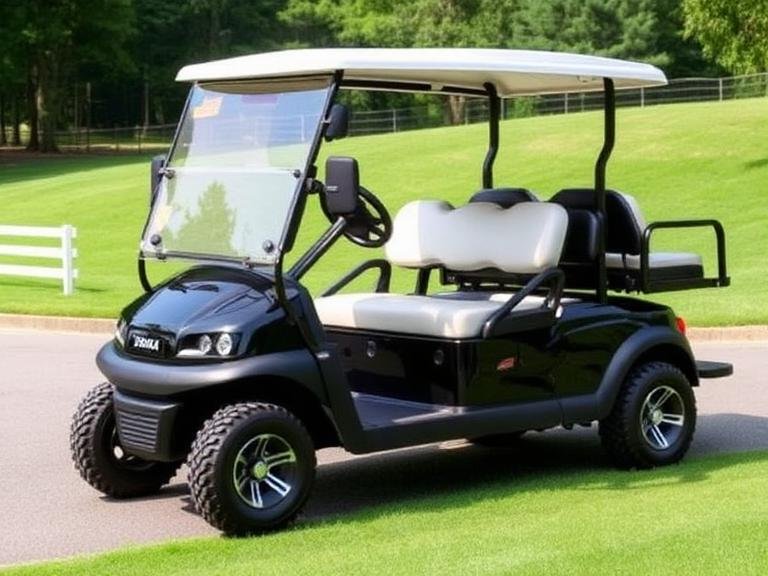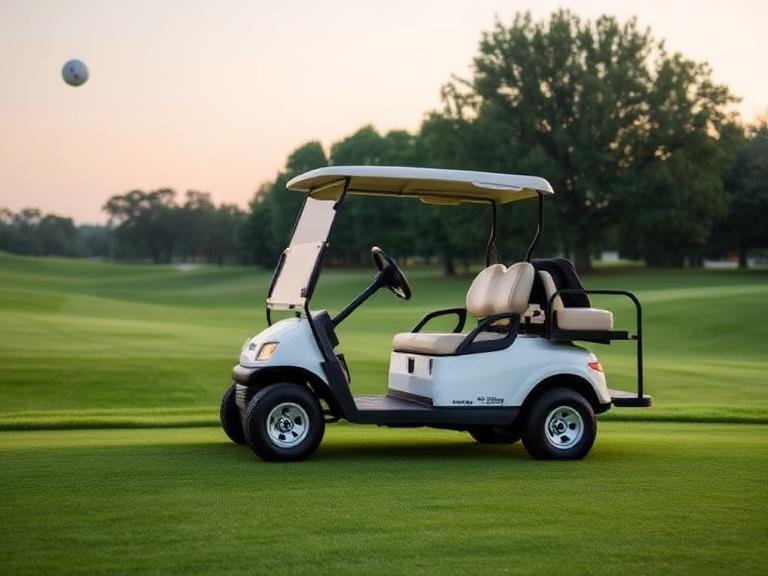
Walk into any suburban neighborhood, resort community, or regional dealership showroom, and you will see lifted electric carts dominating the pavement. Buyers love the commanding stance, the aggressive 14-inch machined alloy wheels, and the rugged presence of a raised chassis. However, many first-time buyers and commercial fleet managers fall into a costly mechanical trap: they assume that raising a vehicle’s ride height automatically upgrades its suspension comfort. They purchase an aging fleet cart retrofitted with a cheap two-hundred-dollar block lift and knobby mud-terrain tires, drive it over a residential speed bump, and are shocked when the cart rattles their dental work, wanders across the lane, and vibrates violently at twenty miles per hour. When evaluating the question, do lifted golf carts ride better, neutral generalizations are useless. In low-speed vehicle (LSV) engineering, a lift kit can either transform a utilitarian turf buggy into a plush, automotive-grade cruiser, or ruin its steering geometry and turn it into an unstable hazard. At GT Golf Cart, we engineer tubular chassis frames, calibrate independent coil-over damping curves, and manufacture factory-lifted electric vehicles for global export daily. Here is our direct practitioner evaluation answering do lifted golf carts ride better, breaking down the suspension kinematics, tire sidewall physics, and drivetrain realities you must weigh before spending a dime.
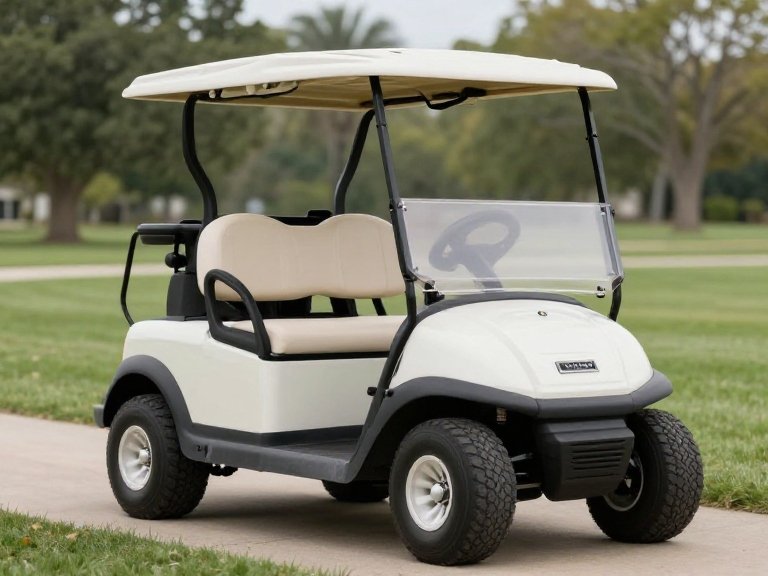
Direct Answer: Do Lifted Golf Carts Ride Better in Real-World Use?
To answer directly: a lifted golf cart rides better than a stock cart only when the lift replaces the archaic stock leaf-spring front end with an independent Double A-arm or automotive-style MacPherson strut suspension, and pairs it with radial tires having at least four inches of flexible sidewall.
If you ask, do lifted golf carts ride better when comparing a purpose-built, factory-lifted Off Road Golf Cart against a standard 18-hole fleet buggy on rough asphalt, gravel trails, or brick pavers, the lifted cart wins by a wide margin. Standard golf course carts are engineered with short-travel (~2.5 inches) suspension designed solely to roll across manicured grass at 12 mph; when driven on broken neighborhood streets or dirt paths, their suspension bottoms out immediately against the rubber bump stops. A properly engineered 4-inch to 6-inch suspension lift doubles vertical wheel travel, absorbs deep potholes without chassis bottoming, and isolates the steering wheel from bump-steer kickback. Conversely, if a cart is lifted using a budget drop-axle or spindle kit that retains the stiff factory leaf springs and adds heavy, low-profile bias-ply mud tires, it will ride noticeably stiffer, louder, and more erratically on smooth pavement than a stock cart.
Quick Answer: When Do Lifted Golf Carts Ride Better vs. Worse?
Evaluating do lifted golf carts ride better comes down to three hardware factors: (1) The Suspension Architecture (Independent Double A-Arm and Coil-Over lifts ride significantly smoother by allowing each wheel to absorb bumps independently, whereas cheap Drop-Axle and Block lifts increase unsprung leverage and ride harsher); (2) Wheel-to-Tire Sidewall Ratio (A 22-inch or 23-inch radial tire mounted on a 10-inch or 12-inch wheel provides a plush air cushion that glides over expansion joints, while a 14-inch or 15-inch wheel with a thin, low-profile tire transmits every pebble into the seat frame); and (3) Rear Spring Calibration (Heavy-duty 4-leaf rear springs ride stiffly when driving solo unless matched to the persistent weight of a rear flip-seat or cargo load). For commercial buyers and families seeking the best ride quality, we recommend skipping bolt-on aftermarket kits and investing in a factory-engineered lifted platform from an experienced OEM like GT Golf Cart, where suspension geometry, shock damping, and 4-wheel hydraulic brakes are integrated from day one.
Article Directory
- Direct Answer: Do Lifted Golf Carts Ride Better in Real-World Use?
- What It Is & How It Works: The 4 Golf Cart Lift Architectures Explained
- Quick Summary Table: Ride Quality by Lift Kit & Tire Type
- Tire & Wheel Physics: Why Sidewall Height Dictates 50% of Ride Comfort
- Real-World Benefits and Mechanical Limitations of Lifted Carts
- Manufacturer Spotlight: GT Golf Cart Factory-Engineered Lifted Platforms
- Comparison Table: Stock Cart vs. Aftermarket Bolt-On Lift vs. Factory Lifted OEM
- Pros and Cons Table: Lifted Golf Carts vs. Standard Height Carts
- Who Should Buy a Lifted Golf Cart vs. Who Does Not Need One
- 5 Costly Mistakes That Ruin Lifted Golf Cart Ride Quality
- Buying Considerations & Cost-Benefit Analysis: DIY Upgrade vs. Turnkey Purchase
- Expert Recommendation: The Final Verdict on Lifted Ride Quality
- Frequently Asked Questions
- Authoritative References & Vehicle Safety Standards
What It Is & How It Works: The 4 Golf Cart Lift Architectures Explained
To understand why two lifted carts parked side by side can feel completely different on the road, you must look underneath the front cowl. Lifting a golf cart means increasing the vertical distance between the axle hubs and the main chassis frame to gain ground clearance and create fender room for taller tires (typically 20-inch to 23-inch overall diameter, compared to stock 18-inch turf tires). However, the mechanical method used to achieve that vertical separation determines how kinetic impact energy travels from the road surface into your spine.
In our testing across chassis dynamometers and rough-road test tracks, all golf cart lifts fall into four mechanical categories:
1. Independent Double A-Arm & Coil-Over Suspension Lifts (The Gold Standard)
An Independent Double A-arm lift completely removes the outdated stock front suspension—discarding the transverse leaf spring, kingpins, and solid beam—and replaces it with an automotive-grade tubular steel sub-frame featuring upper and lower control arms (wishbones) and adjustable coil-over shock absorbers. When the left front tire hits a three-inch pothole, the left A-arms pivot upward, compressing only the left coil spring while the right tire remains planted flat on the asphalt. Because the unsprung mass is reduced and the coil-over shocks feature hydraulic rebound damping, the cart glides over rough terrain without pitching the passengers side to side. Furthermore, Double A-arm kits allow precise adjustment of camber and caster angles, eliminating steering wheel wander at 25 mph.
2. Spindle Lifts (The Budget Stiffness Compromise)
A spindle lift does not alter the springs or shock absorbers at all. Instead, it replaces the factory steering knuckles (spindles) with elongated, heavy cast-iron or welded steel spindles that lower the wheel hub relative to the kingpin. While a spindle lift widens the front wheel track—which slightly improves lateral stability—it retains the worn-out, stiff factory leaf springs. Worse, extending the spindle alters the scrub radius (the distance between the steering axis inclination line and the center of the tire contact patch). From our experience, spindle lifts increase steering effort, amplify bump-steer when one wheel strikes a rock, and offer zero improvement in vertical ride plushness over stock.
3. Drop-Axle Lifts (The Heavy-Duty Workhorse with a Harsh Ride)
In a drop-axle lift, the factory front axle beam is replaced with an arched, dropped steel beam that sits beneath the leaf spring rather than above it. Drop axles are strong and resist bending when hauling heavy loads in utility applications. However, because they place a solid, non-independent steel beam across the front wheels, any bump struck by the passenger-side tire forces the entire solid axle to tilt, sending a jarring lateral shockwave through the driver’s side of the cart. If you ask, do lifted golf carts ride better with a drop axle, the honest engineering answer is no: they ride like an unloaded 1970s farm truck.
4. Block and Spacer Lifts (The Dangerous Shortcut)
Block lifts simply insert metal or polyurethane spacer blocks between the existing axles and the leaf springs. They are the cheapest kits on the market ($150 to $250) and the worst performing. Blocks increase mechanical leverage (axle wrap) on aged factory leaf springs whenever you accelerate or hit the brakes. They offer zero increase in suspension travel, drastically raise the center of gravity without widening the track width, and create a bouncy, top-heavy ride that feels terrifying in tight corners.
Quick Summary Table: Ride Quality by Lift Kit & Tire Type
| Lift / Chassis Configuration | Suspension Independence | Pavement Ride Comfort | Off-Road Trail Absorption | Steering Precision (25 MPH) | Overall Verdict |
|---|---|---|---|---|---|
| Factory-Engineered Lifted OEM (Double A-Arm / MacPherson) | 100% Independent Front | 9.5 / 10 (Plush, automotive feel) | 9.5 / 10 (6+ inches travel) | Excellent (Zero bump steer) | Best Overall Investment |
| Aftermarket Double A-Arm Kit (With 12″ Wheel Radial Tires) | 100% Independent Front | 8.5 / 10 (Smooth & controlled) | 9.0 / 10 (Articulates cleanly) | Very Good (Adjustable camber) | Best DIY Upgrade Path |
| Spindle Lift Kit (Retains Stock Leaf Springs) | Semi-Independent / Linked | 6.0 / 10 (Same stiffness as stock) | 5.5 / 10 (Limited wheel travel) | Fair (Wider turning radius) | Acceptable for flat streets only |
| Drop-Axle Lift Kit (With 14″ Wheel Mud Tires) | Solid Beam (Non-Independent) | 4.0 / 10 (Harsh, loud, jarring) | 6.5 / 10 (Strong but bouncy) | Poor (Prone to steering wander) | Avoid for passenger comfort |
| Block / Spacer Lift (On Aged Factory Springs) | None (Stock geometry stressed) | 3.0 / 10 (Top-heavy & tippy) | 2.5 / 10 (Bottoms out & wraps) | Dangerous (High roll risk) | Never Recommended |
Tire & Wheel Physics: Why Sidewall Height Dictates 50% of Ride Comfort
Even the finest suspension cannot save a lifted golf cart from terrible tire selection. In our testing of customer carts brought in for ride-quality complaints, over half of the harshness blamed on the lift kit is actually caused by the wheel and tire package. On a lightweight vehicle weighing between 900 and 1,300 pounds, the pneumatic air chamber inside the tire acts as the primary high-frequency shock absorber—absorbing small road cracks, gravel chatter, and brick joints before the mechanical suspension springs even begin to compress.
When evaluating do lifted golf carts ride better, you must balance three critical tire variables:
- Sidewall Aspect Ratio (10-Inch and 12-Inch vs. 14-Inch and 15-Inch Wheels): A lifted cart typically runs a 22-inch or 23-inch tall tire. If you mount a 23-inch tire onto a 10-inch or 12-inch alloy wheel, you have 5.5 to 6.5 inches of flexible rubber sidewall surrounding the rim. That tall sidewall flexes gracefully over bumps, providing a pillowy ride. Conversely, if you mount a 22-inch tire onto a massive 14-inch or 15-inch wheel, the rubber sidewall is reduced to a stiff, 3.5-inch rubber band. There is almost zero pneumatic cushion; every pebble and expansion joint slams directly through the aluminum rim into the wheel bearings and chassis.
- Radial vs. Bias-Ply Carcass Construction: Cheap aftermarket golf cart tire packages use 4-ply or 6-ply bias-ply tires. Bias-ply tires have diagonal nylon cords that make the tread and sidewall stiff and interdependent; when parked overnight, they develop temporary “flat spots” that thump for the first mile of driving. For a superior ride, we recommend insisting on DOT-approved steel-belted radial tires. Radials allow the sidewall to flex independently of the tread face, running cooler, quieter, and noticeably softer across paved streets.
- Tread Lug Harmonic Vibration: Agricultural V-bar mud tires and aggressive knobby off-road tires look intimidating in photos, but on paved neighborhood streets, the wide voids between the rubber lugs slap against the asphalt continuously. At 18 to 25 mph, this generates a loud droning roar and a high-frequency vibration through the floorboard and steering column. Unless your cart spends 80% of its life in deep mud, an all-terrain (AT) hybrid tread or street-radial pattern will make your lifted cart ride exponentially better.
Real-World Benefits and Mechanical Limitations of Lifted Carts
Before deciding whether to lift an existing cart or purchase a lifted model, you must weigh the genuine functional benefits against the inescapable laws of vehicle physics.
The Proven Benefits of a Properly Lifted Golf Cart
- Elimination of Suspension Bottoming on Multi-Passenger Carts: When you load four to six adults onto a standard-height 4 Passenger Golf Cart or stretched 6 Passenger Golf Cart, the added payload compresses the stock rear springs to within an inch of the rubber bump stops. Hitting a shallow dip causes a harsh metallic slam. A lifted suspension with progressive-rate coil-overs or heavy-duty leaf springs provides the vertical travel and ground clearance needed to carry a full passenger load smoothly.
- Superior Approach, Breakover, and Departure Angles: Stock carts have low battery trays and rear footplates that scrape on steep driveway aprons, curb cuts, tree roots, and beach transitions. Adding 4 to 6 inches of lift plus taller tires raises frame clearance from 4.5 inches to over 9 inches, eliminating undercarriage scraping.
- Improved Visibility and Traffic Presence: Sitting 5 to 7 inches higher gives the driver a clearer sightline over parked cars and hedges at neighborhood intersections, while making the cart far more visible to full-size SUVs and pickup trucks when operating as a Street Legal Golf Cart.
The Mechanical Limitations and Trade-Offs
- Elevated Center of Gravity (CoG) and Rollover Physics: Raising a vehicle’s mass 6 inches upward increases lateral weight transfer during cornering. While a proper lift kit compensates for this by widening the wheel track by 3 to 4 inches (using offset wheels and wider A-arms), a lifted cart still requires disciplined speed management during sharp turns on sloped terrain, as highlighted in safety analyses by the U.S. Consumer Product Safety Commission (CPSC).
- Rotational Mass and Drivetrain Torque Loss: A stock 18-inch turf tire and steel wheel assembly weighs roughly 16 pounds. An aggressive 23-inch off-road tire on a 14-inch cast alloy wheel can weigh 32 to 38 pounds. Doubling the unsprung rotational mass at all four corners acts like a heavy flywheel: it demands up to 20% more electrical current from your motor controller during acceleration and hill climbing, and increases braking distances if the cart relies on outdated rear-only mechanical drum brakes.
- Elevated Step-In Height: A 6-inch lift combined with 23-inch tires raises the floorboard height to roughly 16 to 18 inches off the ground. For elderly passengers, young children, or riders with hip and knee mobility restrictions, climbing into the cart without side nerf bars or running boards becomes noticeably harder.
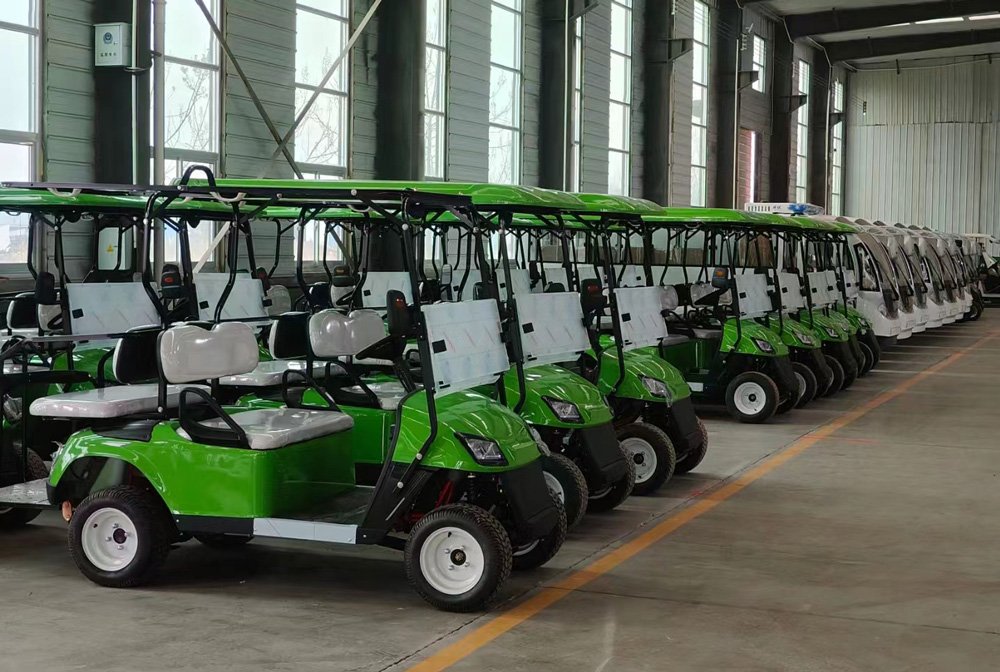
Manufacturer Spotlight: GT Golf Cart Factory-Engineered Mobility Solutions
Why gamble with mismatched aftermarket bolt-on lift kits when you can source a vehicle engineered from the ground up for lifted stability and plush ride quality? GT Golf Cart is a premier global manufacturer specializing in electric golf carts, sightseeing shuttles, and low-speed electric vehicles built with automotive-grade suspension geometry.
| Manufacturing Pedigree | 12+ Years of Specialized Experience in electric chassis, suspension, and powertrain engineering |
| Global Production Scale | 10+ Containers Monthly exported directly from our ISO-certified production lines |
| International Footprint | 40+ Countries Served across North America, Europe, the Middle East, Africa, and Asia-Pacific |
| Suspension & Braking Spec | Factory-calibrated Independent Front Suspension (IFS), hydraulic coil-over dampers, and 4-wheel hydraulic disc brakes |
| Powertrain Integration | High-torque 48V and 72V AC brushless induction motors paired with native LiFePO4 battery packs to turn tall tires effortlessly |
Factory Engineer’s Advice: Whether you are outfitting a luxury resort fleet, stocking a regional dealership, or ordering a bespoke personal cruiser, factory integration always beats garage retrofits. Explore our corporate manufacturing capabilities at the GT Golf Cart manufacturer portal, browse our Custom Golf Cart options, or compare global production standards in our Golf Cart Manufacturers in China sourcing guide.
Comparison Table: Stock Cart vs. Aftermarket Bolt-On Lift vs. Factory Lifted OEM
| Engineering Parameter | Stock Fleet Golf Cart (Standard Turf Spec) | Aftermarket Bolt-On Lift (Retrofitted Used Cart) | Factory-Engineered Lifted OEM (GT Golf Cart Lifted Spec) |
|---|---|---|---|
| Front Suspension Design | Transverse mono-leaf spring | Varies (Often drop-axle or basic A-arm) | Automotive Double A-Arm / MacPherson |
| Vertical Wheel Travel | 2.0 to 2.5 inches (Bottoms out easily) | 3.5 to 4.5 inches | 5.5 to 6.5 inches (Plush damping) |
| Braking System | 2-wheel rear mechanical cable drums | Overwhelmed stock rear drums | 4-Wheel Hydraulic Disc + EM Parking Brake |
| Drivetrain Torque Calibration | Geared for small 18″ turf tires | Strained by heavy 23″ aftermarket tires | High-torque 48V/72V AC matched to 23″ tires |
| Steering Geometry & Scrub | Light, calibrated for 12 mph turf | Prone to toe-in drift & fender rub | Zero-scrub rack-and-pinion (Optional EPS) |
| Chassis Frame Stress | Low (Within original design envelope) | High (Sub-frame bolts loosen over time) | Reinforced tubular steel with E-coat armor |
Pros and Cons Table: Lifted Golf Carts vs. Standard Height Carts
| Vehicle Configuration | Documented Practical Advantages (Pros) | Real-World Operational Liabilities (Cons) |
|---|---|---|
| Lifted Golf Carts (4″ to 6″ Lift + 22″–23″ Tires) | Double A-arm setups absorb potholes, curbs, and rough trails smoothly. Prevents rear suspension bottoming when carrying 4 to 6 adult passengers. High 8″ to 10″ ground clearance protects battery trays from rocks and roots. Commanding driver sightlines and bold, high-resale aesthetic appeal. Taller tire circumference smooths out shallow pavement cracks. | Banned on most private 18-hole golf courses due to turf-tire rules. Higher step-in height requires side running boards for shorter riders. Heavy mud tires reduce battery range by 10% to 15% per charge. Cheap drop-axle or block kits ruin steering stability and ride harsh. |
| Standard Height Golf Carts (Stock Non-Lifted Configuration) | Low center of gravity delivers crisp, flat cornering on paved paths. Effortless 11-inch step-in height for seniors and golfers. 100% compliant with country club and municipal golf course turf rules. Lightweight 18″ tires maximize battery range and acceleration efficiency. Fits easily inside standard height 6-foot garage doors and toy haulers. | Minimal suspension travel; slams hard over speed bumps and potholes. Low ground clearance scrapes undercarriage on gravel or unpaved trails. Sags noticeably in the rear when retrofitted with a rear flip seat. |
Who Should Buy a Lifted Golf Cart vs. Who Does Not Need One
In most professional situations, we advise clients to match their suspension height to their actual terrain split rather than buying purely on showroom looks. Here is how to make the right call:
Who Should Invest in a Lifted Golf Cart
- Suburban Neighborhood & Street-Legal Commuters: If you drive on public roads governed by 25 to 35 mph speed limits, encounter aggressive asphalt speed humps, or navigate rough concrete expansion joints, a lifted Electric Golf Cart with independent front suspension and DOT radial street tires will ride dramatically smoother and safer than a low-slung course cart. Review legal compliance requirements in our Road Legal Golf Carts guide.
- Multi-Passenger Family & Resort Haulers (4 to 8 Seats): Whenever you add a rear-facing flip seat or stretch a chassis into an 8 Passenger Golf Cart, the extra passenger weight over the rear axle demands increased suspension travel and tire load ratings. A lifted chassis prevents the rear fenders from rubbing on the tires over dips.
- Acreage Owners, Campgrounds, Hunters & Beach Communities: For heavy-duty applications across rutted dirt trails, coastal sand paths, agricultural estates, and wooded campgrounds, a stock cart will high-center its battery frame within minutes. A 6-inch lifted chassis with all-terrain tires is mandatory here.
Who Does Not Need a Lifted Golf Cart
- Dedicated 18-Hole Fairway Golfers: Most private country clubs and municipal golf courses enforce strict rules requiring non-lifted carts with smooth 18×8.50-8 turf tires to protect manicured greens and fairways.
- Riders with Mobility Challenges or Joint Pain: For beginners or senior residents in flat, paved retirement communities who step in and out of the cart twenty times a day, a standard-height Luxury Golf Cart equipped with plush coil-over shocks at stock height offers the easiest entry and exit without sacrificing comfort.
5 Costly Mistakes That Ruin Lifted Golf Cart Ride Quality
Suspension Engineer’s Warning: The “28 PSI Sidewall” Mistake
The number one reason owners complain that their lifted golf cart rides like a brick wagon costs zero dollars to fix: over-inflated tires. Many owners read the “Max Load at 28 PSI” stamping on the sidewall of a heavy 6-ply off-road tire and pump it up to 28 or 30 PSI. That maximum pressure rating is designed for a heavy 2,000-pound utility ATV hauling cargo. On a lightweight golf cart, 30 PSI turns the tire into solid concrete, causing the cart to bounce violently over every pebble. In our testing, dropping tire pressure to between 14 and 18 PSI on radial all-terrain tires transforms the ride quality immediately while maintaining full tread contact.
- Pairing a Front Lift with Stock, Fatigued Rear Springs (Or Overly Stiff 5-Leaf Springs): Many DIY builders install a nice Double A-arm lift on the front, but use simple metal shackles on the rear with either worn-out factory single-leaf springs (which bottom out) or ultra-stiff 5-leaf industrial cargo springs. An unloaded 5-leaf spring has zero give when only two people are on board, launching rear passengers out of their seats over bumps. Always choose progressive multi-leaf springs with rubber bushings or rear coil-over conversions.
- Eyeballing Front Wheel Alignment (Camber and Toe-In): After installing a lift kit, the geometry of the tie rods changes completely. Failing to set exact camber (0 to +0.5 degrees) and toe-in (1/8 inch to 1/4 inch toe-in) causes the front tires to scrub sideways against each other. This creates heavy, twitchy steering, ruins ride smoothness, and wears out a $700 set of tires in three months. If you are assembling a project yourself, follow the alignment steps in our Build Your Own Golf Cart Kit manual.
- Mounting 23-Inch Mud Tires on an Underpowered 36V or Basic 48V DC Cart: Slapping heavy 23-inch tires onto an older cart without upgrading the motor controller or battery system cuts hill-climbing torque by up to 20%. The motor overheats, the thermal breaker trips on inclines, and the acceleration feels sluggish and strained.
- Neglecting Brake Upgrades When Doubling Tire Mass: Larger, heavier wheels create massive rotational inertia. Expecting two small, cable-operated rear drum brakes to stop a lifted 6-passenger cart rolling downhill on 23-inch tires is a severe safety failure. Lifted carts require 4-wheel hydraulic disc brakes.
- Buying Ultra-Thin Low-Profile Tires on 15-Inch Wheels for Rough Roads: Choosing a 205/30-15 rubber-band street tire and driving it on cobblestoned streets or gravel paths. Without sidewall height to absorb initial impact, you will bend aluminum wheel rims and experience a harsh, unforgiving ride.
Buying Considerations & Cost-Benefit Analysis: DIY Upgrade vs. Turnkey Purchase
When commercial users or private buyers decide they want a lifted cart, they face a clear financial choice: buy a standard cart and retrofit an aftermarket lift kit, or purchase a factory-lifted cart built on a dedicated chassis.
Let us examine the real-world cost-benefit math:
- The Aftermarket Retrofit Route ($2,200 to $3,800+ Added Cost): A high-quality independent Double A-arm lift kit costs $650 to $950. A set of four 12-inch or 14-inch wheels wrapped in quality radial tires costs $800 to $1,200. Heavy-duty rear springs and upgraded shocks add $300. Professional shop installation and four-wheel alignment add $500 to $800 in labor. Even after spending $3,000, you are still left with an older chassis that has weak rear drum brakes, non-power steering, and a drivetrain geared for small 18-inch tires.
- The Factory-Engineered Lifted OEM Route (Superior ROI): When you order a lifted cart directly from a primary manufacturer like GT Golf Cart—whether for a commercial rental fleet across our 6 Seater Golf Cart Brands comparisons or international dealerships analyzed in our Golf Cart Manufacturers in South Africa report—the lift is not an afterthought. The tubular chassis is welded with reinforced suspension mounting towers, Electronic Power Steering (EPS) is integrated to make turning wide tires effortless with one finger, 4-wheel hydraulic disc brakes are standard, and the 48V/72V AC transaxle gear ratio is factory-matched to the 23-inch tire diameter.
Furthermore, factory-built low-speed vehicles adhere to strict structural stability, braking, and equipment mandates established by the National Highway Traffic Safety Administration (NHTSA FMVSS 500), alongside dynamic pitch and roll testing outlined in ANSI/ILTVA Z130.1 Golf Car Safety and Performance Specifications and engineering protocols from SAE International (SAE J2358 Low-Speed Vehicles).
Expert Recommendation: The Final Verdict on Lifted Ride Quality
From our experience building and testing thousands of electric vehicles across global terrains, our verdict on do lifted golf carts ride better is unequivocal: a lifted golf cart rides substantially better than a stock cart when—and only when—it utilizes an independent front suspension with coil-over damping and properly inflated radial tires.
To guarantee a plush, rattle-free, and stable ride, follow this exact three-step formula:
- Insist on Independent Double A-Arm or MacPherson Strut Front Suspension: Never buy a cart lifted with spacer blocks or a solid drop axle if passenger comfort is your priority. Independent wheel articulation is non-negotiable for a smooth ride.
- Choose the “Sweet Spot” Wheel and Tire Combo: Pair a 12-inch wheel with a 22-inch or 23-inch DOT radial all-terrain or street tire inflated to 16–18 PSI. This gives you aggressive lifted styling while preserving 5+ inches of flexible sidewall to cushion the road. Avoid aggressive agricultural mud lugs unless you drive exclusively in deep mud.
- Buy Factory-Lifted Rather Than Retrofitting: Save yourself the alignment headaches, strained motors, and weak brakes of garage bolt-on kits. Partner directly with GT Golf Cart to configure a turnkey, factory-lifted electric vehicle engineered from the frame up with matched AC torque, power steering, and 4-wheel hydraulic disc brakes.
Frequently Asked Questions
Do lifted golf carts ride better than stock height golf carts?
Whether a lifted golf cart rides better depends entirely on the suspension architecture and tire selection. A golf cart equipped with an independent Double A-arm lift or MacPherson coil-over suspension paired with DOT radial tires rides significantly better over bumpy roads, expansion joints, and unpaved trails than a stock cart. Conversely, a budget cart lifted with a cheap drop-axle or block kit and fitted with stiff, bias-ply mud tires will ride harsher, louder, and less stably than a factory-height cart.
Which type of golf cart lift kit provides the smoothest ride quality?
An independent front suspension (IFS) Double A-arm lift kit paired with nitrogen-charged coil-over shocks delivers the smoothest ride quality. Unlike drop-axle or spindle lifts that retain the stiff, transverse mono-leaf spring of a stock fleet cart, a Double A-arm system allows each front wheel to articulate independently over bumps without transferring lateral jarring across the steering rack.
Why does my lifted golf cart feel bouncy or stiff on paved streets?
A harsh, bouncy ride on a lifted golf cart is usually caused by three mechanical errors: over-inflating oversized tires to their maximum sidewall pressure (25 to 30 PSI) instead of an optimal 14 to 18 PSI, pairing low-profile 14-inch wheels with thin sidewalls that lack pneumatic cushioning, or installing stiff heavy-duty rear leaf springs without a rear passenger load to compress them.
Does lifting a golf cart reduce its top speed or hill-climbing torque?
Lifting the chassis itself does not alter speed, but installing taller 22-inch or 23-inch tires changes the effective final drive gear ratio. Taller tires slightly increase theoretical top speed on flat ground on high-powered carts, but they significantly increase rotational mass and reduce low-end wheel torque by 15 to 22 percent, which can cause older 36V or 48V DC carts to bog down on steep inclines unless upgraded to a high-amperage 48V or 72V AC system.
Authoritative References & Vehicle Safety Standards
- National Highway Traffic Safety Administration (NHTSA): 49 CFR Part 571.500 Federal Motor Vehicle Safety Standard for Low-Speed Vehicles (FMVSS 500)
- American National Standards Institute (ANSI): ANSI/ILTVA Z130.1 Standard for Golf Cars – Safety, Stability, and Braking Performance Specifications
- SAE International: Surface Vehicle Standard SAE J2358 – Dynamic Stability, Center of Gravity, and Suspension Testing for Low-Speed Vehicles