Steps to Build Your Own Golf Cart Kits: A Professional Blueprint
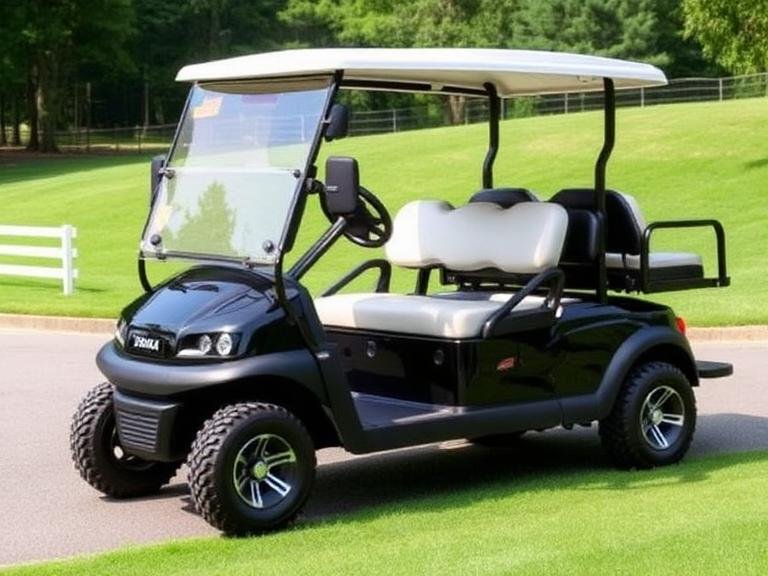
From our experience at GT Golf Cart, the do-it-yourself movement in electric mobility has never been stronger. Building your own golf cart using high-quality kits isn’t just about saving money—it’s about crafting a vehicle that fits your exact lifestyle, terrain, and style. With over 12 years in the industry and shipping to more than 40 countries, we’ve guided thousands of enthusiasts through the process. In this authoritative guide, we’ll share the exact steps to build your own golf cart kits successfully, along with insider tips that only decades of manufacturing can teach. Whether you need a two-passenger cruiser or a rugged off-road machine, you’ll learn how to turn a box of parts into a reliable electric vehicle.
Contents
Understanding Golf Cart Kits: What’s Included?
A typical “build your own golf cart kit” contains the core mechanical and electrical elements. However, not all kits are equal. At GT Golf Cart, we design our kits to be comprehensive, but we always recommend verifying the parts list. Below is a breakdown of standard components and the options you’ll encounter.
| Component | Typical Specification | Professional Insight |
|---|---|---|
| Frame / Chassis | Steel (powder-coated) or aluminum | From our experience, look for bolt‑together frames if you lack welding skills. |
| Body & Roof | ABS plastic or fiberglass | We recommend ABS for durability and lighter weight. |
| Electric Motor | 3 kW – 10 kW (DC or AC) | AC motors are more efficient; we use them in our luxury golf carts. |
| Controller | 300A – 600A, programmable | Always choose a name-brand controller for reliability. |
| Batteries | Lead‑acid (6V/8V) or Lithium (48V/72V) | We strongly suggest lithium for performance – they’re standard in our electric golf carts. |
| Suspension | Leaf springs or coil‑overs | If you plan off‑road, opt for heavy‑duty coil‑overs. |
| Brakes | Mechanical drum or hydraulic disc | Hydraulic disc brakes are safer; we include them on all street legal golf carts. |
| Wheels & Tires | 8” to 14” (street / all‑terrain) | Match the tread pattern to your primary terrain. |
Many kits also include wiring harnesses, seats, and a basic battery charger. However, if you’re aiming for a commercial golf cart or a special golf cart (like a limo or shuttle), you may need additional seating frames and extended body panels.
How to Select the Ideal Build Your Own Golf Cart Kit
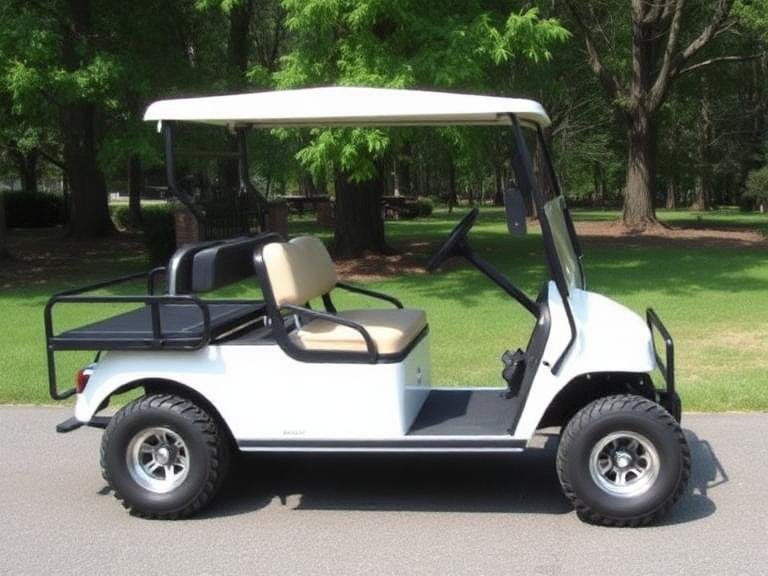
Before you open your wallet, define the mission: will your cart stay on paved paths, or tackle mud and hills? Do you need to carry four people or eight? GT Golf Cart manufactures everything from a 2 passenger golf cart to a 10 passenger golf cart, so we know that passenger capacity dictates frame length and motor power.
Street legality: If you intend to drive on public roads, your kit must include or allow for headlights, turn signals, mirrors, a horn, and a DOT windshield. We recommend looking for a street legal golf cart kit that already has these provisions. For off‑road adventures, a lifted off road golf cart kit with heavy‑duty suspension is worth the investment.
Battery choice: From our experience, lithium pays for itself in longevity and weight savings. Our luxury golf cart line is exclusively lithium‑powered. But lead‑acid remains budget‑friendly and widely available.
Why GT Golf Cart Sets the Standard
GT Golf Cart is a professional manufacturer specializing in electric golf carts, sightseeing vehicles, and low‑speed electric vehicles. Since our establishment, we have focused on delivering durable, efficient, and customizable electric mobility solutions for global markets.

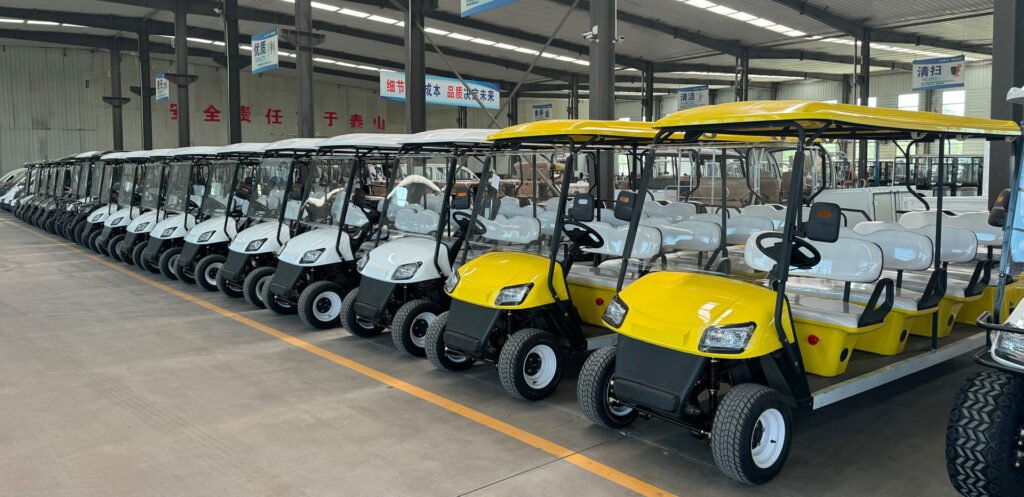
When you choose a kit from GT Golf Cart, you’re backed by global manufacturing expertise and a team that builds 10+ containers every month. We recommend visiting our Shopify store to explore ready‑to‑build kits or individual upgrade parts.
Essential Tools & Workspace Preparation
You don’t need a full auto shop, but a well‑organized garage is essential. We recommend: socket sets (metric/standard), torque wrench, multimeter, jack stands, drill/driver, wire crimpers, and a battery terminal puller. Safety gear (gloves, glasses) is non‑negotiable. Keep the area clean and ventilated – especially while handling batteries. From our experience, having a helper during body installation saves time and prevents scratches.
Step‑by‑Step Guide to Build Your Own Golf Cart Kits
Step 1: Planning & Inventory
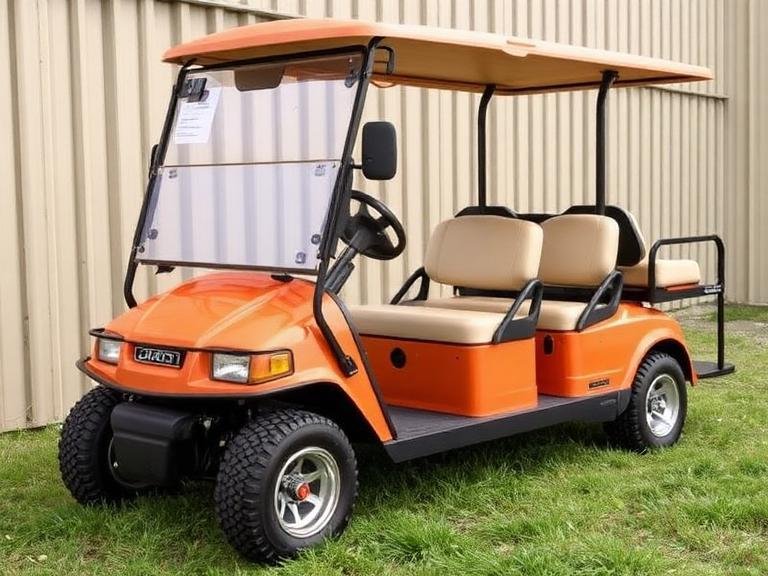
Lay out every part and compare with the manual. Check local regulations—some areas require registration. We recommend photographing the layout for reference. Create a build timeline; most first‑timers need 20–30 hours spread over a weekend.
Step 2: Frame Preparation
If your kit includes a bare frame, inspect welds and drill holes. Clean off any shipping grease. Apply rust inhibitor or paint if needed. From our experience, powder‑coated frames from GT Golf Cart arrive ready to assemble; if you’re using an aftermarket frame, consider a professional coating.
Step 3: Suspension & Brakes
Install the front and rear suspension components. Use a torque wrench to spec (usually 40–80 ft‑lbs). Attach brake cables or hydraulic lines. Bleed hydraulic brakes thoroughly—air in the lines is a common DIY mistake. We recommend a second person to pump the pedal.
Step 4: Drivetrain (Motor, Controller, Batteries)
Mount the motor to the differential/axle. Install the controller and solenoid in a dry, ventilated area (often under the seat). Wire batteries in series or parallel as per the diagram. Use heavy‑gauge cables and double‑check polarity before connecting. We strongly advise a battery management system (BMS) for lithium packs. Our commercial and luxury carts use integrated BMS for safety.
Step 5: Body Assembly & Electrical
Attach the body panels, seats, roof, and windshield. Run the wiring harness for lights, horn, and turn signals. Connect to the battery through a fuse block. Test each circuit: headlights, brake lights, etc. If your kit includes a radio or USB ports, now is the time.
Step 6: Testing & Alignment
Check tire pressure, steering play, and throttle response. Take a slow test drive in an open area. Listen for grinding (brakes) or clicking (axles). Adjust toe‑in if necessary. From our experience, a proper shakedown avoids failures later. Monitor battery voltage under load—it should stay within spec.
Common Mistakes When You Build Your Own Golf Cart Kits
Over‑torquing components – especially on aluminum frames. Use a torque wrench. Ignoring wire gauge – undersized cables cause voltage drop and heat. We recommend 2 AWG for high‑current applications. Skipping the break‑in – new motors and gears need gentle use for the first 50 miles. Also, many DIYers forget to program the controller; our team at GT Golf Cart always ships kits with a base tune, but fine‑tuning improves efficiency.
Upgrading Your Build: From Standard to Showstopper
Once your cart runs, the fun begins. Lift kits, custom wheels, premium seats, and sound systems are popular. Take inspiration from our luxury golf cart and off road golf cart lines. You can also convert to lithium later if you started with lead‑acid. We recommend installing a voltage reducer to power 12V accessories safely. Many customers turn their build into a commercial golf cart for resort use by adding cargo boxes or tow hitches.
Quick‑Reference Summary: Choose Your Build Path
Standard
Basic 2‑4 seater, 48V lead‑acid, ideal for neighborhoods. (e.g. GT 2 Passenger)
Street Legal
Lights, mirrors, horn, DOT tires. 4‑6 seater. (GT Street Legal models)
Off‑Road
Lifted, all‑terrain tires, heavy suspension. (GT Off Road series)
Luxury
Lithium batteries, leather seats, premium paint. (GT Luxury / 6‑8 Passenger)
Commercial
8‑10 passengers, heavy‑duty frame, fleet‑ready. (GT 10 Passenger / Commercial)
Frequently Asked Questions (FAQs)
From our experience, a first‑timer should budget 25–35 hours spread over a few weekends. If you have mechanical experience, 15–20 hours is realistic.
It depends on local laws. If you build a street‑legal cart (with required lights, etc.), you may need to register it. We recommend checking with your DMV. Many of our GT Golf Cart street‑legal kits come with a certificate of origin to simplify registration.
Yes, but you may need a different charger and a battery management system. GT Golf Cart offers lithium conversion kits that are plug‑and‑play for most builds.
We’re biased, but GT Golf Cart provides factory‑direct kits with global support. Visit our Shopify store to see our full catalog of 2‑10 passenger carts, components, and accessories.
Wiring the electrical system correctly is the biggest hurdle. We suggest taking photos of the original layout and using color‑coded labels. Our technical team is always a phone call away for customers.
References & Trusted Resources
- Electric Golf Cart Association – build guides & safety standards
- Golf Cart Enthusiasts Forum (golfcartforum.com) – community tips
- National Highway Traffic Safety Administration (NHTSA) – low‑speed vehicle regulations
- Battery Council International – battery handling & recycling
Final Words: Your Build, Your Pride
There’s immense satisfaction when you press the accelerator on a golf cart you assembled yourself. Whether you’re building a simple 2‑seater or a 10‑passenger commercial vehicle, the key is choosing the right kit and following a systematic process. At GT Golf Cart, we’ve been supporting DIYers and fleet managers for over 12 years, delivering durable electric vehicles to 40+ countries. From our experience, the best builds start with quality components—exactly what we offer across our entire product line: electric golf cart, luxury golf cart, off road golf cart, and more. Ready to start? Visit our Shopify store and build something extraordinary.