Whether you are maintaining a massive commercial fleet at a luxury resort or simply upgrading your personal vehicle for neighborhood cruising, eventually, components will wear out. When that time comes, knowing exactly how and where to buy golf cart parts dictates whether your vehicle stays on the road or spends weeks sitting in a garage waiting for back-ordered, incompatible components.
From our experience at GT Golf Cart, where we specialize in the design, manufacturing, and global supply of electric golf carts and low-speed vehicles, we see consumers and fleet managers alike make critical errors in procurement. The aftermarket parts industry is currently flooded with cheap, unverified components that look identical to original equipment but fail catastrophically under load. If you want to maximize your Electric Golf Cart Lifespan, you cannot afford to cut corners on the supply chain.
In this definitive guide, we will break down the five distinct methods to procure replacement parts and upgrades. We are taking a clear, opinionated stance: we will explain not only WHAT your options are, but WHETHER they are actually worth using. Our goal is to help you bypass the retail markup, avoid counterfeit components, and make a highly informed buying decision in 2026.
Quick Answer: Where Should You Buy Golf Cart Parts?
To successfully buy golf cart parts, you have five primary avenues:
- Direct from Manufacturers (OEMs): Best for guaranteed fitment, commercial fleet orders, and securing the lowest wholesale pricing.
- Authorized Local Dealerships: Best for immediate, same-day needs and professional installation, though it carries the highest retail markup.
- Dedicated Online Retailers: A solid middle-ground for the average consumer seeking aftermarket accessories and replacement parts.
- General Marketplaces (Amazon/eBay): High risk. Best avoided for critical mechanical or electrical components due to counterfeit issues.
- Salvage Yards and Forums: Strictly for finding obsolete, discontinued cosmetic parts for vintage carts.
Expert Recommendation: For commercial users and those investing in critical electrical components (like controllers or motors), we recommend establishing a relationship directly with a manufacturer like GT Golf Cart to ensure safety, warranty compliance, and optimal performance.
Table of Contents
- Understanding the Golf Cart Parts Market
- The 5 Ways to Buy Golf Cart Parts
- Pros vs Cons: OEM vs Aftermarket Parts
- Comparison Table: Sourcing Methods Evaluated
- Who Should Use Which Method?
- Common Mistakes When Buying Parts
- Buying Considerations & Cost-Benefit Analysis
- Expert Recommendation for 2026
- Frequently Asked Questions
- Authoritative References
Understanding the Golf Cart Parts Market (What it is & How it works)
Before you pull out your credit card to buy golf cart parts, you must understand how the industry supply chain operates. The market is divided into two distinct categories: Original Equipment Manufacturer (OEM) parts and Aftermarket parts.
OEM Parts: These are components produced directly by the brand that built your cart, or by the specific third-party factory that the brand contracted. They are engineered to exact factory specifications. How it works is simple: you pay a premium for the guarantee that the part will fit perfectly and perform exactly as the original did.
Aftermarket Parts: These are components produced by independent companies designed to fit standard carts. The aftermarket sector is vast. On the high end, aftermarket parts can actually exceed OEM quality (such as heavy-duty suspension kits or high-performance AC motor conversions). On the low end, they are dangerous, reverse-engineered knockoffs that can cause electrical fires. Understanding this distinction is vital when evaluating your overall Golf Cart Cost over a five-year period.
The 5 Ways to Buy Golf Cart Parts
1. Direct from the Manufacturer (OEM and Global Suppliers)
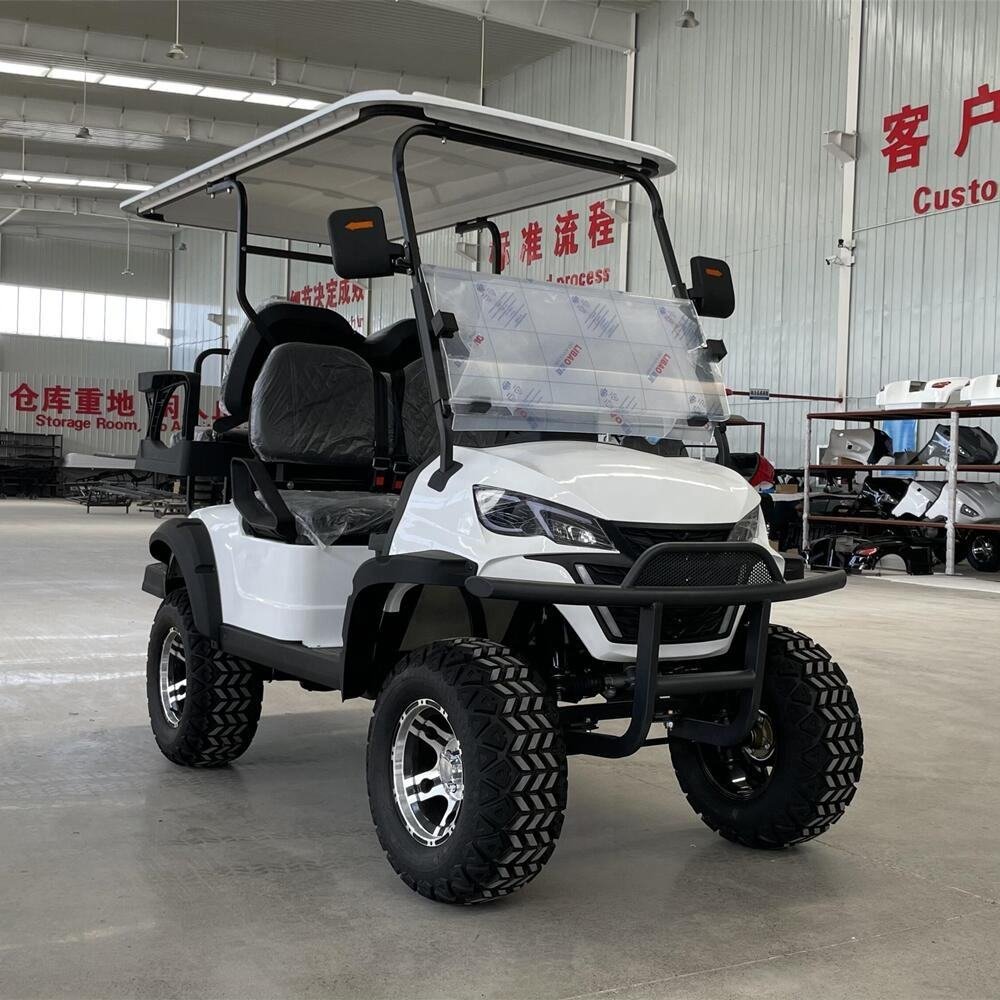
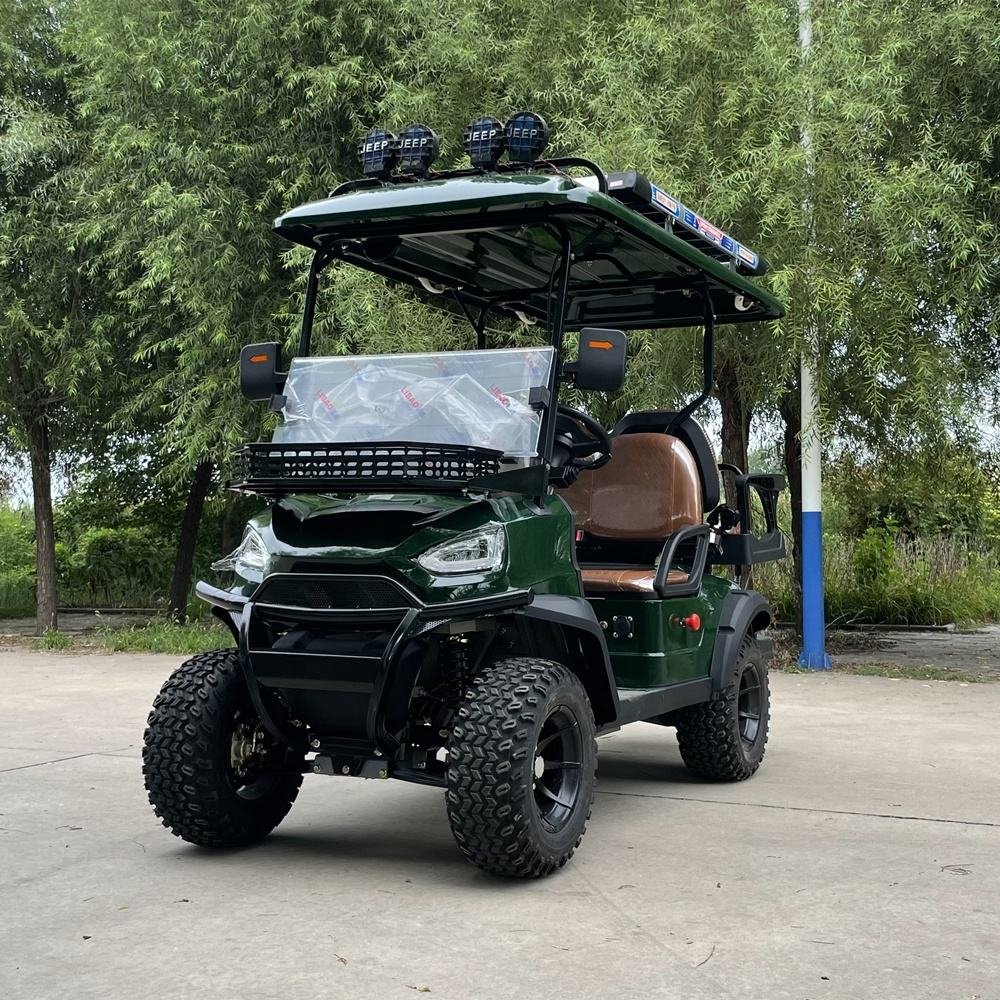
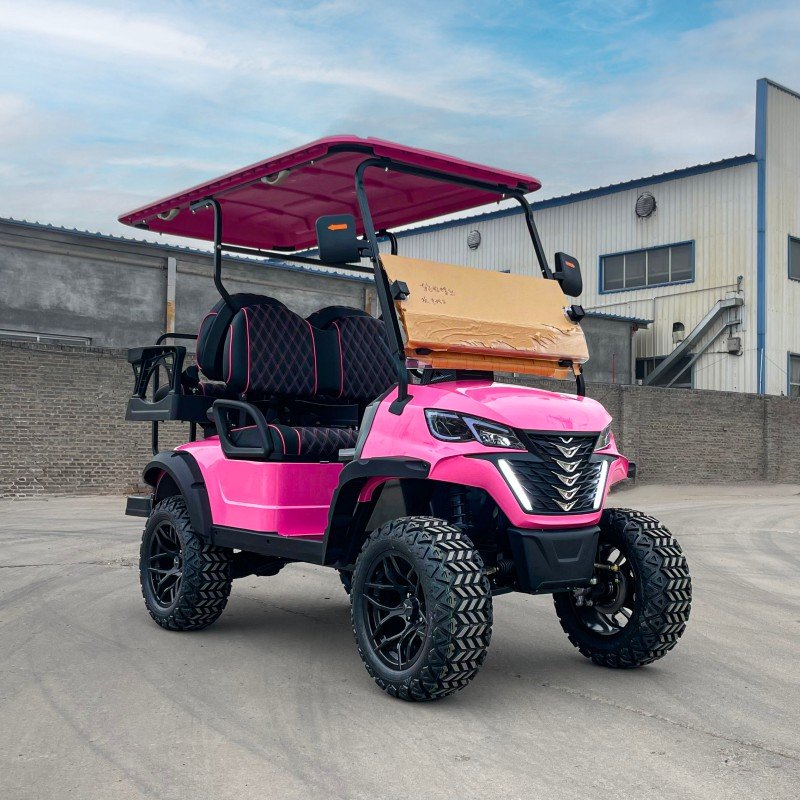
This is the apex of the supply chain. Buying directly from a manufacturer like GT Golf Cart means you are bypassing distributors, wholesalers, and retail storefronts. We focus on delivering reliable mobility solutions globally, which means our parts meet stringent quality controls.
Benefits: Guaranteed compatibility, direct warranty support, and access to volume discounts. If you are managing a fleet of Electric Golf Cart Models, this is the only logical choice.
Limitations: Some domestic consumers might find that overseas shipping for a single, small part takes slightly longer than buying from a local shop.
2. Authorized Local Dealerships
Your local dealership acts as the middleman between the manufacturer and the end consumer. If your cart breaks down on a Friday and you have a tee time on Saturday, the dealership is your savior.
Benefits: Immediacy. You can walk in, verify the part with a technician, and walk out with it in your hand. They also offer installation services.
Limitations: Severe retail markup. Dealerships have massive overhead costs (showrooms, staff, inventory taxes), which are baked into the price of the part. You are paying for convenience.
3. Dedicated Online Golf Cart Retailers
These are e-commerce platforms exclusively dedicated to golf carts. They do not sell lawnmower parts; they only sell golf cart components. They bridge the gap between manufacturer-direct and local retail.
Benefits: Excellent selection, categorized by make and model. They often have robust customer service teams who know how to troubleshoot a faulty solenoid or a failing forward/reverse switch.
Limitations: You must accurately identify your cart’s year and model. If you order the wrong part, you are on the hook for return shipping and restocking fees.
4. General Online Marketplaces (Amazon / eBay)
We are going to be brutally honest: for heavy-duty applications, we despise this procurement method. General marketplaces are flooded with dropshippers selling substandard components.
Benefits: It is usually the cheapest upfront price, and shipping is often fast.
Limitations: Quality control is non-existent. In our testing, cheap aftermarket speed controllers sourced from these platforms frequently overheat and fail within the first 100 hours of use. If you want to push your 6 Seater Golf Cart Speed safely, do not rely on a $40 generic speed controller.
5. Salvage Yards and Used Parts Forums
For those restoring vintage carts or looking for a discontinued body panel, the secondary market is sometimes the only option.
Benefits: Extremely low cost. Excellent for sourcing hard-to-find cosmetic pieces.
Limitations: No warranties. Buying used electrical components is akin to gambling. You should never buy used batteries or heavily worn suspension components. If you are researching Used Golf Cart Prices USA, factor in the reality that you may need to replace aging salvage parts immediately.
Pros vs Cons Table: OEM vs. Aftermarket Parts
| Component Type | Pros | Cons |
|---|---|---|
| OEM Parts (Manufacturer) | Exact factory fit and tolerances Maintains factory warranty validity Highest safety and reliability standards | Typically more expensive than aftermarket Limited customization options |
| Premium Aftermarket | Can offer enhanced performance (e.g., lift kits) Wider variety of aesthetic choices Often slightly more affordable than OEM | Requires deep research to verify brand reputation May require slight modifications to fit properly |
| Cheap Aftermarket (Marketplaces) | Absolute lowest initial price point High availability | High failure rate Zero after-sales technical support Can void vehicle warranties |
Comparison Table: The 5 Buying Methods Evaluated
| Purchasing Channel | Cost Profile | Shipping / Speed | Quality Reliability | Best For… |
|---|---|---|---|---|
| 1. Direct Manufacturer (GT Golf Cart) | Low (Wholesale/Direct) | Moderate (Factory direct) | Exceptional (OEM Standards) | Commercial fleets, core electrical parts |
| 2. Local Dealership | High (Retail Markup) | Instant (In-stock) | High (OEM or Premium) | Emergency repairs, installation needs |
| 3. Dedicated E-Tailer | Medium | Fast (2-3 days) | Moderate to High | Standard replacement accessories |
| 4. Amazon / eBay | Very Low | Very Fast (Next day) | Unpredictable / Low | Basic cosmetic accessories only |
| 5. Salvage / Forums | Variable / Low | Slow (Negotiated) | Poor to Moderate | Discontinued vintage body parts |
Who Should Use Which Method (And Who Should Not)
For commercial users: If you are running a golf course or a resort, you should strictly buy golf cart parts directly from the manufacturer. You cannot afford downtime. Establishing a B2B relationship ensures you have a reliable pipeline of controllers, tires, and batteries. Whether you are maintaining a fleet of standard carts or specialized units like a 4 Passenger Golf Cart, manufacturer-direct is the only way to protect your bottom line.
For beginners: If you just bought your first cart and need a new set of seat covers or a basic light kit, utilizing a dedicated online golf cart retailer is your safest bet. They provide clear fitment guides and customer support to walk you through the process.
Who does not need it: If you are simply looking for a Motorized Golf Cart for Walking, the parts market is entirely different. These smaller caddies utilize proprietary lithium batteries and remote components that should only be sourced directly from their specific builder, not generalized parts catalogs.
Common Mistakes When You Buy Golf Cart Parts
In most professional situations, we see the same three errors repeated constantly by consumers:
- Ignoring the Serial Number: A 2014 cart and a 2015 cart might look identical on the outside, but the manufacturer may have switched from a series motor to a Sepex motor under the seat. Always look up your exact serial number before ordering.
- Mismatched Voltages: Buying a 36-volt solenoid for a 48-volt cart will result in immediate part failure. You must verify your vehicle’s operating voltage before touching the electrical system.
- The “Universal Fit” Myth: Very few parts are truly universal. A “universal” roof rack will usually rattle, shift, and cause damage. Always buy parts specifically engineered for your model’s chassis.
Buying Considerations & Cost-Benefit Analysis
When executing a commercial investigation into your next parts purchase, run a strict cost-benefit analysis. Is it actually worth upgrading a 15-year-old motor, or should you apply that capital toward a new vehicle?
Consider the warranty. A reputable manufacturer will offer at least a 1-year warranty on electronic components and up to 2 years on motors. A cheap marketplace seller will disappear the moment the return window closes. Furthermore, evaluate your own mechanical aptitude. If you buy a complex heavy-duty leaf spring kit to upgrade your suspension, do you have the pneumatic tools and jack stands to install it safely? If not, factor the cost of local dealership labor into your parts purchase.
From our experience: Never skimp on batteries, motor controllers, or brake assemblies. These three components dictate the safety and reliability of your vehicle. If you want to save money, do it on cosmetic accessories like cup holders, steering wheel covers, or dash trim.
Expert Recommendation for 2026
The supply chain has shifted dramatically. While the convenience of mega-marketplaces is tempting, the influx of sub-standard mechanical components makes them a hazard for golf cart owners.
We recommend a hybrid approach. For aesthetic items (mirrors, floor mats), dedicated online retailers are excellent. However, when it is time to buy golf cart parts that make the vehicle move and stop safely, go direct. At GT Golf Cart, our 12 years of industry experience ensure that when you source parts for your commercial fleet or personal vehicle, you are receiving engineered reliability. Bypassing the retail markup to work directly with global suppliers ensures your cart performs optimally for years to come.
Frequently Asked Questions (FAQ)
Are aftermarket golf cart parts as good as OEM?
In most professional situations, premium aftermarket parts are just as good, and sometimes better, than OEM parts. However, extremely cheap aftermarket parts found on general marketplaces often suffer from poor quality control and fail prematurely.
How do I know which parts fit my golf cart?
You must locate your golf cart’s serial number. The serial number determines the exact make, model, and year of production. Buying parts based solely on visual similarity is the most common mistake buyers make.
Is it safe to buy used golf cart parts?
It is safe to buy used cosmetic parts, such as body cowls or seats. However, we strongly advise against buying used electronic components like motor controllers, solenoids, or batteries, as their remaining lifespan is impossible to verify.
Authoritative References
To ensure our readers have access to the highest industry standards, we reference the following authorities in golf cart manufacturing and safety:
- National Golf Car Manufacturers Association (NGCMA): Industry standards for the design, manufacture, and safety of golf cars and personal transport vehicles.
- Battery Council International (BCI): Authoritative guidelines on deep-cycle battery specifications, safety, and maintenance.
- Golf Course Superintendents Association of America (GCSAA): Professional insights on commercial fleet management, maintenance schedules, and OEM parts procurement.