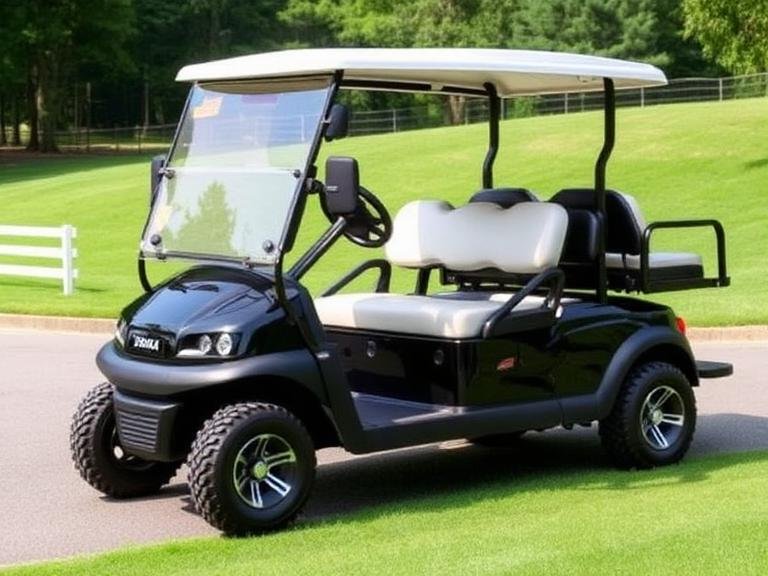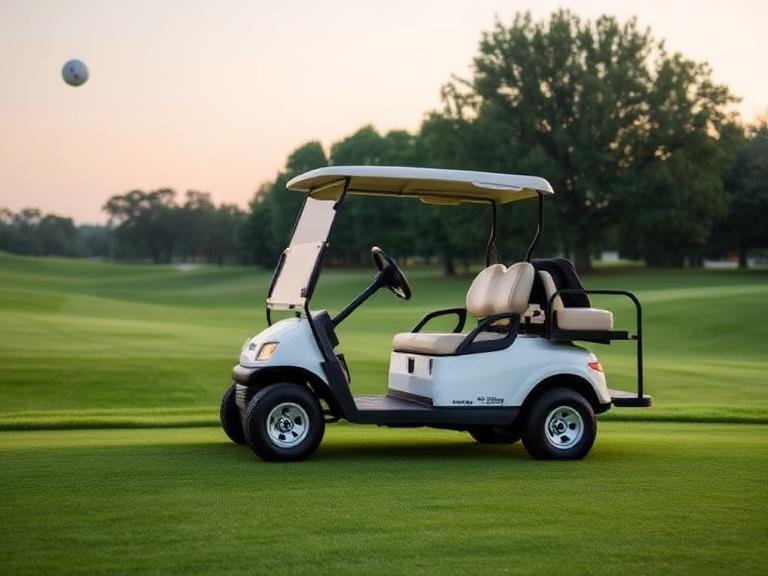
The coolest custom golf carts are not simply the ones with the brightest paint or the biggest wheels. The best builds combine a distinctive design with dependable performance, comfortable seating, useful accessories, and a configuration that suits the way you actually drive. A showpiece cart that handles poorly, has inadequate braking, or cannot accommodate your passengers comfortably is an expensive compromise.
For homeowners, golf enthusiasts, resorts, communities, and commercial buyers, the smartest approach is to choose a design concept first and then build around the intended use. GT Golf Cart offers customized golf cart solutions for buyers who want coordinated styling, brand integration, and technical support from design through production. In this guide, we compare six compelling custom golf cart concepts and explain which upgrades are worth prioritizing.
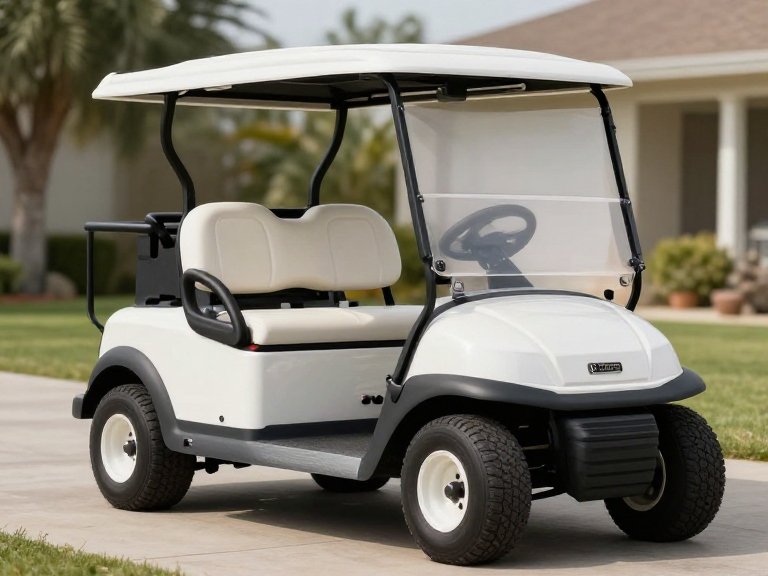
Direct answer: What are the coolest custom golf carts?
The most appealing concepts include a luxury executive cart, a lifted off-road-inspired cart, a retro classic build, a street-oriented custom cart, a personalized family cruiser, and a branded commercial fleet cart. The right choice depends on passenger capacity, terrain, local road regulations, budget, and how much customization you genuinely need.
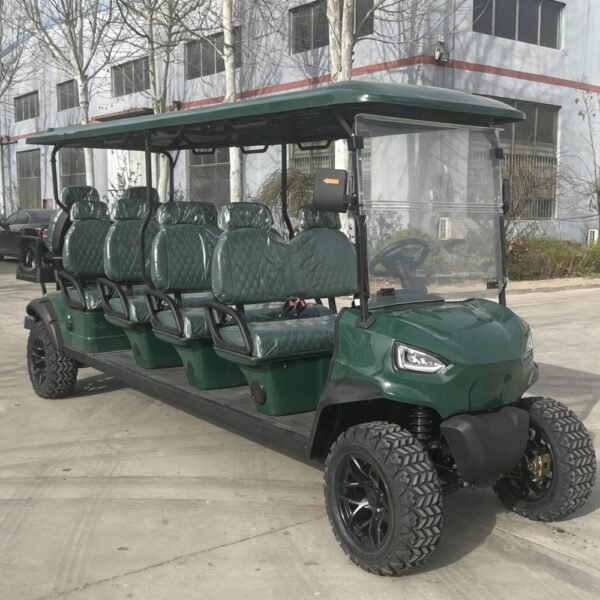
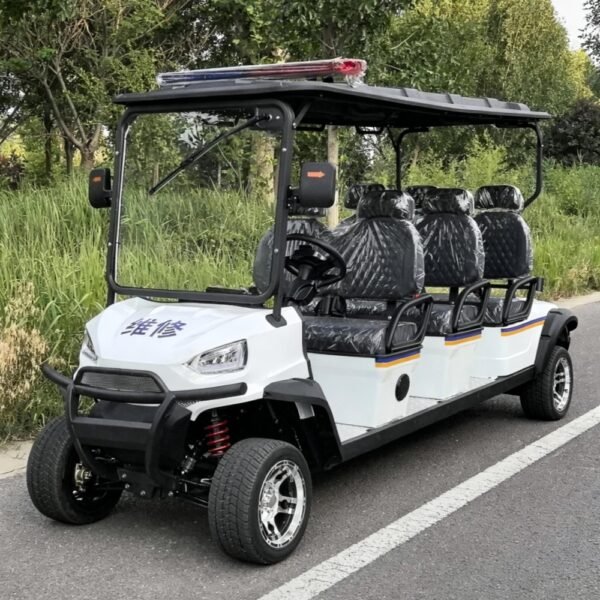
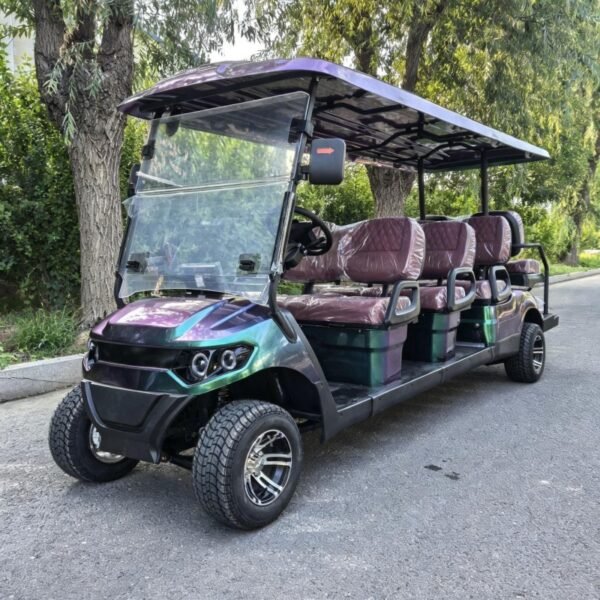
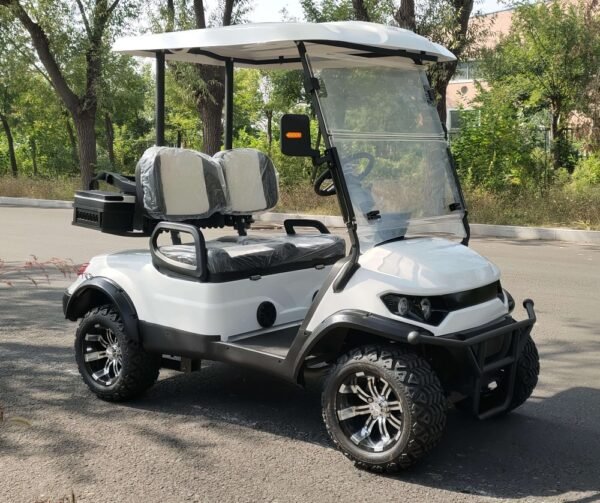
Quick Answer
- Best for luxury: A premium executive cart with coordinated upholstery, lighting, wheels, and a refined finish.
- Best for rugged styling: A lifted, all-terrain-inspired cart configured with suitable tires and suspension.
- Best for classic character: A retro build with vintage-inspired colors and carefully selected trim.
- Best for neighborhood use: A comfortable street-oriented configuration, provided the completed vehicle meets local legal requirements.
- Best for families: A practical multi-passenger cart with secure seating, storage, and appropriate safety equipment.
- Best for businesses: A commercial cart with durable finishes, standardized branding, and serviceable components.
| Custom golf cart style | Best use case | Most valuable upgrades | Main trade-off |
|---|---|---|---|
| Luxury executive | Private communities, resorts, premium properties | Upholstery, finish, comfort features, integrated lighting | Higher customization and maintenance costs |
| Lifted adventure | Private properties and suitable uneven terrain | Compatible suspension, tires, ground clearance | May affect handling, stability, and road legality |
| Retro classic | Events, hospitality, personal collections | Vintage colors, trim, seats, wheel design | Special finishes and parts may cost more |
| Street-oriented custom | Eligible neighborhood transportation | Required lighting, mirrors, signals, compliant equipment | Legal eligibility depends on vehicle and jurisdiction |
| Family cruiser | Large households, resorts, private communities | Passenger layout, grab points, storage, weather protection | Larger size can limit maneuverability |
| Branded commercial | Hotels, campuses, venues, property operations | Logo integration, fleet consistency, serviceable components | Design must balance appearance with uptime and cost |
Table of Contents
- What makes a custom golf cart cool?
- Luxury executive golf cart
- Lifted adventure golf cart
- Retro classic golf cart
- Street-oriented custom golf cart
- Custom family cruiser
- Branded commercial golf cart
- Comparison: which style is right for you?
- Customization options worth paying for
- How GT Golf Cart customization works
- Costs, value, and buying considerations
- Common customization mistakes
- Expert recommendation
- Frequently asked questions
- References
1. What Makes a Custom Golf Cart Cool?
A custom golf cart earns attention when its design feels intentional. Paint, wheels, seating, roof, lighting, body panels, and accessories should work together rather than compete for attention. Just as importantly, the finished vehicle should remain appropriate for its operating environment.
From our experience evaluating customization requirements, the most useful starting point is not a color chart. It is a list of practical requirements: how many people will ride, whether the cart stays on a golf course or travels around a private community, what surfaces it will cross, and who will maintain it.
Design consistency matters more than the number of accessories
A restrained color scheme with matching upholstery and wheels can look more expensive than a cart loaded with unrelated add-ons. The same principle applies to branding. A business cart with clean logo placement, consistent colors, and durable surfaces often creates a more professional impression than one with excessive graphics.
Performance should support the look
Larger wheels, a lifted suspension, additional passengers, accessories, and heavy body modifications can affect weight, handling, braking, range, and component wear. Any major modification should be checked for compatibility with the base vehicle. For electric models, battery capacity and electrical-system compatibility deserve particular attention.
If you want a starting point for comparing different configurations, browse GT Golf Cart’s custom golf cart options. Use available models and specifications to establish a suitable base before committing to a full custom build.
2. Cool Golf Cart #1: The Luxury Executive Golf Cart
Best for: Premium residential communities, resorts, private estates, and owners who want comfort and a polished appearance.
The luxury executive cart is the choice for buyers who want a refined vehicle rather than an attention-grabbing novelty. Think coordinated exterior paint, premium-looking upholstery, clean dashboard styling, attractive wheels, and thoughtfully integrated lighting. The aim is a cohesive finish that feels appropriate in a high-end setting.
Custom features worth considering
- Coordinated upholstery: Select materials and colors that complement the exterior rather than clash with it.
- Premium wheel design: Choose wheels compatible with the vehicle’s approved fitment and intended use.
- Integrated lighting: Prioritize functional, correctly installed lighting over decorative effects alone.
- Weather protection: A suitable windshield, roof, and weather enclosure can improve comfort in changing conditions.
- Storage and convenience: Add practical compartments and accessories that match daily use.
Is the luxury build worth the extra cost?
It can be, especially when the cart is used frequently and appearance is part of the experience. Resorts and property developers may value a coordinated fleet because it reinforces a consistent guest experience. Private buyers may appreciate the comfort and finish every day.
However, decorative upgrades do not automatically improve reliability. We recommend spending first on the battery and electrical system, brakes, tires, seating quality, and serviceability. Add cosmetic options after the vehicle’s underlying configuration is right.
For buyers who prioritize this style, GT Golf Cart’s luxury golf cart category is a useful place to explore possible configurations.
3. Cool Golf Cart #2: The Lifted Adventure Golf Cart
Best for: Owners who travel over suitable uneven private terrain and want a rugged, outdoor-inspired appearance.
A lifted cart stands out through its increased ride height, more substantial tire profile, and adventure-oriented styling. Depending on the build, it may include a compatible suspension lift, upgraded wheels, protective accessories, and a contrasting roof or body finish. This look works particularly well when the design is coordinated instead of simply oversized.
Which upgrades make a difference?
Start by confirming the intended terrain. A cart used on grass, gravel, and uneven private property may have different requirements from one used primarily on smooth paved paths. Tires should suit the surface, while the suspension and lift components must be compatible with the vehicle’s chassis and weight.
- Choose tires appropriate for the surfaces you will regularly encounter.
- Confirm wheel and tire clearance throughout steering and suspension travel.
- Check whether the lift changes the vehicle’s center of gravity or stability.
- Review braking capability, steering geometry, and load limits after modifications.
- Make sure replacement tires and suspension parts will remain available.
The trade-off buyers often overlook
A taller cart is not automatically better off-road. A lift can raise the center of gravity, affect handling, and add stress to components if the setup is poorly matched. Oversized tires can also increase rolling resistance and may reduce acceleration or efficiency. The result depends on the vehicle, components, and driving conditions.
For heavy-duty applications, we recommend having major suspension and wheel changes evaluated by a qualified installer or manufacturer. A rugged look is worth pursuing only when the vehicle remains controllable, mechanically compatible, and appropriate for the terrain.
Before upgrading, compare the intended configuration with the available electric golf cart options and confirm the specifications for the base model.
4. Cool Golf Cart #3: The Retro Classic Golf Cart
Best for: Personal collections, boutique hotels, special events, and buyers who prefer timeless styling to aggressive modifications.
The retro custom golf cart draws attention through classic colors, vintage-inspired trim, rounded design details, and carefully matched seats and wheels. A cream-and-green combination, a two-tone body, or a restrained heritage-inspired palette can create character without making the cart feel dated.
How to create a convincing retro look
Pick a clear visual reference, then repeat two or three design cues across the cart. The body color, seat upholstery, dashboard accents, and wheel finish should feel like parts of one design. Avoid adding every vintage accessory available. Too many unrelated details can make the final result look less authentic.
For hospitality businesses, retro carts can work well as guest transportation or as part of a distinctive property experience. For personal use, they suit owners who value style and are comfortable maintaining custom finishes and trim.
Should you customize an older cart or start with a new one?
An existing cart can be a good candidate when its chassis, brakes, steering, and power system are in sound condition. But a low purchase price does not guarantee a low project cost. Worn batteries, aging wiring, corroded parts, and hard-to-source components can quickly increase the budget.
Before buying a used donor vehicle, review the condition of its major systems and estimate the cost of the complete build. GT Golf Cart’s guide to used golf cart prices in the USA can help frame the purchase-price question, but inspection and repair estimates are still essential.
5. Cool Golf Cart #4: The Street-Oriented Custom Golf Cart
Best for: Eligible neighborhood transportation, private communities, and buyers who need more than a course-only vehicle.
A street-oriented custom golf cart combines practical transportation features with a clean, road-ready appearance. Depending on the intended jurisdiction and vehicle classification, buyers may need specific headlights, tail lamps, turn signals, mirrors, reflectors, seat belts, a windshield, a vehicle identification number, or other required equipment. The exact requirements vary, so a shopping list should never be treated as universal legal advice.
Start with legal eligibility, not accessories
A cart that looks road-ready is not necessarily legal to operate on public roads. Requirements may depend on state and local law, posted speed limits, vehicle classification, registration, insurance, inspection, and the roads on which the cart will be used. Some jurisdictions distinguish golf carts from low-speed vehicles, and the two terms should not be used interchangeably.
Before choosing a build, identify the exact routes you intend to use and verify the rules with the relevant motor vehicle authority and local government. Do this before paying for lighting, mirrors, or other equipment because adding accessories may not make an otherwise ineligible vehicle street legal.
Which features are worth paying for?
- Required lighting and signaling equipment installed correctly.
- Mirrors and visibility features appropriate to the vehicle and local rules.
- Seats and restraint systems that meet applicable requirements.
- A battery and drivetrain configuration suited to the expected trip distance.
- Weather protection and storage for everyday convenience.
For buyers considering this route, GT Golf Cart’s guide to street-legal golf cart models in the USA provides a starting point for research. Verify current local requirements before placing an order or modifying a vehicle.
6. Cool Golf Cart #5: The Custom Family Cruiser
Best for: Families, private communities, resorts, and properties where passenger capacity and comfort matter more than aggressive styling.
A family cruiser can still look distinctive. The strongest designs combine a coordinated color scheme with practical seating, easy entry and exit, storage, a suitable roof, and a layout matched to the number of occupants. This style is less about flashy accessories and more about making routine journeys comfortable.
Choose passenger capacity carefully
Do not buy a larger cart simply because the extra seats look impressive. Passenger capacity affects the vehicle’s size, maneuverability, weight, braking demands, and sometimes its range. The rated passenger capacity and vehicle load limit must be respected, including the weight of passengers, cargo, and added accessories.
A two-passenger cart can be easier to park and operate in tight spaces. A four-passenger cart often offers a useful balance for small families. Six- and eight-passenger configurations can suit larger groups or resort operations, but they need appropriate space, turning room, and operating procedures.
Compare GT Golf Cart’s two-passenger carts, four-passenger carts, and six-passenger carts before choosing a layout. Confirm seating configuration, rated capacity, and dimensions for the specific vehicle rather than relying on category names alone.
Comfort and safety should come before decoration
Useful family upgrades include supportive seats, secure handholds where appropriate, storage that does not obstruct passengers, and weather protection. Lighting and visibility are also important for low-light operation. Avoid accessories that interfere with entry, obstruct the driver’s view, or introduce loose items that could become hazards during sudden braking.
For beginners, a sensible family cart is one that is easy to operate, has predictable handling, and fits the property. A more powerful or heavily modified cart is not automatically the better family vehicle.
7. Cool Golf Cart #6: The Branded Commercial Golf Cart
Best for: Resorts, hotels, campuses, event venues, property managers, and businesses operating multiple carts.
A branded commercial cart is one of the most practical forms of customization because it turns the vehicle into part of the business’s visual identity. A resort can coordinate carts with its property colors, a venue can use them for guest transportation, and a company can apply consistent branding across its fleet.
For commercial users, appearance matters, but uptime and lifecycle cost matter more. A cart that looks excellent on delivery day but spends too much time waiting for parts can become an expensive liability. Choose a design that is repeatable across multiple units and easy to service.
What commercial buyers should prioritize
- Consistent branding: Use approved colors, logos, and placement guidelines across the fleet.
- Durable finishes: Select materials that suit the environment, cleaning routine, and frequency of use.
- Standardized components: Where possible, use common parts across units to simplify maintenance and inventory.
- Service access: Confirm how routine inspections and repairs will be performed.
- Fleet suitability: Match passenger capacity, cargo needs, and operating conditions to each role.
- Documented specifications: Confirm battery, drivetrain, charging, load capacity, and safety requirements in writing.
When does custom fleet branding pay off?
Custom branding is most useful when the carts are visible to customers, guests, or visitors and reinforce a consistent service experience. For a fleet used mainly in a maintenance area, durability and ease of repair may matter more than premium paint or decorative trim.
GT Golf Cart provides commercial golf cart options for business-oriented applications. For projects that require coordinated appearance or a larger production run, its OEM/ODM customized golf cart solutions are relevant to discuss with the supplier.
8. Which of the Six Coolest Custom Golf Carts Is Right for You?
The right choice becomes clearer when you rank your requirements. The following table compares the six concepts by their practical priorities. These are general design recommendations, not test results or a ranking of specific vehicle models.
| Style | Appearance priority | Comfort priority | Terrain suitability | Best purchasing advice |
|---|---|---|---|---|
| Luxury executive | Very high | High | Use within the base vehicle’s rated capabilities | Spend on coherent styling and durable comfort upgrades. |
| Lifted adventure | High | Moderate to high, depending on setup | Suitable terrain only after compatibility checks | Confirm suspension, tire fitment, stability, and braking before cosmetics. |
| Retro classic | Very high | Moderate to high, depending on seats and layout | Generally best on suitable paved or maintained surfaces | Inspect the base cart and budget for finish restoration and mechanical work. |
| Street-oriented custom | High | High for daily use | Depends on vehicle design and local road eligibility | Verify legal classification and requirements before ordering. |
| Family cruiser | Moderate to high | Very high | Depends on load rating and configuration | Prioritize capacity, entry, storage, brakes, and maneuverability. |
| Branded commercial | High for brand consistency | Depends on duty cycle and role | Choose for the site’s operating environment | Evaluate serviceability, standardization, and lifecycle cost. |
If you are unsure where to begin, write down your three non-negotiables. For a private owner, those may be appearance, comfort, and range. For a resort, they may be passenger capacity, durability, and consistent branding. For a neighborhood driver, legal eligibility, braking, and visibility should come before styling.
9. Custom Golf Cart Upgrades: What Is Worth Paying For?
Exterior paint and body styling
A coordinated exterior is one of the most visible changes. Choose a finish that fits the intended environment and consider how easily it can be cleaned and repaired. Custom colors can help distinguish a private cart or make a commercial fleet recognizable, but highly specialized finishes may cost more to reproduce if a body panel needs replacement.
Seats, upholstery, and weather protection
Comfort upgrades can deliver more everyday value than decorative accessories. Consider how often passengers use the cart, whether it is exposed to sun or rain, and how the upholstery will be cleaned. For commercial fleets, select materials that withstand frequent use and can be maintained consistently.
Wheels, tires, and suspension
Wheel and tire changes can dramatically alter the appearance of a cart, but compatibility is essential. Check load ratings, clearance, steering, braking, and any effects on the vehicle’s approved operating characteristics. Do not assume a tire that physically fits is automatically suitable for the cart.
Battery, drivetrain, and charging
For electric golf carts, the battery and drivetrain should be selected for the intended workload, route length, passenger load, and charging routine. Before upgrading, confirm voltage compatibility, battery-management requirements where applicable, charger compatibility, installation space, and the manufacturer’s limits. A larger battery or a different drivetrain should not be installed based solely on appearance or an advertised speed figure.
Compare the available electric golf carts with your operating requirements. For an existing vehicle, ask a qualified technician or supplier to confirm whether the desired upgrade is compatible with its controller, motor, wiring, and charging system.
Lighting and electronic accessories
Lighting can improve visibility and complete the design when installed properly. Choose components that suit the vehicle’s electrical system and intended environment. If the cart will be used on public roads, determine which equipment is legally required rather than relying on a decorative lighting package.
10. GT Golf Cart OEM/ODM Customization: What to Ask the Supplier
For buyers who need more than a few aftermarket accessories, an OEM/ODM arrangement can help coordinate design requirements, component selection, branding, and production. This approach is particularly relevant to commercial buyers, fleet operators, and organizations that need several vehicles with a consistent specification.
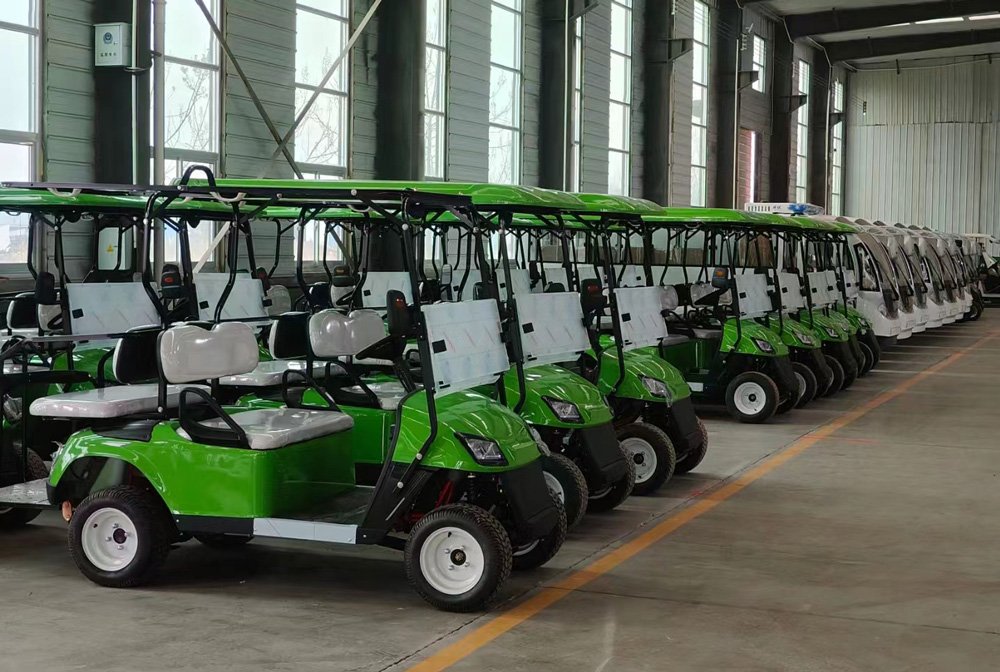
OEM/ODM customization
GT Golf Cart Customized Golf Cart End-to-End Solutions
GT Golf Cart presents an end-to-end customization offering for buyers seeking support from prototype development to production. Its listed service areas include technical assistance, design reproduction, component selection, and integration of brand visuals.
- Full-cycle technical support: Engineering assistance from prototyping to mass production, as described by the provider.
- Design accuracy: A focus on reproducing customer-provided design requirements.
- Component selection: The provider describes durable core components as part of its offering; request the exact component specifications for your project.
- Brand integration: Incorporation of brand colors and visual identity into the vehicle design.
Discuss a custom golf cart project with GT Golf Cart
How to evaluate a customization supplier
A supplier’s design capability is only one part of the decision. Before approving a project, request a written specification that covers the base vehicle, dimensions, passenger capacity, motor and battery configuration, charger, braking components, tires, warranty, and required certifications or compliance documents for your target market.
For projects involving custom colors, logos, or body panels, request a drawing, rendering, or prototype approval process before mass production. Establish who approves final artwork, which dimensions are controlled, and how changes will be handled if the initial prototype does not meet the brief.
For commercial users, clarify spare-parts availability, lead times, quality checks, packaging, shipping responsibilities, and after-sales support. If you plan to reorder the same configuration, ask how the supplier will maintain consistency across production batches.
Do not treat broad phrases such as “military-grade components” as a substitute for specifications. Ask which components are used, their ratings, applicable test documentation, and the warranty terms. Clear technical evidence is more useful than an impressive label.
11. How Much Do Custom Golf Carts Cost?
There is no single price for a custom golf cart. The final cost depends on the base vehicle, passenger configuration, battery and drivetrain, exterior finish, upholstery, wheels, suspension, accessories, compliance equipment, shipping, and installation work. A cosmetic refresh on an existing cart is a very different project from a new vehicle engineered for a commercial fleet.
Use a total-project budget, not just a vehicle quote
Ask for an itemized quotation that separates the base vehicle from customization, installation, shipping, taxes or duties where applicable, and any optional accessories. Also ask about replacement-part costs and maintenance requirements. A low initial quote may not be the best value if essential components are excluded or replacement parts are difficult to obtain.
| Cost area | Questions to ask | Why it matters |
|---|---|---|
| Base cart | What model, capacity, and standard equipment are included? | Defines the starting specification and limits. |
| Cosmetic customization | Are paint, upholstery, body panels, wheels, and logos itemized? | Helps control scope and prevent unexpected charges. |
| Mechanical upgrades | Are the motor, battery, suspension, brakes, and tires compatible? | Protects performance and serviceability. |
| Compliance | What documentation and required equipment are included? | Important for intended use and target jurisdiction. |
| Shipping and delivery | Which shipping, packaging, handling, and import costs apply? | Shows the delivered cost rather than just the factory price. |
| Ownership | What are the warranty, service, and replacement-part arrangements? | Helps estimate longer-term operating cost. |
For a broader pricing baseline, read GT Golf Cart’s golf cart cost guide and its overview of golf cart wholesale price ranges. Use these as research references, then obtain a current quotation for the precise model and customization package you want. Pricing changes with specifications, quantity, market, and delivery terms.
When is customization worth the investment?
Customization is usually easiest to justify when it serves a clear purpose: creating a premium guest experience, matching a brand identity, improving comfort, fitting a particular passenger layout, or meeting an operational requirement. If the cart is used infrequently and has no special requirements, a standard configuration may provide better value.
For fleet buyers, consider lifecycle cost per vehicle rather than purchase price alone. A standardized configuration can simplify maintenance and spare-parts management. For private buyers, prioritize upgrades you will use regularly instead of paying for features that look impressive but rarely add practical value.
12. Common Custom Golf Cart Buying Mistakes
Mistake 1: Choosing appearance before use
A lifted cart may be visually appealing, but it is not necessarily the best choice for narrow paved paths. A long multi-passenger cart may look substantial but be inconvenient in a compact garage. Start with the operating environment and passenger needs.
Mistake 2: Ignoring load ratings and compatibility
Additional passengers, accessories, and larger tires affect the overall vehicle configuration. Check the manufacturer’s load limits and component specifications before making changes. Do not exceed rated capacity to accommodate an extra passenger or cargo.
Mistake 3: Assuming every custom cart is street legal
Appearance and installed accessories do not automatically establish legal status. Confirm vehicle classification, required equipment, registration, insurance, and road-use rules for the jurisdiction where the cart will operate.
Mistake 4: Focusing on top speed instead of usable performance
For many owners, predictable braking, handling, range, and comfort matter more than maximum speed. A cart that carries passengers or operates on uneven surfaces should be configured around safe control and the manufacturer’s limits.
Mistake 5: Failing to document the design
Custom projects can go wrong when color references, logo dimensions, materials, or component requirements are agreed verbally. Put specifications, approved artwork, tolerances, included equipment, and acceptance criteria in writing before production begins.
Mistake 6: Overlooking after-sales support
Ask how to obtain replacement components and who handles warranty claims. This is particularly important for commercial fleets, where an unavailable part can take a vehicle out of service. A supplier should be able to explain the support process clearly before the order is placed.
13. Expert Recommendation: Which Custom Golf Cart Should You Buy?
Our recommendation is to choose the cart that solves your main use case, then spend your customization budget in order of importance. Do not buy the most modified build simply because it attracts the most attention.
- For luxury and private estates: Choose a refined executive build with coordinated styling, comfortable seating, and reliable core components.
- For uneven private terrain: Consider an adventure-style cart only after confirming tire, suspension, braking, and stability compatibility.
- For a distinctive event or hospitality setting: A retro classic can create a memorable visual identity without requiring excessive mechanical modifications.
- For neighborhood transportation: Start with the applicable legal requirements and prioritize visibility, braking, range, and comfort.
- For families: Match passenger capacity to real needs, and prioritize secure seating, access, storage, and maneuverability.
- For commercial fleets: Standardize specifications, branding, serviceable components, and documentation to control ongoing costs.
Before placing an order, confirm the exact vehicle specification, customization scope, production approval process, warranty, delivery terms, and after-sales support. If you need a custom design or a coordinated fleet, GT Golf Cart’s OEM/ODM service is a relevant starting point for discussing the project requirements.
Final Verdict
The six coolest custom golf carts each serve a different purpose: luxury executive, lifted adventure, retro classic, street-oriented, family cruiser, and branded commercial. The strongest build is the one that looks distinctive while remaining comfortable, compatible with its components, and appropriate for its intended use.
For private buyers, prioritize the features you will use every week. For commercial buyers, prioritize repeatable specifications, serviceability, and total ownership cost. Define the use case first, verify the technical details, and customize the vehicle around those requirements.
Explore custom golf cart options or discuss an OEM/ODM project with GT Golf Cart.
Frequently Asked Questions
1. What is the coolest type of custom golf cart?
It depends on the intended use. Luxury executive carts stand out through refined styling, lifted carts have a rugged appearance, retro builds emphasize classic character, and branded commercial carts create a consistent business identity. The best choice is the one that fits your environment, budget, and practical needs.
2. Are custom golf carts worth the extra money?
They can be worth it when customization improves comfort, fits a specific use, supports a brand, or creates a desired appearance. For occasional basic use, a standard cart may offer better value. Compare the complete project cost, including installation, maintenance, replacement parts, and delivery.
3. Can I make a custom golf cart street legal?
Possibly, depending on the vehicle, its classification, and the rules in your jurisdiction. Adding lights or mirrors alone does not guarantee legal eligibility. Verify applicable equipment, registration, insurance, speed, and road-use requirements before buying or modifying the cart.
4. Is a lifted golf cart better for off-road driving?
A compatible lift and suitable tires may help a cart handle certain uneven surfaces, but a lift can also affect stability, steering, braking, and component wear. Confirm the setup with the manufacturer or a qualified installer and use the cart only within its rated capabilities.
5. What passenger capacity should I choose?
Choose capacity based on the normal number of passengers, the cart’s rated load, and the space available for driving and parking. Two- and four-passenger carts can suit personal use, while larger configurations may be useful for families, resorts, or commercial operations. Never exceed the rated passenger or load limit.
6. Can GT Golf Cart customize carts with company branding?
GT Golf Cart describes OEM/ODM services that include brand visual integration and design support. Ask the supplier to confirm available customization options, minimum order requirements if applicable, production lead times, artwork approval, component specifications, and warranty terms for your project.
7. What should I ask a custom golf cart manufacturer before ordering?
Request a written specification covering the base vehicle, dimensions, passenger capacity, battery and drivetrain, brakes, tires, customization details, warranty, delivery terms, and service arrangements. For branded projects, approve drawings or prototypes and confirm how the manufacturer will reproduce the design across production batches.
8. Is an electric golf cart a good choice for customization?
An electric golf cart can be a practical choice for many golf courses, private communities, resorts, and campus environments. Suitability depends on range, charging access, battery configuration, load, terrain, and maintenance. Confirm compatibility before changing batteries, motors, controllers, or other electrical components.
References
- National Highway Traffic Safety Administration — Low-Speed Vehicles. Official information to help distinguish low-speed vehicles from other vehicle types and understand relevant federal safety requirements.
- U.S. Consumer Product Safety Commission — Golf Cart Safety. Safety guidance relevant to passenger use, operation, and risk reduction.
- National Highway Traffic Safety Administration — Vehicle Safety. Official vehicle-safety resources for researching equipment and safe vehicle operation.