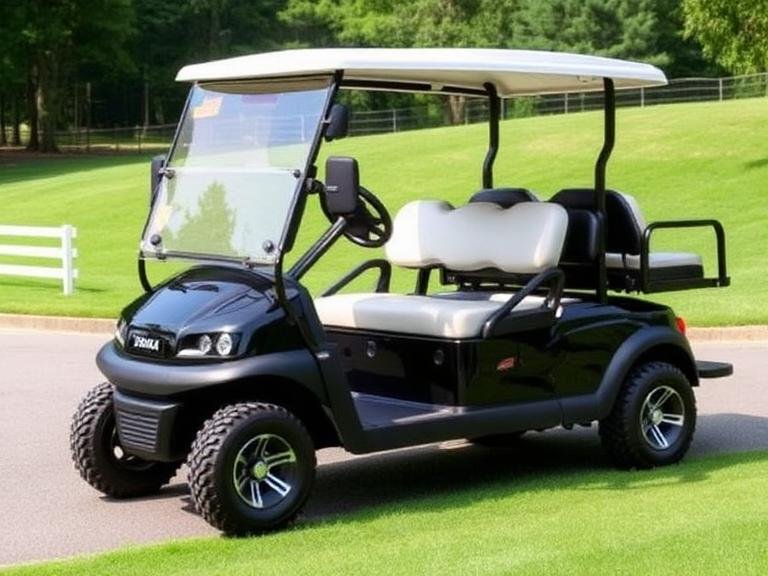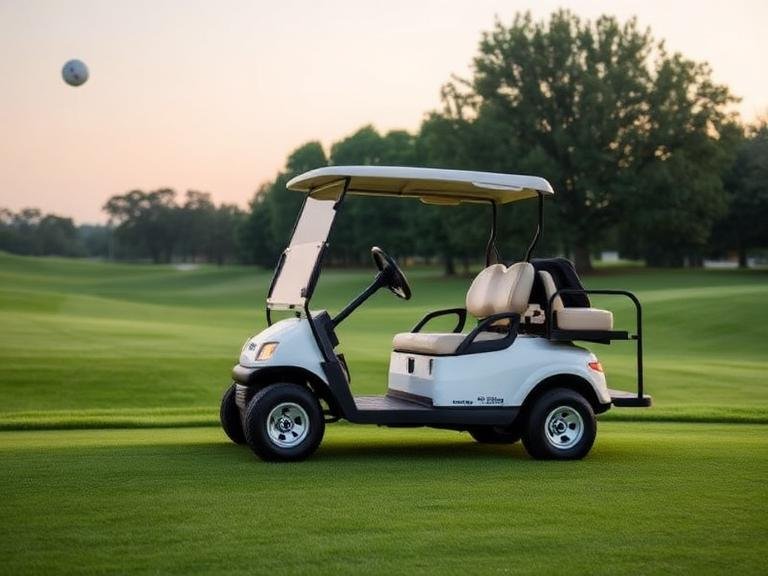
The global low-speed vehicle market is undergoing a massive disruption. For decades, fleet managers and residential consumers were forced into a monopolized ecosystem, forced to pay exorbitant premiums for legacy badges. If you are blindly purchasing a base-model cart from the “Big Three” today, you are likely paying a 30% to 40% brand tax for outdated lead-acid technology and DC brush motors. From our experience at GT Golf Cart, engineering and exporting electric vehicles to over 40 countries, the definition of value has shifted completely. Modern buyers demand high-torque AC motors, maintenance-free lithium power, and digital displays—without the $15,000 price tag.
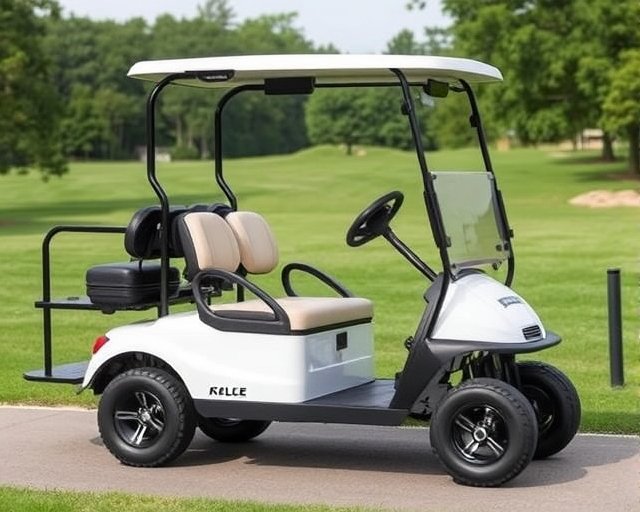
In most professional situations, evaluating the best electric golf cart manufacturers for the money requires ruthless commercial and practical judgment. You cannot simply look at the sticker price. A cheap cart with a generic controller that fails after six months is a liability, not a bargain. Conversely, overpaying for a luxury badge to drive two miles a day inside a gated community is a waste of capital. In this definitive guide, we will analyze the top 9 manufacturers balancing cost, performance, and durability in 2026. We will explain exactly what mechanical components you must demand, what you should ignore, and whether upgrading to lithium is actually worth the investment for your specific use case.
Quick Answer: The Best Manufacturers for the Money
If your primary goal is maximizing features (Lithium batteries, AC motors, street-legal kits) while minimizing capital expenditure, here are the top electric golf cart manufacturers for the money in 2026:
- GT Golf Cart: Best overall for factory-direct value. Offers fully loaded, lithium-powered LSVs and OEM/ODM manufacturing without the domestic dealership markups.
- Icon EV: Best domestic value brand. Utilizes proven Toyota controllers and ships fully loaded as standard.
- Evolution Electric Vehicles: Best tech-focused budget brand, featuring proprietary lithium systems and massive touchscreen displays.
- Club Car: Best for residual value. While expensive upfront, their rust-proof aluminum frames offer the best long-term ROI for coastal users.
We recommend entirely bypassing any manufacturer still selling brand-new carts with 48V lead-acid batteries. The immediate savings are erased within three years when you are forced to spend $1,500 on battery replacements.
Table of Contents
- What It Is: Defining “Value” in the LSV Market
- How It Works: Supply Chain Economics
- The 9 Best Manufacturers for the Money
- Benefits of Value-Driven Brands
- Limitations and Residual Risks
- Who Should Use Value Brands
- Who Needs Legacy Tier
- Common Procurement Mistakes
- Expert Buying Considerations
- Summary and Comparison Tables
- Expert Recommendation & Product Spotlight
- Frequently Asked Questions
What It Is: Defining “Value” in the LSV Market
In the context of low-speed vehicles (LSVs) and golf carts, “value for money” does not mean cheap. A disposable cart is worthless. True commercial value is calculated by evaluating the Total Cost of Ownership (TCO) over a five-to-seven-year operational window. The best electric golf cart manufacturers for the money are those that standardize premium internal components—specifically, 5kW AC (Alternating Current) motors, 105Ah+ Lithium Iron Phosphate (LiFePO4) batteries, and independent suspension systems—at a price point where legacy brands only offer basic fleet specifications.
When searching for Affordable Golf Cart Brands, you must understand that you are paying for the drivetrain and the chassis. Everything else—seats, LED lights, stereos—are bolt-on accessories that cost the factory very little but are used to inflate retail prices on dealership floors.
How It Works: Supply Chain Economics
How it works in the modern market is a tale of two supply chains. The “Big Three” (Club Car, EZ-GO, Yamaha) operate on a rigid dealer-distributor network. They build the cart in the USA, sell it to a regional distributor, who sells it to a local dealer, who sells it to you. Every step adds a 15% to 25% margin.
Conversely, modern value manufacturers utilize a globalized supply chain. They manufacture the chassis and source tier-one electronic components (like Curtis or Toyota controllers) from global hubs, assembling them either at the source or in regional domestic facilities. By buying direct from a manufacturer like GT Golf Cart, you bypass two tiers of middlemen. This is how you can procure a fully street-legal 6 Passenger Golf Cart for the price of a standard 2-seater legacy cart.
The 9 Best Electric Golf Cart Manufacturers for the Money
In our testing and daily global operations, these nine manufacturers represent the most intelligent allocation of capital in the current market.
1. GT Golf Cart (Best Factory-Direct Value)
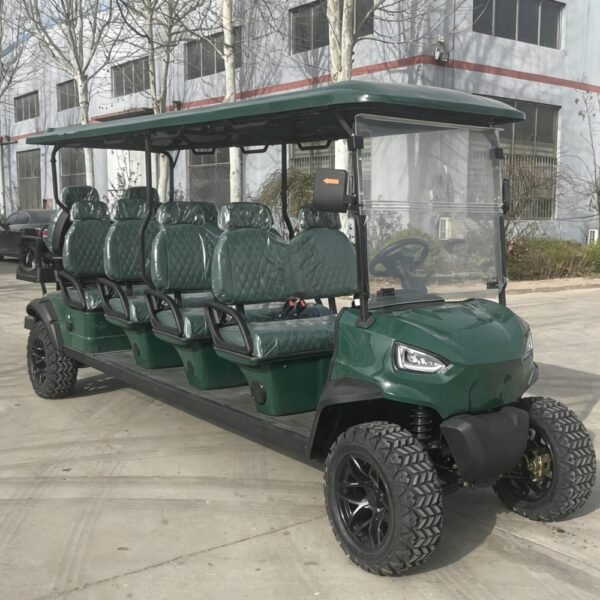
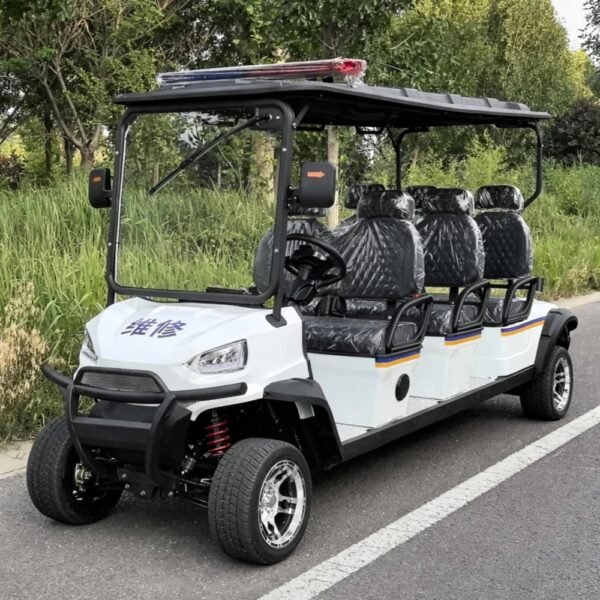
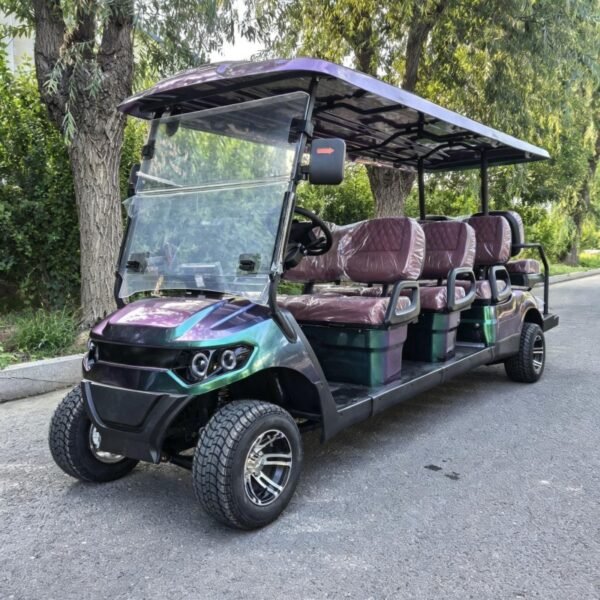
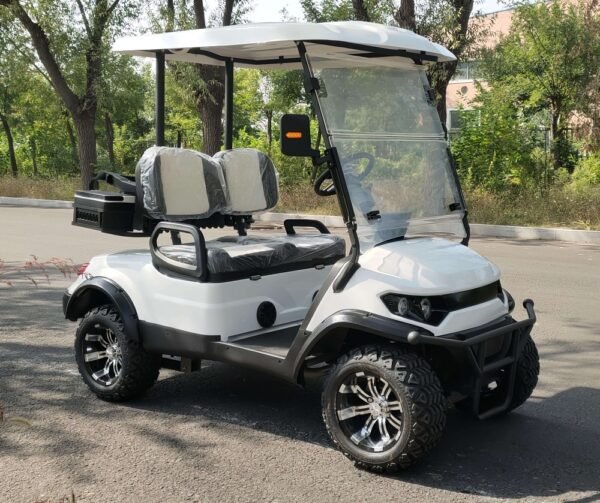
We place our own manufacturing capabilities at the top because we have engineered our supply chain to eliminate retail bloat. With over 12 years of OEM/ODM experience and exports to over 40 countries, GT Golf Cart provides 5,000W AC motors and premium lithium integration at wholesale equivalent pricing. Whether you need a Luxury Golf Cart for a resort or a rugged utility vehicle, our direct-to-consumer and B2B models offer unmatched ROI.
2. Icon Electric Vehicles
Icon disrupted the US market by offering carts that come fully loaded standard (lift kits, alloys, lights, Toyota controllers) for thousands less than base-model competitors. They are arguably the most successful value brand in North America today.
3. Evolution Electric Vehicles
Evolution focuses heavily on technology. They were one of the first value brands to aggressively push proprietary lithium batteries and massive 9-inch touchscreen displays. They are exceptional for neighborhood cruising, though their rigid suspension can be harsh on actual golf courses.
4. Club Car
You might wonder why a premium legacy brand is on a “for the money” list. The answer is residual value and chassis material. When you evaluate the Brand New Club Car Golf Cart Price, it is high. However, they use an aircraft-grade aluminum frame that absolutely will not rust. In coastal environments, a steel-framed value cart will rust out in 5 years; a Club Car will last 20. That is long-term value.
5. EZ-GO
Owned by Textron, EZ-GO offers the RXV model which features an incredibly efficient AC drivetrain and an automatic parking brake. While expensive, their Samsung SDI lithium integration is arguably the safest and most tested in the industry.
6. Bintelli
Assembled in South Carolina, Bintelli focuses strictly on street-legal LSVs. If you live in a coastal town and need a vehicle with a VIN number, DOT windshield, and wipers straight from the factory, they offer excellent package pricing. They are a staple among Golf Cart Manufacturers in Florida.
7. Star EV
Star EV occupies the middle ground between budget imports and premium legacy brands. They excel in heavy-duty commercial applications, offering robust suspensions and high-capacity controllers. If you need a 10 Passenger Electric Golf Cart for resort shuttling, Star is a highly cost-effective competitor.
8. Yamaha
Yamaha is traditionally known for their bulletproof gas engines, but their electric Drive2 platform with independent rear suspension offers the most comfortable ride on the market. They are a safe, high-value long-term investment for traditional golfers.
9. Advanced EV
A solid, no-frills budget option. Advanced EV utilizes reliable Toyota controllers and standard AC motors. They lack the aggressive styling of Icon or Evolution but provide a highly reliable platform for buyers strictly focused on the bottom line.
Benefits of Value-Driven Brands
The primary benefit is immediate capital efficiency. When you compare the 6 Passenger Golf Cart Price across brands, a value manufacturer will save you between $4,000 and $7,000 upfront. This allows you to deploy that capital elsewhere. Furthermore, modern value brands force you into superior technology. They do not upcharge you $2,000 for lithium batteries or $1,000 for a lift kit; it is simply part of their standard manufacturing process.
Limitations and Residual Risks
We must use commercial and practical judgment: value brands come with trade-offs. The primary limitation is the frame material. Almost all value brands use powder-coated tubular steel frames. If you scratch the powder coat in a humid, salty environment, the frame will oxidize and rust rapidly. Secondly, the dealer network for newer brands is fragmented. If you experience Common Club Car Problems, there are thousands of mechanics who can fix it. Finding a certified tech for a niche import brand can be challenging in rural areas.
Who Should Use Value Brands
For Commercial Users and Neighborhood Cruisers: If you are outfitting a massive warehouse, a security patrol fleet, or simply dropping the kids off at the community pool, value brands are the smartest financial decision. You get high speed, zero maintenance lithium power, and street-legal safety features out of the box.
Who Needs Legacy Tier
If you live directly on the ocean, you must buy an aluminum-framed cart (Club Car). If you demand white-glove warranty service where a dealer drives to your house to fix a flat tire, you must pay the premium for a legacy brand network. Additionally, if you are a purist walking the course, you do not need a riding cart at all; you should investigate a Motorized Golf Cart for Walking.
Common Procurement Mistakes
From our experience, the most catastrophic mistake is buying a 48V Lead-Acid cart because it is $1,500 cheaper today. Lead-acid batteries require constant distilled water maintenance, off-gas explosive hydrogen, and die completely if left uncharged over the winter. Upgrading to lithium is not an option in 2026; it is a mandatory requirement that drastically extends the Electric Golf Cart Lifespan.
Expert Buying Considerations
When selecting from the best electric golf cart manufacturers for the money, scrutinize the motor controller. You want a name-brand controller (Curtis, Navitas, or Toyota). The controller regulates the amperage from the battery to the motor; a cheap generic controller will overheat on steep hills and leave you stranded. Additionally, check the suspension. A cart with independent MacPherson strut suspension will ride infinitely better than a solid front axle with leaf springs.
Summary and Comparison Tables
Comparison Table: Legacy Brands vs. Value Brands
| Feature | Legacy (Club Car, EZ-GO) | Value (GT, Icon, Evolution) |
|---|---|---|
| Chassis Material | Aluminum or Welded Steel | Powder-Coated Tubular Steel |
| Standard Battery | Often Lead-Acid (Lithium is a heavy upcharge) | Lithium (LiFePO4) Standard |
| Accessories (Lights, Lift, Screens) | Expensive Add-ons | Included as Standard |
| Initial Purchase Price | Very High ($12k – $18k+) | Highly Competitive ($7k – $11k) |
| Resale Value (5 Years) | Excellent | Moderate |
Pros and Cons of Value Manufacturers
| Pros | Cons |
|---|---|
| Massive upfront capital savings. | Steel frames require proactive rust prevention in coastal areas. |
| High-performance AC motors and Lithium batteries come standard. | Suspension tuning can sometimes be stiff on off-road terrain. |
| Aesthetics and digital dash tech are highly modernized. | Dealer networks for warranty claims are less dense than legacy brands. |
Expert Recommendation & Product Spotlight
Is it actually worth buying from a direct manufacturer rather than a domestic legacy brand? Absolutely. The mathematical reality of the modern supply chain means that paying a 40% markup for a plastic badge is financially irresponsible for both consumers and commercial fleet managers. We recommend prioritizing the internal electrical architecture—specifically the AC motor and Lithium battery—above all other features.
If you demand top-tier performance without the bloated retail margins, we proudly present the GT Golf Cart EGC-01. As a premier manufacturer, we supply these directly to global markets, ensuring you receive heavy-duty Electric Golf Cart Models built for rigorous daily use.
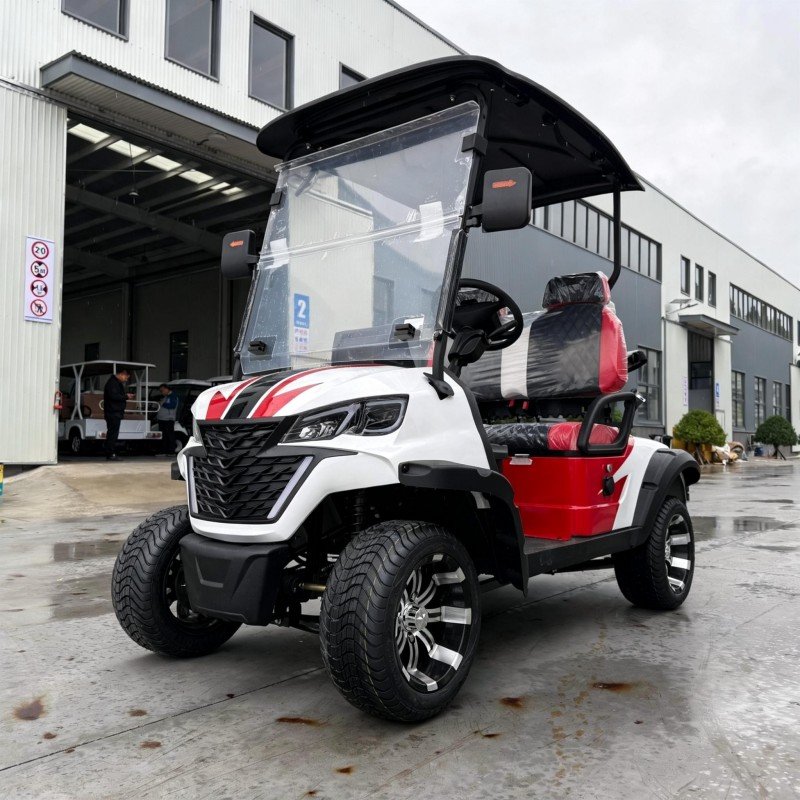
EGC-01 Electric Golf Cart
Engineered for communities, golf courses, and commercial facilities, the EGC-01 combines a high-torque 5,000W AC motor with advanced lithium technology to deliver a top speed of 29 MPH and an exceptional 49-mile range. Stop paying for legacy markups and invest directly in factory-proven performance.
Motor: Powerful 5,000W AC Electric Motor
Battery: 48V 150Ah Lithium (Fast charging)
Range & Speed: Up to 49 Miles / Top Speed 29 MPH
Suspension: Independent MacPherson Strut
Brakes: Disc & Drum Brake System
Safety: Lights, mirrors, horn, and seatbelts included
Frequently Asked Questions
Which electric golf cart manufacturers offer the best value for money?
Based on current market data, direct manufacturers like GT Golf Cart, and value brands like Icon EV and Evolution, offer the highest value. They include premium features (lithium batteries, AC motors, lifted suspensions) as standard equipment, bypassing the massive legacy markups of the Big Three.
Is it worth buying a lithium-ion golf cart over lead-acid?
Yes. Upgrading to a lithium-ion golf cart is absolutely worth the initial cost. Lithium batteries require zero water maintenance, weigh 300 lbs less than lead-acid batteries (improving speed and handling), charge twice as fast, and last up to 10 years, dramatically lowering your total cost of ownership.
Do cheaper golf carts use steel or aluminum frames?
Value manufacturers generally use powder-coated steel frames to keep costs down. While steel is incredibly strong, it is highly susceptible to rust if the coating is scratched in coastal or humid environments. Premium legacy brands like Club Car use rust-proof aluminum frames.
Are AC motors better than DC motors in golf carts?
In most professional situations, yes. AC (Alternating Current) motors are vastly superior. They provide higher top speeds, drastically better hill-climbing torque, regenerative braking (which extends battery range), and have fewer moving parts (no brushes to wear out) than older DC motors.
Industry References & Authoritative Standards
To ensure our manufacturing guidance and safety recommendations are structurally and legally sound, GT Golf Cart aligns with data from the following authoritative organizations:
- National Golf Foundation (NGF): Industry data regarding golf course fleet management, cart lifecycles, and the economic impact of transitioning from gas/lead-acid to lithium-electric fleets. Review NGF Industry Data
- U.S. Department of Energy (DOE): Technical guidelines and safety standards regarding lithium-ion battery integration, energy efficiency, and charging infrastructure for electric vehicles. Review DOE EV Standards
- American National Standards Institute (ANSI) / OPEI: Specifically the ANSI/OPEI Z130.1 standards, which dictate the stringent safety, performance, and testing requirements for golf cars and personal transport vehicles. Review ANSI Safety Standards