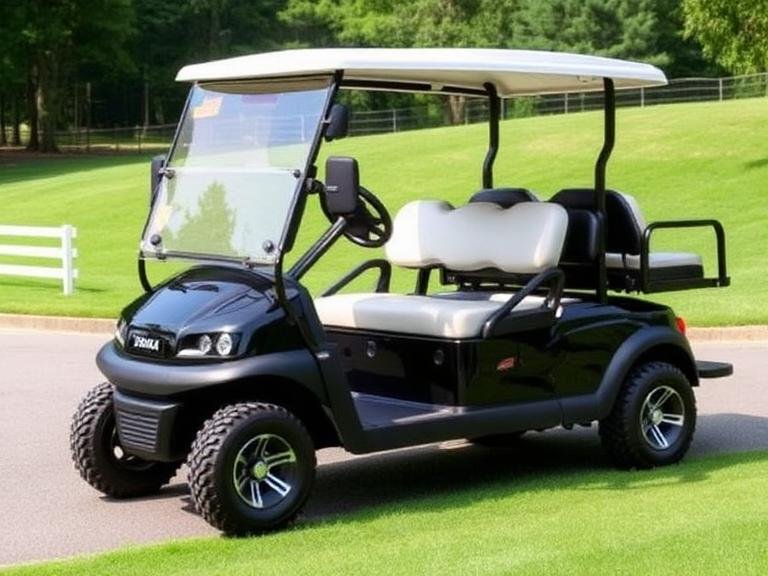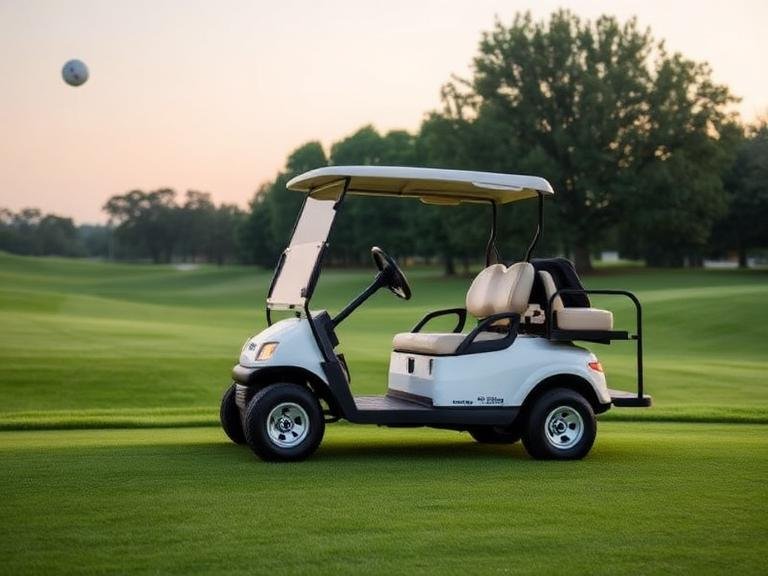
Navigating the modern mobility market requires a firm grasp on realistic budgets, especially when evaluating the cost of an electric golf cart. Today, these vehicles are no longer restricted to pristine fairways. They have rapidly evolved into primary modes of transportation for master-planned communities, sprawling commercial resorts, and massive industrial facilities. However, as battery technology shifts from legacy lead-acid to high-performance lithium-ion, the sticker shock for uneducated buyers can be severe.
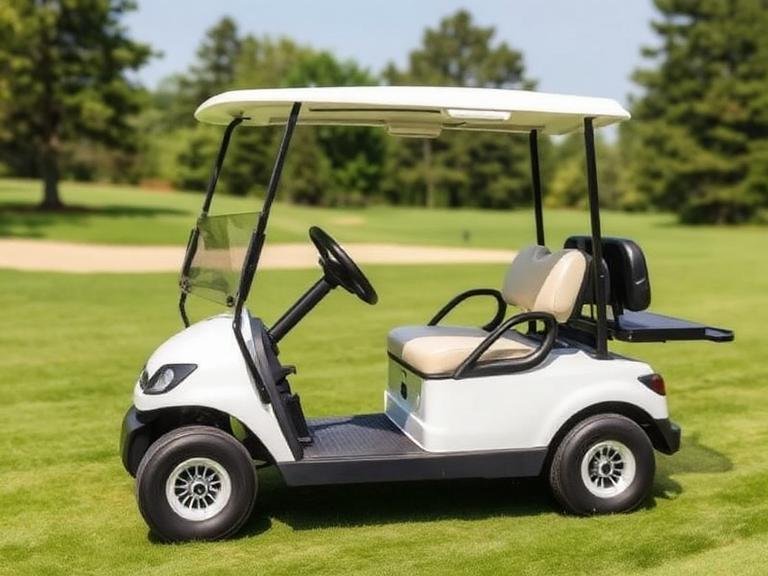
From our experience engineering and supplying fleet vehicles, the single biggest mistake consumers and facility managers make is treating the upfront price tag as the only financial metric. The true cost of an electric golf cart encompasses depreciation, battery replacement cycles, and street-legal compliance upgrades. In this comprehensive 2026 guide, we strip away the marketing jargon to deliver an uncompromising look at exactly what you should be paying, what drives these prices, and whether upgrading to a premium lithium build is actually worth your capital.
Quick Answer: The Cost of an Electric Golf Cart
In 2026, the average cost of an electric golf cart purchased brand new ranges from $5,000 to $18,000. For buyers exploring the pre-owned market, clean used models typically sell for $2,000 to $8,000. The exact price you will pay is governed by four primary levers: whether the cart is new or used, the total seat count, the battery chemistry (lead-acid vs. lithium), and whether the vehicle possesses street-legal (LSV) certification. We highly recommend budgeting an additional $1,500 to $4,000 upfront to secure a lithium battery powertrain, as the total cost of ownership over a five-year period is significantly lower than maintaining traditional lead-acid systems.
Table of Contents
- What It Is: The 2026 Electric Golf Cart Landscape
- How It Works: Breaking Down the Cost of an Electric Golf Cart
- Benefits: Why It Is Worth the Investment
- Limitations: What the Dealership Will Not Tell You
- Who Should Buy One?
- Who Does Not Need One?
- Common Mistakes Buyers Make
- Crucial Buying Considerations
- Expert Recommendation
- Frequently Asked Questions (FAQ)
What It Is: The 2026 Electric Golf Cart Landscape
Before analyzing the cost of an electric golf cart, you must understand what you are actually buying. A modern electric golf cart is a highly sophisticated Low-Speed Vehicle (LSV) powered by an AC electric motor and an advanced battery array. The industry has sharply divided into distinct tiers: basic fleet vehicles meant strictly for grass, and heavily modified personal transport vehicles equipped with DOT-approved windshields, hydraulic brakes, and infotainment systems.
In 2026, the market is overwhelmingly dominated by electric powertrains. While gas models exist, the cost of an electric golf cart over its lifespan is vastly superior due to the complete elimination of oil changes, fuel costs, and combustion engine maintenance. When you are pricing out these vehicles, you are essentially paying for the chassis capacity and the onboard energy storage system.
How It Works: Breaking Down the Cost of an Electric Golf Cart
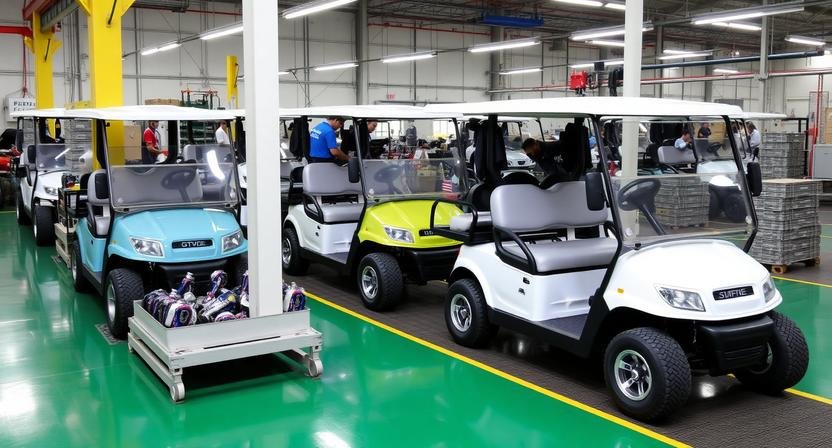
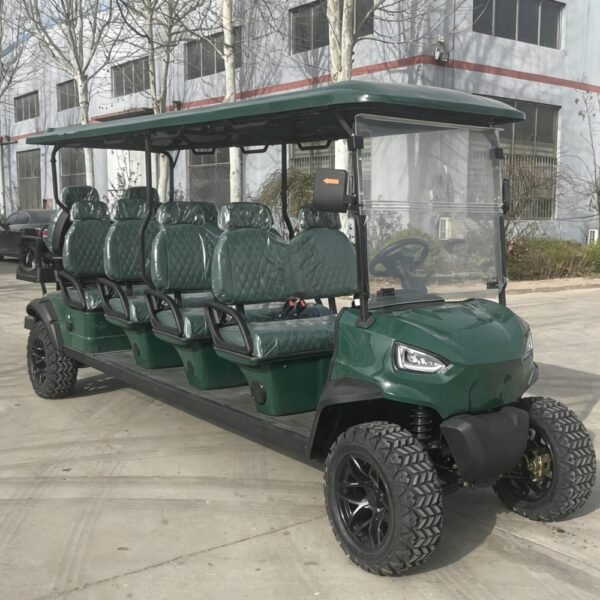
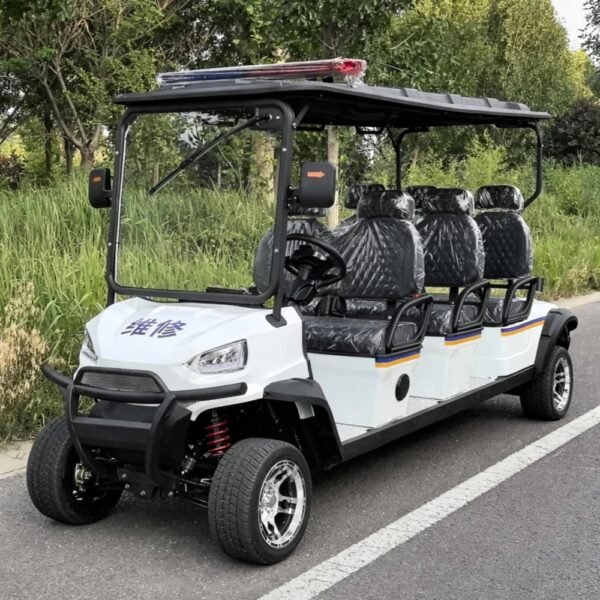
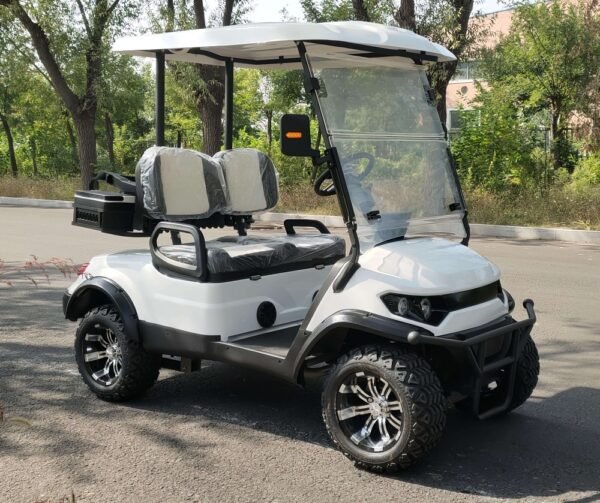
The mechanics of pricing are surprisingly transparent once you understand the four main cost drivers. The baseline cost of an electric golf cart is established by its chassis size. A basic new 2 seater golf cart starts between $5,000 and $9,000. When you stretch the chassis to accommodate a family, a new 4 seater golf cart runs $9,000 to $13,000. For large resort shuttles or big families, a 6 seater golf cart lands between $10,000 and $16,000, while an extended 8 seater golf cart will push the price even higher into commercial territory.
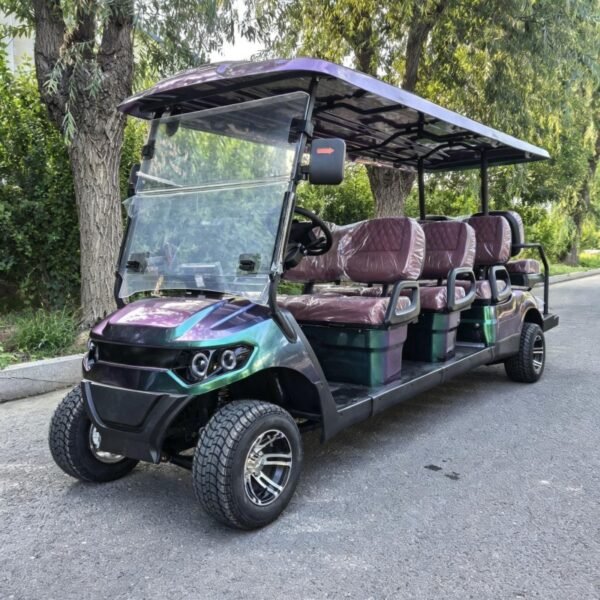
The second massive price lever is the battery. Opting for a lithium-ion battery pack adds roughly $1,500 to $4,000 to the upfront cost of an electric golf cart. The third lever is regulatory compliance. Upgrading a standard cart to a certified street legal golf cart (which requires seat belts, turn signals, mirrors, and a 17-digit VIN) typically pushes the price tag to a range of $12,000 to $20,000 or more. Finally, entering the realm of custom golf carts or luxury golf carts with lifted suspensions, premium upholstery, and custom paint can cause the final invoice to climb past the $20,000 mark.
Benefits: Why It Is Worth the Investment
Is the cost of an electric golf cart justifiable? Absolutely. For commercial users managing a resort or university campus, deploying an electric utility golf cart provides zero-emission, silent operation that does not disturb guests or students. Financially, charging a lithium electric cart costs pennies on the dollar compared to refueling a gas utility vehicle.
For residential buyers living in master-planned communities, the cost of an electric golf cart replaces the need for a secondary automobile. It serves as a neighborhood grocery getter, a school drop-off vehicle, and a weekend cruiser. The lithium technology available in 2026 means you can leave the cart unplugged for months during the winter without destroying the battery chemistry—a massive operational benefit over legacy lead-acid systems.
Limitations: What the Dealership Will Not Tell You
We must use practical judgment here: the upfront cost of an electric golf cart is a significant hurdle. Furthermore, these vehicles suffer from aggressive early depreciation. If you buy a brand new model, expect it to lose 40% to 60% of its original value within the first three to five years.
Another stark limitation lies in the used market. A used electric golf cart is heavily dependent on battery health. A severely worn battery pack can cost $700 to $4,500 to replace. If you buy a used cart for $3,000 but immediately have to drop $2,500 on new batteries, your perceived “bargain” is instantly erased.
Who Should Buy One?
In most professional situations, golf course operators, security firms, and property management companies should exclusively procure electric fleets. The operational cost of an electric golf cart is vastly superior for high-frequency, short-distance routes. For private consumers residing in gated communities or coastal towns where the speed limit is 35 mph or lower, investing in Road Legal Golf Carts is highly recommended to bridge the gap between a bicycle and a full-sized SUV.
Who Does Not Need One?
For beginners who only golf twice a month, purchasing a personal cart makes no financial sense; paying the daily clubhouse rental fee is vastly more economical. Additionally, if your local municipality strictly prohibits low-speed vehicles on public roads, paying the premium for a road legal golf cart is a complete waste of capital. Stick to a basic off-road model or avoid the purchase entirely.
Common Mistakes Buyers Make
From our experience, the most catastrophic mistake buyers make is misunderstanding battery lifespan. When analyzing the cost of an electric golf cart on the secondary market, buyers frequently purchase a 4-year-old cart with original lead-acid batteries, completely unaware that lead-acid packs typically die at the 4-to-5-year mark. Always verify the battery installation date and request a load test before handing over your money.
Another massive error is confusing a standard lifted cart with an actual LSV. Bolting headlights onto a standard cart does not make it street legal. A true LSV requires a DOT-approved windshield, wiper, backup camera, seatbelts, and a federally registered VIN. Attempting to drive an uncertified cart on municipal roads can result in severe legal fines and vehicle impoundment.
Crucial Buying Considerations
When you are ready to evaluate the cost of an electric golf cart, you must establish clear buying criteria. If you are a commercial buyer looking to outfit an entire fleet, investigating Golf Cart Manufacturers in China is a strategic move to secure wholesale pricing on high-quality, modern chassis designs.
If you are an individual buyer with mechanical aptitude looking to suppress the total cost of an electric golf cart, utilizing a Build Your Own Golf Cart Kit can drastically reduce labor markups. Regardless of your procurement route, you must factor in the hidden costs of ownership: annual insurance premiums, dedicated charging infrastructure (like installing a 220V outlet in your garage), and standard wear-and-tear items like tires and brake pads.
| Cart Configuration | Estimated New Price Range | Estimated Used Price Range |
|---|---|---|
| Basic 2-Seater (Non-Street Legal) | $5,000 – $9,000 | $2,000 – $4,500 |
| 4-Seater Family Cruiser | $9,000 – $13,000 | $4,000 – $6,500 |
| 6-Seater Resort / Large Family | $10,000 – $16,000 | $5,000 – $9,000 |
| Street-Legal LSV (Lithium Powered) | $14,000 – $20,000+ | $8,000 – $12,000 |
| Feature | Lithium-Ion Battery | Lead-Acid Battery |
|---|---|---|
| Upfront Cost Premium | +$1,500 to $4,000 | Baseline standard |
| Lifespan | 8 to 10+ Years | 3 to 5 Years |
| Maintenance Required | Zero (Plug and play) | High (Requires monthly watering, terminal cleaning) |
| Weight Impact | Very Light (Boosts speed and range) | Very Heavy (Drags down performance) |
| Buying a New Golf Cart | Buying a Used Golf Cart |
|---|---|
| Pro: Full manufacturer warranty and flawless battery life. | Pro: Bypasses the steepest depreciation curve of the first 3 years. |
| Pro: Access to the absolute latest lithium technology and safety features. | Pro: Significantly lower upfront capital required. |
| Con: Highest upfront cost of an electric golf cart. | Con: Hidden risk of an immediate, expensive battery replacement. |
| Con: Rapid initial depreciation upon leaving the dealership. | Con: No warranty; out-of-pocket costs for motor or controller failure. |
Expert Recommendation from GT Golf Cart
In our testing and years of supplying global fleets, we strongly advise buyers not to nickel-and-dime their battery choice. The cost of an electric golf cart equipped with a modern lithium-ion powertrain may seem intimidating at first, but the elimination of battery maintenance and the extended 10-year lifespan makes it the undisputed superior choice for both commercial users and private families. If you plan to own the cart for more than three years, lithium is worth every penny.
GT Golf Cart specializes in the design, manufacturing, and global supply of electric golf carts and low-speed vehicles. With over 12 years of industry experience, we deliver reliable mobility solutions for golf courses, resorts, communities, and commercial fleets worldwide. If you are looking to secure the absolute best ROI on your next vehicle purchase, we recommend focusing on factory-direct builds that prioritize heavy-duty aluminum chassis and sealed AC motor technology to guarantee decades of flawless operation.
Frequently Asked Questions (FAQ)
Why does a street legal electric golf cart cost so much more?
A street legal cart, officially classified as a Low-Speed Vehicle (LSV), carries a higher price tag because it must meet stringent federal safety standards. The premium covers required factory equipment—such as DOT-approved safety glass, automotive seatbelts, hydraulic brakes, turn signals, mirrors, and a registered 17-digit VIN. Additionally, most modern LSVs are built on premium lithium platforms to handle the increased weight and speed demands of road driving.
How much does it cost to replace the batteries in an electric golf cart?
The cost to replace the battery pack in an electric golf cart in 2026 typically ranges from $700 to $4,500. A standard set of traditional lead-acid batteries will generally cost between $700 and $1,200. Upgrading an older cart to a drop-in lithium-ion battery system will cost between $1,500 and $4,500, depending on the required amp-hour capacity and voltage of the cart.
Is it cheaper to run a gas or electric golf cart?
It is significantly cheaper to run an electric golf cart over its lifespan. While the initial purchase price of an electric cart can be slightly higher than a gas equivalent, electric carts require zero gasoline, no oil changes, no spark plug replacements, and have fewer moving parts that can break. The electricity required to charge the cart nightly costs only a few cents, making the total operational cost of an electric golf cart vastly superior.
Authoritative Industry References
- National Highway Traffic Safety Administration (NHTSA): Federal Motor Vehicle Safety Standards for Low-Speed Vehicles (LSV) defining the strict equipment requirements for street-legal golf carts. Review NHTSA Standards
- U.S. Department of Energy: Comprehensive data and technical reports on the lifespan, efficiency, and cost-saving benefits of advanced lithium-ion battery technology in electric vehicles. Explore Battery Data
- Battery Council International (BCI): Industry guidelines and maintenance protocols comparing the deep-cycle performance of lead-acid versus modern lithium energy storage systems. Read BCI Technical Guidelines