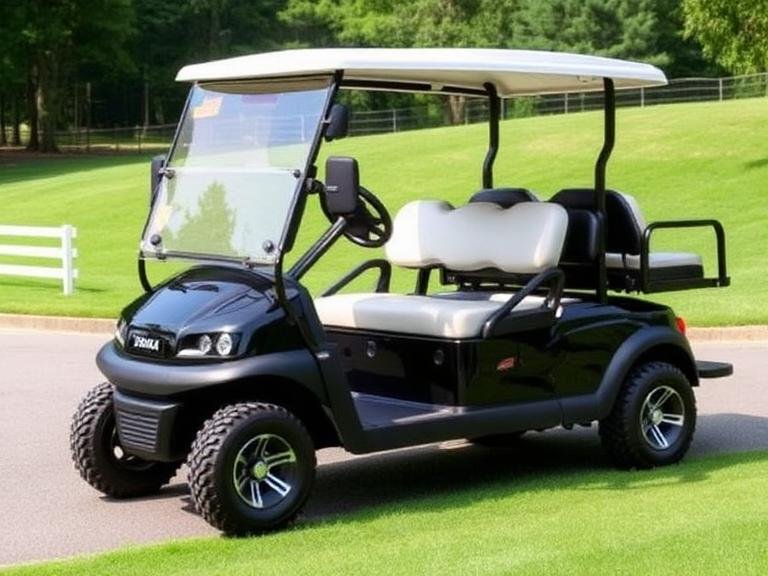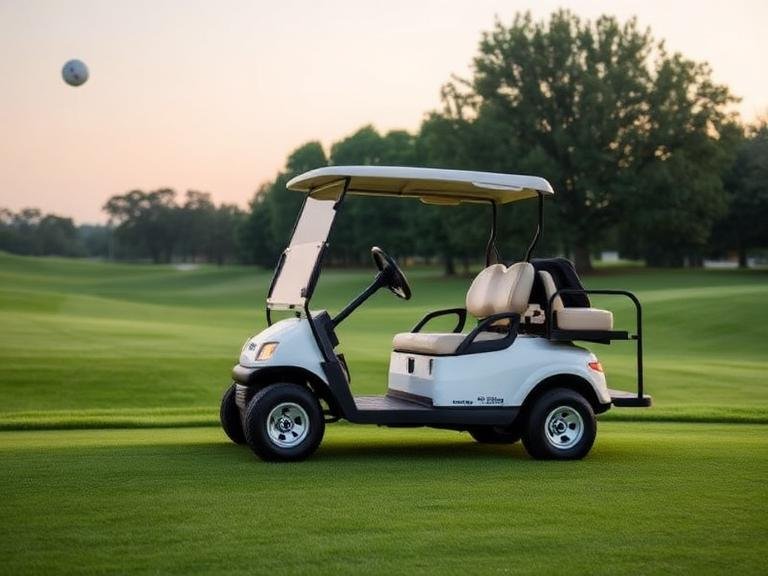
The low-speed vehicle and personal transportation vehicle (PTV) market has evolved tremendously. Golf carts are no longer confined to the back nine of your local country club. Today, they serve as primary neighborhood cruisers, robust farm utility vehicles, and campground haulers. However, navigating the landscape of golf cart dealers in Virginia requires a discerning eye. The market is currently flooded with unlicensed refurbishers patching together aging fleets with cheap aftermarket parts. If you want a vehicle that offers longevity, lithium-ion reliability, and a valid manufacturer warranty, you must purchase from a verified, authorized dealership.
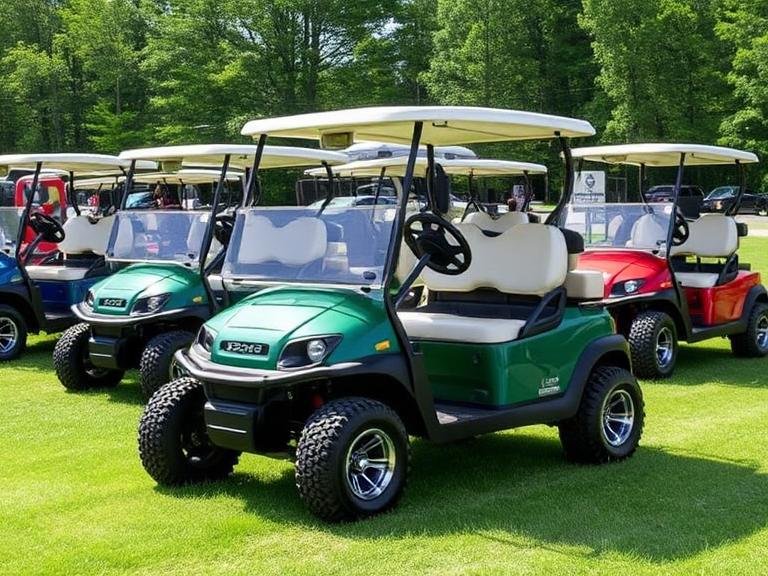
From our experience engineering and distributing premium low-speed vehicles, we know that a dealership’s value extends far beyond the initial sale. It hinges on their diagnostic capabilities, their access to OEM (Original Equipment Manufacturer) parts, and their honesty regarding battery life expectations. In this comprehensive guide, we will analyze the commercial landscape, expose common buying pitfalls, and highlight 5 good golf cart dealers in Virginia that have proven their mettle in customer service and inventory quality.
Quick Answer
If you are searching for the most reputable golf cart dealers in Virginia, we recommend Valley View Golf Carts (Penn Laird) for Shenandoah Valley residents seeking Club Car and Denago models, Yamaha Golf Cars of the Virginias (Ruckersville) for official Yamaha gas and electric fleets, Virginia Golf Cars (Newport News) for coastal buyers needing robust corrosion-resistant models, Middle Peninsula Golf Carts (Hayes) for stellar family-owned service, and River City Golf Carts (Tappahannock) for flexible financing. For buyers looking to invest in New Golf Carts 2026 with factory-direct pricing, authorized dealers provide the safest route to ownership.
Table of Contents
- What It Is: The Dealership Landscape
- How It Works: Buying a Golf Cart in VA
- The 5 Good Golf Cart Dealers in Virginia
- Benefits of Authorized Dealers
- Limitations of the Dealer Model
- Who Should Use a Dealer
- Who Does Not Need a Dealer
- Common Mistakes Buyers Make
- Buying Considerations & Cost-Benefit
- Comparison Table: Top 5 Dealers
- Pros vs Cons: Dealer vs. Private Seller
- Expert Recommendation
- Frequently Asked Questions (FAQ)
What It Is: The Dealership Landscape in Virginia
A certified golf cart dealership operates under strict compliance with major manufacturers (such as Club Car, E-Z-GO, Yamaha, or premium niche brands). These dealerships are contractually obligated to maintain a specific standard of facility, employ certified technicians, and utilize OEM diagnostic software. In Virginia, the geography dictates the inventory. Coastal dealers in the Hampton Roads area prioritize aluminum-frame electric carts to combat salt-air corrosion, while dealers in the Shenandoah Valley stock gas-powered or AC-drive lifted carts built for steep, mountainous terrain.
How It Works: Buying a Golf Cart in VA
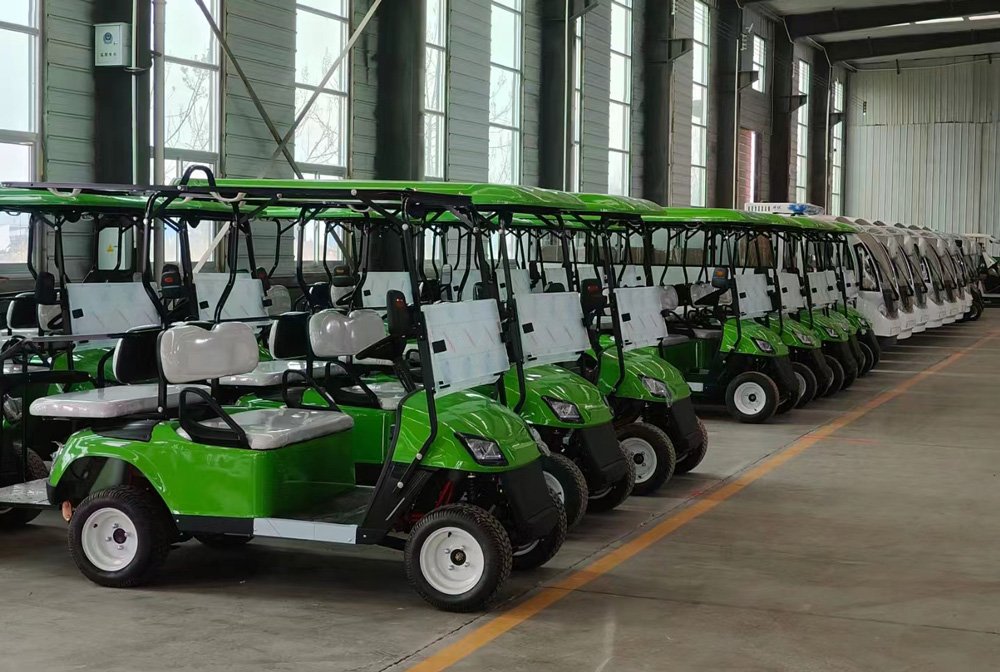
Purchasing a golf cart involves a comprehensive needs assessment. A reputable dealer will conduct an interview regarding your intended terrain, passenger requirements, and storage capabilities. Once a model is selected, the dealer manages the customization—adding lift kits, rear flip seats, upgraded controllers, or DOT-approved windshields. If you intend to drive your cart on public roads with speed limits of 25 mph or less, the dealer will ensure the vehicle meets the strict criteria for a Low Speed Vehicle (LSV) as mandated by the Virginia DMV, facilitating the necessary title and registration paperwork.
The 5 Good Golf Cart Dealers in Virginia
In our testing of regional market presence, customer reviews, and service capabilities, these five establishments stand out as premier golf cart dealers in Virginia.
1. Valley View Golf Carts (Penn Laird, VA)
Family-owned and operated since 2003, Valley View Golf Carts has cemented its reputation in the Shenandoah Valley. They are an authorized dealer for Club Car, Denago EV, Atlas, and Dach vehicles. What sets them apart is their full-spectrum in-house operation; sales, financing, and a rigorous service department all function under one roof. Whether you are seeking a neighborhood cruiser or an off road golf cart for farm chores, their inventory of over 30 stocked carts allows for immediate test drives and fulfillment.
2. Yamaha Golf Cars of the Virginias (Ruckersville, VA)
As the official Yamaha distributor for the region, this dealership is the definitive source for those who demand the engineering reliability of Yamaha’s Drive² platform. They excel in supplying both high-efficiency AC electric models and QuieTech EFI gas models. For heavy-duty applications—such as maintaining large acreage or managing corporate event logistics—their access to factory-direct parts and deep Yamaha specific troubleshooting makes them indispensable.
3. Virginia Golf Cars (Newport News, VA)
Serving the Hampton Roads coastal region, Virginia Golf Cars is an operational powerhouse. They specialize in outfitting neighborhoods, local resorts, and waterfront communities. They stand out by offering hassle-free delivery services, extensive rental fleets for events, and dedicated military and first-responder discounts. Their inventory spans multiple top-tier brands and features robust Lithium-Ion options that resist the rapid degradation often seen in lead-acid batteries exposed to coastal humidity.
4. Middle Peninsula Golf Carts (Hayes, VA)
Celebrating over two decades in business, Middle Peninsula Golf Carts is a certified woman-owned, family-run operation. They are a primary hub for E-Z-GO and Evolution EV models. Their approach is highly relational; they thrive on outfitting local families with street-legal, custom golf carts that turn heads in local communities like Gloucester and Williamsburg. Their parts counter and accessory installation team are highly rated by local residents.
5. River City Golf Carts (Tappahannock, VA)
Positioned to serve both Central and Northern Virginia, River City Golf Carts offers an aggressive mix of sales, seasonal rentals, and comprehensive accessory integration. In most professional situations, acquiring a fleet requires financial leverage, and River City excels by offering transparent, flexible financing options through established lending partners. Their service department is capable of handling complex electrical diagnostics and total frame rebuilds.
Benefits of Buying from an Authorized Dealer
The primary benefit of utilizing verified golf cart dealers in Virginia is risk mitigation. Authorized dealers provide a transferrable manufacturer warranty, which is critical when investing in an $11,000+ lithium-powered vehicle. Additionally, authorized service centers have direct software links to the manufacturers. If a modern AC controller throws a fault code, an independent flipper cannot legally access the proprietary software required to reflash the computer. A certified dealer resolves these common Club Car problems efficiently.
Limitations of the Dealership Model
We must exercise commercial judgment: dealerships possess inherent overhead costs. Maintaining a massive showroom, holding a multi-million dollar floor plan, and employing certified technicians means that their profit margins must be protected. Consequently, you will pay a premium compared to buying a used cart off a digital classified site. Furthermore, dealer allocations can sometimes limit your choices; if a dealer is exclusively contracted with one brand, they may heavily push that brand even if a competitor makes a cart better suited to your specific needs.
Who Should Use a Dealership
For commercial users: Golf courses, resort managers, and university facility directors must use authorized dealerships. The liability, warranty requirements, and maintenance contracts demanded by commercial fleets require B2B (Business-to-Business) dealer infrastructure.
For beginners: First-time buyers who do not understand battery maintenance protocols, voltage limits, or LSV street-legal requirements should rely entirely on a dealer’s expertise to avoid costly legal or mechanical blunders.
Who Does Not Need a Dealership
If you are a highly skilled mechanic building a specialized mud-bogging cart from a bare chassis, or if you simply need a beat-up, $1,500 non-running cart to convert into a hunting blind transport on private land, paying dealer retail prices is an unnecessary expenditure. You are better suited to scouring private sales for raw chassis donors.
Common Mistakes Buyers Make
The most catastrophic mistake buyers make is misunderstanding battery architecture. Many buyers walk onto a lot demanding the cheapest cart available, only to discover it houses 5-year-old lead-acid batteries that will require a $1,200 replacement in six months. Always demand a battery load test or insist on a model upgraded to a modern Lithium-Ion pack.
Another frequent error is ignoring the chassis material. If you live in Virginia Beach, buying a used cart with a welded steel frame is a ticking time bomb for rust. You must insist on an aluminum frame (like those engineered by Club Car) to survive the coastal elements.
Buying Considerations & Cost-Benefit Analysis
When conducting a cost-benefit analysis, weigh the upfront price against operational longevity. Affordable golf cart brands may look appealing on the sticker, but if the dealer cannot source replacement parts in three years, the vehicle becomes a lawn ornament. Evaluate the financing rates; many top golf cart dealers in Virginia offer 0% APR for 36 months during promotional periods, which drastically reduces the sting of upgrading to a premium lithium model.
Comparison Table: Top 5 Dealers in VA
| Dealership Name | Location | Primary Brands | Best Suited For |
|---|---|---|---|
| Valley View Golf Carts | Penn Laird, VA | Club Car, Denago, Atlas | Shenandoah Valley farm & neighborhood use |
| Yamaha Golf Cars of VA | Ruckersville, VA | Yamaha Exclusive | Gas/EFI applications, heavy-duty utility |
| Virginia Golf Cars | Newport News, VA | EZ-GO, Star EV, Club Car | Coastal living, military buyers, rentals |
| Middle Peninsula Golf Carts | Hayes, VA | EZ-GO, Evolution EV | Customized family neighborhood cruisers |
| River City Golf Carts | Tappahannock, VA | Multi-brand pre-owned & new | Buyers seeking robust financing & accessories |
Pros vs Cons Table: Dealership vs Private Seller
| Authorized Dealership | Private Marketplace Seller |
|---|---|
| Pro: Full manufacturer warranties and legal LSV paperwork. | Pro: Significantly lower absolute purchase price. |
| Pro: Access to certified technicians and OEM parts. | Pro: Room for aggressive price negotiation. |
| Con: Higher retail pricing due to facility overhead. | Con: Zero warranty; you inherit all existing mechanical failures. |
| Con: May push specific brands they are contracted to sell. | Con: High risk of buying stolen property or carts with dead batteries. |
Expert Recommendation from GT Golf Cart
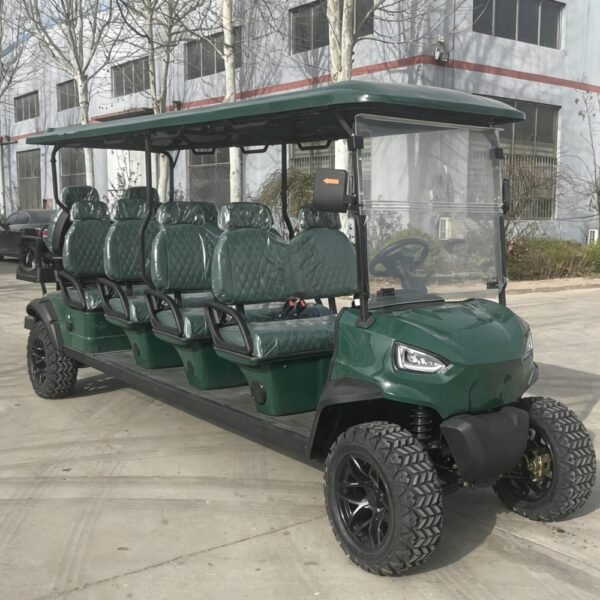
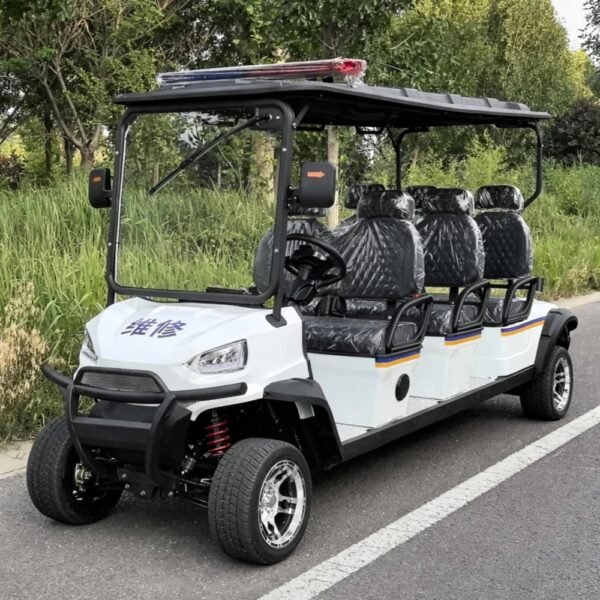
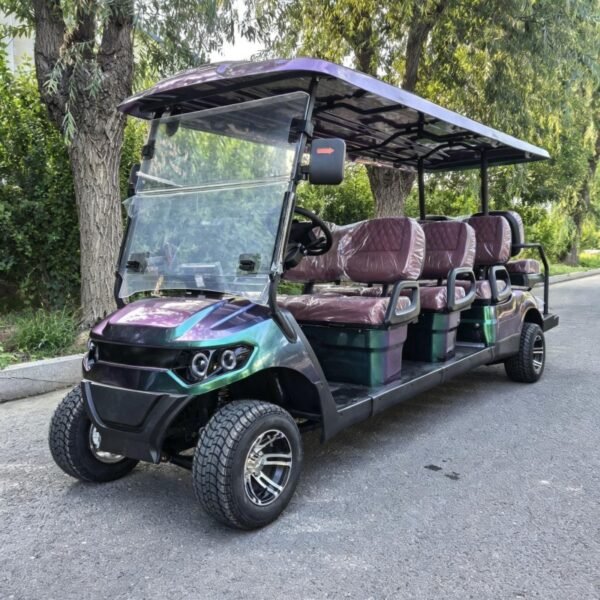
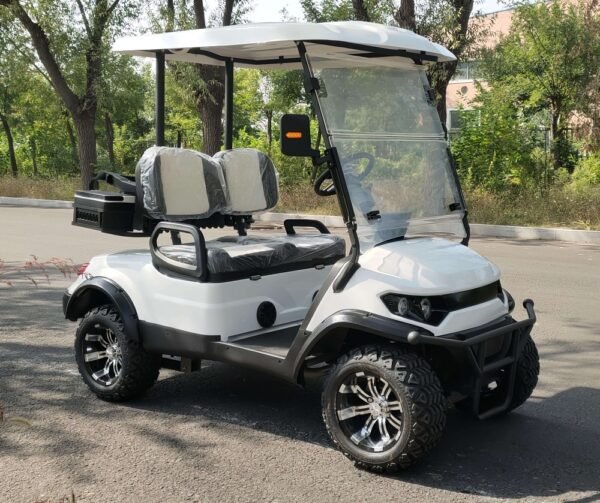
In most professional situations, the reliability of your low-speed vehicle is directly tied to the integrity of the entity that sold it to you. While hunting for a bargain on social media marketplaces is tempting, the long-term total cost of ownership is almost always lower when purchasing from established, authorized golf cart dealers in Virginia. They ensure your vehicle is street-legal, battery-optimized, and structurally sound.
GT Golf Cart specializes in the design, manufacturing, and global supply of electric golf carts and low-speed vehicles. With over 12 years of industry experience, we deliver reliable mobility solutions for golf courses, resorts, communities, and commercial fleets worldwide. Whether you are an individual upgrading your neighborhood ride or a commercial entity sourcing a massive fleet, prioritizing build quality and dealer support is paramount.
Frequently Asked Questions (FAQ)
Do I need to register my golf cart to drive it in a Virginia neighborhood?
Yes. In the state of Virginia, if you intend to operate your cart on public roadways (where the speed limit is 25 mph or less), it must be classified and registered as a Low Speed Vehicle (LSV) through the DMV. The vehicle must be equipped with specific safety features, including headlights, taillights, turn signals, mirrors, seatbelts, an AS1 windshield, and a valid Vehicle Identification Number (VIN).
Are lithium-ion golf carts better than lead-acid carts?
Unequivocally, yes. From our experience, lithium-ion battery technology is the definitive standard for modern mobility. Lithium packs require zero water maintenance, do not lose power as the charge depletes, weigh hundreds of pounds less than lead-acid banks, and generally last 3 to 5 times longer. While the upfront cost is higher, the long-term ROI makes it the smartest financial decision.
How much does a new golf cart cost at a Virginia dealership?
Prices fluctuate based on the manufacturer, power source, and accessory loadout. A base-model, two-passenger cart will start around $8,000. However, a modern, fully loaded 4-passenger lithium-ion LSV with custom wheels, a lift kit, and premium seating will generally cost between $12,000 and $16,000. Authorized dealers often provide competitive financing to ease the upfront burden.
References & Industry Standards
To ensure compliance and optimal vehicle safety, we recommend consulting the following authoritative bodies regarding low-speed vehicle operation in Virginia:
- Virginia Department of Motor Vehicles (DMV): Official regulations, titling, and registration requirements for operating Low Speed Vehicles on public Virginia roadways. Visit VA DMV
- Golf Cart Resource: An industry-leading publication providing objective reviews, maintenance standards, and battery care guidelines for consumers and commercial fleet managers. Explore Golf Cart Resource
- Club Car Official Manufacturer Guidelines: Engineering specifications and OEM maintenance protocols for aluminum chassis integrity and lithium battery safety. Review Club Car Standards