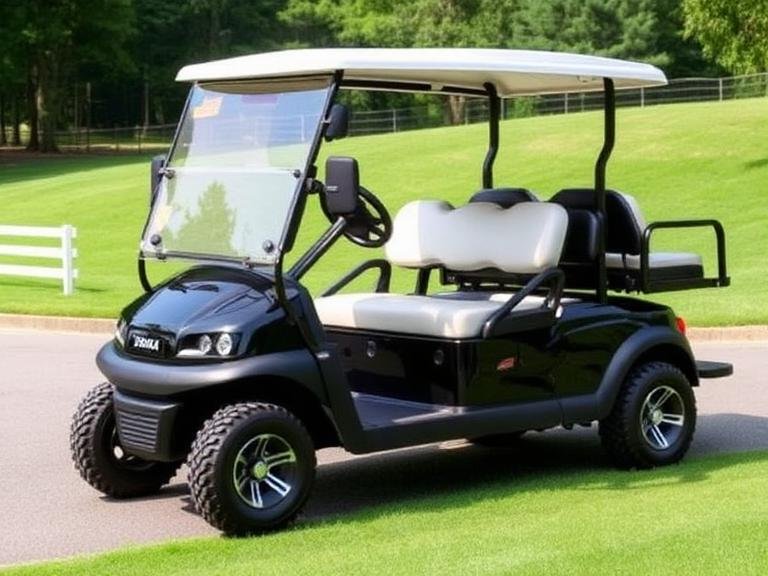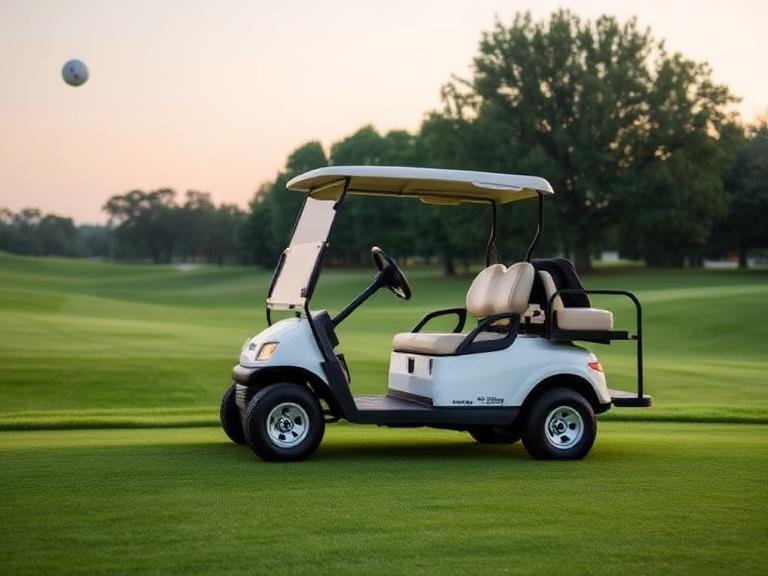
Importing a golf cart can give a dealer, golf course, resort, or fleet operator access to more configurations and competitive factory pricing. But choosing a manufacturer based on a low quotation is a costly shortcut. Battery quality, parts availability, vehicle certification, production consistency, and after-sales support determine whether an imported cart becomes a profitable asset or a long-term service problem.
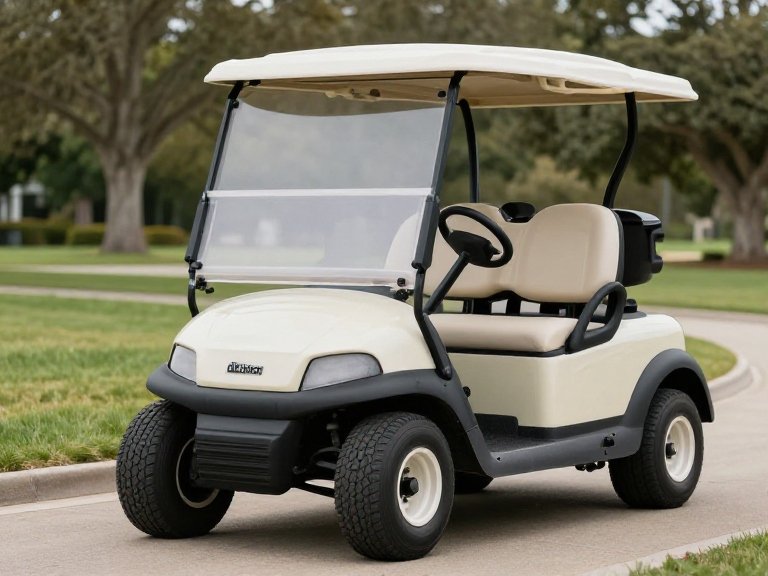
Top 10 Imported Golf Cart Manufacturers: A Practical Guide for Global Buyers
The strongest imported golf cart manufacturers are not all competing in the same segment. Some focus on established golf-course fleets, some specialize in affordable Chinese OEM production, and others target luxury personal transportation or commercial utility vehicles. Our recommendation is to shortlist manufacturers according to your intended market and operating conditions—not simply their advertised factory capacity or starting price.
Quick Answer: Which imported golf cart manufacturers are worth evaluating?
For international buyers, ten manufacturers and brands worth researching are HDK Electric Vehicle, Suzhou Eagle, Marshell, Guangdong LVTONG, CENGO, EXCAR, XUNHU, Melex, Garia, and Yamaha Golf Car. This is a practical sourcing shortlist, not a verified ranking by sales volume or quality. Several Chinese manufacturers are especially relevant for OEM/ODM, multi-passenger, and commercial configurations. Melex and Garia offer different European positioning, while Yamaha has a long golf-car history but announced a phased termination of its golf-products business in 2026. Always verify the actual manufacturing location, current model availability, and export documentation for the specific vehicle you plan to import.Table of Contents
- What imported golf cart manufacturers means
- How importing golf carts works
- Top 10 imported golf cart manufacturers
- Manufacturer comparison table
- Benefits of importing golf carts
- Limitations and risks
- Who should import golf carts?
- Who should not import directly?
- Common importing mistakes
- How to choose a golf cart manufacturer
- Cost-benefit analysis
- GT Golf Cart OEM/ODM solutions
- Expert recommendation
- Frequently asked questions
- References
1. What Does Imported Golf Cart Manufacturer Mean?
An imported golf cart manufacturer is a company that designs or produces golf carts outside the buyer’s destination country and supplies vehicles for international markets. For a US dealer, this may mean purchasing from a factory in China, Poland, Denmark, or another manufacturing location. For a resort operator in the Middle East or Latin America, the relevant sourcing countries and import requirements may be different.
One distinction matters before comparing suppliers: a brand owner, manufacturer, exporter, distributor, and importer are not necessarily the same company.
- Manufacturer: Designs, assembles, or produces the vehicle and may control the production process.
- Brand owner: Owns the name under which the cart is sold. It may outsource some or all manufacturing.
- Exporter: Handles international sales and shipment documentation, sometimes on behalf of a factory.
- Importer: Brings the vehicle into the destination market and handles applicable customs and regulatory responsibilities.
- Local dealer: Sells, services, and supports the vehicle after importation.
This distinction is particularly important when a familiar golf cart brand uses an overseas production partner. The badge on the dashboard does not, by itself, identify the factory that built the vehicle. Buyers should establish the legal manufacturer, country of origin, and responsible party for warranty and compliance before signing a purchase contract.
Why the country of origin matters
Country of origin can influence landed cost, shipping time, parts logistics, tariffs, documentation, and customer perception. It does not automatically determine quality. A well-controlled factory with documented processes can produce a dependable vehicle, while a poorly specified order from a well-known country can still create operational problems.
Industry market research identifies companies from China, the United States, Europe, and other regions among the golf cart industry’s active competitors. The market is not a single-source industry, and buyers should compare manufacturers by product fit and support capability rather than assume that one country is always the best choice.
2. How Importing Golf Carts Works
Importing a golf cart is a supply-chain decision, not simply an online purchase. A commercial buyer needs to confirm the vehicle configuration, production specifications, shipping terms, destination requirements, and service plan before paying a deposit.
Step 1: Define the application
Start with the operating environment. A golf course needs reliable daily passenger transport and predictable maintenance. A resort may prioritize passenger capacity, appearance, and comfort. A property-management company may need cargo capacity, weather protection, or utility accessories.
Decide whether you need a conventional golf cart, a lifted off-road configuration, a utility vehicle, or a low-speed vehicle intended for public-road use. These are different product categories with different technical and legal requirements.
Step 2: Confirm the specification
Request a complete specification sheet. It should identify the motor, controller, battery chemistry and capacity, charger, braking system, suspension, tires, seating capacity, dimensions, payload, and available options. For electric carts, ask for the battery manufacturer’s details and the battery management system specifications where applicable.
Step 3: Verify the manufacturer
Ask for the factory’s legal name, production address, company registration information, and evidence that it manufactures the quoted model. A trading company may still be a useful exporter, but you should know who is responsible for engineering changes, production quality, warranty claims, and replacement parts.
Step 4: Check destination-market compliance
Do not assume that a golf cart is road legal because the supplier describes it as a street-legal model. In the United States, a low-speed vehicle (LSV) is subject to a different federal regulatory framework from a conventional golf cart. The distinction affects required equipment, certification, registration, and permitted use.
Step 5: Approve samples or a pilot order
For a dealer or fleet operator, a pilot order can reveal issues that photographs and specification sheets cannot. Inspect assembly quality, steering response, braking, battery operation, charger compatibility, and finish quality. For larger orders, establish an inspection plan and acceptance criteria before production.
Step 6: Arrange shipment and after-sales support
Confirm shipping terms, packing method, insurance, customs documents, spare-parts package, warranty procedure, and technical support arrangements. Make sure the person responsible for repairs can access wiring diagrams, controller information, diagnostic instructions, and replacement parts.
3. Top 10 Imported Golf Cart Manufacturers to Consider
The following companies are presented as a sourcing shortlist rather than a strict performance ranking. Their product ranges, business models, and market positioning differ. Company descriptions should be treated as starting points for due diligence; confirm current models, ownership, factory locations, and export arrangements directly before placing an order.
1. HDK Electric Vehicle — China
HDK is a Chinese electric vehicle manufacturer with a product focus that includes golf carts, hunting buggies, sightseeing vehicles, and utility carts. The company identifies Xiamen, China, as its main manufacturing base and describes an international dealer network.
Why consider HDK: It is relevant to importers looking for a broad electric vehicle range, dealer relationships, and different vehicle applications. Buyers can compare personal-use carts with commercial and specialty configurations.
What to verify: Confirm the exact factory responsible for your model, the battery and controller brands, parts stock arrangements, and the warranty process in your country. Ask for written confirmation of any local dealer or service coverage.
Best fit: Dealers and fleet buyers seeking a manufacturer with a broad electric vehicle portfolio.
2. Suzhou Eagle Electric Vehicle Manufacturing — China
Suzhou Eagle has been active in electric vehicle manufacturing since 1999. Its range includes electric golf carts, personnel carriers, electric trucks, and customized vehicles based on standard platforms. The company also describes OEM/ODM cooperation and international customer relationships.
Why consider Suzhou Eagle: Its long operating history and wider electric vehicle capabilities make it worth evaluating for buyers who need more than a basic golf-course cart. Customization can be useful for resorts, campuses, and commercial sites with specific passenger or cargo requirements.
What to verify: Ask for production records and inspection procedures for the exact model, not only company-wide capacity figures. Check whether customized parts can be replaced locally and whether the factory can support repeat orders with consistent specifications.
Best fit: Importers looking for established Chinese production experience and configurable electric vehicle platforms.
3. Marshell — China manufacturing operations
Marshell is a global electric low-speed vehicle manufacturer with production facilities in China. Its stated product portfolio covers golf carts, sightseeing buses, lifted carts, utility vehicles, and other electric material-handling or mobility products.
Why consider Marshell: Its range is relevant to commercial buyers who may need golf carts alongside utility or sightseeing vehicles. A supplier with several vehicle categories can simplify sourcing for a resort, industrial site, or large property.
What to verify: Confirm the contracting entity, actual country of origin, factory location, and model-specific parts supply. The company describes its corporate headquarters as being in Singapore and its production facilities as being in China, so importers should confirm which entity will appear on the commercial invoice and export documents.
Best fit: Commercial fleet operators and distributors sourcing multiple types of electric vehicles.
4. Guangdong LVTONG New Energy Electric Vehicle Technology — China
LVTONG is a Chinese electric vehicle manufacturer established in 2004. Its product range includes golf carts, lifted carts, sightseeing vehicles, utility vehicles, and specialized electric vehicles. The company describes manufacturing operations in Guangdong Province.
Why consider LVTONG: The breadth of its golf cart and utility vehicle range makes it relevant for dealers and commercial customers. Buyers can investigate passenger configurations, cargo models, and vehicles designed for resorts or property operations.
What to verify: Ask for current technical documentation, battery options, component brands, and destination-specific compliance documents. If you are purchasing a fleet, confirm the factory’s ability to supply identical replacement components throughout the expected service life.
Best fit: Importers seeking a Chinese manufacturer with a wide range of golf and utility vehicle configurations.
5. CENGO — China
CENGO manufactures electric golf carts, sightseeing vehicles, and functional electric vehicles. Its public company information describes customization options such as colors, tires, logos, and seating configurations, along with a dealer-oriented business model.
Why consider CENGO: Its customization offering may appeal to importers who want a differentiated product range without developing an entirely new vehicle platform. The company also presents itself as a supplier for golf courses, hotels, resorts, factories, and other commercial applications.
What to verify: Ask for the exact warranty terms in the purchase contract. Confirm the scope of any stated certification, including which model and configuration it covers. A general claim of compliance is not a substitute for vehicle-specific documentation.
Best fit: Dealers and businesses looking for configurable carts and OEM-style branding options.
6. EXCAR — China
Dongguan Excar Electric Vehicle Co., Ltd. is a Chinese manufacturer of electric golf carts and other low-speed electric vehicles. Its published product range includes two-, four-, and multi-passenger carts, sightseeing vehicles, patrol carts, utility vehicles, and lifted configurations. The company also describes OEM customization.
Why consider EXCAR: The product range is useful for importers comparing different seating layouts and commercial configurations. Its manufacturing and export background makes it a candidate for buyers who want to assess factory-direct sourcing.
What to verify: Request a detailed bill of materials for the quoted configuration. Some product listings may feature well-known third-party components, but buyers should verify the exact component model, authenticity, availability, and warranty for their order.
Best fit: Importers who need several vehicle layouts or customized utility and sightseeing carts.
7. XUNHU — China
XUNHU manufactures electric golf carts, sightseeing vehicles, shuttle buses, and utility vehicles. Its published product range includes two-, four-, six-, eight-, and higher-capacity passenger configurations, as well as customized vehicles for resorts, airports, commercial properties, and recreational facilities.
Why consider XUNHU: Its multi-passenger and shuttle vehicle range makes it relevant to buyers who need more than a standard two-seat golf cart. The company also describes OEM/ODM services and support for international customers.
What to verify: Confirm the actual production facility and the capacity allocated to your order. Request a complete spare-parts list, battery warranty, shipping plan, and evidence for the certifications applicable to the exact vehicle.
Best fit: Resorts, sightseeing operators, property developers, and importers sourcing multi-passenger electric vehicles.
8. Melex — Poland
Melex is a European electric vehicle manufacturer based in Mielec, Poland. The company has a long history in electric mobility and produces golf, commercial, and specialist electric vehicles. Its portfolio is relevant to buyers who value a European manufacturing base and a range of purpose-built vehicle types.
Why consider Melex: Melex is worth comparing when the purchasing decision prioritizes established electric vehicle experience, European production, and commercial vehicle applications rather than the lowest possible purchase price.
What to verify: Check current export availability, local dealer coverage, spare-parts lead times, and the total landed cost. European origin does not remove the need to verify destination-market requirements or service arrangements.
Best fit: Buyers seeking European-made electric golf and utility vehicles for professional applications.
9. Garia — Denmark / Club Car group
Garia was founded in Copenhagen, Denmark, and developed a premium golf car identity focused on design, comfort, and higher-end vehicle presentation. Garia became part of the Club Car family following its acquisition in 2022. Buyers should therefore assess the current ownership and distribution structure rather than treat it as a fully independent supplier.
Why consider Garia: It is relevant to premium resorts, luxury properties, and customers who place a high value on styling and finish. The brand occupies a different position from many factory-direct, value-oriented golf cart suppliers.
What to verify: Confirm current model availability, production origin, distribution rights, service arrangements, and parts supply through the appropriate Club Car or Garia channel. Also compare the premium purchase price against expected utilization and resale value.
Best fit: Luxury resorts, premium personal-use buyers, and businesses where vehicle presentation is part of the customer experience.
10. Yamaha Golf Car — Japan and international production history
Yamaha has a long history in golf cars, beginning production in 1975. Its golf car business has included different passenger capacities and both electric and gasoline powertrains. Yamaha has also operated production facilities outside Japan, including the United States and Thailand.
Why consider Yamaha: The brand has a substantial history in golf course transportation and a recognized international presence. It remains relevant when evaluating established fleet products and the support requirements of existing Yamaha vehicles.
Important 2026 sourcing caution: Yamaha announced a termination plan for its golf-products business in 2026, with shipments to retailers in Japan scheduled to end on June 30, 2026, and other markets to follow according to distributor contract timelines. Buyers seeking new imports should not assume normal new-vehicle supply remains available. Obtain written confirmation of current production, market availability, warranty support, and parts continuity before considering a new order.
Best fit: Existing fleet operators evaluating support and replacement options, and buyers who can independently confirm current availability in their market.
4. Comparison Table: Which Imported Golf Cart Manufacturer Fits Your Business?
This comparison is designed to help buyers narrow the shortlist. It is not a performance scorecard: the manufacturers do not publish identical data, and the final vehicle configuration can vary significantly by order.
| Manufacturer | Manufacturing / Brand Origin | Primary Strength to Evaluate | Potential Buyer | Key Due-Diligence Priority |
|---|---|---|---|---|
| HDK | China | Broad electric vehicle range and dealer-oriented supply | Golf cart dealers and fleet buyers | Factory identity, parts and local service |
| Suzhou Eagle | China | Established electric vehicle production and customization | Commercial and multi-application buyers | Model-specific quality and repeatability |
| Marshell | China manufacturing; Singapore headquarters stated | Golf carts plus wider utility vehicle portfolio | Resorts and commercial fleets | Contracting entity and country of origin |
| LVTONG | China | Golf carts, lifted carts, and utility configurations | Dealers and commercial operators | Technical documentation and parts supply |
| CENGO | China | Customization and dealer-oriented models | OEM buyers and distributors | Certification scope and warranty terms |
| EXCAR | China | Passenger layouts and utility configurations | Importers and specialty vehicle dealers | Bill of materials and component verification |
| XUNHU | China | Multi-passenger carts and sightseeing vehicles | Resorts, airports, and property operators | Production capacity and service support |
| Melex | Poland | European electric golf and commercial vehicles | Professional fleet buyers | Landed cost and regional service coverage |
| Garia | Denmark brand; part of Club Car | Premium design and luxury positioning | Luxury resorts and premium users | Current distribution and model availability |
| Yamaha Golf Car | Japanese brand with international production history | Established golf car heritage | Existing fleet operators and replacement buyers | 2026 business wind-down and supply status |
Quick summary: which type of supplier should you prioritize?
| Your Business Objective | Manufacturers to Research First | What Matters Most |
|---|---|---|
| Factory-direct sourcing and OEM customization | HDK, Eagle, LVTONG, CENGO, EXCAR | Production control, customization, MOQ, repeat orders |
| Multi-passenger resort transportation | XUNHU, Eagle, Marshell, LVTONG | Seating capacity, payload, range, service access |
| Premium vehicle presentation | Garia, Melex | Finish, comfort, brand positioning, support |
| Existing fleet replacement and maintenance | Yamaha, Melex, Club Car-related channels | Parts continuity, dealer support, vehicle compatibility |
| Commercial utility applications | Marshell, Eagle, XUNHU, EXCAR | Cargo configuration, payload, durability, serviceability |
Pros and cons of importing golf carts
| Advantages | Disadvantages and Risks |
|---|---|
| Access to a wider range of manufacturers and configurations | Longer lead times than buying from local dealer inventory |
| Potentially competitive factory-direct pricing | Freight, customs, duties, and handling increase landed cost |
| OEM/ODM opportunities for dealer brands | Custom designs can increase MOQ and production complexity |
| Options for different passenger and utility applications | Parts and technical support may be difficult to arrange locally |
| Ability to specify battery, seating, colors, and accessories | Incorrect specifications can be expensive to correct after shipment |
| Potential to build a differentiated product range | Certification and road-use compliance require careful verification |
5. Benefits of Buying from Imported Golf Cart Manufacturers
More choice in vehicle configurations
International sourcing gives buyers access to different chassis layouts, battery systems, seating capacities, body designs, and commercial configurations. A resort that needs eight-passenger transportation may find more suitable options by comparing manufacturers across several countries rather than limiting its search to local inventory.
For dealers, this can also create a broader product portfolio. A basic two-seat model, a 4 passenger golf cart, and a 6 passenger golf cart can serve different customer budgets and applications.
Potentially better factory-level customization
Direct manufacturer relationships can make it easier to request brand logos, seat materials, colors, wheel options, roof designs, cargo accessories, and other configuration changes. This is particularly valuable for distributors building a private-label range or resorts that want a consistent fleet appearance.
Competitive purchasing economics
Factory-direct pricing may improve the purchase economics of a large order. The benefit is strongest when a buyer has predictable demand, can consolidate shipments, and has the technical capacity to manage imported vehicles.
However, the lowest factory quotation does not guarantee the lowest total cost. Import duties, shipping, inland transport, inspection, spare parts, and warranty administration must all be included in the calculation.
Access to specialist commercial vehicles
Some manufacturers offer more than conventional golf carts. Their ranges may include sightseeing shuttles, cargo vehicles, patrol carts, hunting carts, and other low-speed electric vehicles. This matters for hotels, campuses, airports, industrial facilities, and large properties where a standard golf cart may not be the best tool.
6. Limitations and Risks of Imported Golf Carts
After-sales support can be harder to manage
A golf cart is a vehicle with electrical, mechanical, and battery systems that need maintenance. If the supplier is overseas and the local dealer has no technical training or parts inventory, a small failure can keep a vehicle out of service for an unreasonable period.
Before importing, establish who handles diagnostics, warranty approval, replacement parts, and labor costs. A written service arrangement is more valuable than a general promise of lifetime support.
Certification is not automatically transferable
A manufacturer’s CE statement or general export experience does not automatically make a vehicle legal for every destination market. Buyers must verify the specific requirements for the vehicle type and intended use.
Battery replacement and compatibility
Battery chemistry, voltage, capacity, charger compatibility, battery management systems, and replacement availability all affect operating cost. A low purchase price can become unattractive if the battery system is difficult to service or replace.
Shipping damage and long lead times
Golf carts are large products that require suitable packing, loading, and transport arrangements. Buyers should agree on pre-shipment inspection, photographs, shipping insurance, and a process for documenting damage on arrival.
Model changes can affect spare parts
Manufacturers may revise controllers, wiring harnesses, dashboards, or battery systems between production batches. For a fleet buyer, even a small component change can complicate maintenance. Ask the supplier to identify the exact version and provide a parts list linked to the vehicle serial numbers.
7. Who Should Import Golf Carts Directly?
Golf cart dealers and distributors
Dealers with established sales channels can benefit from direct sourcing when they have sufficient demand, storage, and service capability. They can negotiate model configurations and potentially develop their own brand identity.
For dealers, the right starting point is usually a small, commercially representative product range. Include a basic personal-use vehicle, a multi-passenger option, and a utility configuration only if customers in your market actually need them.
Golf courses and resort operators
Large operators may benefit from bulk purchasing because they can standardize vehicle configurations and maintenance procedures. Before ordering, calculate fleet utilization, expected daily mileage, passenger capacity, charging requirements, and downtime tolerance.
A golf course with a fleet of two-seat carts has different needs from a resort transporting guests between buildings. Compare commercial golf carts and 8 passenger golf carts where passenger transport or operational use is the priority.
Property developers and private communities
Developers may need carts for gated communities, residential projects, golf estates, and large properties. In these cases, appearance, passenger capacity, charging access, and local operating rules all matter. If public-road use is planned, determine the vehicle classification before ordering.
Commercial fleet and facility managers
Industrial sites, warehouses, campuses, and event venues may use utility carts for short-distance transportation. A cargo bed, enclosed cabin, or specialized equipment package can be more valuable than luxury seating or decorative upgrades.
8. Who Should Not Import Golf Carts Directly?
Direct importing is not always the best purchasing route. Some buyers are better served by a local dealer or established distributor.
- Individual buyers purchasing one cart: Local inventory may be more practical once freight, customs, assembly, and warranty costs are included.
- Businesses without technical support: If nobody can diagnose electrical or mechanical faults, local dealer support may justify a higher purchase price.
- Buyers needing immediate delivery: Imported production orders can involve manufacturing, shipping, customs clearance, and inland transport.
- Businesses uncertain about compliance: A local specialist may be better positioned to identify registration and road-use requirements.
- Small operators with unpredictable demand: Large MOQs or spare-parts commitments can tie up cash unnecessarily.
For these buyers, compare local dealer pricing against the full landed cost of an imported cart. The convenience and support of a domestic supplier may be worth paying for.
9. Common Mistakes When Choosing Imported Golf Cart Manufacturers
Mistake 1: Choosing only by factory price
A low quotation can hide missing accessories, a lower battery specification, different component brands, or excluded shipping costs. Compare like-for-like configurations and request a complete written quotation.
Mistake 2: Confusing a golf cart with an LSV
A conventional golf cart and a low-speed vehicle are not interchangeable legal categories. In the United States, an LSV generally has a maximum speed capability above 20 mph and no more than 25 mph and is subject to applicable federal requirements. The vehicle must meet the relevant equipment and certification requirements to be sold and used as an LSV.
Do not rely on a supplier’s “street legal” label alone. Confirm the vehicle’s classification, manufacturer certification, VIN documentation, and state or local operating rules before purchase.
Mistake 3: Ignoring battery details
Buyers sometimes compare carts based on nominal voltage while overlooking battery chemistry, usable capacity, warranty conditions, charging time, and replacement cost. Ask for the complete battery specification and confirm whether the quoted range is measured under realistic operating conditions.
Mistake 4: Assuming every component is proprietary
Many golf carts use components sourced from specialist suppliers. This is not necessarily a problem. It can make replacement easier if the component model is documented and available. The problem is an unclear bill of materials or a supplier unwilling to identify critical components.
Mistake 5: Accepting general certification claims
Ask for documents linked to the exact model and configuration. A certificate for one model does not automatically cover every variant, battery option, or road-use configuration.
Mistake 6: Failing to plan spare parts
Order critical service parts with the first shipment where practical. Common wear items, electrical components, chargers, and model-specific parts should be identified before the fleet enters service.
Mistake 7: Ordering too many customized models
Different dashboards, battery packs, controllers, and accessories can complicate maintenance. Standardize the fleet where possible. Customization should improve the vehicle’s commercial value, not create unnecessary parts complexity.
10. How to Choose the Right Imported Golf Cart Manufacturer
For commercial users, a reliable manufacturer is one that can deliver the agreed vehicle specification repeatedly and support the product after shipment. We recommend evaluating suppliers against the following criteria.
10.1 Manufacturing capability and traceability
Ask whether the company owns the factory, uses a contract manufacturer, or operates as a trading company. Request the production address, factory information, quality-control process, and a clear explanation of who is responsible for final assembly.
For a large order, request a live factory inspection or appoint an independent inspection company. Verify that the factory shown during the inspection is the facility that will manufacture your vehicles.
10.2 Battery and powertrain specification
Request details for the motor, controller, battery, charger, and drivetrain. For lithium batteries, ask about cell supplier, battery management system, charging limits, temperature protection, and warranty conditions. For lead-acid systems, confirm battery brand, capacity, maintenance requirements, and replacement availability.
10.3 Vehicle structure and component quality
Review the chassis material, suspension design, braking system, steering components, tire specification, body materials, and corrosion protection. Ask for inspection records and test procedures rather than relying on promotional descriptions such as “heavy-duty” or “premium quality.”
10.4 OEM and ODM capabilities
If you plan to sell under your own brand, ask whether the manufacturer supports logo placement, body colors, seat materials, dashboard changes, accessories, and packaging or documentation customization. Clarify which changes are cosmetic and which require engineering approval.
10.5 Warranty and spare-parts commitments
Warranty terms should identify the covered components, time period, claim procedure, exclusions, and responsibility for shipping replacement parts. Ask how technical support is delivered and whether service manuals and wiring diagrams are available.
10.6 Export experience and shipping arrangements
Confirm that the manufacturer can prepare the documents required for your destination market. Clarify shipping terms, packing method, container loading plan, insurance responsibility, and customs documentation. Do not assume that the supplier’s previous export experience guarantees compliance for your specific country.
10.7 Pilot order and inspection
Before committing to a large order, test one or more representative units. If a physical sample is not commercially practical, agree on a pilot batch with clear acceptance criteria. Inspect the vehicle before shipment and retain serial-number records and production photographs.
Manufacturer evaluation checklist
| Evaluation Area | Evidence to Request | Warning Sign |
|---|---|---|
| Factory identity | Legal company name, address, factory inspection | Supplier cannot identify the actual production facility |
| Vehicle specification | Detailed model sheet and bill of materials | Only generic marketing descriptions are provided |
| Battery system | Battery data sheet, warranty, charger details | Battery brand and chemistry are unclear |
| Compliance | Model-specific certificates and applicable documents | Broad claims without traceable evidence |
| Quality control | Inspection plan, test records, acceptance criteria | No defined pre-shipment inspection process |
| After-sales support | Warranty policy, spare-parts list, service manuals | No clear claim or replacement-parts procedure |
| Export readiness | Shipping documents and agreed Incoterms | Unclear responsibility for freight and customs |
| Customization | Approved drawings, sample, production schedule | Customization promises without written specifications |
11. Imported Golf Cart Cost-Benefit Analysis
The correct way to compare imported golf cart manufacturers is to calculate landed cost and expected operating cost—not simply compare factory quotations.
What belongs in the landed cost?
- Factory vehicle price and selected accessories
- Customization, branding, and engineering charges
- Pre-shipment inspection and testing
- Export packing and inland transport to the port
- Ocean freight and cargo insurance
- Customs duties, taxes, and clearance charges
- Port handling and destination inland delivery
- Assembly, commissioning, and local compliance work
- Initial spare-parts inventory and service training
A useful comparison is the landed cost per usable vehicle. If one supplier offers a lower factory price but requires more expensive batteries, additional compliance work, or a larger spare-parts inventory, the apparent saving may disappear.
Compare total ownership cost, not just purchase price
For fleet buyers, include electricity, battery replacement, scheduled maintenance, tire wear, repair labor, downtime, and resale value. A vehicle that costs more initially may be the better commercial decision if it has better parts availability and less downtime.
We recommend calculating a three- to five-year ownership scenario using your expected annual operating hours and local service costs. Use conservative assumptions for battery life and resale value. Do not rely on a supplier’s best-case range or maintenance estimates without checking the operating conditions behind them.
When is importing directly worth it?
Direct importing is most attractive when the order quantity is sufficient to spread fixed shipping and inspection costs, the buyer has predictable demand, and a service plan is already in place. It is less attractive when a single vehicle is needed urgently or when local dealer support is essential.
For buyers comparing different configurations, review the typical wholesale price ranges for new and used golf carts and the broader golf cart cost analysis before setting a target budget.
Do not overlook the vehicle category
Purchase economics change depending on whether you need a basic electric golf cart, a premium personal vehicle, a street-legal LSV, or an off-road utility model. Compare electric golf carts, luxury golf carts, and off-road golf carts as separate purchasing categories rather than treating them as interchangeable products.
12. GT Golf Cart: Customized Golf Cart OEM/ODM Solutions
For importers and distributors who want to develop a differentiated product range, working with a manufacturer that can support the project from concept to production may be more valuable than buying a standard model and adding a logo later.
GT Golf Cart provides customized golf cart solutions through OEM and ODM collaboration. The company describes more than 12 years of electric vehicle manufacturing experience and offers support from product conceptualization and prototype development through mass production. The service model is intended for businesses with different positioning, product requirements, and market objectives.
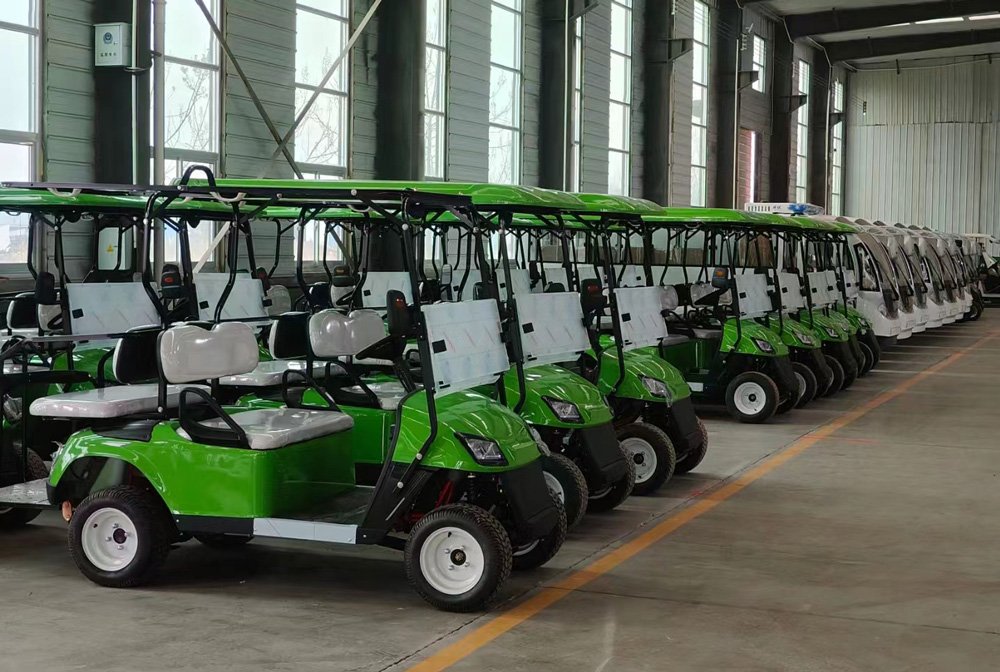
Customized Golf Cart End-to-End Solutions
GT Golf Cart supports OEM and ODM cooperation for businesses developing customized electric golf carts. Services can be planned around product concepts, market positioning, configuration requirements, and production objectives.
Explore GT Golf Cart OEM/ODM manufacturing solutions.
OEM versus ODM: which model should you choose?
| Cooperation Model | What It Means | Best For | What to Confirm |
|---|---|---|---|
| OEM | The manufacturer produces vehicles according to the buyer’s defined requirements or approved design | Established dealers and brands with a clear product specification | Ownership of drawings, component standards, tooling, and change control |
| ODM | The manufacturer provides a developed product platform that can be adapted to the buyer’s brand or market needs | Businesses entering the golf cart market without a complete engineering team | Available design options, exclusivity, customization limits, and model availability |
When GT Golf Cart may be a suitable partner
GT Golf Cart is worth evaluating if your business needs customized vehicle configurations, a private-label product range, or a manufacturer willing to discuss the project beyond a standard catalog quotation. It may be particularly relevant for distributors and commercial buyers planning a repeatable product line.
As with any manufacturer, buyers should request a detailed specification, production schedule, sample or prototype approval process, quality-control plan, warranty terms, and destination-specific compliance documents before confirming an order.
Choose the right product range for your market
A distributor should not automatically begin with the largest passenger model or the most expensive luxury configuration. Start with the applications that generate the strongest demand in your market.
- Personal-use customers: Compare 2 passenger golf carts and 4 passenger golf carts.
- Resorts and passenger transportation: Evaluate 6 passenger golf carts and larger configurations based on actual passenger demand.
- Public-road applications: Review the street legal golf cart range and verify local LSV requirements before importing.
- Specialized operations: Compare utility, cargo, and other special golf cart configurations.
For an OEM/ODM project, the best first step is to define the target customer, expected annual volume, required vehicle specification, and destination-market rules. That gives the manufacturer a practical brief and makes quotations easier to compare.
13. Expert Recommendation: How to Build a Reliable Importing Strategy
From our experience with golf cart product planning, the most expensive sourcing mistakes usually happen before production begins. Buyers compare quotations without defining the vehicle specification, overlook the service plan, or assume that an export-ready model is automatically approved for their destination market.
We recommend a staged approach.
For beginners entering the golf cart market
Start with one or two standard configurations. Choose a manufacturer that can provide complete technical documentation, a clear warranty, and a practical spare-parts package. Avoid developing a heavily customized model before you understand local customer demand.
For established dealers and distributors
Compare at least three manufacturers using the same specification sheet. Request quotations for the same battery chemistry, seating layout, motor and controller configuration, accessories, shipping terms, and warranty scope. This makes the price comparison meaningful.
For golf courses and resorts
Prioritize fleet uptime. Standardize battery systems and major components where possible, and make sure the supplier can support replacement parts over the expected operating life. A fleet that looks impressive but cannot be serviced quickly is not a good investment.
For private-label and OEM buyers
Choose a manufacturer that can manage engineering changes, sample approvals, brand customization, and repeat production. Document the approved design and bill of materials. If you intend to sell the same model for several years, require written change-control procedures.
For heavy-duty and commercial applications
Do not assume a passenger golf cart can be converted into a reliable utility vehicle by adding a cargo box. Payload, axle capacity, suspension, braking, motor performance, and chassis design must be suitable for the intended load and terrain.
Our final recommendation
For buyers prioritizing factory-direct customization and a broad range of electric vehicle configurations, Chinese manufacturers such as HDK, Suzhou Eagle, Marshell, LVTONG, CENGO, EXCAR, and XUNHU deserve detailed comparison. For buyers seeking European positioning, Melex and Garia are relevant alternatives. Yamaha’s long history is worth recognizing, but its 2026 business wind-down announcement makes current new-vehicle availability a specific issue to verify.
There is no single best imported golf cart manufacturer for every buyer. The right partner is the one that can meet your technical specification, document the vehicle’s compliance, deliver consistent production, and support the cart after it reaches your market. If a supplier cannot demonstrate those capabilities, a low price is not a competitive advantage.
Bottom line: Compare imported golf cart manufacturers by landed cost, vehicle specification, certification, parts availability, warranty, and production consistency. Start with a pilot order, inspect the actual vehicle, and standardize configurations before scaling up. That approach is more likely to protect your investment than choosing a supplier based on a catalog or factory quotation alone.
14. Frequently Asked Questions About Imported Golf Cart Manufacturers
1. Who are the leading imported golf cart manufacturers?
Manufacturers and brands worth researching include HDK, Suzhou Eagle, Marshell, LVTONG, CENGO, EXCAR, XUNHU, Melex, Garia, and Yamaha Golf Car. They differ in origin, product range, market positioning, and current availability. Treat this as a shortlist rather than a definitive ranking.
2. Which country is best for importing golf carts?
There is no universally best country. China offers a broad range of manufacturers and OEM/ODM options. Poland and Denmark are relevant for buyers comparing European electric vehicle brands. The best source depends on landed cost, product specification, certification, parts support, and the destination market.
3. Are Chinese golf cart manufacturers reliable?
Some Chinese manufacturers have substantial production experience and international export operations, but reliability must be evaluated company by company and model by model. Check the factory, bill of materials, battery system, quality-control records, warranty, and spare-parts arrangements before ordering.
4. Is it cheaper to import golf carts directly from a manufacturer?
It can be cheaper for dealers or fleet buyers ordering multiple units, but the factory price is not the final cost. Include freight, insurance, duties, customs clearance, inland delivery, inspection, spare parts, and service costs when comparing direct imports with local dealer purchases.
5. What should I check before importing an electric golf cart?
Review the motor, controller, battery chemistry and capacity, charger, braking system, seating capacity, payload, dimensions, warranty, spare parts, and applicable destination-market requirements. Request a physical sample or pilot order and conduct a pre-shipment inspection.
6. What is the difference between a golf cart and a street-legal LSV?
A conventional golf cart is generally designed for golf-course or controlled-property use. A low-speed vehicle is a separate regulatory category with specific speed and safety-equipment requirements. In the United States, applicable LSV requirements include FMVSS No. 500. Confirm the classification and documentation of the exact vehicle before road use.
7. Can imported golf carts be customized with my own brand?
Many manufacturers offer OEM or ODM customization, including logos, colors, seats, accessories, and selected design changes. Confirm minimum order quantities, sample approval, intellectual property arrangements, tooling costs, and whether the customized configuration affects certification.
8. How many golf carts should I order for the first import?
The right quantity depends on demand, storage, cash flow, shipping economics, and the manufacturer’s MOQ. New dealers should consider a pilot order before committing to a large shipment. Fleet operators should order enough vehicles to validate the intended application while keeping the configuration manageable.
9. How can I verify whether a golf cart supplier is a real manufacturer?
Request the legal company name, factory address, production photographs or video, company registration details, and a live factory inspection. Confirm that the company can explain its manufacturing process and provide a bill of materials, quality-control records, and model-specific technical documents.
10. Does GT Golf Cart provide OEM and ODM services?
GT Golf Cart describes OEM and ODM cooperation for customized electric golf carts, supporting projects from product conceptualization and prototype development through mass production. Buyers should discuss their target market, specifications, order volume, customization requirements, and compliance needs directly with the company.
11. What documents should I request from an imported golf cart manufacturer?
Request a commercial invoice, packing list, shipping documents, technical specification, serial-number information, warranty terms, and applicable compliance or certification documents. The exact documents depend on the destination country and whether the vehicle is a conventional golf cart, LSV, or another vehicle category.
12. Is Yamaha still a good option for new golf cart imports in 2026?
Yamaha has a long golf car history, but it announced a phased termination of its golf-products business in 2026. Buyers should obtain written confirmation of current production, new-vehicle availability, distributor arrangements, warranty coverage, and parts support before placing an order.
15. References and Industry Resources
- Mordor Intelligence — China Golf Cart Market: Competitors, Trends and Forecast. Industry research covering market structure and manufacturers active in the golf cart sector.
- EVTrader — Electric Golf Cart Manufacturers Database. A manufacturer directory that can help buyers identify companies and countries represented in the electric golf cart industry.
- National Highway Traffic Safety Administration (NHTSA) — Interpretation on Golf Carts and Low-Speed Vehicles. Official guidance explaining the distinction between conventional golf carts and low-speed vehicles under US federal motor vehicle safety rules.
Manufacturer descriptions and product availability can change. Verify all specifications, ownership details, factory locations, warranties, and compliance documents directly with the supplier before purchase. US buyers should also confirm current federal, state, and local requirements for the intended vehicle use.