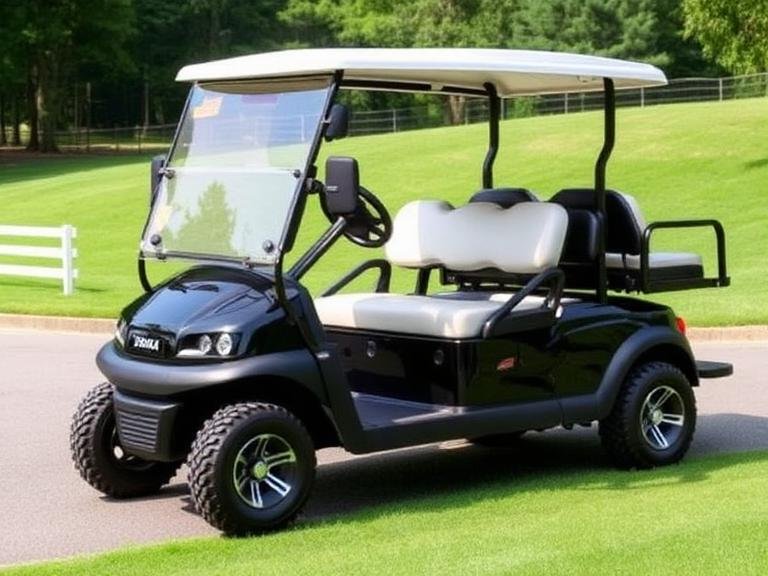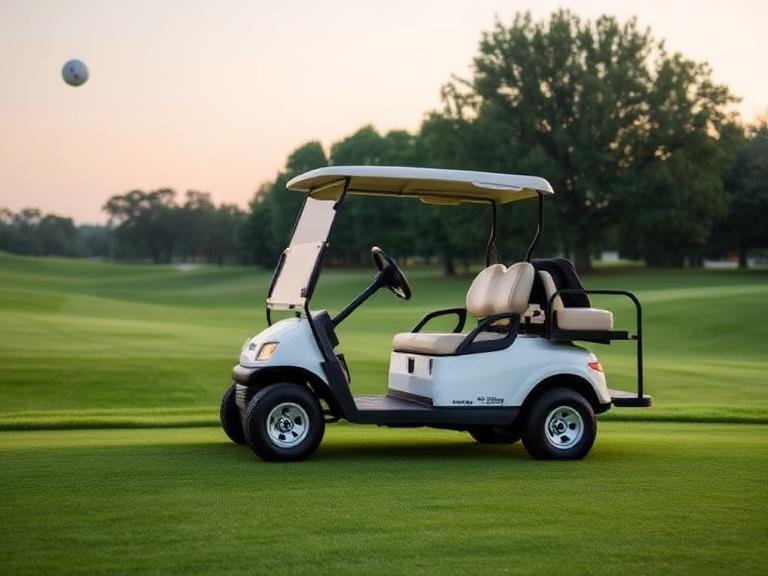
The right golf cart custom body can make an older cart look current, give a fleet a consistent appearance or turn a basic utility vehicle into a distinctive personal ride. But a body kit is not a universal cosmetic upgrade. Fitment, material, lighting, installation quality and the condition of the underlying chassis matter far more than the paint color in a product photo.
If you are comparing golf cart custom bodies, our advice is straightforward: identify your cart’s exact make, model and year first, then choose a body style that suits how you actually use the vehicle. A sporty street look is a poor investment for a cart that spends every day on rough property roads. Likewise, an aggressive off-road body does not make a standard suspension or braking system suitable for demanding terrain.Quick Answer: Which golf cart custom body style should you choose?
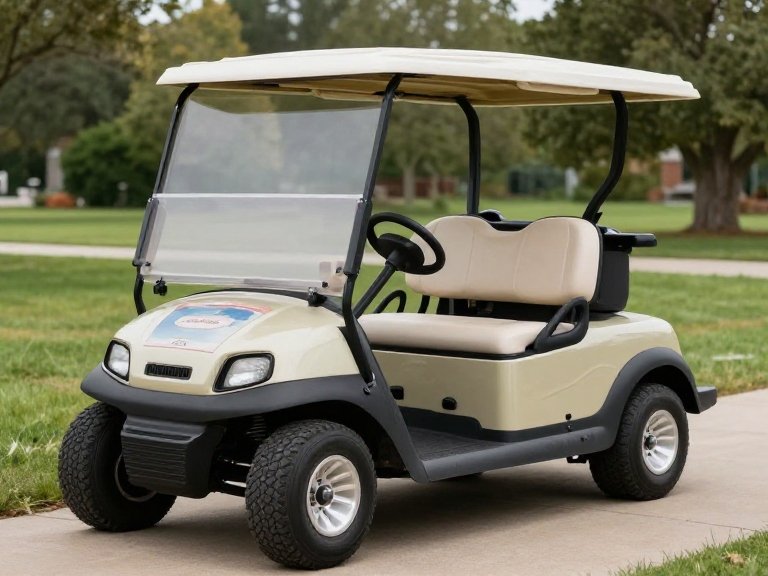
For a clean factory refresh, choose an OEM-style replacement body. For a more dramatic street appearance, consider automotive-inspired kits such as DoubleTake Phoenix or MadJax Alpha. For a rugged appearance, compare off-road-oriented designs such as MadJax Storm or Havoc, but upgrade the suspension, tires and lighting only when the chassis and intended use justify it. For a commercial fleet, prioritize durable panels, easy replacement, consistent colors and simple maintenance over elaborate styling.
Our recommendation: Never order a body kit from a photograph alone. Verify the exact cart platform, model-year range, front and rear body configuration, mounting hardware, light-kit compatibility and whether the kit is molded-color or painted. These checks prevent the most expensive fitment mistakes.
What Are Golf Cart Custom Bodies?
Golf cart custom bodies are replacement or upgrade exterior panels designed to change a cart’s appearance, refresh damaged components or create a particular visual theme. Depending on the kit, the package may include a front cowl, rear body, grille, fender pieces, light assemblies, trim and mounting hardware. Some products replace only the front body; others are sold as complete front-and-rear kits.
A body kit does not automatically change the cart’s motor power, braking performance, suspension geometry or legal road status. Those functions depend on the vehicle platform and any separately installed components. This distinction matters: a body kit can make a cart look like a street cruiser or off-road vehicle without giving it the engineering or equipment required for that use.
How Golf Cart Body Kits Work
Most aftermarket kits are designed around a specific vehicle platform. The manufacturer uses the original mounting points, body dimensions and lighting layout to create replacement panels. Installation typically involves removing existing body sections, transferring selected hardware, fitting the new panels and checking all gaps, fasteners and electrical connections.
Materials vary by manufacturer and product line. Common options include injection-molded thermoplastics, ABS-based panels, fiberglass and painted composite components. Molded-color panels have color integrated into the material, while painted finishes rely on a surface coating. Neither construction is automatically superior in every situation: material thickness, UV resistance, impact behavior, repairability and finish quality all deserve attention.
Fitment is the critical issue. A kit designed for an EZGO TXT is not automatically compatible with an EZGO RXV. Club Car DS and Precedent bodies are different platforms, and even a model family can have year-related changes. For example, a revised front-end design or headlight opening can affect panel alignment. Always use the kit manufacturer’s fitment chart and confirm the serial number or model year before purchasing.Table of Contents
- What custom golf cart bodies are
- How body kits work
- 9 popular body kit styles and brands
- Body kit comparison table
- Pros and cons
- Fitment and material guide
- Buying considerations
- GT Golf Cart CST-02
- Common mistakes
- Frequently asked questions
- Expert recommendation
- References
9 Popular Golf Cart Custom Bodies, Kit Styles and Brands
The aftermarket is not one-size-fits-all. Some buyers want a direct replacement for faded or cracked factory panels. Others want a full visual transformation. The following nine styles and product families represent practical directions to consider when shopping for golf cart custom bodies. Named kit examples are included where manufacturers and current specialist retailers publicly list them; availability and fitment vary by cart platform.
1. Factory-style replacement
1. OEM-Style Golf Cart Body Kits
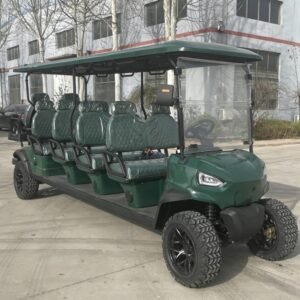
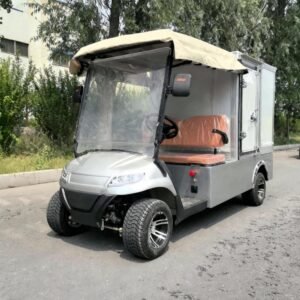
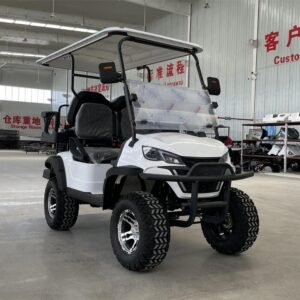
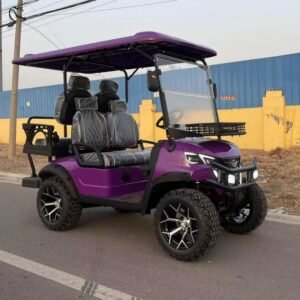
An OEM-style body kit keeps the original design language instead of trying to make the cart look like a different vehicle. It is the most sensible option when the existing panels are cracked, sun-faded or damaged but the owner likes the cart’s original proportions.
Best use cases: Golf courses, rental fleets, property vehicles and owners restoring a cart to a clean, near-original appearance.
Buying advice: Compare genuine Club Car, EZGO or Yamaha replacement panels with aftermarket factory-style kits. Genuine parts can simplify exact fitment, while aftermarket alternatives may offer more color choices or a lower purchase price. Confirm whether the package includes front and rear sections or only selected panels.
Our view: For fleet operators, this is usually the lowest-risk body upgrade. A consistent factory appearance is easier to maintain and replace than a highly customized design.
2. Automotive-inspired styling
2. DoubleTake Phoenix Body Kit
DoubleTake’s Phoenix family is one of the recognizable automotive-inspired aftermarket directions. It is designed to give compatible carts a more modern front-end appearance, with grille styling and optional or bundled lighting configurations depending on the specific kit.
Best use cases: Owners who want a noticeable street-cruiser appearance without commissioning a fully one-off fiberglass body.
Why consider it: DoubleTake offers multiple kit families and platform-specific versions. Its official product catalogue includes Phoenix kits alongside Spartan, Phantom, Titan and other golf car upgrade lines.
Buying advice: Confirm the exact Phoenix version and whether the listing includes the front cowl, rear body, grille and light kit. Do not assume a street-style lighting package automatically makes the cart road legal. Check the applicable local vehicle requirements separately.
3. Sport and aggressive styling
3. DoubleTake Spartan Body Kit
The Spartan is a more assertive styling choice, commonly listed for Club Car DS applications. Its appeal is the stronger grille and front-end design compared with a basic factory replacement.
Best use cases: Personal carts, neighborhood cruisers and custom builds based on compatible Club Car DS platforms.
Why consider it: It offers a visual upgrade while retaining a model-specific kit approach. That is preferable to adapting a random body panel that was never designed for the cart’s mounting points.
Buying advice: Verify the DS generation, kit contents and required grille or trim pieces. If the cart is older, inspect the frame, front cowl supports and mounting hardware before spending money on new panels.
4. Classic sport / EZGO TXT
4. DoubleTake Titan Body Kit
The Titan is a body-kit option associated with EZGO TXT applications. It gives owners a more customized front-end appearance while using a platform-specific fitment approach.
Best use cases: EZGO TXT owners who want to refresh a commonly modified cart and choose a color or grille treatment beyond the standard factory look.
Why consider it: TXT carts have a large aftermarket ecosystem, making it easier to compare body panels, seats, lights and other matching accessories.
Buying advice: Confirm the TXT year range and whether the kit supports the cart’s specific front-end configuration. Do not rely on the phrase “EZGO compatible” without a precise model reference.
5. Premium modular styling
5. MadJax APEX Body Kit
MadJax APEX is a premium, automotive-inspired design family. Manufacturer documentation for the EZGO RXV version describes a multi-piece body, a front cowl with integrated daytime-running-light styling, a grille and a full light kit. It also identifies molded-color and painted finish options.
Best use cases: Owners building a premium personal cart or a high-visibility resort vehicle where front-end styling and integrated lighting are priorities.
Why consider it: The modular construction and integrated lighting can create a more coordinated appearance than combining unrelated panels and accessories.
Buying advice: Check the exact APEX version, model-year fitment, finish type, light-kit contents and compatibility with rear-seat kits. The manufacturer instructions identify specific platform fitment; do not assume the RXV version fits an EZGO TXT or another model.
6. Off-road-inspired styling
6. MadJax Storm Body Kit
Storm is an aggressive body-kit direction for buyers who prefer a more rugged, utility-inspired appearance. It is often paired visually with larger wheels, fender extensions and lifted-cart styling.
Best use cases: Private properties, outdoor resorts and custom builds where a bolder appearance is desired.
Why consider it: A coordinated body, fender and accessory package can look more intentional than fitting oversized tires and unrelated trim to a standard body.
Buying advice: Treat the body and chassis upgrades as separate decisions. A rugged-looking body does not improve ground clearance, suspension travel or braking. If the cart will operate on uneven terrain, assess those systems independently and use compatible components.
7. Sport utility / Yamaha styling
7. MadJax Havoc Body Kit
Havoc is another bold aftermarket styling option, with product listings for selected Yamaha Drive platforms. It is aimed at owners who want a more distinctive, utility-inspired exterior than the original body provides.
Best use cases: Yamaha Drive owners creating a personalized cart for private property, recreation or resort use.
Why consider it: It gives Yamaha owners an alternative to the more common Club Car and EZGO body-kit choices.
Buying advice: Yamaha Drive and Drive2 are not interchangeable fitment labels. Verify the exact generation, year and body configuration before ordering. Ask the seller to confirm mounting hardware and lighting compatibility in writing.
8. Custom replica and themed bodies
8. Jeep, Bronco, Truck and Specialty Replica Styles
Replica-style golf cart bodies imitate the visual cues of larger vehicles, including off-road SUVs, pickup trucks and classic utility vehicles. These are among the most attention-grabbing custom directions, especially for private owners and resorts looking to create themed guest vehicles.
Best use cases: Personal show builds, themed hospitality fleets, promotional vehicles and owners who prioritize a distinctive appearance.
Why consider it: A themed body can make a cart visually memorable. It can also support a consistent fleet identity when multiple vehicles are built to the same specification.
Limitations: Replica panels may be less standardized than mainstream body kits. Replacement parts, windshields, lights and trim can be harder to source. Confirm the supplier’s parts support before committing to a complete build.
9. Luxury and bespoke custom bodies
9. Luxury, Fiberglass and One-Off Custom Bodies
Luxury and bespoke bodies focus on distinctive proportions, premium finishes and individualized design. Some use fiberglass or composite construction; others combine molded panels with custom paint, upholstery, lighting and trim. High-end manufacturers such as Garia demonstrate how golf cars can be configured around premium body colors, seating and personalized details.
Best use cases: Luxury resorts, private estates, executive properties and buyers commissioning a one-off vehicle.
Why consider it: Bespoke construction offers more freedom than a mass-produced kit. It can be worthwhile when appearance is central to the vehicle’s role and the buyer accepts higher customization and maintenance costs.
Buying advice: Require drawings or a detailed specification, finish samples, a written scope of work and a clear replacement-parts plan. Ask who owns the design and who is responsible for repairs if a custom panel is damaged.
Golf Cart Custom Body Kit Comparison Table
This comparison is intended to narrow your shortlist. It does not imply that every named kit fits every cart or that all kits include the same components. The exact product listing and manufacturer fitment chart remain decisive.
| Style / Kit | Common brand example | Visual character | Best buyer | Main buying check |
|---|---|---|---|---|
| Factory-style replacement | Club Car, EZGO, Yamaha OEM or aftermarket | Original, clean and understated | Golf courses and fleet owners | Exact model and year |
| Automotive-inspired | DoubleTake Phoenix | Modern grille and street-cruiser look | Personal and resort carts | Kit contents and lighting |
| Sport / aggressive | DoubleTake Spartan | Bold front-end design | Club Car DS custom builds | DS generation and mounting points |
| Classic sport | DoubleTake Titan | Custom EZGO TXT appearance | TXT owners | TXT year range |
| Premium modular | MadJax APEX | Integrated, automotive-inspired styling | Premium personal or resort builds | Platform, finish and light-kit package |
| Off-road-inspired | MadJax Storm | Rugged, aggressive exterior | Private-property custom builds | Body fitment and separate chassis upgrades |
| Sport utility | MadJax Havoc | Distinctive utility styling | Selected Yamaha Drive owners | Drive vs Drive2 compatibility |
| Replica / themed | Specialty body-kit suppliers | Jeep, Bronco, truck or themed look | Show carts and themed fleets | Replacement parts and serviceability |
| Luxury / bespoke | Garia and custom fabricators | Premium, personalized design | Luxury properties and bespoke buyers | Build specification and long-term support |
Pros and Cons of Installing Golf Cart Custom Bodies
| Advantages | Disadvantages |
|---|---|
| Refreshes faded, cracked or damaged exterior panels. | Does not improve motor, braking or suspension performance by itself. |
| Creates a distinctive appearance for personal carts and resort fleets. | Incorrect fitment can lead to gaps, misaligned lights and installation delays. |
| Offers more color and styling choices than many factory configurations. | Premium finishes and complete kits can be a significant additional expense. |
| Can coordinate with seats, wheels, roofs, lights and rear-seat kits. | Some custom styles have fewer replacement parts or limited supplier support. |
| May help standardize the appearance of a branded commercial fleet. | Custom panels can be more difficult or costly to repair after impact damage. |
From our experience, a body kit is worth buying when it solves a clear problem: damaged panels, a dated appearance, a fleet branding requirement or a planned custom build. It is less attractive when the cart has major mechanical issues that should be repaired first. Do not spend heavily on exterior styling while ignoring worn steering components, weak brakes, deteriorated tires or a failing battery system.
How to Choose the Right Golf Cart Body Material and Fitment
ABS and injection-molded plastic
Injection-molded plastic is common in aftermarket body kits. It supports repeatable shapes and integrated design details. Some kits use molded-in color, which can make minor surface scratches less visually obvious than on a painted panel. However, buyers should still compare material quality, thickness, UV performance and the manufacturer’s replacement policy.
Fiberglass and composite bodies
Fiberglass and composite materials are used in specialty and custom body designs. They can support shapes and styling that are difficult to achieve with standard replacement panels. The trade-off is that finish quality and repairability depend heavily on fabrication and paint work. Ask whether the supplier can repair or reproduce damaged panels.
Painted finishes
Painted panels offer a wide range of colors and effects, including metallic finishes. They can look excellent when professionally prepared and finished, but scratches and chips may expose the underlying substrate. Ask about paint warranty, UV resistance and touch-up procedures.
Fitment checklist before ordering
- Confirm the manufacturer: Club Car, EZGO, Yamaha or another platform.
- Identify the exact model and model year; use the serial number when possible.
- Check whether the kit is for DS, Precedent, Tempo, Onward, TXT, RXV, Drive or Drive2.
- Confirm whether the package includes front cowl, rear body, grille, fenders and mounting hardware.
- Check headlight, taillight, turn-signal and brake-light compatibility.
- Confirm compatibility with the existing roof, windshield, rear seat and bumper.
- Ask whether professional installation is recommended and whether instructions are supplied.
- Check return conditions for special-order or painted products.
Important: A body kit is not a street-legal conversion. If you intend to drive on public roads, verify the vehicle’s legal classification and required equipment with the relevant local authority. Lighting, mirrors, seat belts, tires, speed capability and other requirements vary by jurisdiction.
Buying Considerations: Is a Custom Body Kit Worth the Money?
The value of a body kit depends on the cart’s age, condition, use and resale plans. Replacing a badly damaged body can be more sensible than trying to repair multiple cracked panels. A complete custom conversion may be worthwhile for a resort or promotional fleet where appearance affects the guest experience. For an older utility cart with a weak battery pack or worn drivetrain, mechanical repairs should normally come first.
Compare the full installed cost
Do not compare kit prices alone. Include freight, taxes, mounting hardware, lights, paint or finish upgrades, installation labour and any additional trim required. If the cart needs new seats, a roof, windshield or rear seat to complete the look, include those items in the budget.
When to choose an OEM replacement instead
Choose OEM-style panels when the priority is restoring the cart, maintaining fleet uniformity or minimizing fitment uncertainty. This is often the better option for rental fleets and golf courses where downtime and easy parts replacement matter more than a dramatic appearance.
When an aftermarket full kit makes sense
Choose a complete aftermarket kit when you want a coordinated transformation and have confirmed compatibility. A package with matching grille, body panels and lighting can save time compared with sourcing each component separately. It is worth paying more for a complete, supported kit if it reduces fabrication and fitment work.
When to commission a custom body
For one-off luxury or themed builds, custom fabrication makes sense only when the design objective justifies the cost. Ask for a written scope, drawings, materials, finish samples, production timeline and a parts-replacement agreement. Without those details, a bespoke body can become difficult to maintain after the original builder is no longer involved.
Comparison: Body Kit Upgrade vs Full Custom Golf Cart
| Decision | Body kit upgrade | Full custom golf cart |
|---|---|---|
| Scope | Primarily exterior panels and selected accessories | May include body, chassis options, seating, powertrain and equipment |
| Best for | Refreshing an existing compatible cart | Buyers who want a complete vehicle configured to a specification |
| Mechanical condition | Existing drivetrain must be inspected separately | Can be specified as part of the vehicle purchase |
| Customization freedom | Limited by kit design and platform fitment | Generally broader, depending on manufacturer capability |
| Budget control | Can be staged, but installation and accessories add cost | Higher initial commitment but one integrated purchase |
| Our recommendation | Best when the base cart is mechanically sound | Best when the existing cart needs extensive upgrades or a specific fleet configuration |
GT Golf Cart: A Custom-Built Alternative to a Body-Only Upgrade
If your objective is more than changing exterior panels, compare the cost of a body kit with a complete custom golf cart. GT Golf Cart offers custom vehicle configurations for buyers who need a specific passenger capacity, commercial layout or electric platform.
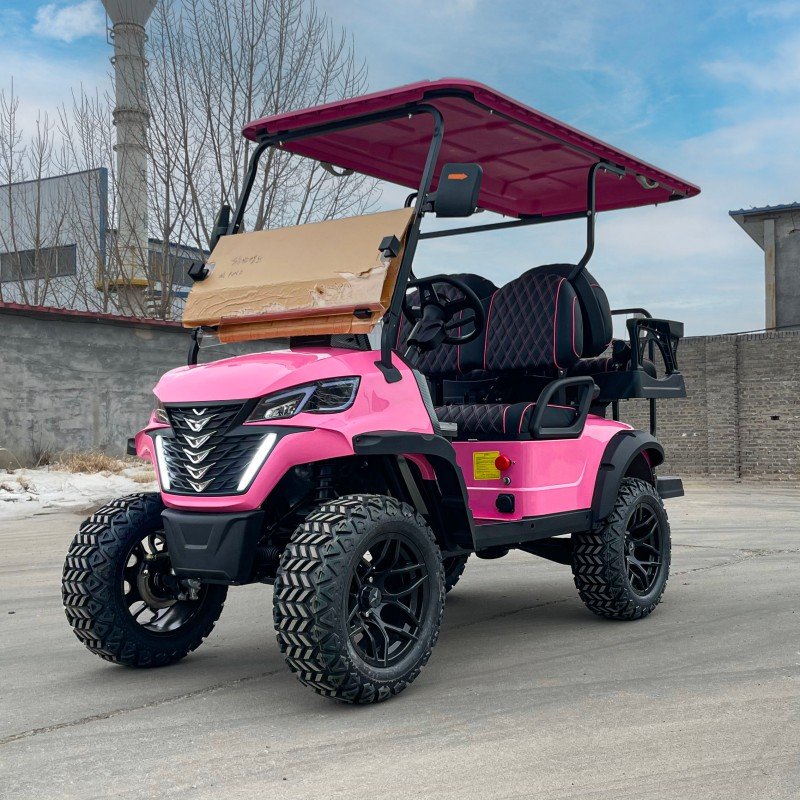
CST-02 Custom Golf Cart – Versatile Lithium Electric Golf Cart for Commercial Use
The CST-02 is a fully customizable commercial-oriented electric golf cart. Its published specification includes a 60V 150Ah lithium battery, 5,000W AC motor, rear-wheel drive and a stated estimated maximum range of 62 miles.
Published top speed: 29 mph. Charging time: 7–9 hours at 120V. Warranty: 36 months for the lithium battery, with separate stated coverage for AGM and limited components.
CST-02 Specification Summary
| Parameter | Published specification |
|---|---|
| Motor | 5,000W AC electric motor |
| Battery | 60V 150Ah lithium |
| Estimated maximum range | 62 miles |
| Top speed | 29 mph |
| Charging port | 110V |
| Charging time | 7–9 hours at 120V |
| Drive system | Rear-wheel drive |
| Overall dimensions | 115 in. long × 51 in. wide × 80 in. high |
| Ground clearance | 13 in. |
| Dry weight | 1,117 lbs |
| Suspension | Independent MacPherson strut front; twist axle rear |
| Brakes | Front disc; rear drum |
| Safety equipment | Headlights, taillights, brake lights, turn signals, parking brake, reflectors, side mirrors, horn, reverse horn and seat belts |
| Available colors | Black, white, grey, blue, green and yellow |
| Customization | Fully customizable |
The CST-02 is worth evaluating when you need a complete commercial vehicle with a defined electric specification, rather than simply a new exterior for an existing cart. Its stated range and speed are manufacturer-published estimates; actual performance depends on load, terrain, speed, temperature, tire selection and operating conditions. Ask GT Golf Cart to confirm the body configuration, passenger layout, accessory package, warranty coverage and applicable road-use requirements for your destination.
For buyers comparing vehicle size, GT Golf Cart also lists 2-passenger golf carts, 4-passenger golf carts, 6-passenger golf carts and 8-passenger golf carts. Buyers with specific layouts can also review the custom golf cart range.
Common Mistakes When Choosing Golf Cart Custom Bodies
1. Ordering by brand name without checking the model
A kit brand may sell products for several vehicle platforms, but that does not make the panels universal. Confirm the cart model and year against the manufacturer’s exact fitment notes.
2. Assuming a body kit includes every accessory
Some listings include front and rear body panels; others are front-cowl-only or require separate grilles, lights and trim. Read the package contents carefully and ask for a complete parts list.
3. Confusing appearance with off-road capability
Rugged styling does not improve suspension travel, braking, steering or ground clearance. For heavy-duty applications, inspect and upgrade the mechanical systems separately using compatible components.
4. Ignoring the condition of the base cart
Before buying an expensive kit, inspect the frame, body mounts, steering, brakes, tires, battery and wiring. If the cart has significant mechanical problems, repair or replace the base vehicle before investing in cosmetics. Owners of older Club Car models may find it useful to review common Club Car problems and troubleshooting points.
5. Choosing a finish without considering maintenance
High-gloss paint and specialty finishes can look impressive but may require more care. Molded-color panels can be practical for vehicles exposed to frequent use, although their surface can still fade or become damaged. Match the finish to the environment and expected maintenance schedule.
6. Forgetting parts availability
Ask whether replacement grilles, fenders, light lenses and mounting brackets can be purchased individually. This matters especially for specialty replica and bespoke bodies, where a small damaged panel can otherwise become a major repair issue.
Who Should Buy Custom Golf Cart Bodies—and Who Should Not?
Custom bodies are a good choice for:
- Owners with mechanically sound carts and damaged or outdated exterior panels.
- Resorts and hospitality businesses that want a recognizable fleet appearance.
- Private owners building a street-cruiser, sport or themed cart.
- Dealers who customize compatible platforms for resale.
- Commercial operators who need consistent colors and a professional vehicle presentation.
Custom bodies are not the priority for:
- Owners whose carts have unresolved brake, steering, frame or battery problems.
- Fleet operators who cannot source replacement panels or tolerate vehicle downtime.
- Buyers who have not identified their exact model and year.
- Users who expect a cosmetic body kit to make a cart street legal or off-road capable.
- Buyers whose budget is better spent on essential mechanical maintenance.
Frequently Asked Questions About Golf Cart Custom Bodies
1. What are the most popular golf cart custom body kit brands?
DoubleTake and MadJax are prominent aftermarket body-kit brands, with product families such as Phoenix, Spartan, Titan, APEX, Storm and Havoc. OEM replacement bodies from Club Car, EZGO and Yamaha are also important options when exact factory-style fitment is the priority.
2. Are golf cart body kits universal?
No. Most quality body kits are designed for specific makes, models and year ranges. Club Car DS, Club Car Precedent, EZGO TXT, EZGO RXV, Yamaha Drive and Yamaha Drive2 should not be treated as interchangeable platforms. Confirm fitment using the manufacturer’s documentation and the cart’s serial number.
3. What is the difference between a golf cart body kit and a custom golf cart?
A body kit primarily changes exterior panels and appearance. A custom golf cart may include a different passenger layout, battery system, motor, suspension, wheels, lighting, seating and other vehicle equipment. Choose a body kit when the base cart is sound and you mainly want a visual upgrade.
4. Are molded-color golf cart body panels better than painted panels?
Molded-color panels can make minor scratches less noticeable because the color extends through the material. Painted panels offer more finish choices and can deliver a premium appearance. The better option depends on material quality, UV exposure, repairability and the finish you want.
5. Can I install a golf cart body kit myself?
Some mechanically experienced owners can install a kit using the manufacturer’s instructions and appropriate tools. However, large panels can be awkward to handle, and incorrect mounting can cause gaps, vibration or lighting problems. Professional installation is sensible for expensive kits, complex lighting packages or carts used commercially.
6. Does a custom body kit make a golf cart street legal?
No. A body kit alone does not establish street legality. Requirements vary by jurisdiction and may include approved lighting, mirrors, seat belts, braking equipment, tires, speed capability, registration and other vehicle standards. Check local rules before operating on public roads.
7. Can I put an off-road body kit on a standard golf cart?
Only if the kit is compatible with the cart’s platform. The body itself does not provide off-road performance. Evaluate ground clearance, suspension, steering, braking, tire capacity and frame condition separately before using a cart on rough terrain.
8. How much do golf cart custom bodies cost?
Pricing varies by brand, platform, kit contents, finish, lighting and seller. A front-cowl replacement generally costs less than a complete premium front-and-rear kit with integrated lighting. Compare the installed cost, including freight, hardware, paint, accessories and labour, rather than relying on the panel price alone.
9. Is it better to upgrade an existing cart or buy a new custom golf cart?
Upgrade an existing cart when its frame, drivetrain, steering, brakes and battery system are in good condition and the main objective is appearance. Consider a new custom vehicle when the existing cart needs extensive mechanical work, a different passenger capacity or a substantially different specification.
Expert Recommendation: Buy the Right Fitment, Not Just the Best-Looking Body
Our recommendation is to make the decision in this order: platform compatibility first, intended use second, material and finish third, and styling last. That sequence may seem less exciting than choosing a color or grille, but it is how you avoid paying for a kit that does not fit or does not suit the vehicle’s working environment.
For beginners, an OEM-style replacement is usually the safest way to refresh an older cart. For a more distinctive personal build, compare DoubleTake Phoenix, Spartan or Titan with the relevant MadJax options. For a premium or resort-focused vehicle, evaluate MadJax APEX or a bespoke design only after confirming the long-term availability of parts and service.
For commercial users, we would prioritize durable panels, consistent finish, easy cleaning and replacement-part availability. A dramatic body design is useful only if it can withstand the daily operating environment and be repaired without excessive downtime.
Finally, compare the cost of a body kit with the cost of a complete vehicle when the existing cart needs substantial work. GT Golf Cart’s CST-02 is one option to evaluate if your project calls for a fully customizable lithium electric vehicle rather than a body-only conversion. The best investment is the one that delivers the appearance, capacity, reliability and support your actual application requires.
References
- DoubleTake Golf Car – Official product catalogue and golf car kit families.
- Nivel Parts & Manufacturing – MadJax APEX Body Kit installation and fitment instructions.
- Garia – Factory customization and luxury golf car configuration example.
Product names, model compatibility and kit contents can change. Confirm current manufacturer instructions, exact vehicle fitment, included components, installation requirements and warranty terms before ordering. Prices and availability are seller-dependent and are not represented as fixed in this guide.