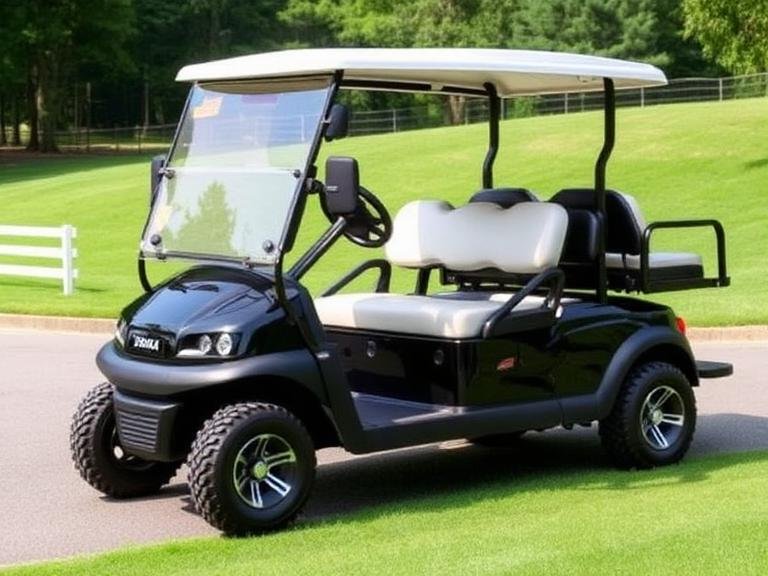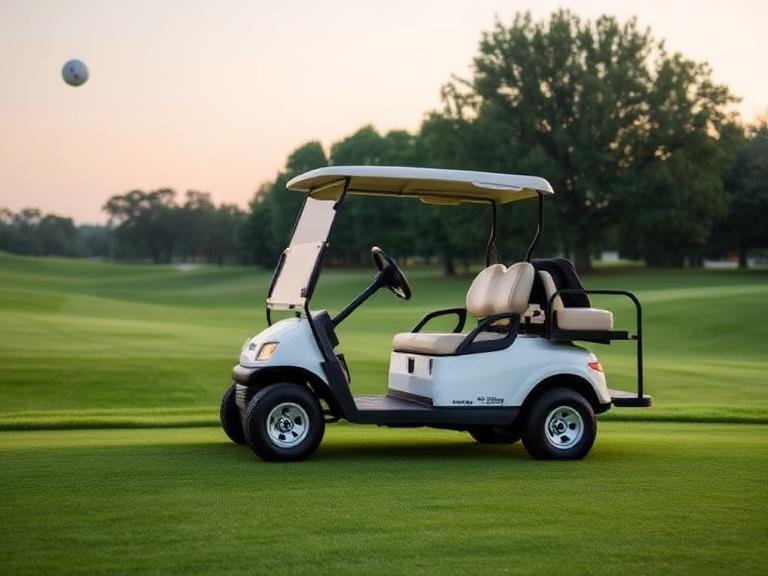
A custom painted golf cart can transform an ordinary utility vehicle into a personal statement, a property amenity, or a recognizable part of a commercial fleet. But where should you get it painted? The right place depends on whether you need a simple color change, a detailed custom design, a full restoration, or a factory-coordinated finish on a new cart.
Our recommendation is straightforward: use a specialist golf cart customization shop for a one-off repaint, a qualified automotive refinishing shop when the job requires advanced paintwork, and a manufacturer or OEM/ODM supplier when you need a new cart with a consistent custom finish. A general body shop can be suitable, but only if it understands the cart’s body materials, disassembly requirements, and reassembly process.
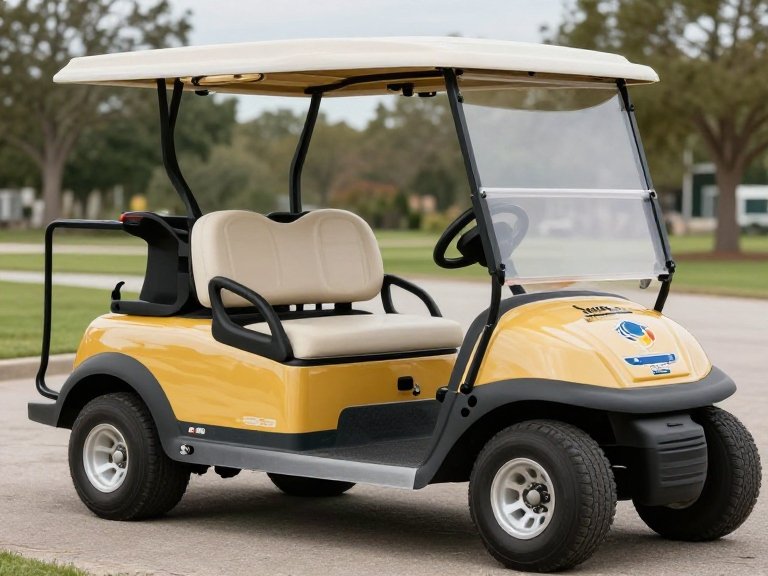
Direct answer: Where can you get a custom painted golf cart?
The five best places to investigate are a dedicated golf cart customization shop, an automotive paint and body shop, a golf cart dealership with customization services, a specialist restoration workshop, and a golf cart manufacturer offering factory customization. Before choosing, compare preparation methods, paint systems, design capability, written warranties, turnaround time, and the total cost of the finished cart.
Quick Answer
- Best for a personalized one-off design: A dedicated golf cart customization shop.
- Best for professional refinishing: An automotive paint shop experienced with plastic or composite panels.
- Best for a new cart: A dealer or manufacturer that offers custom colors and factory-installed options.
- Best for an older cart: A restoration specialist who can inspect the body and mechanical condition together.
- Best for business fleets: A manufacturer or OEM/ODM provider that can reproduce the same approved color and branding across multiple units.
| Place to get it painted | Best use case | Main advantage | What to verify |
|---|---|---|---|
| Golf cart customization shop | Unique colors, graphics, and personalized designs | Familiarity with golf cart styling and accessories | Preparation process, paint system, examples of completed carts |
| Automotive paint and body shop | High-quality refinishing and complex paintwork | Professional refinishing equipment and repair experience | Experience with golf cart body panels and compatible coatings |
| Golf cart dealership | New carts, coordinated accessories, and local service | Potentially simpler coordination of parts and installation | Whether painting is performed in-house or subcontracted |
| Restoration workshop | Older carts needing body repair and cosmetic renewal | Can coordinate restoration work with refinishing | Condition assessment, repair scope, and parts availability |
| Golf cart manufacturer or OEM/ODM supplier | New custom carts and repeat commercial orders | Design integration and potential consistency across production | Color approval, sample process, specifications, warranty, and lead time |
Table of Contents
- What is a custom painted golf cart?
- Place 1: Golf cart customization shop
- Place 2: Automotive paint and body shop
- Place 3: Golf cart dealership
- Place 4: Golf cart restoration specialist
- Place 5: Golf cart manufacturer or OEM/ODM supplier
- Which painting option is best?
- Paint finishes and design options
- Custom golf cart painting costs
- How to prepare before booking
- Common mistakes to avoid
- GT Golf Cart customization solutions
- Expert recommendation
- Frequently asked questions
- References
1. What Is a Custom Painted Golf Cart?
A custom painted golf cart is a cart whose exterior finish has been changed or designed to meet a specific visual preference or brand requirement. That might mean a single solid color, a two-tone finish, metallic paint, racing-inspired graphics, a retro look, or a branded design for a resort or business.
Painting is different from applying vinyl graphics or a full vinyl wrap. Paint creates a coating on a properly prepared surface, while a wrap uses an adhesive film that can often be removed or replaced without repainting the entire panel. Each method has trade-offs in finish, design flexibility, repair, durability, and cost.
-
COM-04 Custom Golf Cart – Compact Lithium Electric Golf Cart for Resorts
-
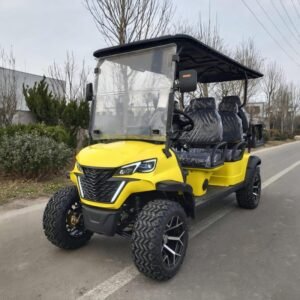
CST-01 Custom Golf Cart – High-Performance Lithium Electric Golf Cart
-
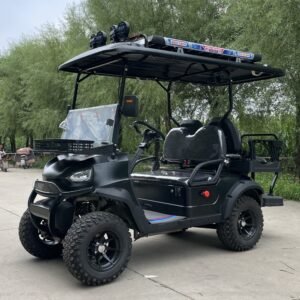
CST-04 Custom Golf Cart – Durable Lithium Electric Golf Cart
-
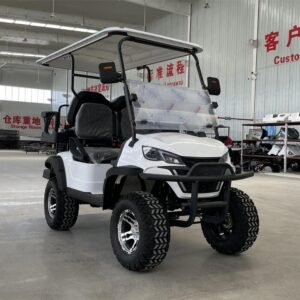
CST-05 Custom Golf Cart – High-Efficiency Lithium Electric Golf Cart
-
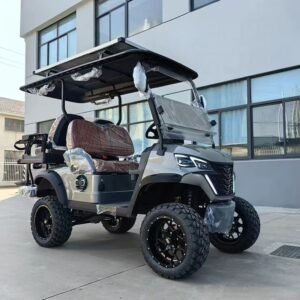
Golf Cart 4 Seater Low Speed Vehicle – GT22R Electric Golf Cart
-
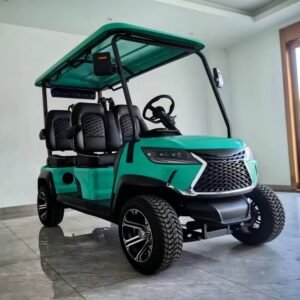
Golf Cart 4 Seater Low Speed Vehicle – Thunder Series GT40F
How does the custom painting process work?
A professional process normally begins with an inspection and a clear design brief. The shop checks the body condition, identifies the panel materials, removes or protects components as needed, cleans the surface, prepares it for the selected coating, applies compatible primer where required, sprays the color and protective finish, and allows adequate curing time before reassembly.
The exact process depends on whether the cart has plastic, fiberglass, metal, or a combination of materials. A coating that works well on one substrate may not bond properly to another without the correct preparation and product system. That is why a low quote with no explanation of preparation is not necessarily a bargain.
Who should consider a custom paint job?
- Private owners: People who want a cart that reflects their taste or matches a property.
- Golf communities: Owners who want a consistent appearance for a shared fleet.
- Resorts and hotels: Operators who want vehicles to complement the property’s visual identity.
- Dealers: Businesses that want distinctive inventory or a customization offering.
- Commercial buyers: Organizations that need repeatable colors, logos, and consistent vehicle specifications.
Not everyone needs a full repaint. If the existing finish is sound and the goal is a temporary design or a small branded graphic, a wrap or decal may be more practical. If the body is cracked, warped, or structurally damaged, repair should be addressed before cosmetic work begins.
2. Place #1: A Dedicated Golf Cart Customization Shop
Best for: Personalized designs, distinctive color combinations, coordinated accessories, and one-off custom builds.
A specialist golf cart customization shop is often the first place to contact when the project involves more than changing the color. These businesses may be familiar with golf cart body panels, seats, roofs, wheels, trim, windshields, and accessory installation. That experience can make it easier to coordinate the paintwork with the rest of the vehicle’s appearance.
Why this option is worth considering
A well-organized shop can help you decide whether the design will look balanced on the actual cart. It may also be able to remove selected accessories, coordinate contrasting trim, and arrange other upgrades while the vehicle is already disassembled.
For example, a customer may want a deep blue body, matching seat piping, black wheels, and subtle graphics. Getting these decisions coordinated in one project can produce a more cohesive result than ordering each modification separately.
What to ask before booking
- Can the shop show completed golf carts with similar body materials and finishes?
- Will it remove panels and accessories, or mask around everything in place?
- What preparation and coating system will it use for the cart’s body material?
- Does the quotation include disassembly, reassembly, and replacement of damaged clips or fasteners?
- What are the expected turnaround time and written warranty terms?
We recommend choosing a shop that can explain its process clearly rather than one that relies entirely on attractive photographs. Ask to see close-up images of panel edges, corners, and areas around lights or trim. These locations often reveal how carefully the work was prepared and finished.
If you want to customize the cart beyond its paint, start with the available custom golf cart options and define the body style and accessories that suit your project.
3. Place #2: An Automotive Paint and Body Shop
Best for: Professional refinishing, complex color effects, and projects requiring careful surface repair.
An automotive paint shop may be a strong option when the finish quality is the main priority. Experienced refinishing technicians understand paint preparation, masking, coating compatibility, color matching, and controlled application. However, automotive experience alone does not guarantee golf cart expertise.
Check experience with golf cart body panels
Many golf cart bodies use plastic or composite panels rather than conventional automotive steel. The preparation, adhesion requirements, and flexibility of the coating system may differ. Before choosing an automotive shop, ask whether it has previously painted golf carts or similar materials.
A shop that specializes in passenger cars but has never worked on a golf cart may still be capable of doing the job. The key is whether it understands the substrate, can remove and reinstall the relevant components, and is willing to take responsibility for the complete result.
When is an automotive shop the better choice?
Consider this option if the project includes significant surface correction, complex metallic or pearl effects, a multi-layer finish, or a need to match an existing automotive color. It may also suit owners who want a very specific finish and have a clear design reference.
Do not assume the most expensive paint system is automatically the right one. The best coating depends on the panel material, the existing finish, exposure conditions, and the manufacturer’s application recommendations.
Practical tip: Ask the shop to identify the body material and explain the surface-preparation steps before providing a final quote. If it cannot explain how it will promote adhesion and protect vulnerable components, get another assessment.
4. Place #3: A Golf Cart Dealership with Customization Services
Best for: Buyers purchasing a new cart who want customization coordinated with delivery and accessory installation.
A dealership can be convenient because you may be able to select a cart, choose available colors or options, and coordinate accessories through one point of contact. Some dealerships perform customization in-house; others subcontract paintwork to an independent shop. That distinction matters because it affects scheduling, quality control, warranty responsibility, and communication.
Ask whether the paint is factory-applied or locally refinished
Factory customization, dealer-installed options, and a local repaint are not necessarily equivalent. Factory finishes may be applied within a controlled production process. Dealer refinishing can offer more flexibility for unique designs, but the process and warranty coverage depend on the parties involved.
Ask who performs the work, who approves the color, and who handles defects. Confirm whether changing the original finish affects any applicable warranty. Get the answer in writing rather than assuming that a dealer-arranged job is covered by the cart’s original warranty.
Match the base vehicle to your needs first
For a two-person cart used around a private property, compact dimensions and easy parking may matter most. A resort may need four or six seats, while a larger property or shuttle operation may require more passenger capacity. The paint should be chosen after you have confirmed that the vehicle itself fits the job.
Compare the available two-passenger golf carts and four-passenger golf carts before finalizing the appearance. For larger groups, review six-passenger configurations and confirm the rated passenger capacity of the specific model.
5. Place #4: A Golf Cart Restoration Specialist
Best for: Older carts, faded finishes, damaged body panels, and projects that combine mechanical repairs with cosmetic restoration.
Repainting an older golf cart can be worthwhile, but only if the underlying vehicle justifies the investment. A restoration specialist may be better equipped to assess aging bodywork, cracked panels, corroded hardware, damaged mounting points, worn seats, and outdated components before the new finish is applied.
Inspect the cart before committing to paint
Start with the chassis, steering, brakes, tires, suspension, electrical system, and battery condition where applicable. A fresh finish cannot compensate for a vehicle that needs substantial mechanical work. If the cart has multiple major faults, compare the complete restoration cost with the price of a better-condition used cart or a new one.
For electric models, battery condition can be a particularly important cost factor. Before investing in paint, obtain an assessment of the battery pack, charger, wiring, and other major components. The right decision depends on the expected repair cost and the value you place on the finished cart.
When should you repaint instead of replace?
Repainting is more attractive when the cart has a sound underlying structure, reliable major components, and a body that can be restored without excessive repair. Replacement may be more sensible when the cart needs extensive mechanical work, difficult-to-source parts, and a complete cosmetic overhaul at the same time.
For a used cart, review purchase price, repair estimates, and likely maintenance costs together. If you are comparing replacement options, GT Golf Cart’s information on electric golf carts can help you explore alternative configurations.
6. Place #5: A Golf Cart Manufacturer or OEM/ODM Supplier
Best for: New carts with custom colors, fleet orders, branded vehicles, and projects that require repeatable specifications.
If you want a custom painted golf cart built around a defined specification, rather than repainting a cart you already own, a manufacturer or OEM/ODM supplier may be the more efficient route. This is especially relevant for resorts, dealers, property developers, and commercial buyers ordering multiple units.
Instead of treating paint as a standalone service, factory customization can coordinate the exterior color with body panels, seating, trim, branding, and other vehicle specifications. It can also provide a process for approving a sample or prototype before production proceeds.
What should commercial buyers prioritize?
- Color consistency: Confirm how the approved color will be reproduced across the order and future batches.
- Design approval: Request drawings, renderings, paint samples, or a prototype where appropriate.
- Brand integration: Provide logo files, color references, placement requirements, and artwork approvals.
- Technical specification: Confirm passenger capacity, battery and drivetrain, brakes, tires, and dimensions separately from cosmetic options.
- Quality control: Ask how finish quality, panel fit, and order conformity are inspected.
- After-sales support: Clarify warranty coverage, replacement panels, service parts, and communication procedures.
For commercial users, a custom finish should be easy to reproduce and maintain. A highly unusual one-off paint color may look excellent, but it can complicate future repairs if the exact color formula or finish specification is not recorded. Ask the supplier to document the approved finish for later maintenance and reorders.
7. Which Place Is Best for a Custom Painted Golf Cart?
The best provider depends on the scope of the job. Use the following comparison to narrow the options before requesting quotes.
| Decision factor | Customization shop | Automotive body shop | Dealership | Restoration specialist | Manufacturer/OEM |
|---|---|---|---|---|---|
| One-off personal design | Excellent fit | Good if experienced | Depends on service range | Good for older carts | May be excessive for one repaint |
| Complex paint finish | Depends on equipment and skill | Strong potential fit | Depends on subcontractor | Depends on refinishing capability | Depends on factory options |
| New cart purchase | May require a separate base vehicle | Usually a separate service | Convenient if options are available | Usually not the primary choice | Strong fit for custom builds |
| Mechanical restoration | May need another technician | Bodywork-focused in many cases | May offer service support | Strong fit if appropriately equipped | Best for a new build rather than an old-cart restoration |
| Multi-unit brand consistency | Possible with documented process | Possible but coordination matters | Depends on supplier network | Usually project-dependent | Strong fit for repeat specifications |
| Key concern | Quality and scope clarity | Golf cart material expertise | Who actually performs the work | Overall restoration cost | Minimum quantities, lead time, and specification control |
8. Custom Golf Cart Paint Finishes: Which One Should You Choose?
The finish changes both the appearance and the maintenance requirements. Choose based on the cart’s environment, how often it is used, and how much time you want to spend maintaining its appearance.
Solid colors
Solid colors are usually the most straightforward choice for a clean, coordinated design. They can work for personal carts, community fleets, and business branding. A solid finish is also easier to specify and reproduce than an elaborate custom graphic scheme, although repair and color matching still depend on the coating and process.
Metallic and pearl finishes
Metallic and pearl effects can add visual depth, particularly on carts used for private estates, resorts, or special events. They may require more careful application and color matching, so ask how the shop will handle repairs if a panel is scratched or damaged.
Two-tone paint
A two-tone finish can define the cart’s shape and create a more tailored appearance without adding excessive graphics. The most successful combinations have a clear primary color and one complementary accent. Ask the shop how it will establish clean transitions and protect the boundary between colors.
Graphics and custom artwork
Graphics can support a theme, a personal design, or a commercial brand. If the cart is used for business, provide approved artwork and brand color references rather than relying on a verbal description. Confirm whether the graphics will be painted, printed, or applied as decals because each method has different repair and replacement implications.
Paint versus vinyl wrap
| Factor | Custom paint | Vinyl wrap |
|---|---|---|
| Appearance | Can create a painted finish with selected colors and effects. | Supports printed designs, patterns, and detailed graphics. |
| Surface preparation | Requires coating-compatible cleaning and preparation. | Requires a clean, smooth surface suitable for adhesive film. |
| Changing the design | Usually requires refinishing or repainting. | Film can often be removed or replaced by a qualified installer. |
| Damage repair | Color matching and blending may be required. | A damaged section may be replaced, depending on the design and film. |
| Best use | Long-term color changes and paint effects. | Brand graphics, temporary campaigns, or designs that may change. |
Neither method is universally better. We recommend paint when the goal is a lasting color transformation and the substrate can be prepared correctly. A wrap may be the more practical option for a fleet that needs changeable branding or frequent graphic updates.
9. How Much Does a Custom Painted Golf Cart Cost?
There is no reliable single price for every custom painted golf cart. The final quote depends on the cart’s condition, the size and complexity of its body, the type of finish, the amount of disassembly, the repair work needed, the coating system, and whether graphics or additional accessories are included.
What affects the total price?
- Condition of the existing finish: Faded, peeling, or damaged surfaces generally require more preparation than sound surfaces.
- Body material: Plastic, composite, fiberglass, and metal components can require different preparation methods.
- Design complexity: Solid colors are usually simpler to quote than multi-color designs, custom artwork, or special effects.
- Disassembly and reassembly: Removing lights, trim, seats, and other parts can add labor but may improve access and finish quality.
- Body repairs: Cracks, damaged panels, and broken mounting points should be addressed before painting.
- Additional upgrades: New seats, wheels, roofs, lighting, and graphics can increase the overall project cost.
How to compare quotes fairly
Request itemized quotes from at least two providers. Make sure they cover the same scope: surface preparation, repair work, paint products, number of colors, graphics, disassembly, reassembly, curing time, and warranty. A quote that excludes body repairs or reassembly may appear cheaper but deliver a different result.
For a commercial order, request a separate quotation for the first approved sample and the repeat production units if applicable. Confirm the expected variation tolerance for color and finish, and establish what happens if delivered vehicles do not match the approved specification.
If you are comparing a repaint with a replacement cart, look at the entire project cost rather than the paint bill alone. A cart with worn batteries, poor brakes, and damaged panels may require enough additional work that replacement becomes the more sensible investment.
10. How to Prepare Before Booking a Custom Paint Job
A clear brief makes it easier to receive comparable quotes and reduces misunderstandings during the project. Before contacting a shop, prepare the following information.
- Identify the cart: Record the brand, model, year if known, and any relevant body or component details.
- Define the design: Choose the main color, accent colors, finish type, and any graphics or logos.
- Share reference images: Provide examples of the look you want and point out which elements matter most.
- Explain the use case: Tell the provider whether the cart is for a golf course, private property, neighborhood, resort, or commercial fleet.
- Set a budget and deadline: Ask the shop what is realistic for the requested finish and schedule.
- Ask about preparation: Confirm cleaning, sanding or other surface preparation, compatible primers, coatings, and curing requirements.
- Document the agreement: Put the design, included work, exclusions, warranty, and acceptance criteria in writing.
For beginners, one of the easiest ways to avoid an unsatisfactory result is to approve a visual reference before work begins. For more complex projects, ask whether the provider can prepare a rendering or physical sample. This is especially useful for brand colors that must match an existing logo or corporate identity.
11. Common Mistakes When Ordering a Custom Painted Golf Cart
Mistake 1: Choosing by price alone
A very low quote may exclude preparation, panel removal, repairs, or reassembly. Ask what is included and compare the actual work scope before deciding. Paint quality depends heavily on preparation and application, not just the product name on the invoice.
Mistake 2: Ignoring the body material
Different materials need suitable preparation and coating systems. Confirm that the provider understands the material on your specific cart. Incorrect preparation can contribute to poor adhesion, peeling, or other finish problems.
Mistake 3: Selecting a color without considering repairs
Special finishes and complex graphics can be harder to match after damage. If the cart will be used daily or in a busy commercial setting, consider how easily the finish can be repaired and whether the color formula can be retained for future work.
Mistake 4: Forgetting that paint is only one part of the vehicle
A fresh exterior does not improve worn brakes, damaged steering, weak batteries, or poor tires. If the cart is older, have its major systems inspected before committing to cosmetic work.
Mistake 5: Assuming a painted cart is road legal
Paint and appearance do not establish road legality. If the vehicle will be used on public roads, check the applicable vehicle classification, safety equipment, registration, insurance, and local rules. A cosmetic customization shop should not be expected to determine every legal requirement unless that service is specifically included.
Mistake 6: Failing to approve branding before production
For a business fleet, inconsistent logo placement or color can undermine the whole project. Provide the correct artwork files, approved colors, dimensions, and placement instructions. Request a sample or rendering and keep the approved specification for future orders.
12. GT Golf Cart: Customized Golf Cart Solutions
For buyers who want a new vehicle with a coordinated design rather than a local repaint of an existing cart, GT Golf Cart offers an OEM/ODM customization service. This can be relevant when the project involves custom body colors, brand integration, design requirements, or multiple vehicles that need a consistent appearance.
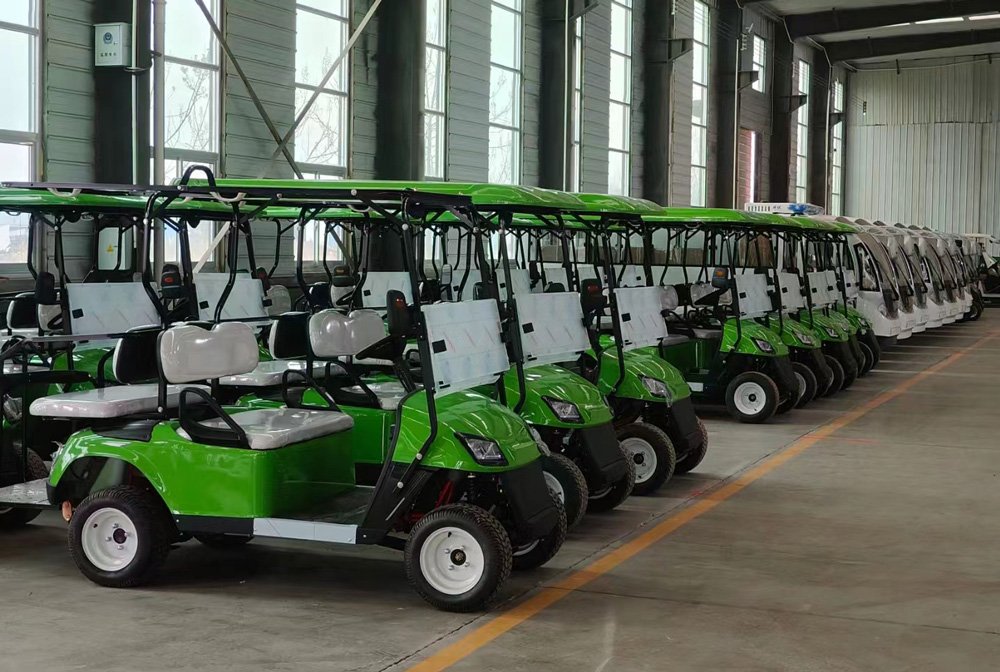
OEM/ODM customization
GT Golf Cart Customized Golf Cart End-to-End Solutions
GT Golf Cart describes an end-to-end customization offering for buyers who need engineering assistance, design reproduction, component selection, and brand visual integration.
- Technical support: Engineering assistance from prototyping to mass production, as described by the provider.
- Design accuracy: A focus on reproducing customer-provided design requirements.
- Component selection: The provider describes durable core components; request exact specifications and supporting documentation for your project.
- Brand integration: Incorporation of customer colors and visual identity into the cart design.
Discuss your custom golf cart requirements
When should you choose factory customization?
Factory customization is worth investigating if you are ordering a new cart and want the finish coordinated with the original vehicle design. It may also suit dealers, resorts, and commercial users that need repeatable specifications across several vehicles. A local painting shop is usually more directly relevant when you already own a cart and simply want its exterior refinished.
Before ordering, confirm whether the requested color is a standard option or a special customization, how the final finish will be approved, what minimum order requirements apply if any, and whether the manufacturer records the color and design specification for future orders.
Also ask for a complete vehicle specification, not just a paint description. Battery, drivetrain, braking system, passenger capacity, tires, and other technical details should be confirmed independently from the appearance package.
13. Expert Recommendation: Where Should You Get Your Golf Cart Painted?
We recommend selecting the provider based on the job, not simply the provider’s label. A golf cart customization shop is a practical first choice for a personalized one-off build. An automotive refinishing shop may be better for complex paintwork if it understands the cart’s body materials. A dealership can simplify a new-cart purchase when customization is available. A restoration specialist makes sense when the cart also needs repairs. A manufacturer or OEM/ODM supplier is often the right route for new custom vehicles and repeat commercial orders.
| Your situation | Recommended starting point | First question to ask |
|---|---|---|
| You already own a cart and want a new color. | Golf cart customization shop | How will you prepare and coat this exact body material? |
| You want a complex finish or special effect. | Experienced automotive refinishing shop | Can you show similar work and explain the coating process? |
| You are buying a new cart. | Dealership or manufacturer | Is the finish factory-applied, dealer-installed, or subcontracted? |
| Your older cart needs repairs as well as paint. | Restoration specialist | What mechanical and body repairs should be completed first? |
| You need several branded carts. | Manufacturer or OEM/ODM supplier | How will you control color consistency, sample approval, and repeat orders? |
The strongest buying decision starts with the cart’s intended use, followed by the finish, provider, and total budget. Ask for a written scope, understand the preparation process, and confirm how defects or warranty claims will be handled. A custom painted golf cart should look right when delivered and remain practical to maintain after the novelty wears off.
Final Takeaway
The five places to consider are a dedicated golf cart customization shop, an automotive paint shop, a dealership, a restoration specialist, and a manufacturer offering OEM/ODM customization. Each serves a different need.
For a one-off repaint, start with a golf cart specialist that can demonstrate its process. For a new branded cart or commercial fleet, investigate factory customization and insist on a documented design approval process. In every case, compare preparation, coating compatibility, workmanship, warranty, and total cost—not just the quoted price.
Explore custom golf cart options or contact GT Golf Cart about OEM/ODM customization.
Frequently Asked Questions
1. Where is the best place to get a custom painted golf cart?
For a personalized one-off repaint, start with a dedicated golf cart customization shop. For complex refinishing, consider an automotive paint shop experienced with golf cart body materials. A dealership may coordinate customization for a new cart, while a manufacturer or OEM/ODM supplier may be more suitable for new branded vehicles or repeat fleet orders.
2. Is it better to paint a golf cart or wrap it?
Paint is a good option for a lasting color transformation and certain custom finishes. A vinyl wrap may be more practical when you need detailed graphics, changeable branding, or a design that may be replaced later. The right choice depends on the surface condition, design, maintenance needs, and budget.
3. How much does a custom painted golf cart cost?
The cost depends on body condition, preparation, coating system, finish complexity, graphics, disassembly, and reassembly. Request itemized quotes that cover the same scope of work. For older carts, include mechanical repairs and replacement parts in the overall budget.
4. Can any automotive paint shop paint a golf cart?
Not every shop is equally prepared for the job. Ask whether it has worked with golf cart panels and understands the preparation and coating requirements of the specific body material. Confirm who handles disassembly, reassembly, and any related repairs.
5. How long does golf cart painting take?
Turnaround depends on the design, surface repairs, paint system, shop workload, and required curing time. A simple repaint may take less time than a multi-color design with extensive disassembly. Ask the provider for a project-specific schedule and avoid returning the cart to service before the finish is ready.
6. Can I order a custom painted golf cart directly from a manufacturer?
Some manufacturers and OEM/ODM suppliers offer custom colors, brand integration, and other design options. Confirm the available finishes, sample approval process, production lead time, minimum order requirements if applicable, warranty, and technical specifications before placing an order.
7. What should I prepare before requesting a golf cart painting quote?
Provide the cart’s model information, current condition, reference images, desired colors, graphics, intended use, budget, and deadline. Ask the provider to specify surface preparation, coating products, included repairs, disassembly, reassembly, warranty, and exclusions in writing.
8. Is custom painting worth it for a commercial golf cart fleet?
It can be worthwhile when consistent appearance and brand recognition matter to customers or guests. Commercial buyers should also consider finish durability, repairability, color documentation, service access, and total ownership cost. For repeat orders, establish a written color and design specification before production.
References
- Axalta — Automotive coatings information and refinishing resources relevant to coating selection and professional paint processes.
- PPG — Coatings manufacturer resources covering automotive refinishing products and coating systems.
- Sherwin-Williams — Professional coatings and surface-preparation resources relevant to understanding coating systems and application requirements.