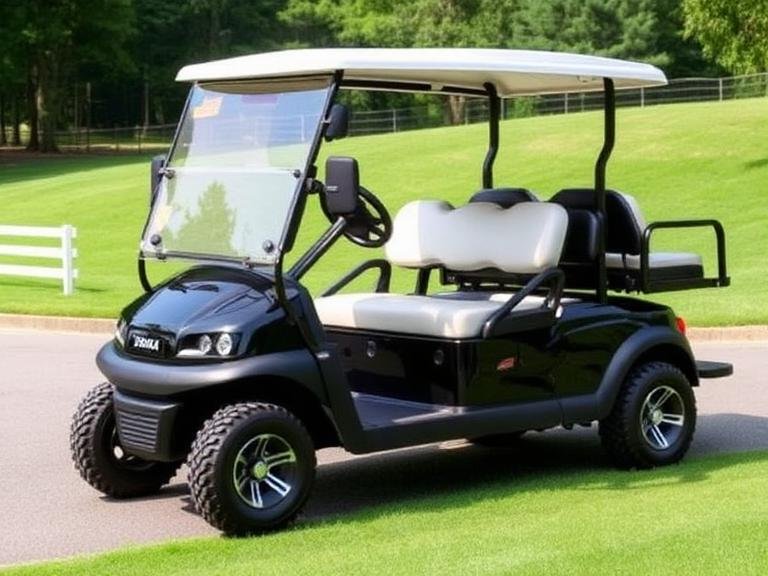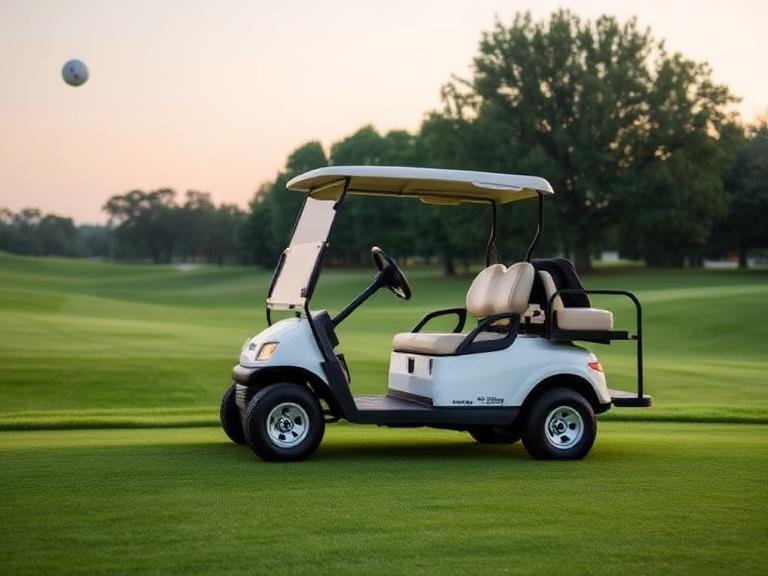
Choosing custom golf cart seats is about more than picking a color that looks good. The right seat design can improve comfort on long rides, make an older cart look new, support a premium passenger experience, and help a commercial fleet maintain a consistent appearance. The wrong choice can mean uncomfortable cushions, cracked upholstery, difficult cleaning, or an expensive replacement that does not fit the cart.
Our recommendation is straightforward: choose seats based on the cart’s actual use, passenger capacity, exposure to weather, and required fit before deciding on color or decorative stitching. A private golf cart used for short trips has different requirements from a resort shuttle, neighborhood vehicle, or lifted off-road cart. Below are six popular customization options, with practical advice on when each is worth the investment.
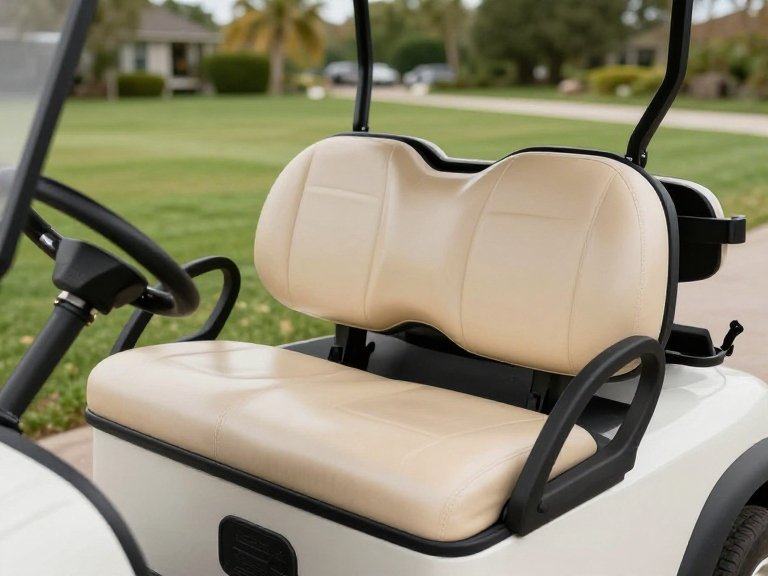
Quick Answer: Which Custom Golf Cart Seats Should You Choose?
For most owners, the best custom golf cart seats combine marine-grade or otherwise weather-appropriate upholstery, supportive high-density foam, a compatible seat base, and a design that suits the cart’s primary use. Choose premium vinyl for easy maintenance and frequent outdoor use, upgraded foam for comfort, and two-tone or stitched designs when appearance is a priority. For commercial fleets, prioritize durability, cleaning time, replacement availability, and consistent specifications over decorative extras.
Before ordering, confirm the make, model, year, seat dimensions, mounting points, passenger configuration, and whether the project requires only new upholstery or a complete seat assembly. Customization is worth paying for when it improves a specific requirement—not simply because more options are available.
Table of Contents
- What custom golf cart seats are
- Six popular custom golf cart seat options
- Seat customization comparison table
- How to choose upholstery and foam
- Fit, compatibility, and installation
- Benefits and limitations
- Best seat options by use case
- Cost-benefit analysis
- Common buying mistakes
- Choosing a manufacturer or supplier
- Expert recommendation
- Quick summary table
- Frequently asked questions
- References
1. What Are Custom Golf Cart Seats?
Custom golf cart seats are seating components modified or specified to meet particular requirements for appearance, comfort, fit, passenger capacity, or intended use. Depending on the project, customization can involve replacement upholstery, foam cushions, seat covers, decorative stitching, colors, logos, armrests, seat backs, or an entirely new seat assembly.
It is important to distinguish a custom seat cover from a complete replacement seat. A cover changes the visible surface but usually retains the existing cushion and base. A replacement cushion may improve comfort or restore worn padding. A complete assembly can involve the cushion, backrest, support structure, and mounting hardware, depending on the product.
How custom golf cart seats work
The seat system combines a structural base, cushioning, and an outer covering. The base provides support and attaches to the vehicle. Foam distributes the load and affects how the seat feels. Upholstery protects the cushioning and determines much of the seat’s appearance, cleanability, and resistance to environmental exposure.
Customization works best when these elements are considered together. Premium upholstery will not fix collapsed foam, and thicker foam will not compensate for an incompatible seat base. Similarly, a visually attractive seat is not a good upgrade if it obstructs controls, interferes with folding mechanisms, or reduces usable passenger space.
Who should consider custom seating?
- Private owners: People restoring worn seats or matching a cart to personal style.
- Golf clubs and resorts: Operators who need consistent branding, passenger comfort, and manageable cleaning routines.
- Hotels and property managers: Buyers creating a coordinated appearance across several vehicles.
- Commercial fleet operators: Businesses that need durable materials, predictable maintenance, and repeatable replacement specifications.
- Specialty cart owners: Owners of lifted, off-road, luxury, or extended-passenger carts with particular fit and style requirements.
If you are still deciding what type of vehicle the seats will be installed in, compare the intended use and layout of 2-seater golf carts, 4-seater golf carts, and 6-seater golf carts before committing to a seat configuration.
2. Six Popular Options for Custom Golf Cart Seats
Option 1: Premium marine-grade vinyl seats
Premium marine-grade vinyl is a strong option for carts regularly exposed to outdoor conditions. It is often chosen because the surface is relatively easy to wipe clean, can be available in many colors, and suits both private and commercial applications. Depending on the specific material, it may also be formulated to resist UV exposure, moisture, mildew, or other environmental stresses.
However, do not assume that every vinyl product offers the same outdoor performance. Product formulation, backing, seams, installation, and maintenance all affect service life. Ask the supplier for the material’s intended application and documented performance characteristics rather than relying on the term “marine-grade” alone.
Best for: Outdoor carts, golf course fleets, resort vehicles, and owners who value practical maintenance.
What to check: UV resistance, surface texture, cleaning instructions, seam construction, and compatibility with the existing seat foam.
Our recommendation: For most regularly used outdoor carts, quality weather-appropriate vinyl is a sensible starting point. It offers a practical balance of appearance and maintenance without requiring the care routine associated with some premium fabrics.
Option 2: High-density foam replacement cushions
When the seat feels flat, hard, or uneven, upgrading the foam may produce a more noticeable improvement than changing the upholstery color. Foam density, firmness, thickness, shape, and support characteristics all influence comfort. Density and firmness are related but not interchangeable measurements, so a high-density label alone does not guarantee that a cushion will feel comfortable.
For long rides, the right foam should support the user’s weight without bottoming out quickly or feeling unnecessarily rigid. The best specification depends on the seat design, intended passenger load, cushion thickness, and expected frequency of use.
Best for: Older carts with compressed cushions, frequent passengers, and vehicles used for extended rides.
What to check: Foam specifications, original cushion shape, drainage and drying considerations, and whether the upholstery needs replacement at the same time.
Our recommendation: If the existing seat has lost its support, do not spend the entire budget on decorative upholstery. Replace the deteriorated cushioning and select an appropriate covering together.
Option 3: Two-tone custom golf cart seats
Two-tone seats use contrasting colors to create a coordinated, more distinctive interior. A common approach is a darker seating surface paired with lighter side panels, or a neutral base combined with a brand color. The contrast can make a standard cart feel more premium without changing the entire seating structure.
This option is particularly useful when the seat should complement the body color, roof, wheels, dashboard, or other interior details. It can also help commercial operators establish a consistent visual identity across a fleet.
There is a practical consideration: lighter colors may show dirt, sunscreen, dye transfer, and stains more readily, depending on the material and finish. A high-contrast design can look excellent in a showroom but demand more frequent cleaning in a busy resort environment.
Best for: Personal customization, premium carts, rental fleets with branding requirements, and coordinated vehicle interiors.
What to check: Color matching, seam placement, cleanability, and the availability of replacement panels or matching upholstery.
Our recommendation: Use one primary color and one accent color rather than adding multiple competing tones. A restrained two-tone scheme is easier to coordinate and usually ages better stylistically.
Option 4: Diamond-stitched or quilted seats
Diamond stitching and quilted patterns add texture and visual depth. They are popular for luxury-style carts because they create a more tailored appearance than plain upholstery. Depending on the design, stitching can be applied to selected panels or across most of the seating surface.
Decorative stitching is primarily an aesthetic decision unless the specific construction is designed to deliver an additional functional benefit. More stitching does not automatically mean better comfort or durability. Needle holes, seam construction, material quality, and workmanship matter, especially when the seat is regularly exposed to moisture.
Best for: Luxury carts, custom builds, hospitality vehicles where presentation matters, and owners seeking a distinctive interior.
What to check: Stitch quality, seam consistency, material suitability for outdoor use, and how the pattern affects cleaning.
Our recommendation: Choose quilted seats when the finished look is a genuine priority. For a high-use rental fleet, compare the added purchase cost and maintenance needs against the practical benefit before paying for complex decorative work.
Option 5: Custom logo and branded golf cart seats
Logo customization can help resorts, golf clubs, hotels, communities, and commercial operators create a consistent fleet appearance. Branding may involve embroidered logos, printed graphics, embossed details, or custom-colored panels. The appropriate method depends on the upholstery material, logo complexity, required finish, and cleaning routine.
Embroidery creates a textured result, but intricate artwork may need to be simplified for clean execution. Printed or other decorative methods can suit different materials and visual styles. Ask to see a sample of the proposed method on the actual upholstery rather than approving the design from a digital image alone.
Before production, verify the logo file, dimensions, placement, colors, and any brand-use permissions. A small placement error repeated across a fleet can be expensive to correct.
Best for: Resorts, golf courses, hospitality groups, corporate vehicles, and branded custom builds.
What to check: Artwork quality, decoration durability, repeatability, cleaning instructions, and the supplier’s ability to reproduce the same result across future orders.
Our recommendation: For commercial branding, prioritize legibility and repeatability over complex artwork. A clean, correctly positioned logo is generally more effective than a large design that competes with the rest of the vehicle.
Option 6: Extended-passenger and rear-facing seat configurations
For owners converting a cart to carry more passengers, the seat configuration is more important than the upholstery style. Depending on the vehicle and compatible conversion system, options may include extended bench seating, rear-facing passenger seats, or a redesigned seating layout for a larger passenger capacity.
This is not simply a cosmetic upgrade. Additional seating affects passenger space, mounting structure, entry and exit, vehicle dimensions, and potentially the vehicle’s approved load and operating characteristics. The cart must be suitable for the intended configuration, and the seating system must be compatible with its structure.
Best for: Group transport, resorts, larger properties, and vehicles designed or properly converted for additional passengers.
What to check: Vehicle compatibility, manufacturer-approved capacity, mounting hardware, seat-belt requirements where applicable, entry and exit clearance, and local operating rules.
Our recommendation: Never increase passenger capacity based only on the physical space available for a bench. Confirm the vehicle’s rated capacity and structural suitability before ordering a conversion. For a six- or eight-passenger vehicle, the complete seating layout should be specified as part of the vehicle design.
Explore the available 8-seater golf cart and 6-seater golf cart categories if passenger capacity is a core requirement rather than a secondary styling decision.
3. Custom Golf Cart Seats Comparison Table
The best option depends on whether your priority is weather resistance, comfort, appearance, branding, or passenger capacity. Use this comparison to shortlist the right approach before requesting quotes.
| Seat option | Main benefit | Best application | Potential drawback | Priority when buying |
|---|---|---|---|---|
| Marine-grade vinyl | Easy surface cleaning and practical outdoor use | Daily-use carts and fleets | Performance varies by material formulation | Confirm outdoor suitability and care requirements |
| High-density foam | Restores support and improves seating feel when properly specified | Older or frequently used carts | Incorrect firmness or thickness can reduce comfort | Match foam to the seat geometry and intended use |
| Two-tone upholstery | Distinctive, coordinated appearance | Personal and premium builds | Light panels may show dirt more readily | Balance color contrast with maintenance |
| Diamond stitching or quilting | Premium decorative finish | Luxury builds and presentation-focused vehicles | More complex finishing may increase cost | Inspect seam quality and material suitability |
| Logo-branded seats | Consistent fleet identity | Resorts, golf clubs, hotels, businesses | Artwork and color consistency require control | Approve a physical branding sample |
| Extended or rear-facing seating | Supports a different passenger layout | Compatible multi-passenger carts | May require structural or vehicle-level changes | Verify capacity, mounting, and applicable rules |
4. How to Choose the Right Upholstery and Foam
Two seats can look almost identical in a product photograph yet behave very differently after months of use. Upholstery formulation, foam support, seam construction, exposure to sunlight, and cleaning practices all influence how the seat performs. Ask for specifications and samples rather than choosing on appearance alone.
Upholstery: choose for the environment
For outdoor use, look for material information that addresses UV exposure, moisture, cleaning, abrasion, and the manufacturer’s intended application. If the cart is stored outdoors in a hot climate, ask about heat exposure and recommended care. If the cart operates in a resort or rental environment, prioritize surfaces that can be cleaned quickly without damaging the finish.
Fabric upholstery may suit certain custom builds, but the maintenance requirements should be understood before purchase. A material that feels comfortable indoors may be less convenient when exposed to mud, sunscreen, spilled drinks, or repeated cleaning.
Foam: choose support rather than a label
Ask the supplier about foam density, firmness, thickness, and intended use. Density indicates the mass of foam per unit volume; firmness describes how much force is required to compress it under a specified test method. One cannot reliably predict the other from the product name alone.
For longer rides, test the complete seat if possible. Comfort depends on seat depth, contour, backrest angle, passenger body size, and how pressure is distributed. A very firm cushion may feel supportive to one person and uncomfortable to another.
Color and stitching: consider ownership costs
Dark colors can be practical for busy fleets because some marks may be less noticeable, while lighter colors can create a clean, premium appearance. Neither choice is universally superior. Ask about cleaning products, expected fading, and the availability of matching materials if a panel needs repair.
Decorative stitching should be inspected closely. Uneven stitch spacing, loose threads, poorly finished corners, or inconsistent panel alignment can undermine the appearance of an otherwise expensive seat. For commercial orders, document the acceptable finish before approving the first production unit.
5. Fit, Compatibility, and Installation: What to Check Before Ordering
Fit is one of the most common sources of avoidable expense in seat customization. A seat described as universal may still require adjustments or may not fit your cart correctly. Mounting patterns, cushion dimensions, seat-back angles, hinges, access panels, and body design can differ between vehicles.
Prepare a compatibility checklist
- Record the cart’s make, model, model year, and current seat configuration.
- Measure the seat base, cushion, backrest, and relevant mounting points.
- Check whether the existing frame and hardware are reusable and structurally sound.
- Confirm clearance around the steering wheel, controls, side panels, and folding components.
- Verify passenger capacity and load limits before changing the seating layout.
- Request installation instructions and confirm whether professional installation is recommended.
For lifted vehicles and carts intended for uneven terrain, check the complete vehicle configuration rather than assuming that a seat suitable for a standard cart will fit every modified model. A lifted cart may have a different body setup, suspension arrangement, or accessory configuration that affects compatibility.
If your use case involves rougher routes, compare the seating requirements alongside an off-road golf cart or lifted golf cart configuration. The correct seat still needs to match the actual vehicle and its intended operating conditions.
Know when a seat cover is enough
If the foam remains supportive and the seat base is in good condition, replacing the upholstery or using a compatible seat cover may be the economical choice. If the cushion is compressed, cracked, misshapen, or damaged by moisture, a cover alone will only conceal the underlying problem.
A full seat assembly is more appropriate when the existing base, backrest, or mounting components are damaged, or when the required configuration differs significantly from the original. Before buying a complete assembly, compare the total cost with the cost of reupholstery and foam replacement.
6. Benefits and Limitations of Custom Golf Cart Seats
Key benefits
- Better fit for the intended use: Material and cushion choices can reflect daily driving, commercial operation, or longer passenger trips.
- Refreshed appearance: New upholstery and coordinated colors can modernize an older cart.
- Brand consistency: Logos and color schemes can create a unified appearance across a fleet.
- Targeted restoration: Replacing worn foam or damaged upholstery may be more sensible than replacing the entire vehicle.
- More control over the finished product: Customization allows buyers to specify details that standard replacement seats may not offer.
Limitations to understand
- Custom work may cost more than a standard replacement seat.
- Special colors, embroidery, and unusual configurations may increase lead times.
- Not every custom seat fits every golf cart model.
- Premium upholstery cannot compensate for poor foam, weak construction, or an unsuitable base.
- Decorative features can add maintenance requirements without improving functional performance.
- Passenger-seat conversions may involve structural, capacity, or regulatory considerations beyond upholstery.
| Pros | Cons |
|---|---|
| Allows the seat to match specific comfort and appearance requirements | Requires more decisions and specification work before purchase |
| Can extend the useful life of a sound existing seat base | Reupholstery is poor value if the underlying structure is damaged |
| Supports coordinated branding across multiple carts | Color and logo matching need clear approval controls |
| Offers practical material choices for outdoor and commercial use | Performance varies by material grade and maintenance routine |
| Can support a more suitable passenger configuration when the vehicle permits it | Seating changes do not automatically increase the cart’s rated capacity |
7. Best Custom Golf Cart Seat Options by Use Case
Private golf cart used around a community
For everyday neighborhood trips, prioritize comfortable foam, weather-appropriate upholstery, and a color scheme that suits the vehicle. A two-tone design can deliver a noticeable visual upgrade without the expense of extensive quilting or complex decorative work.
If you are comparing complete vehicles as well as seat options, browse the available luxury golf cart category to understand the styling direction you want to achieve. Do not assume that a premium-looking seat alone changes the vehicle’s overall specification or capabilities.
Golf course, resort, or hotel fleet
Commercial users should prioritize easy cleaning, repeatable specifications, replacement availability, and comfort for frequent passengers. Choose upholstery that suits the actual climate and cleaning routine. Keep the design consistent across the fleet unless different vehicles have clearly different roles.
For fleets with several passenger configurations, standardize material, color, stitching, and branding wherever possible. This makes future repairs and replacements easier and reduces the chance that a replacement seat looks noticeably different from the original fleet specification.
Lifted or off-road cart
For off-road use, prioritize correct fit, secure mounting, durable construction, and a seat shape that suits the intended riding conditions. Decorative details are secondary to compatibility and support. Verify that the complete seat arrangement is appropriate for the cart and that modifications do not interfere with vehicle controls or passenger safety features.
Multi-passenger transport
For a cart carrying groups, evaluate passenger capacity, access, seating position, and vehicle specifications before choosing upholstery. The seating plan must be compatible with the vehicle’s structure and intended use. A more attractive rear bench is not a substitute for a properly engineered and approved configuration.
For a broader vehicle comparison, GT Golf Cart’s electric golf cart models provide a starting point for reviewing available vehicle configurations. If you are considering a six-passenger model, the guide to 6 passenger golf cart price can help frame the wider vehicle-budget decision, although the final cost will depend on the exact specification and supplier quote.
8. Cost-Benefit Analysis: Are Custom Golf Cart Seats Worth It?
Custom golf cart seats are worth the investment when the improvement solves a meaningful problem: worn cushioning, damaged upholstery, difficult cleaning, inconsistent fleet branding, or an unsuitable seating arrangement. They are less compelling when the existing seat is comfortable and sound and the only goal is a minor appearance change that adds substantial cost.
Compare the complete cost, not just the seat price
Request separate pricing for upholstery, foam, seat covers, complete assemblies, decorative stitching, logos, hardware, shipping, and installation where relevant. This allows you to compare a targeted repair with a full replacement on equal terms.
For example, if the seat base is sound but the cover is cracked, reupholstery may avoid paying for components you do not need. If the foam has collapsed and the base is damaged, replacing only the cover may create repeat labor costs and leave the main comfort problem unresolved.
For a commercial fleet, consider maintenance labor and downtime as well as purchase price. A slightly more expensive material may be worthwhile if it is easier to clean, the supplier can provide consistent replacements, and the seat remains suitable for the operating environment. Do not assume a higher-priced seat will last longer without supporting specifications or experience with the exact material.
When should you upgrade?
- Upgrade the upholstery when the surface is worn or damaged but the cushion and base remain sound.
- Upgrade the foam when support has deteriorated or the seating feels uncomfortable during normal use.
- Choose premium styling when appearance is central to the vehicle’s purpose or resale presentation.
- Choose branding when the cart represents a business, resort, or organization and a consistent fleet identity has practical value.
- Consider a complete assembly when the current structure is damaged or the desired seating layout requires a compatible replacement system.
Before committing, compare at least two solutions: the lowest-cost repair that resolves the problem and the more comprehensive upgrade. Pay for the second option only when its added benefits justify the extra cost.
9. Common Mistakes When Buying Custom Golf Cart Seats
Buying by appearance alone
Photographs do not reveal foam support, upholstery performance, mounting compatibility, or long-term maintenance needs. Ask for material details, dimensions, installation information, and photographs of the actual product or a comparable finished sample.
Assuming universal fit means guaranteed compatibility
Confirm the cart model and mounting arrangement before ordering. A seat that looks similar to the original may still interfere with hinges, panels, or the intended seating position. When the fit is uncertain, provide measurements and request written confirmation from the supplier.
Choosing the most elaborate design for a working fleet
Quilting, contrast stitching, and light-colored upholstery may be appropriate for a premium vehicle, but a busy rental fleet has different priorities. Select decorative options only when the presentation benefit outweighs the additional cost and maintenance requirements.
Ignoring foam condition
Installing new upholstery over compressed foam does not restore proper support. Inspect the cushion before deciding whether a cover, reupholstery, foam replacement, or complete assembly is the right solution.
Increasing passenger capacity without checking the vehicle
Do not infer a safe or legal passenger capacity from the size of a seat bench. Confirm the vehicle manufacturer’s specifications, structural compatibility, and applicable local rules before making seating changes.
Failing to approve the final customization details
For custom orders, confirm the final color, material, stitching, logo placement, dimensions, and mounting arrangement in writing. For fleet orders, approve a representative finished sample and establish a process for checking production units against it.
10. How to Choose a Golf Cart Manufacturer or Custom Seat Supplier
Not every supplier offers the same level of customization. Some sell replacement covers and standard cushions; others can coordinate complete vehicle design, seat configuration, body color, branding, and other OEM or ODM requirements. Choose the service model that fits the project rather than paying for manufacturing support you do not need.
Compare three types of service
| Supplier or service type | Best for | Questions to ask |
|---|---|---|
| Replacement seat or cover seller | Simple repairs and standard-fit replacements | Does it fit the exact cart model? What is included? |
| Custom upholstery specialist | Material, color, stitching, foam, and logo changes | Can it reproduce the approved design and supply matching replacements? |
| Golf cart manufacturer with OEM/ODM support | New vehicle configurations, fleet projects, and integrated customization | Which vehicle and seating specifications can be customized, and what approval process applies? |
Evaluate capability, quality, and communication
Ask the supplier to explain what it can customize, which specifications are fixed, and how it checks finished products. For a complete vehicle project, clarify whether the seats are designed and supplied as part of the vehicle configuration or sourced separately. That distinction matters when fit, passenger layout, and vehicle-level specifications need to work together.
GT Golf Cart is a manufacturer specializing in electric golf carts, sightseeing vehicles, and low-speed electric vehicles, with OEM/ODM services for customized mobility solutions. For buyers developing a vehicle or fleet rather than replacing upholstery alone, its OEM and ODM customization services are relevant to discuss when evaluating integrated vehicle requirements. Confirm the exact scope of seat customization, material choices, minimum order quantities, lead times, and technical approvals for your project before placing an order.
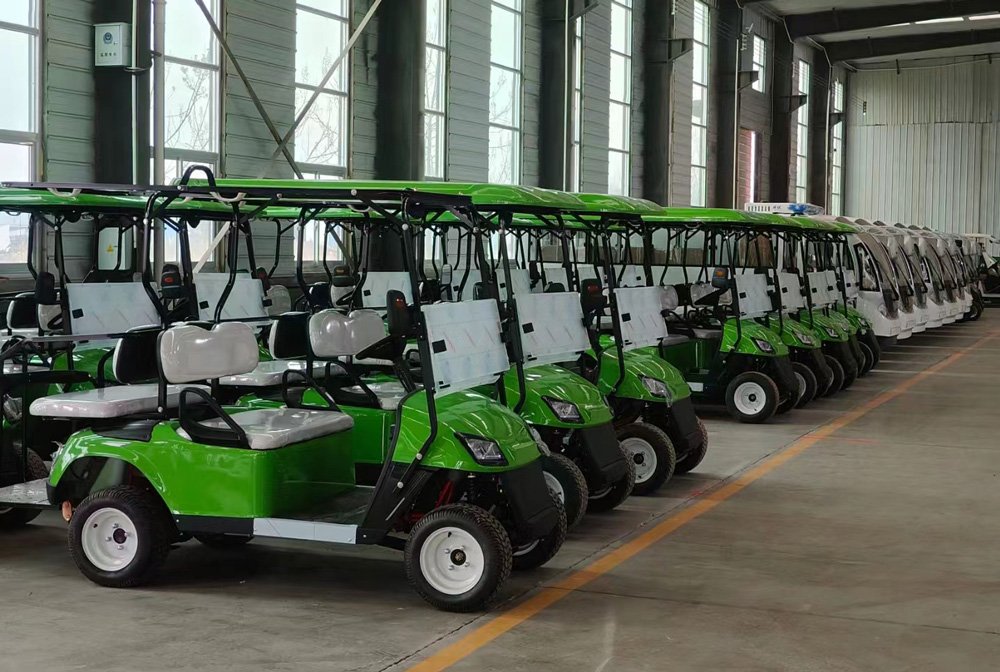
For commercial buyers comparing manufacturers, evaluate more than the initial quote. Ask about production capability, replacement-part availability, documentation, quality checks, communication, and support after delivery. A supplier that explains limitations clearly is often a safer choice than one that promises every customization without discussing compatibility or production constraints.
If you are evaluating suppliers by region, the guide to golf cart manufacturers in Florida can provide another starting point for your supplier research. Treat published comparisons as a shortlist, then verify current capabilities and terms directly with each supplier.
11. Expert Recommendation: Which Custom Golf Cart Seats Are Best?
For most everyday golf carts, we recommend starting with weather-appropriate upholstery and properly specified foam. This combination addresses the two most important practical factors: how the seat feels and how easily it can be maintained. If the existing cushion is sound, a cover or reupholstery may be sufficient. If the foam has deteriorated, replace it rather than hiding the problem beneath a new surface.
For luxury builds, two-tone upholstery or diamond stitching can make sense when the interior design is a priority. Keep the palette coordinated and verify the decorative finish on the actual material. For resorts, rental fleets, and commercial operations, favor cleanability, repeatability, and easy replacement over elaborate styling that adds little operational value.
For multi-passenger carts, treat seating configuration as a vehicle-level decision. Verify the rated passenger capacity, mounting structure, and applicable requirements before choosing an extended bench or rear-facing arrangement. The correct choice must fit the vehicle’s intended design and use.
GT Golf Cart is worth considering when your project involves broader vehicle customization or an OEM/ODM requirement rather than a simple replacement cover. However, the final buying decision should depend on the exact specification, fit confirmation, material details, quality process, and total delivered cost.
12. Quick Summary Table
| Your priority | Recommended option | Why |
|---|---|---|
| Everyday outdoor use | Weather-appropriate premium vinyl | Practical cleaning and outdoor suitability when the material is correctly specified |
| Worn or uncomfortable cushions | Foam replacement with suitable upholstery | Addresses support problems rather than only appearance |
| Distinctive personal style | Two-tone custom upholstery | Creates a coordinated interior without requiring the most elaborate finish |
| Premium appearance | Diamond stitching or quilting | Adds texture and visual detail |
| Business or resort branding | Custom logo and color scheme | Supports a consistent fleet identity |
| More passenger seating | Compatible extended or rear-facing configuration | Supports a different layout when the vehicle is designed and approved for it |
The best custom golf cart seats are not necessarily the most expensive or decorative. They are the seats that fit the cart, suit the environment, provide the required comfort, and justify their total cost over the way the vehicle will actually be used.
13. Frequently Asked Questions
1. What are the best custom golf cart seats for outdoor use?
Weather-appropriate vinyl is a practical option for many outdoor golf carts because it can be easy to clean and is available in formulations designed for outdoor exposure. Confirm the specific material’s UV, moisture, cleaning, and durability characteristics rather than assuming every vinyl product performs the same way.
2. Can I customize my golf cart seats without replacing the entire seat?
Yes. If the base and foam remain in good condition, a compatible seat cover or reupholstery may be sufficient. If the foam is compressed or the structure is damaged, a more complete repair or replacement may provide better value.
3. Are high-density foam golf cart seats more comfortable?
Not automatically. Foam density and firmness are different characteristics, and comfort also depends on cushion thickness, shape, support, and passenger needs. Choose foam based on the intended application and evaluate the complete seat whenever possible.
4. Are diamond-stitched golf cart seats worth the extra cost?
They can be worth the investment for luxury carts and presentation-focused vehicles where appearance matters. For high-use fleets, the additional decorative value should be weighed against the cost, cleaning needs, and quality of the stitching and upholstery.
5. Can I add logos to custom golf cart seats?
Many customization projects can include embroidered, printed, or otherwise decorated logos, depending on the material and supplier’s capabilities. Confirm the artwork, dimensions, placement, color, and decoration method using a representative sample before approving a larger order.
6. How do I make sure custom golf cart seats will fit?
Provide the cart’s make, model, model year, seat dimensions, and mounting details. Confirm compatibility in writing and check clearance around controls, hinges, panels, and other components. Do not rely on a universal-fit description alone.
7. Can custom seats increase a golf cart’s passenger capacity?
Changing the seat alone does not establish a higher safe or legal passenger capacity. Verify the vehicle’s rated capacity, structural suitability, mounting requirements, and applicable local rules before making any passenger-seat conversion.
8. Should I choose custom golf cart seat covers or complete replacement seats?
Choose covers or reupholstery when the underlying seat structure and cushioning are sound. Choose foam replacement when support has deteriorated, and consider a complete assembly when the base is damaged or a different compatible seating configuration is required.
9. What should commercial buyers prioritize in custom golf cart seats?
Commercial buyers should focus on cleanability, durability, comfort, consistent branding, replacement availability, and compatibility. Compare the total cost of ownership, including cleaning, repairs, downtime, and replacement parts, rather than choosing solely by the initial price.
10. Does GT Golf Cart offer custom golf cart seat solutions?
GT Golf Cart provides electric golf carts, sightseeing vehicles, low-speed vehicles, and OEM/ODM customization services. Buyers should contact the company to confirm whether their specific seat design, material, branding, or passenger configuration is available and what technical requirements apply.
14. References
These authoritative resources provide useful background for evaluating seating materials, vehicle compatibility, and applicable safety requirements. They do not certify any specific custom golf cart seat or guarantee compatibility with a particular cart.
- National Highway Traffic Safety Administration (NHTSA) — Vehicle Safety. General vehicle safety information that can help buyers understand why vehicle configuration and safety features matter when considering modifications.
- ASTM International — Standards and Technical Resources. A source for technical standards relevant to materials, testing methods, and product performance; confirm which specific standards apply to your product.
- SAE International — Standards. Technical standards resources that may be relevant when evaluating vehicle components and engineering requirements. Applicability depends on the vehicle and intended use.
Final buying advice: Start with fit and function, choose upholstery and foam for the real operating environment, and add decorative customization only when it delivers clear value. For commercial or multi-passenger projects, confirm the complete vehicle specification before approving the seats.