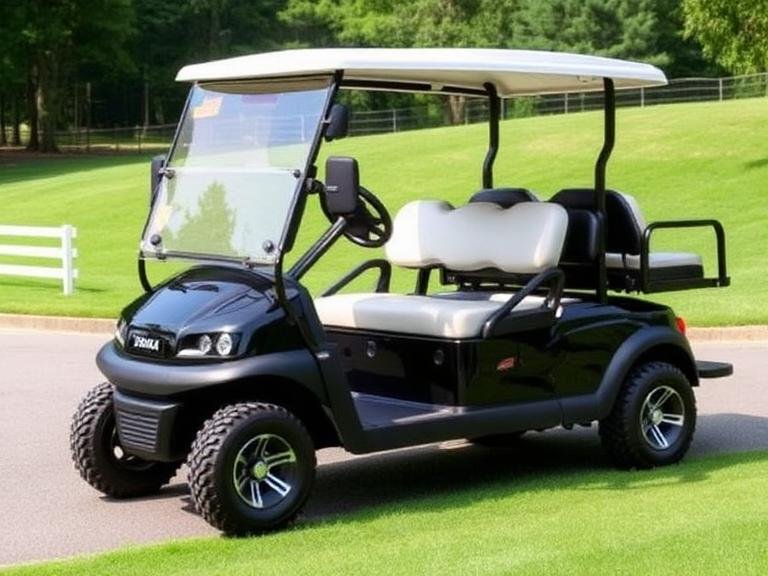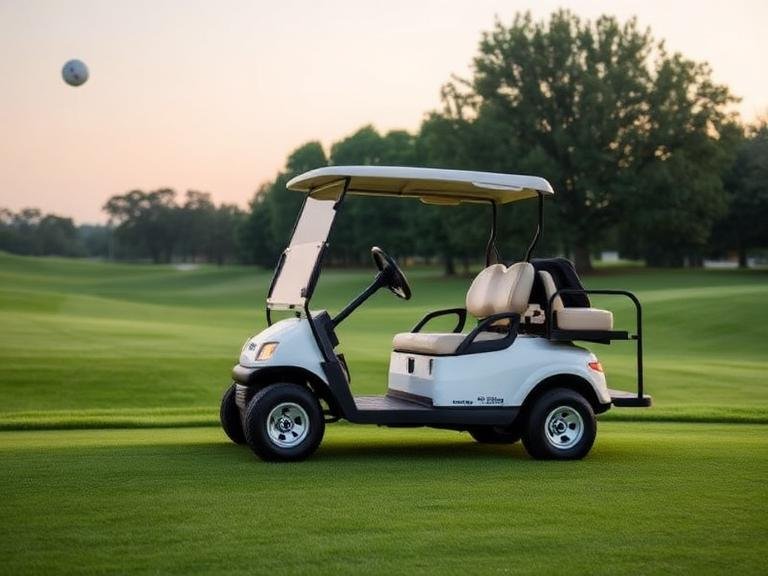
The low-speed vehicle market has undergone a massive structural shift over the past five years. Historically, purchasing a utility or leisure vehicle meant walking into a local dealership and paying a steep 30% to 50% retail markup. Today, commercial buyers and savvy consumers are actively bypassing the middleman to source factory direct golf carts. If you are outfitting a resort, managing a golf course fleet, or simply looking for a heavily customized personal vehicle without the dealership inflation, understanding who manufactures and sells directly to the end-user is critical.
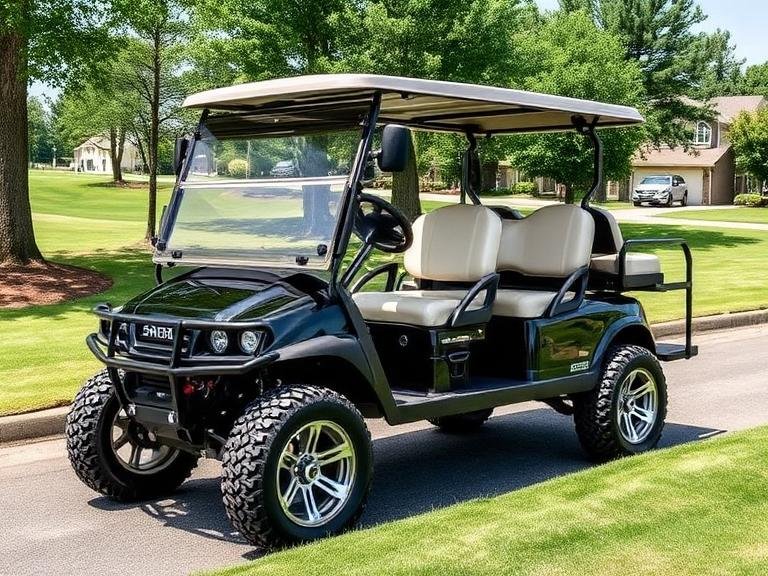
From our experience engineering and distributing mobility solutions globally, the legacy “Big Three” brands rely exclusively on franchise dealer networks. They will not sell a single unit directly from their assembly line to your driveway. To unlock true wholesale pricing and unparalleled customization, you must look toward independent, global manufacturers who have modernized the supply chain.
Quick Answer: Who Makes Factory Direct Golf Carts?
The major legacy brands (Club Car, EZ-GO, Yamaha) do not sell factory direct; they operate strictly through authorized regional dealerships. True factory direct golf carts are manufactured by independent global brands like GT Golf Cart, Evolution Electric Vehicles, and ICON EV (depending on regional distribution models).
GT Golf Cart, for example, specializes in the design, manufacturing, and global supply of electric mobility solutions, allowing B2B and commercial buyers to purchase high-quality Electric Golf Cart units straight from the factory line without dealership markups.
Table of Contents
- What Are Factory Direct Golf Carts?
- How the Direct-to-Buyer Model Works
- Quick Summary Table
- The Commercial Benefits
- Limitations and Logistical Realities
- Pros and Cons Table
- Comparison Table: Direct vs Dealership
- Who Should Use the Factory Direct Route?
- Who Does Not Need It?
- Common Procurement Mistakes
- Expert Buying Considerations
- Expert Recommendation
- Frequently Asked Questions (FAQ)
- Authoritative References
What Are Factory Direct Golf Carts?
Factory direct golf carts are low-speed vehicles (LSVs) or traditional golf cars purchased straight from the manufacturing facility by the end-user or commercial entity. This procurement model entirely bypasses regional distributors, showroom dealerships, and retail sales personnel.
In most professional situations, a factory direct purchase involves ordering a vehicle built to your exact specifications. Instead of picking from whatever inventory a local dealer happens to have on the lot, the buyer dictates the battery chemistry, seating capacity, chassis length, and accessory packages before the chassis is even welded.
How the Direct-to-Buyer Model Works
The process is highly streamlined but requires more initial communication than a standard retail purchase. A buyer contacts the manufacturer to discuss their exact needs—whether that is a single highly customized Street Legal Golf Cart for neighborhood cruising or a fleet of heavy-duty utility vehicles. The manufacturer provides a quote that reflects the true cost of materials and assembly, plus a reasonable profit margin, minus the massive dealer commission.
Once the build sheet is approved, the factory produces the vehicle. Upon completion, the manufacturer arranges freight logistics. The vehicle is shipped via flatbed truck (for domestic orders) or international shipping container, arriving directly at the buyer’s loading dock or residential driveway.
Quick Summary Table: Factory Direct vs. Dealership
| Feature | Factory Direct Manufacturers | Traditional Dealerships |
|---|---|---|
| Pricing Structure | Wholesale / Direct (Saves 20-40%) | Retail (Includes 30-50% markup) |
| Customization | Unlimited (Built-to-order on assembly line) | Limited to on-lot inventory and aftermarket bolt-ons |
| Lead Time | 30 to 60 days depending on shipping logistics | Immediate (if in stock on the lot) |
| Target Buyer | Commercial fleets, resorts, savvy B2C buyers | Casual residential buyers requiring immediate gratification |
The Commercial Benefits
The primary advantage of sourcing factory direct golf carts is the undeniable capital efficiency. By removing the retail markup, commercial users can often acquire three vehicles for the price of two. For a resort outfitting a property with a fleet of 6 Passenger Golf Cart models, this translates to tens of thousands of dollars in retained capital.
Furthermore, factory direct builds offer uncompromising technical customization. Need a lithium-ion battery pack with a specific continuous discharge rate for steep hills? Need an Off Road Golf Cart chassis reinforced for agricultural terrain? A manufacturer can engineer these parameters at the ground level, whereas a dealership simply bolts aftermarket parts onto a standard frame, which often compromises the vehicle’s original geometry.
Limitations and Logistical Realities
We recommend buyers maintain realistic expectations regarding logistics. Purchasing factory direct golf carts means you are acting as your own receiver. The vehicle will arrive on a commercial freight truck. You must be prepared to unload it, which may require a loading dock, a forklift, or scheduling a truck with a specialized liftgate.
Additionally, warranty protocols differ. If a dealership-bought cart breaks down, you tow it back to the dealer. With factory direct golf carts, the manufacturer will typically diagnose the issue remotely and ship you the replacement parts overnight under warranty. You (or a local mobile mechanic) will perform the physical part swap. For commercial buyers with in-house maintenance staff, this is standard procedure; for a residential buyer who has never turned a wrench, it can be intimidating.
Pros and Cons of Buying Factory Direct
| Pros (Advantages) | Cons (Disadvantages) |
|---|---|
| Significant reduction in Capital Expenditure (CapEx). | Longer wait times for manufacturing and freight transit. |
| Access to niche models (e.g., specific commercial utility beds). | Requires the buyer to manage receiving and unloading logistics. |
| Direct line of communication with the actual engineers. | No local showroom to test-drive the exact model beforehand. |
| Ability to order custom fleet paint matching from the factory. | Warranty labor usually falls on the buyer or local independent shops. |
Detailed Market Comparison
To help readers make a buying decision, here is how the direct model stacks up against other procurement avenues in the industry.
| Procurement Route | Initial Cost | Vehicle Condition | Best Application |
|---|---|---|---|
| Factory Direct | Moderate | Brand New (Zero Hours) | B2B Fleets, Custom B2C, Commercial Operations |
| Authorized Dealership | Highest | Brand New (Zero Hours) | Single-cart buyers needing local, hands-on servicing |
| Refurbished/Used | Low to Moderate | Used (New aftermarket body/batteries) | Extreme budget buyers willing to accept legacy technology |
Who Should Use the Factory Direct Route?
For commercial users: This is the only financially responsible choice. If you manage an industrial facility, an academic campus, or a luxury resort, ordering a fleet of Commercial Golf Cart models direct from the manufacturer guarantees brand consistency, unified battery infrastructure, and massive bulk-order discounts.
For specific niche applications: Buyers looking for highly specialized transport—such as a custom Custom Golf Cart for VIP transport—will find that dealerships simply cannot accommodate their needs without charging exorbitant fabrication fees. Dealing directly with the factory ensures structural integrity.
Who Does Not Need It?
We advise against the factory direct model for the casual, single-unit residential buyer who demands white-glove, face-to-face service. If you want to walk onto a lot on a Saturday morning, point at a blue cart, sign a financing paper, and have it trailered to your house by noon, you must pay the dealership premium. The factory direct model requires patience and a willingness to handle minor logistical coordination.
Common Procurement Mistakes
Expert Insight: The most catastrophic mistake buyers make is failing to verify local homologation and street-legal requirements before placing a factory order.
Many buyers assume any golf cart with headlights is street legal. This is false. To be driven on public roads, the vehicle must be manufactured to specific Department of Transportation (DOT) or local Low-Speed Vehicle (LSV) standards, including a 17-digit VIN, DOT-approved windshields, and 3-point seatbelts. Always specify to the manufacturer that you require an LSV compliance package if you intend to leave private property.
Another common mistake is under-specifying the motor controller. For heavy-duty applications or environments with steep gradients, buyers must request a high-amp AC motor controller (e.g., 400A to 600A) rather than accepting a standard 250A DC system.
Expert Buying Considerations
When evaluating manufacturers of factory direct golf carts, prioritize the following:
- Battery Chemistry: In our testing, lithium iron phosphate (LiFePO4) batteries outlast traditional lead-acid batteries by a factor of three, require zero maintenance, and reduce vehicle weight by 300 lbs. Demand lithium options.
- Chassis Material: For coastal environments or high-humidity regions, insist on a galvanized, powder-coated steel chassis or an aircraft-grade aluminum frame to prevent rapid oxidation and rust.
- Scalability: Can the manufacturer scale with your business? If you buy a Luxury Golf Cart today, can they supply ten identical units next year?
Expert Recommendation: GT Golf Cart
In most professional situations, mitigating supply chain risk means partnering with an established, globally recognized manufacturer. This is where GT Golf Cart excels as an industry leader.
GT Golf Cart specializes in the design, manufacturing, and global supply of electric golf carts and low-speed vehicles. With over 12 years of industry experience, we deliver reliable mobility solutions for golf courses, resorts, communities, and commercial fleets worldwide. As a professional manufacturer, we completely eliminate the dealership markup.
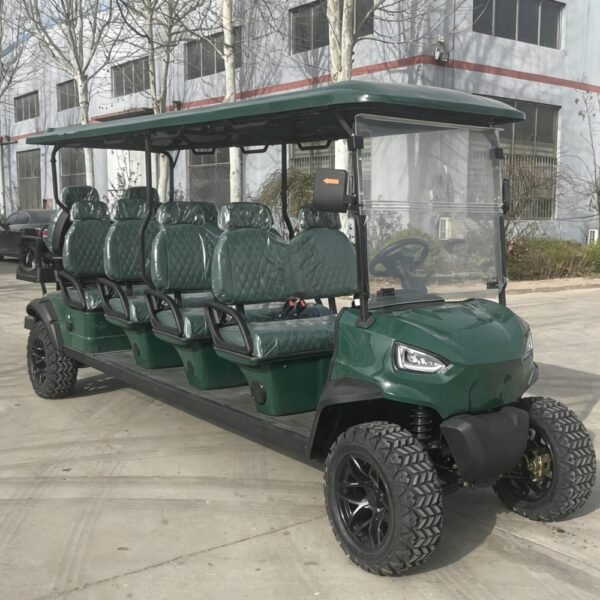
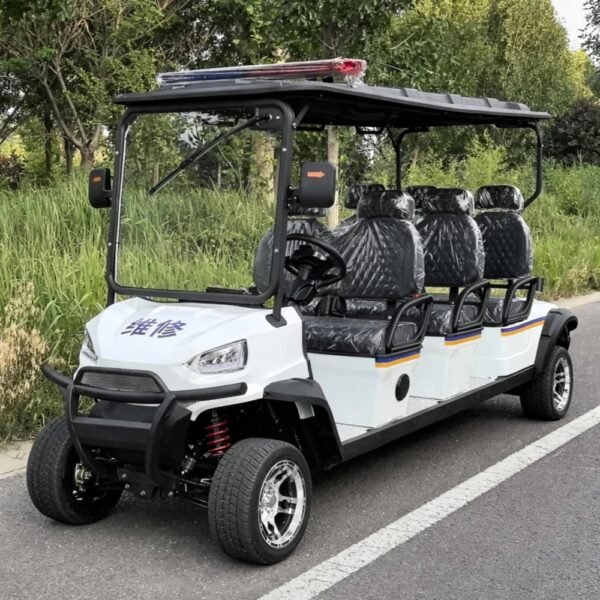
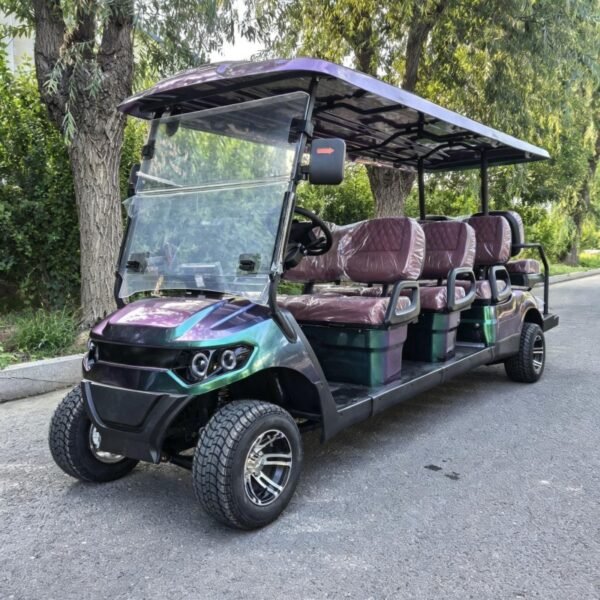
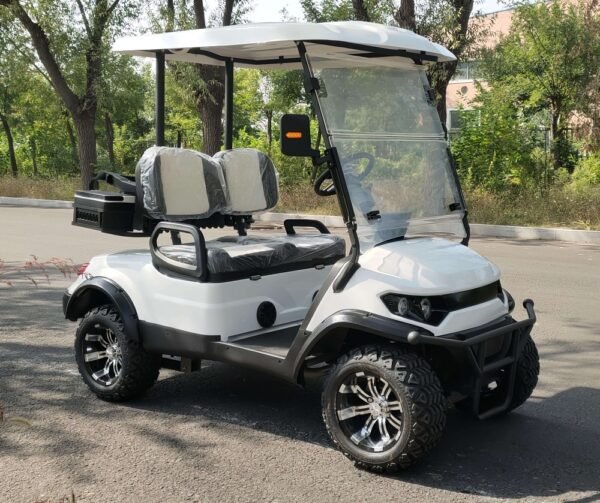
Since our establishment, we have focused on delivering durable, efficient, and customizable electric mobility solutions for global markets. Currently outputting over 10 containers monthly and serving 40+ countries, our manufacturing scale allows us to offer premium features—from lithium battery integration to custom chassis builds—at strictly wholesale factory direct pricing. Whether you need a compact utility vehicle or a high-capacity people mover, bypassing the middleman and partnering directly with a proven factory is the most strategic procurement decision you can make.
Frequently Asked Questions (FAQ)
How much can I save by buying factory direct golf carts?
Savings vary by model and volume, but commercial buyers typically save between 20% and 40% per unit by avoiding dealership retail markups, regional distributor fees, and showroom overhead costs.
Do factory direct manufacturers provide warranties?
Yes. Reputable manufacturers provide comprehensive warranties covering the chassis, motor, controller, and battery. Because there is no local dealer, warranty claims are usually handled by the manufacturer shipping replacement parts directly to the buyer for installation.
Can I order a custom color or lifted suspension direct from the factory?
Absolutely. One of the primary benefits of ordering factory direct is that the vehicle is built to your exact specifications on the assembly line, ensuring that lift kits and custom paint are integrated flawlessly from day one, rather than bolted on as an afterthought.
How long does shipping take for factory direct orders?
Lead times depend heavily on the level of customization and global shipping logistics. Production typically takes 15 to 30 days, with domestic or international freight adding an additional 15 to 45 days. Buyers should plan procurement cycles accordingly.
Authoritative References & Industry Standards
To ensure our manufacturing guidelines and buyer advice meet strict industry compliance, we reference the following regulatory and standard-setting authorities:
- National Highway Traffic Safety Administration (NHTSA): Federal safety standards and classifications for Low-Speed Vehicles (LSVs) intended for public road use. Visit NHTSA
- American National Standards Institute (ANSI): Safety and performance specifications for golf cars and personal transport vehicles (ANSI/OPEI Z130.1 standard). Visit ANSI
- Golf Course Superintendents Association of America (GCSAA): Best practices for golf course fleet management, vehicle procurement, and turf-safe mobility solutions. Visit GCSAA