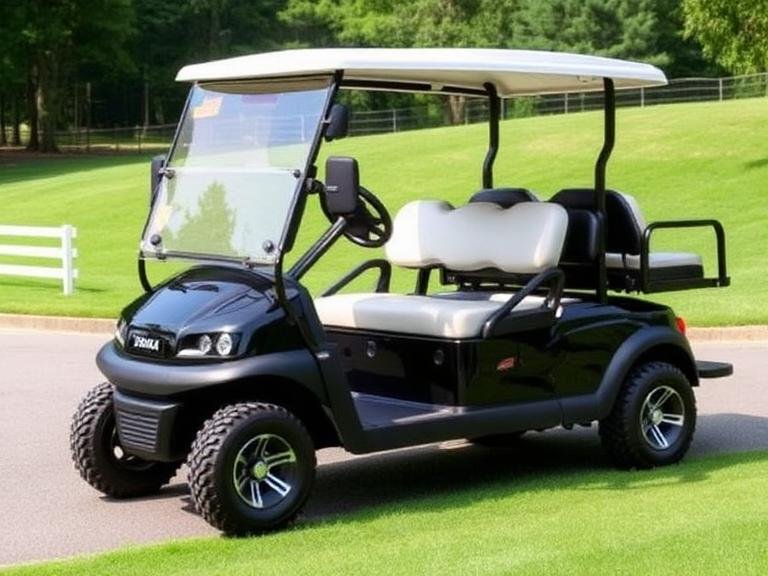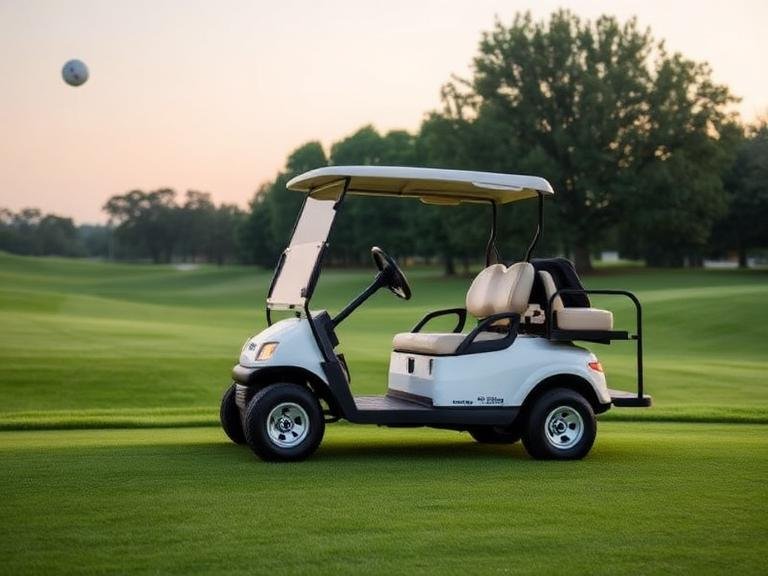
There is a pervasive and outdated myth within the neighborhood electric vehicle (NEV) industry that sourcing an electric golf cart from overseas automatically equates to importing inferior quality. This narrative is entirely false, perpetuated largely by legacy domestic brands attempting to protect highly inflated retail margins. The global manufacturing reality is that the vast majority of premium components—from advanced Lithium Iron Phosphate (LiFePO4) battery cells to intelligent AC motor controllers—are engineered and assembled in Asia. If you want to maximize your dealership margins or procure a heavy-duty resort fleet without sacrificing structural integrity, you must look east.
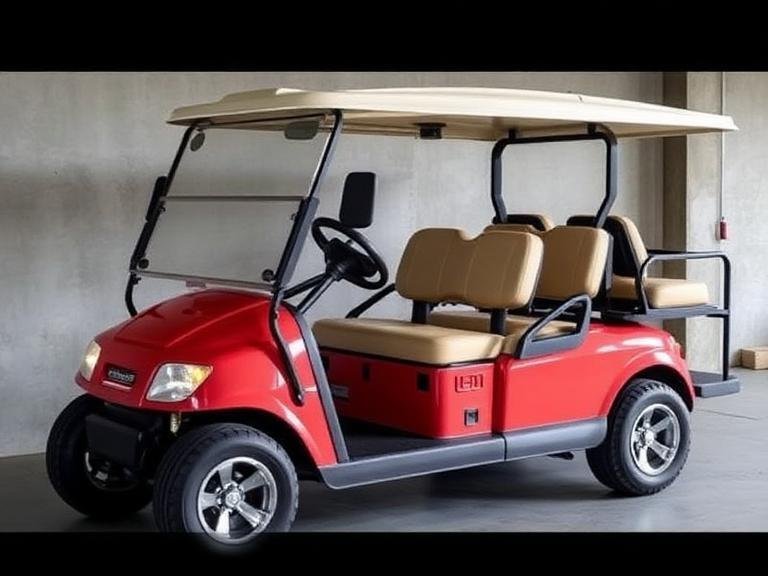
From our experience engineering and distributing vehicles at GT Golf Cart, we know that the distinction between a financial disaster and a highly profitable fleet acquisition lies entirely in partner selection. You cannot blind-wire money to an unverified trader on a B2B wholesale website and expect a flawless vehicle. You must partner with a legitimate, vertically integrated custom golf cart builder. In this definitive guide, we will apply ruthless commercial judgment to explain exactly how to vet overseas manufacturers, what mechanical specifications you must demand, and whether bypassing domestic middlemen is actually worth the logistical effort for your specific business model.
Quick Answer: Can You Trust Them?
Yes, you can absolutely trust a top-tier custom golf cart builder from China, provided you bypass generic trading companies and deal directly with a vertically integrated factory like GT Golf Cart. The best overseas builders utilize robotically welded hot-dip galvanized steel or aluminum chassis, independent MacPherson suspensions, and industry-standard AC drivetrains (such as Curtis or Navitas controllers). Commercial buyers can expect to cut procurement costs by 30% to 50% per unit while receiving upgraded features like lithium batteries and four-wheel disc brakes standard. However, this route requires strict due diligence, patience for 30 to 45-day ocean freight lead times, and an understanding of import tariffs.
Table of Contents
- What It Is: The Modern Overseas Manufacturing Reality
- How It Works: Direct-to-Factory Procurement
- Commercial Benefits of a Chinese Custom Golf Cart Builder
- Severe Limitations and Hidden Risks
- Who Should Use an Overseas Builder
- Who Does Not Need This Route
- Common Mistakes When Sourcing
- Strict Buying Considerations
- Expert Recommendation
- Summary and Comparison Tables
- Frequently Asked Questions
What It Is: The Modern Overseas Manufacturing Reality
A legitimate custom golf cart builder in China is not an assembly sweatshop; it is a highly automated, ISO-certified industrial facility. These manufacturers possess their own research and development departments, CNC machining centers for chassis fabrication, and climate-controlled paint booths for automotive-grade finishes. When you order custom golf carts directly from the source, you are essentially buying the exact same vehicle architecture that many domestic “manufacturers” import, rebadge, and markup by 100%.
The difference between a premier custom golf cart builder and a generic supplier is structural. A premier builder allows you to alter wheelbases, upgrade payload capacities, and integrate complex electrical harnesses to support lightbars, Bluetooth soundbars, and touchscreen displays directly on the assembly line. They cater heavily to the growing demand for luxury golf carts by offering bespoke upholstery and custom injection-molded body cowls that differentiate your fleet from standard country club vehicles.
How It Works: Direct-to-Factory Procurement
In most professional situations, procuring a fleet from an overseas custom golf cart builder involves a strict Original Equipment Manufacturer (OEM) or Original Design Manufacturer (ODM) contract process. You do not simply add an item to a cart. The process begins with a detailed specification sheet. You will define the chassis material (steel vs. aluminum), the motor output (e.g., 4kW vs. 5kW AC motor), the battery chemistry (Lithium vs. AGM), and the seating configuration.
Once the engineering team at the factory approves the specifications, a prototype or sample unit is produced. Upon sample approval, mass production commences. The factory handles the final assembly, rigorously tests the Battery Management System (BMS) under load, and packs the vehicles into 40-foot high-cube shipping containers (often stacking them using custom steel framing to maximize freight efficiency). You, or your freight forwarder, then manage the customs clearance and final delivery to your dealership or resort.
Commercial Benefits of a Chinese Custom Golf Cart Builder
The primary benefit is aggressive cost arbitrage. For Golf Cart Dealers in the World, purchasing a container of 4 seater golf cart models directly from a top-tier Chinese builder yields gross margins that legacy American brands simply cannot offer. Instead of making $1,000 on a domestic cart sale, a dealer can frequently clear $3,000 to $5,000 per unit.
Furthermore, Chinese manufacturers lead the world in lithium-ion battery integration. While legacy brands often charge a massive premium to upgrade from heavy lead-acid batteries, a modern custom golf cart builder includes 48V or 72V LiFePO4 battery packs as standard equipment. This provides your customers with zero-maintenance power systems, drastically reduced vehicle weight, and extended ranges. Additionally, outfitting a street legal golf cart (LSV) with DOT-approved windshields, seatbelts, and backup cameras is executed seamlessly at the factory level.
Severe Limitations and Hidden Risks
We must apply commercial and practical judgment: sourcing overseas is not without friction. The most glaring limitation is lead time. From the moment you wire the 30% production deposit to the moment the container arrives at your facility, you are looking at a 60 to 90-day window. You must possess the cash flow to float this inventory delay. If you mismanage your inventory, you will run out of stock during peak season.
Secondly, you face geopolitical and tariff risks. Import duties on Chinese vehicles and lithium batteries into the US or EU can fluctuate aggressively. A sudden tariff hike can instantly compress your margins. Finally, warranty support requires a competent in-house mechanic. While a reputable custom golf cart builder will ship you a container of spare parts (controllers, solenoids, brake pads) with your order, you are responsible for executing the actual labor for warranty repairs on your customers’ vehicles.
Who Should Use an Overseas Builder
This procurement strategy is engineered exclusively for commercial operators. If you manage a large resort and need a fleet of 6 seater golf cart models for guest transport, or if you are outfitting a campus with utility golf cart configurations featuring hydraulic dump beds, buying direct is the only way to protect your capital expenditure budget. Dealerships looking to launch their own private-label brand must also utilize an overseas custom golf cart builder to achieve the necessary unit economics.
Who Does Not Need This Route
If you are an individual consumer looking for a single 2 seater golf cart to drive around your gated community this weekend, do not attempt to import it yourself. The ocean freight costs, customs broker fees, and port handling charges for Less-than-Container Load (LCL) shipping will entirely wipe out the savings of buying direct. You should purchase directly from local Golf Cart Dealers Michigan or your respective local distributors.
Common Mistakes When Sourcing
The most catastrophic mistake buyers make is negotiating purely on price. If a supplier quotes you a price that is 30% lower than the top Luxury Golf Cart Manufacturers, they are cutting lethal corners. They will use thin-walled, ungalvanized steel frames that will rust through in a year, and they will install repurposed, low-grade lithium cells without a proper BMS, creating a severe fire hazard. Another profound error is communicating with a trading company on Alibaba thinking they are a factory. Always demand video tours of the welding and assembly lines to verify you are dealing directly with the builder.
Strict Buying Considerations
When executing a contract with a custom golf cart builder, you must mandate specific engineering standards. Demand AC (Alternating Current) motors over DC (Direct Current) motors; AC provides vastly superior torque for hill climbing and greater regenerative braking efficiency. Ensure the chassis is either aircraft-grade aluminum or hot-dip galvanized steel with a powder-coat finish. If you are sourcing from Off Road Golf Cart Manufacturers, verify that the suspension utilizes heavy-duty independent A-arms and coil-over shocks, not just cheap leaf springs.
Expert Recommendation
From our experience building and supplying high-performance NEVs globally, we unequivocally state that GT Golf Cart represents the gold standard of Chinese manufacturing. We do not operate as a middleman; we are the factory. We heavily over-engineer our chassis and exclusively utilize top-tier lithium integration to ensure our dealers and commercial clients never worry about structural failure or battery degradation. For resorts and commercial buyers requiring immediate, high-end fleet deployment, our COM-04 model is an undeniable asset.
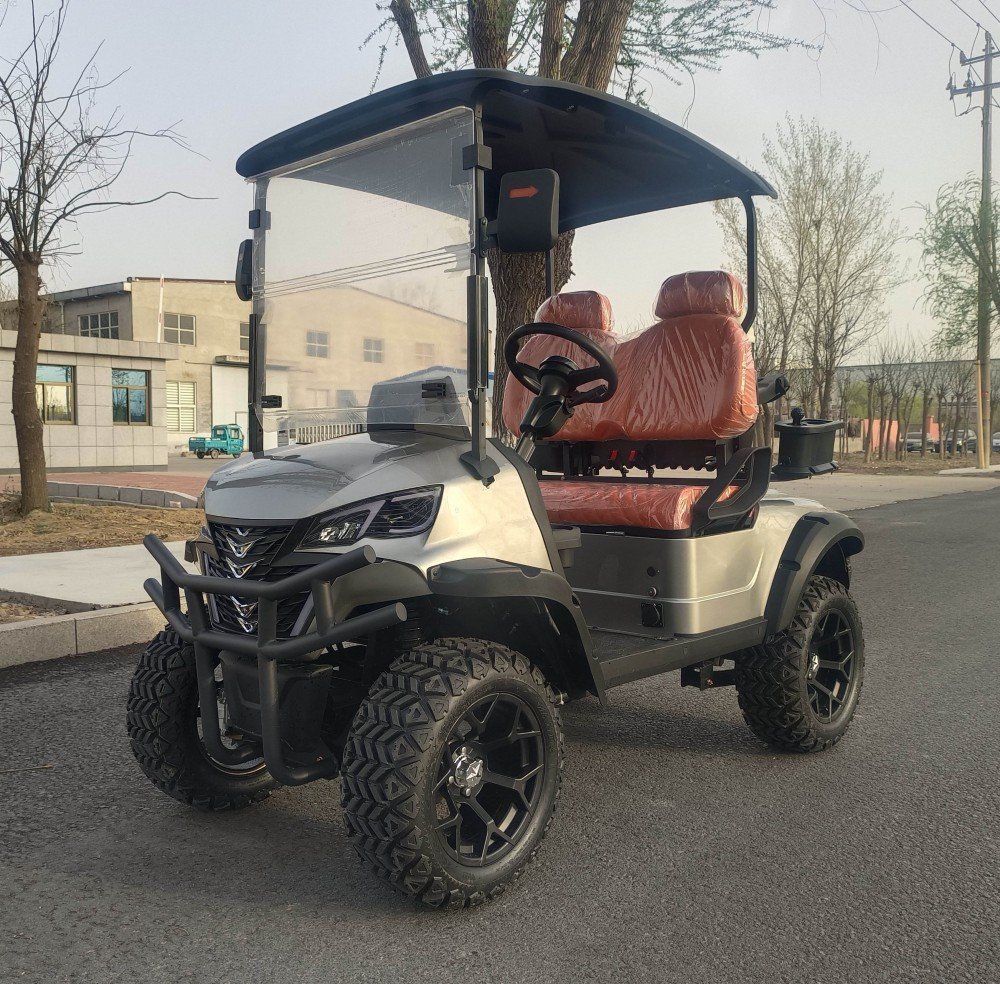
COM-04 Custom Golf Cart – Compact Lithium Electric Golf Cart for Resorts
- Powerful 5,000W AC Electric Motor for reliable performance
- 48V 150Ah Lithium Battery with long service life
- Up to 49 Miles Driving Range on a single charge
- Top Speed of 29 MPH for efficient transportation
- Rear-Wheel Drive (RWD) for stable handling
- Independent MacPherson Front Suspension for a smooth ride
- Heavy-Duty Brake System for enhanced safety
- Multiple Color & Customization Options
- Low Maintenance & Zero Emission Electric Drive
Summary and Comparison Tables
| Critical Component | Standard to Demand | What to Avoid |
|---|---|---|
| Chassis Material | Hot-Dip Galvanized Steel or Aluminum | Painted raw steel (prone to rapid rusting) |
| Drivetrain | 4kW or 5kW AC Motor | Outdated DC Motors |
| Battery System | 48V/72V LiFePO4 with smart BMS | Unbranded Lithium or heavy Lead-Acid |
| Braking System | 4-Wheel Hydraulic Disc Brakes | Mechanical rear drum brakes only |
| Feature | Domestic Legacy Brand | Top-Tier Custom Golf Cart Builder (China) |
|---|---|---|
| Dealer Profit Margins | Low to Moderate (10% – 20%) | Extremely High (40% – 60%+) |
| Lithium Integration | Expensive Upcharge | Standard Equipment |
| Custom Features (Lift Kits, Screens) | Done post-factory at dealer level (High labor) | Installed on assembly line (Low cost) |
| Lead Times | Fast (if in local stock) | Slow (60 – 90 Days for ocean freight) |
| Warranty Labor | Reimbursed by manufacturer | Dealer must cover labor costs internally |
| Pros (Advantages) | Cons (Limitations) |
|---|---|
| Massive reduction in capital expenditure for fleet buyers. | Requires navigating customs, tariffs, and freight forwarders. |
| Ability to completely private-label and brand your own vehicles. | High Minimum Order Quantities (MOQ); usually requires full containers. |
| Access to cutting-edge tech (touchscreens, AC drives) at base prices. | Requires in-house mechanics to handle maintenance and parts swapping. |
| Direct factory relationship allows for unique chassis modifications. | Subject to uncontrollable global shipping delays and port strikes. |
Frequently Asked Questions
Are Chinese golf carts street legal in the United States?
A custom golf cart builder can manufacture a cart to meet Low Speed Vehicle (LSV) requirements, meaning it includes a 17-digit VIN, DOT-approved windshield, seatbelts, turn signals, and a top speed of 25 MPH. However, you must verify that the specific manufacturer provides the proper Manufacturer’s Certificate of Origin (MCO) required by your local DMV to register the vehicle for street use.
How do I get replacement parts for a golf cart built overseas?
In most professional situations, a reputable manufacturer will require you to purchase a “spare parts package” alongside your container order. This package includes high-wear items like brake pads, windshields, controllers, and suspension bushings. For major components, top builders use universally recognized parts (like Curtis controllers or Trojan-compatible footprints) that can be easily sourced domestically if needed.
Is lithium better than lead-acid for a custom golf cart?
Unquestionably yes. Lithium Iron Phosphate (LiFePO4) batteries weigh roughly 70% less than a lead-acid bank, charge three times faster, require absolutely zero water maintenance, and boast a lifespan of 3,000 to 5,000 charge cycles compared to the 500 cycles of lead-acid. We recommend never buying a modern fleet without lithium power.
Authoritative Industry References
To ensure our operational advice aligns with global safety and manufacturing standards, we reference data from the following authoritative bodies:
- National Highway Traffic Safety Administration (NHTSA) – Federal guidelines and safety standards defining the requirements for Low Speed Vehicles (LSVs) and street-legal golf cart homologation.
- International Organization for Standardization (ISO) – ISO 9001 standards dictating the rigorous quality management systems required for legitimate automotive and NEV manufacturing facilities globally.
- American National Standards Institute (ANSI) – Collaborative standards developed with the OPEI (Outdoor Power Equipment Institute) regarding the performance, safety, and testing of golf cars and personal transport vehicles (ANSI/OPEI Z130.1).