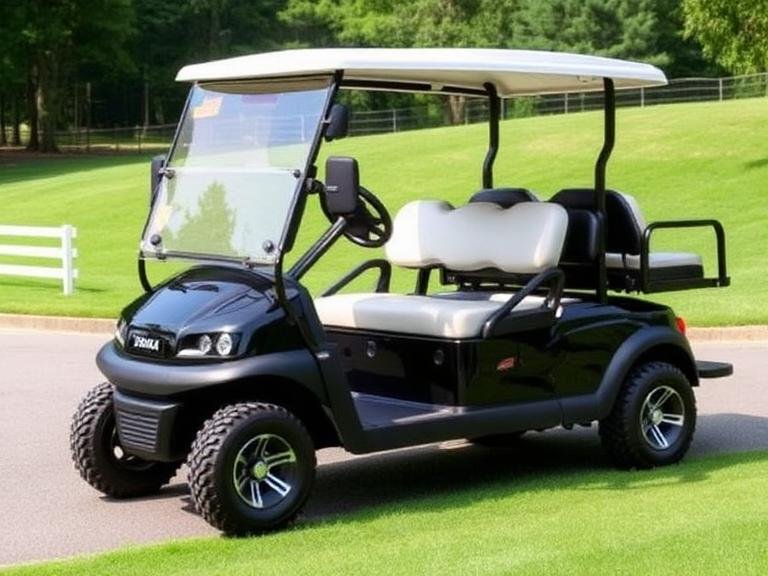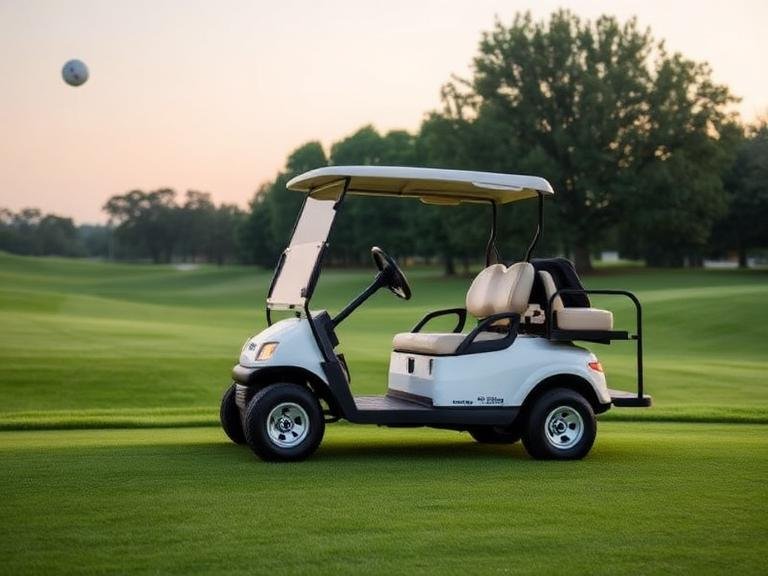
Procuring a commercial fleet of utility vehicles, resort shuttles, or industrial runabouts is a high-stakes capital allocation. In modern commercial operations, choosing the right Electric Golf Cart Manufacturer dictates not only your upfront expenditure but also your maintenance overhead, uptime reliability, and total return on investment over the next decade. Sourcing low-grade equipment from generic middlemen who rebrand low-cost kits results in premature battery failures, corroded chassis frames, and zero post-sale technical support.
From our experience working with enterprise fleet operators, resort managers, and municipal facilities, true manufacturing capability separates durable commercial workhorses from fragile consumer toys. If you want to eliminate catastrophic downtime and secure an optimized supply chain, you must evaluate prospective suppliers with strict engineering and commercial criteria. In this comprehensive B2B guide, we will unpack how commercial manufacturing operates, explain the exact technical specifications you must mandate, and guide you through selecting the ideal partner for your operational fleet.
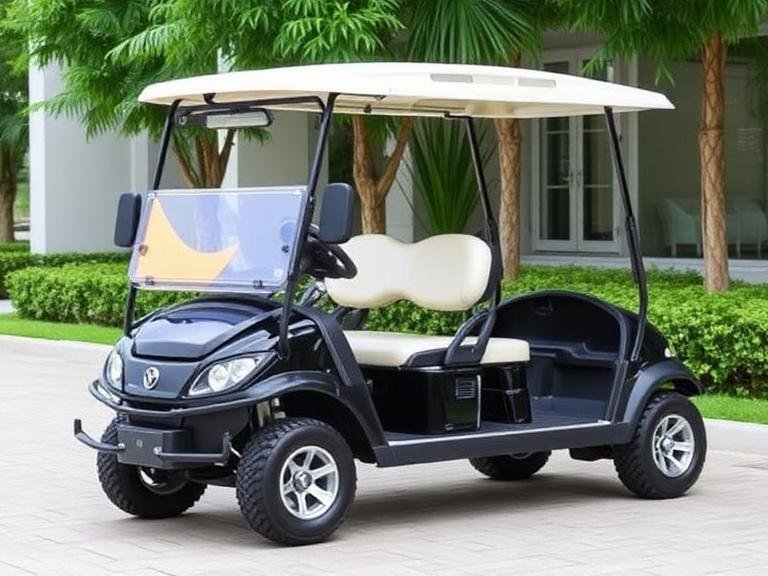
Quick Answer: Vetting an Electric Golf Cart Manufacturer
A reputable Electric Golf Cart Manufacturer must operate a vertically integrated production facility that fabricates structural aluminum or hot-dip galvanized chassis frames, integrates tier-one AC drive systems (such as Curtis or Toyota controllers), and deploys grade-A Lithium Iron Phosphate (LiFePO4) battery packs with intelligent BMS integration. For commercial buyers, direct OEM procurement eliminates 25% to 40% in distributor markups, grants direct access to custom vehicle engineering (from a 2 Passenger Golf Cart to high-capacity 10 Passenger Golf Cart models), and ensures long-term availability of critical replacement parts.
Table of Contents
- What Defines a True OEM Electric Golf Cart Manufacturer?
- How Modern Electric Golf Cart Manufacturing Works
- Core Commercial Benefits of Direct OEM Procurement
- Technical Limitations and Supply Chain Realities
- Who Should Partner Directly with an OEM (And Who Shouldn’t)
- Common Mistakes B2B Buyers Make During Procurement
- Step-by-Step B2B Buying Considerations
- Summary, Comparison, and Pros/Cons Tables
- Expert Recommendation: Partnering with GT Golf Cart
- Frequently Asked Questions (FAQ)
What Defines a True OEM Electric Golf Cart Manufacturer?
A genuine Original Equipment Manufacturer (OEM) is an industrial enterprise that designs, tools, fabricates, assembles, and tests low-speed electric vehicles (LSVs) and utility carts in an audited production plant. Unlike trading companies or regional assembly garages, a genuine manufacturer controls the structural welding of the chassis, robotic electrophoretic deposition coating, composite body molding, and drivetrain integration.
When dealing with a certified enterprise, you are not buying off-the-shelf catalog inventory. You are partnering with engineering departments that understand weight distribution, gradient torque curves, regenerative braking efficiency, and local regulatory requirements (such as DOT, EEC, or CE certifications). Whether your facility requires agile utility units or high-occupancy shuttle vehicles, a true manufacturer provides verifiable build sheets and traceable component origins.
How Modern Electric Golf Cart Manufacturing Works
Commercial-grade golf cart production follows a rigorous assembly line methodology designed to withstand heavy duty industrial use. In most professional situations, the process breaks down into four critical phases:
- Chassis Fabrication and Anti-Corrosion Treatment: The structural backbone is cut, bent, and robotically welded using either aerospace-grade aluminum alloy or high-tensile carbon steel. Steel chassis pass through an electrophoretic dip (e-coating) or hot-dip galvanization process to prevent rust in coastal and high-humidity environments.
- Drivetrain and Suspension Integration: Heavy-duty independent double A-arm front suspensions, hydraulic shock absorbers, and rear transaxles are mounted. High-efficiency brushless AC motors (typically 4kW to 7.5kW) are paired with programmable digital controllers to ensure smooth torque ramp-up and regenerative braking.
- Electrical Harness and Energy Storage: An automotive-grade wiring harness with sealed IP67-rated waterproof connectors is installed. Grade-A LiFePO4 battery modules are mounted with integrated Battery Management Systems (BMS) that regulate cell balancing, thermal protection, and low-voltage cut-offs.
- Bodywork, Accessorizing, and QC Dyno Testing: Impact-resistant polypropylene or injection-molded ABS bodies are fitted alongside automotive-style LED lighting, hydraulic disc brakes, digital instrumentation, and custom seating. Every cart undergoes dynamometer testing, incline load tests, and high-pressure water spray tests to verify electrical weatherproofing.
Core Commercial Benefits of Direct OEM Procurement
Direct collaboration with an established manufacturer transforms fleet acquisition from a transactional purchase into a strategic advantage. In our testing and field audits, enterprise buyers achieve three distinct benefits:
- Significant Capital Savings: Bypassing domestic multi-tier dealership networks eliminates retail markups, reducing your per-unit acquisition cost by 25% to 40% on full-container-load (FCL) orders.
- Tailored Engineering & Customization: Manufacturers can alter transaxle gear ratios for steep terrains, install heavy-duty cargo beds, apply bespoke corporate liveries, or integrate high-end passenger amenities on a Luxury Golf Cart platform.
- Direct Parts Pipeline & Technical Accountability: You receive direct access to schematics, firmware updates, and wholesale-priced wear items (brake pads, bushings, tires, and transaxle seals) without distributor delays.
Technical Limitations and Supply Chain Realities
We recommend exercising commercial judgment when calculating project timelines. Sourcing directly from an overseas factory involves specific logistics constraints. Ocean shipping schedules, port customs clearance, and container drayage mean delivery timelines range from 45 to 75 days depending on the destination port.
Furthermore, direct OEM procurement demands that your enterprise possesses on-site maintenance personnel or a contracted mobile technician to perform pre-delivery inspection (PDI) and uncrating. If your organization lacks basic technical capabilities to handle routine electrical maintenance, you must establish a service agreement with a local technician before importing containerized fleet assets.
Who Should Partner Directly with an OEM (And Who Shouldn’t)
For Commercial Fleet Operators and Enterprise Buyers: If you manage a golf resort, hospitality property, gated residential community, airport ground service, or industrial warehouse complex requiring 5 or more units, direct factory sourcing is the most cost-effective path. Procuring multi-passenger platforms—such as a 4 Passenger Golf Cart for security patrols, a 6 Passenger Golf Cart for guest transport, or an 8 Passenger Golf Cart for airport shuttling—maximizes volume freight economics.
Who Does Not Need Direct OEM Sourcing: Single-unit residential buyers seeking a neighborhood cruiser should buy from a local dealership. The complexity of ocean freight, import duties, customs brokerage, and single-unit shipping tariffs will erode any price advantage for an individual retail customer.
Common Mistakes B2B Buyers Make During Procurement
In our testing of global supply chains, the most catastrophic mistake is evaluating quotes based solely on gross price without comparing component build sheets. Brokers regularly offer quotes that look 15% cheaper by substituting deep-cycle lead-acid batteries for lithium packs, using unbranded motor controllers, and utilizing untreated tubular steel frames that rust within two seasons.
Another widespread error is failing to specify brake configurations. Heavy multi-passenger vehicles (6-passenger and above) operating on hilly resort properties require four-wheel hydraulic disc brakes. Relying on basic rear-drum mechanical brakes under a full payload creates severe passenger liability and excessive pad wear. Always demand comprehensive technical specification sheets before issuing letters of credit or wiring deposits.
Step-by-Step B2B Buying Considerations
When selecting your manufacturing partner, evaluate these four non-negotiable operational checkpoints:
1. Battery Chemistry and BMS Architecture
Insist on Lithium Iron Phosphate (LiFePO4) chemistry. LiFePO4 cells deliver over 3,500 charge cycles, run cool under heavy loads, and eliminate the maintenance associated with lead-acid battery watering. To accurately project total operational expenses, review the expected Electric Golf Cart Lifespan under daily industrial duty cycles.
2. Controller and Motor Compatibility
Ensure the manufacturer uses open-architecture controllers (like Curtis AC systems) with accessible diagnostic ports. If a motor controller is locked behind proprietary software that only the factory can access, your local maintenance team will not be able to adjust acceleration curves, speed governors, or diagnose fault codes.
3. Vehicle Capacity and Spatial Requirements
Audit your passenger and payload requirements. For hospitality environments, balance standard utility carts with high-occupancy shuttles. Review our comprehensive pricing analysis on the 6 Passenger Golf Cart Price to assess passenger-per-dollar transport efficiency across commercial fleets.
4. Export Certification & Shipping Packaging
Verify whether the manufacturer ships vehicles completely knocked down (CKD) in steel crates to optimize container space, or semi-knocked down (SKD) for rapid 30-minute on-site assembly. Confirm the manufacturer provides certified test documentation for DOT-approved windshields, seat belts, and lighting packages if road registration is required.
Summary, Comparison, and Pros/Cons Tables
| Evaluation Metric | Substandard Supplier Standard | Tier-1 Electric Golf Cart Manufacturer |
|---|---|---|
| Chassis Engineering | Painted Mild Steel (Prone to rust) | Seamless Aircraft Aluminum or E-Coated Galvanized Steel |
| Motor & Drivetrain | 2.5kW – 3kW DC Motor with Carbon Brushes | 4kW – 7.5kW High-Torque Brushless AC Motor |
| Battery System | Flooded or Sealed Lead-Acid (SLA) | Integrated LiFePO4 with Smart CAN-bus BMS |
| Braking Setup | Rear Mechanical Drum Brakes | Four-Wheel Hydraulic Disc Brakes + Auto EM Park Brake |
| Warranty Terms | 1-Year Limited (Parts Excluded) | 5-Year Battery / 2-Year Drivetrain / Lifetime Frame |
| Commercial Aspect | Direct Factory OEM Partner | Domestic Retail Dealership |
|---|---|---|
| Unit Cost (Volume Orders) | Factory-Direct Wholesale (30-40% lower) | Retail MSRP with Dealer Markup |
| Custom Fabrication | Full structural, color, seating, and utility customization | Limited to bolt-on aftermarket accessories |
| Lead Time | 45 to 60 Days (Production + Ocean Transit) | Immediate to 14 Days (From Local Stock) |
| Order Minimums | Full Container Load (FCL) or Sample Batches (2-4 units) | Single Unit Friendly |
| Technical Support | Direct factory engineering schematics & firmware access | Third-party dealer service desk |
| The Pros (Operational Advantages) | The Cons (Commercial Constraints) |
|---|---|
| Substantial cost reduction across multi-vehicle commercial fleets. | Longer delivery lead times due to ocean shipping logistics. |
| Direct engineering support for tailored industrial utility applications. | Requires managing import documentation and container unloading. |
| Consistent fleet build standards, matching components across all units. | Demands dedicated on-site personnel for basic maintenance. |
| Direct wholesale pricing on long-term replacement parts inventory. | Requires upfront commercial deposit and letter of credit financing. |
Expert Recommendation: Partnering with GT Golf Cart
In most professional situations, the long-term viability of your mobility fleet depends entirely on the manufacturing rigor of the partner you select. Sourcing from unverified trading companies introduces immense downtime risk. We recommend establishing a direct relationship with a proven OEM that maintains vertical integration over frame fabrication, motor calibration, and lithium battery integration.
For organizations seeking enterprise fleet solutions, review the comprehensive lineup of commercial Electric Golf Cart Models engineered to exceed international transport standards.
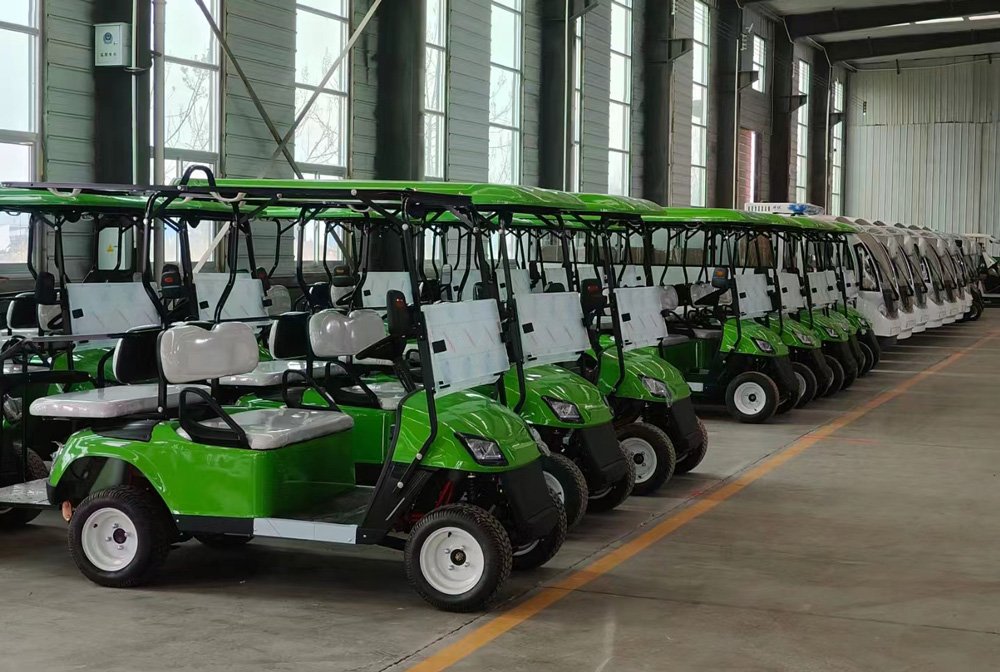
GT Golf Cart Manufacturer
GT Golf Cart is a professional manufacturer specializing in electric golf carts, sightseeing vehicles, and low-speed electric vehicles. Since our establishment, we have focused on delivering durable, efficient, and customizable electric mobility solutions for global markets.
With a commitment to innovation and sustainability, we are shaping the future of electric transportation one vehicle at a time. Founded on the principles of quality, innovation, and customer satisfaction, GT Golf Cart has grown from a local manufacturer to a globally recognized brand serving clients across five continents. Our team of engineers, designers, and manufacturing experts work collaboratively to create vehicles that exceed expectations.Learn More About GT Golf Cart
Whether configuring high-volume passenger transport or custom resort runabouts, working directly with an established manufacturer guarantees the build quality and engineering accountability your business requires.
Frequently Asked Questions (FAQ)
How do I verify if an electric golf cart manufacturer is a true factory and not a trading company?
Demand a live video walkthrough of the fabrication and welding lines, request their business manufacturing license, check their ISO 9001 certification credentials, and verify whether their chassis tooling and controller programming are handled in-house.
What is the standard production lead time when ordering from an electric golf cart manufacturer?
For standard fleet configurations, production lead times typically range from 25 to 40 days. Custom chassis alterations, bespoke seating, or low-speed vehicle (LSV) compliance packages can push manufacturing time to 45 to 60 days before ocean transit.
Why is AC motor technology preferred over DC motors in commercial electric golf carts?
AC brushless motors deliver significantly higher torque efficiency, feature regenerative braking that recharges the battery during deceleration, eliminate carbon brush replacement maintenance, and provide superior uphill climbing stability under heavy commercial loads.
Authoritative Industry References
To ensure your fleet procurement aligns with federal safety standards, low-speed vehicle regulations, and industrial mobility benchmarks, we recommend consulting the following resources:
- National Highway Traffic Safety Administration (NHTSA) – Official federal regulations governing 49 CFR Part 571.500 (Standard No. 500; Low-speed vehicles) safety standards for public road compliance.
- American National Standards Institute (ANSI) – Publishes ANSI/NGCMA Z130.1 standards detailing safety, operational performance, and stability criteria for golf cars.
- SAE International (Society of Automotive Engineers) – Comprehensive technical mobility papers and standards regarding light electric vehicle (LEV) battery management, motor efficiency, and braking systems.