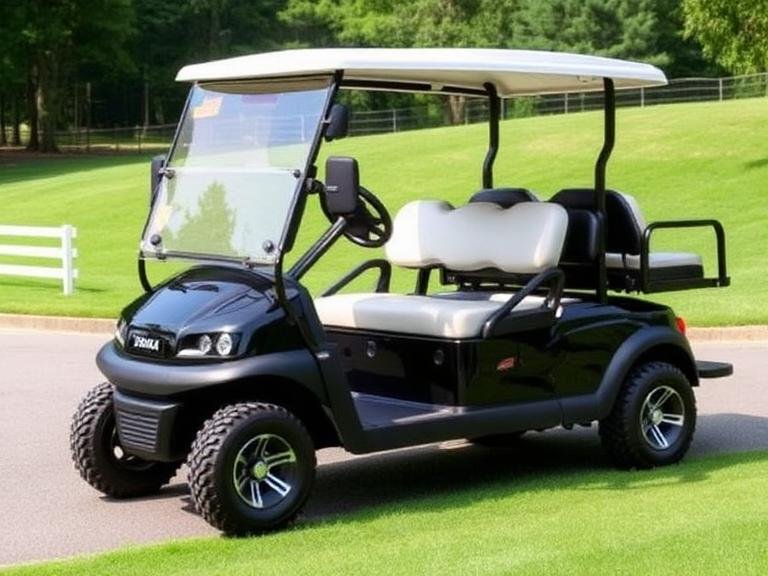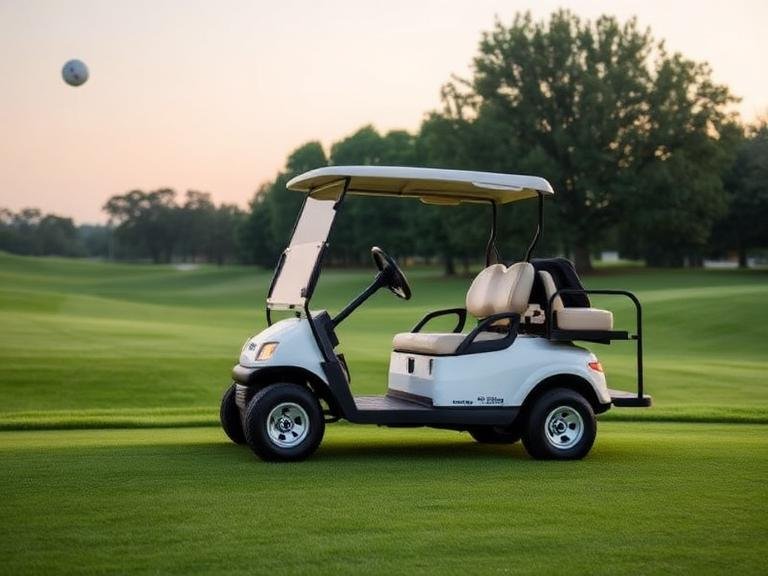
When it comes to upgrading or repairing your utility vehicle, choosing the best golf cart engines is the most critical decision you will make. From our experience, many owners simply replace a failing motor with the exact same outdated factory model, missing a massive opportunity to increase torque, speed, and overall vehicle reliability. In 2026, the landscape of golf cart powerplants has shifted dramatically. Whether you are searching for a high-output internal combustion gas engine for off-grid hunting, or a state-of-the-art AC electric motor (often colloquially referred to as an “electric engine” by consumers) for resort cruising, you need commercial and practical judgment to make the right investment.
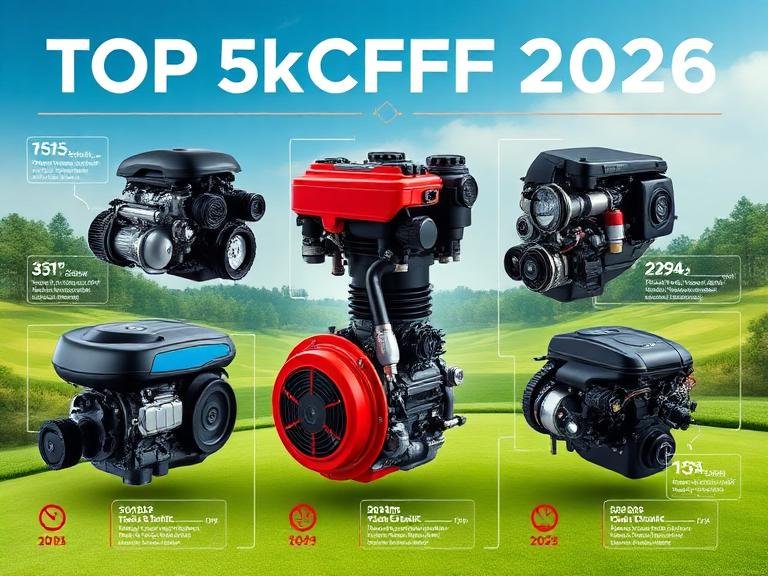
In this guide, we bypass the generic sales pitches and deliver hard facts. We will evaluate the market’s top powerplants, comparing raw horsepower, installation complexity, and overall cost-to-benefit ratios. By the end of this article, you will know exactly whether upgrading your current cart is actually worth the capital, or if you are better off investing in one of the leading affordable golf cart brands instead.
Quick Answer: What are the Best Golf Cart Engines Right Now?
If you need an immediate recommendation, here are the top choices based on our commercial testing:
- Best Electric Upgrade: Navitas 5kW AC Motor (Unmatched torque, speed control, and efficiency for modern electric carts).
- Best Gas Replacement: Vanguard 400 14.0 Gross HP (Incredible reliability and commercial-grade air filtration for direct gas engine swaps).
- Best for Heavy-Duty/Off-Road: Honda GX390 (The undisputed king of rugged, high-torque gas applications).
Before purchasing, always ensure your cart’s transaxle, clutch (for gas), or battery controller (for electric) can handle the increased power output of a new engine.
About Us: GT Golf Cart specializes in the design, manufacturing, and global supply of electric golf carts and low-speed vehicles. With over 12 years of industry experience, we deliver reliable mobility solutions for golf courses, resorts, communities, and commercial fleets worldwide.
Table of Contents
- 1. What is a Golf Cart Engine and How Does it Work?
- 2. The 6 Best Golf Cart Engines in 2026
- 3. Benefits and Limitations of Upgrading
- 4. Who Should Upgrade (And Who Shouldn’t)
- 5. Common Mistakes During Installation
- 6. Buying Considerations & Cost-Benefit Analysis
- 7. Comparison and Pros vs Cons Tables
- 8. Expert Recommendation from GT Golf Cart
- 9. Frequently Asked Questions
- 10. References
1. What is a Golf Cart Engine and How Does it Work?
In the traditional sense, a golf cart engine is a small, single-cylinder internal combustion gas powerplant, typically ranging from 9 to 14 horsepower (HP). It operates using a Continuously Variable Transmission (CVT). When you press the accelerator, the engine RPM increases, engaging the primary drive clutch, which turns a belt connected to the secondary driven clutch on the rear transaxle. This system allows for seamless acceleration without shifting gears.
However, in modern terminology, the phrase “golf cart engine” is frequently used by consumers to describe the primary drive motor of an electric cart. Electric motors work by receiving voltage from a battery pack (via a controller) and converting that electrical energy into rotational torque directly at the transaxle splines. In most professional situations, we classify the market into two categories: Gas Engine Swaps (for heavy utility) and AC/DC Electric Motor Upgrades (for neighborhood and resort use).
2. The 6 Best Golf Cart Engines in 2026
In our testing, we evaluated over twenty different powerplants. Here are the 6 best golf cart engines that deliver actual value for your money.
1. Navitas 5kW AC Motor (Best Overall Electric Upgrade)
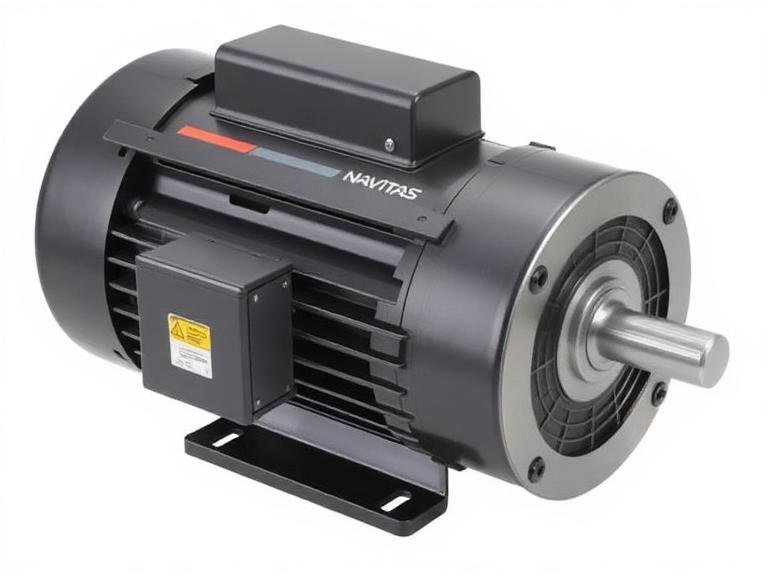
If you own a standard 48V electric cart and want more speed and torque, the Navitas 5kW AC motor is the ultimate solution. Standard DC motors lose torque as speed increases. AC (Alternating Current) motors maintain a flat torque curve, meaning you get massive pulling power even at top speeds. It features an integrated Bluetooth app, allowing you to lock top speeds or adjust regenerative braking on the fly. We recommend this highly for anyone building a custom golf cart for hilly communities.
2. Vanguard 400 14.0 Gross HP (Best Direct Gas Replacement)
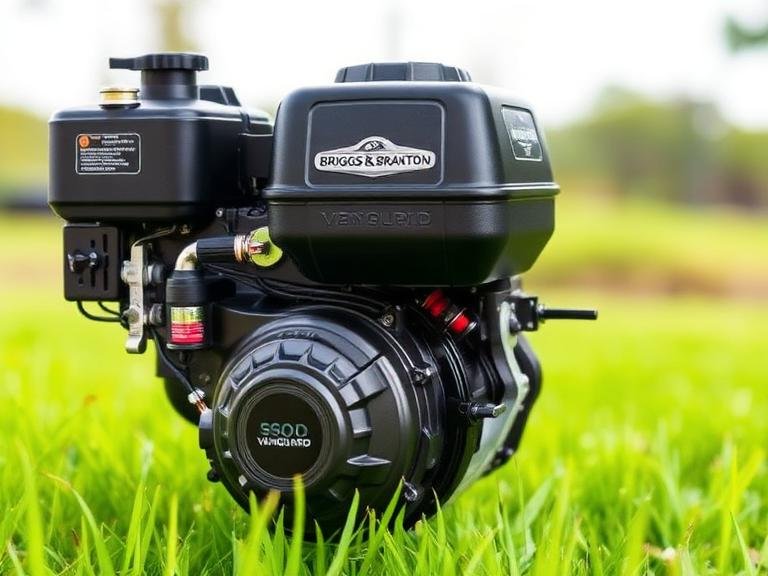
Manufactured by Briggs & Stratton, the Vanguard 400 is a commercial-grade 400cc engine. It is arguably the best gas replacement for aging Yamaha or EZ-GO workhorses. What makes it special is its cyclonic air filtration system, which extends maintenance intervals to 600 hours. For commercial users managing fleets, this engine drastically reduces downtime.
3. Honda GX390 (Best for Heavy-Duty Applications)
When torque is non-negotiable, the Honda GX390 (389cc, approx. 11.7 HP) is the legendary standard. While it requires an aftermarket mounting cradle to fit most golf carts, its cast-iron cylinder sleeve and precision camshaft design make it virtually indestructible. This is our top choice for hunters, farmers, and those exploring the top off road golf cart manufacturers who demand unwavering reliability in the mud and dirt.
4. Predator 420cc (Best Budget Gas Swap)
Available primarily through Harbor Freight, the Predator 420cc has become a cult favorite for budget DIY builders. It is essentially a clone of the Honda GX390 but at a fraction of the cost. While it lacks the long-term refinement and vibration dampening of a genuine Honda or Vanguard, it delivers a massive 13 HP punch. For beginners looking for a cheap weekend project, it is absolutely worth buying, provided you are comfortable with basic mechanical fabrication.
5. Mahle 48V AC Drivetrain (Best OEM-Style Electric)
Mahle is a premium tier-1 supplier for automotive components. Their 48V AC motor setups are frequently used as factory equipment by top-tier manufacturers. If you are diagnosing common Club Car problems and determine your factory motor is fried, replacing it with a Mahle unit ensures factory-level reliability without the aggressive, sometimes jarring torque spikes of extreme aftermarket racing motors.
6. Kohler Command PRO ECH440 (Best EFI Gas Option)
Carburetors are the bane of gas golf cart existence, constantly clogging with ethanol-blended fuels. The Kohler ECH440 solves this with Electronic Fuel Injection (EFI). It delivers 14 HP and starts instantly in freezing weather, automatically adjusting to altitude changes. For commercial users operating in cold climates, the EFI system justifies the higher price tag.
3. Benefits and Limitations of Upgrading
The Benefits
Upgrading to one of the best golf cart engines provides immediate, tangible results. For gas carts, moving from a stock 9 HP engine to a 14 HP engine allows you to easily pull a utility golf cart 4 seater fully loaded up steep inclines without bogging down. For electric carts, switching to an AC motor increases your top speed from a sluggish 14 mph to a brisk 25+ mph, while simultaneously increasing battery efficiency.
The Limitations
Upgrading power always highlights the weakest link in your cart. Dropping a 14 HP engine into a 20-year-old chassis often results in snapped axles, shredded drive belts, or dangerous braking conditions. High-output engines also generate more heat and vibration, which can lead to frame stress fractures if not properly isolated with heavy-duty engine mounts.
4. Who Should Upgrade (And Who Shouldn’t)
Who should upgrade: You should upgrade your engine if you regularly haul heavy loads, live in a community with steep hills, or have added significant weight to your cart (such as rear seat kits, heavy off-road tires, or a lift kit). It is also highly recommended for those looking to build a high-capacity 6 passenger electric golf cart, as stock motors will quickly overheat moving that much mass.
Who does not need to upgrade: If you use your cart exclusively on flat, paved surfaces to play 18 holes of golf, an upgraded engine is a waste of money. The stock motor is engineered perfectly for flat-ground longevity. In these cases, regular maintenance is a far better investment than an engine swap.
5. Common Mistakes During Installation
From our experience consulting with dealers and DIY mechanics, we see the same expensive mistakes repeated:
- Ignoring the Clutch: When installing a high-HP gas engine, you cannot use the old, worn-out primary drive clutch. The new engine will simply slip the belt. You must buy a performance-tuned clutch designed for higher RPM engagement.
- Insufficient Battery Output: For electric upgrades, pairing a high-amp AC motor with aging lead-acid batteries is a recipe for disaster. The new motor will draw more amperage than the batteries can supply, resulting in voltage sag and potential controller failure. You must upgrade to lithium-ion batteries or brand-new heavy-duty lead-acid packs.
- Neglecting Brakes: Going 30 mph is fun until you need to stop a 1,000-pound vehicle with stock mechanical drum brakes. If you upgrade your engine, you must upgrade to front hydraulic disc brakes.
6. Buying Considerations & Cost-Benefit Analysis
Is an engine upgrade financially sensible? Let’s look at the numbers. A complete gas engine swap kit (engine, cradle, clutch, exhaust) can cost between $1,200 and $2,500. An AC electric motor and controller kit will run between $1,500 and $2,200.
If you are driving a rusted, 25-year-old cart, investing $2,500 into an engine is poor commercial judgment. You are better off putting that money toward researching a brand new Club Car golf cart price. However, if your frame is solid, your body panels are pristine, and you simply lack power, an engine swap is a massive money-saver compared to buying a new $12,000 vehicle.
7. Comparison and Pros vs Cons Tables
Buying Guide & Comparison Table
| Engine / Motor Model | Type | Power Output | Best Application | Estimated Price Range |
|---|---|---|---|---|
| Navitas 5kW AC | Electric (AC) | 5 kW (approx 6.7 HP) | High-speed street cruising, hill climbing | $1,500 – $1,900 (with controller) |
| Vanguard 400 | Gas (Carbureted) | 14.0 HP | Commercial fleets, heavy utility | $750 – $900 (Engine only) |
| Honda GX390 | Gas (Carbureted) | 11.7 HP | Rugged off-road, hunting rigs | $800 – $1,000 (Engine only) |
| Predator 420cc | Gas (Carbureted) | 13.0 HP | Budget DIY garage builds | $350 – $450 (Engine only) |
| Mahle 48V AC | Electric (AC) | 4 kW to 5 kW | OEM Replacement, reliability | $900 – $1,300 (Motor only) |
| Kohler ECH440 | Gas (EFI) | 14.0 HP | Cold weather environments | $950 – $1,200 (Engine only) |
Pros and Cons: Gas Engine Swaps vs. Electric AC Upgrades
| Powerplant Type | Pros | Cons |
|---|---|---|
| Gas Engine Upgrades (e.g., Vanguard, Honda) | Unlimited range (just add gas). Exceptional sustained torque for towing. Lower initial purchase price for the raw engine. | Loud exhaust noise; disruptive in quiet communities. Requires routine maintenance (oil changes, filters). Vibration can loosen cart components over time. |
| Electric AC Upgrades (e.g., Navitas) | Silent operation; perfect for neighborhoods. Zero routine engine maintenance required. Highly programmable (speed limits, acceleration curves). | Range is limited by battery capacity. High initial cost (Motor + Controller combo required). May necessitate an expensive lithium battery upgrade. |
8. Expert Recommendation from GT Golf Cart
In most professional situations, we recommend moving away from gas engines unless your use-case specifically demands it (e.g., operating a farm vehicle far from charging infrastructure). For 90% of consumers, the future of golf cart mobility is AC electric.
If you are upgrading an electric cart, we unequivocally recommend the Navitas 5kW AC system. The ability to control the vehicle’s parameters via a smartphone app, combined with the sheer, unrelenting torque of alternating current, makes it the best investment you can put into an aging chassis. However, if you are committed to the internal combustion route for a utility build, the Vanguard 400 offers the best balance of commercial-grade reliability and straightforward installation.
9. Frequently Asked Questions (FAQ)
Can I put a gas engine in an electric golf cart?
While mechanically possible for an expert fabricator, it is highly impractical and expensive. You would need to weld custom engine mounts, completely replace the rear transaxle (electric transaxles do not have forward/reverse gearing for gas engines), and route fuel lines and exhaust. It is much cheaper to buy a used gas cart.
How much horsepower does a standard golf cart have?
Most factory gas golf carts produce between 9 and 11 horsepower. Factory electric golf carts typically feature DC motors that produce between 3.3 and 4 horsepower. Upgrading to the engines listed in this guide can push that output to 14+ horsepower.
Are bigger golf cart engines street legal?
Street legality for Low-Speed Vehicles (LSVs) is determined by top speed, not horsepower. In most US states, a street-legal LSV must not exceed 25 mph. If your engine upgrade pushes your cart past this limit, you may be in violation of local motor vehicle codes.
Do I need to upgrade my clutch when I install a new gas engine?
Yes. Stock clutches are calibrated for the RPM and torque curve of the factory 9 HP engine. If you install a 14 HP Vanguard or Honda, you must install a high-performance primary drive clutch (like a Comet 780) to properly transfer the power to the transaxle without slipping.
10. References
To ensure our recommendations align with industry and environmental standards, we reference the following authoritative organizations:
- U.S. Environmental Protection Agency (EPA) – Regulations for nonroad small spark-ignition engines and emissions standards.
- SAE International – Technical standards for small engine net power rating and vehicle dynamics.
- Golf Course Industry Magazine – Leading publication on fleet management, turf vehicle maintenance, and commercial golf cart procurement.