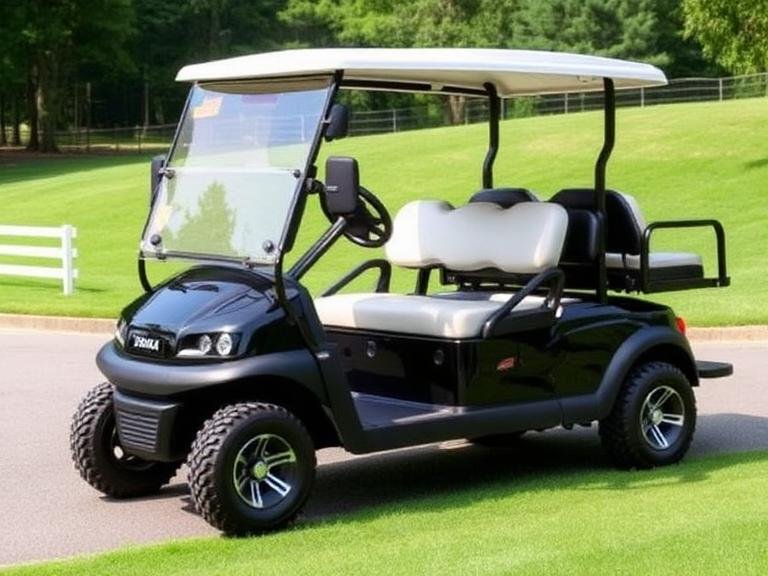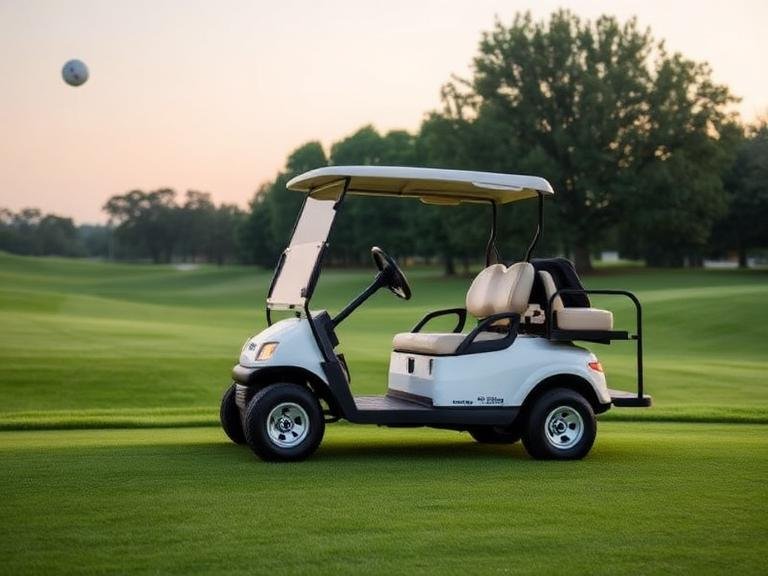
For both seasoned golfers and course management professionals, navigating the intricate rules of golf course etiquette is essential for maintaining the pristine condition of the fairways. Among the most frequently misunderstood regulations is the 90 rule for golf carts. From our experience at GT Golf Cart, adhering to this specific driving protocol is not just a matter of courtesy; it is a critical component of turf preservation, fleet maintenance, and overall operational efficiency.
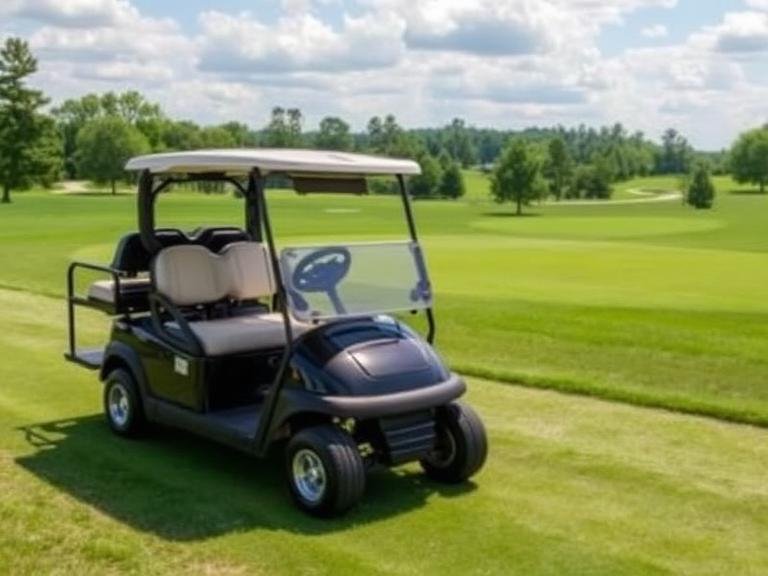
As a professional manufacturer specializing in electric golf carts, sightseeing vehicles, and low-speed electric vehicles, GT Golf Cart understands the profound impact that vehicle usage has on diverse terrains. Since our establishment, we have focused on delivering durable, efficient, and customizable electric mobility solutions for global markets. Our engineering teams study course wear-and-tear extensively, and we recommend that every golfer and fleet manager fully understand the mechanics behind the 90 rule for golf carts to maximize both the lifespan of the turf and the vehicles themselves.
Table of Contents
- What Exactly is the 90 Rule for Golf Carts?
- Why Golf Courses Enforce the 90 Rule for Golf Carts
- How to Execute the 90 Rule Properly
- The Impact of the 90 Rule on Vehicle Maintenance
- The GT Golf Cart Difference: Engineering for the Course
- Choosing the Right GT Golf Cart for Your Needs
- Summary Table: Etiquette vs. Maintenance
- Frequently Asked Questions (FAQs)
- References
What Exactly is the 90 Rule for Golf Carts?
The 90 rule for golf carts is a specific driving directive implemented by golf course superintendents to strike a balance between player convenience and turf protection. When a course posts signs stating that the 90 rule for golf carts is in effect, it means that drivers are required to keep their vehicles on the designated paved or gravel cart path for the majority of the hole’s length.
Players must drive along the path until they are exactly parallel to where their golf ball rests on the fairway or rough. At that exact point, the driver turns the vehicle at a 90-degree angle, driving straight across the grass to the ball. After the shot is played, the driver must turn the vehicle around and drive straight back to the cart path using the same 90-degree angle trajectory, minimizing the total distance traveled on the delicate grass. From our experience, misunderstanding this rule often leads to players diagonally crossing the fairway, which defeats the entire purpose of the regulation by maximizing tire contact with the turf.
Why Golf Courses Enforce the 90 Rule for Golf Carts
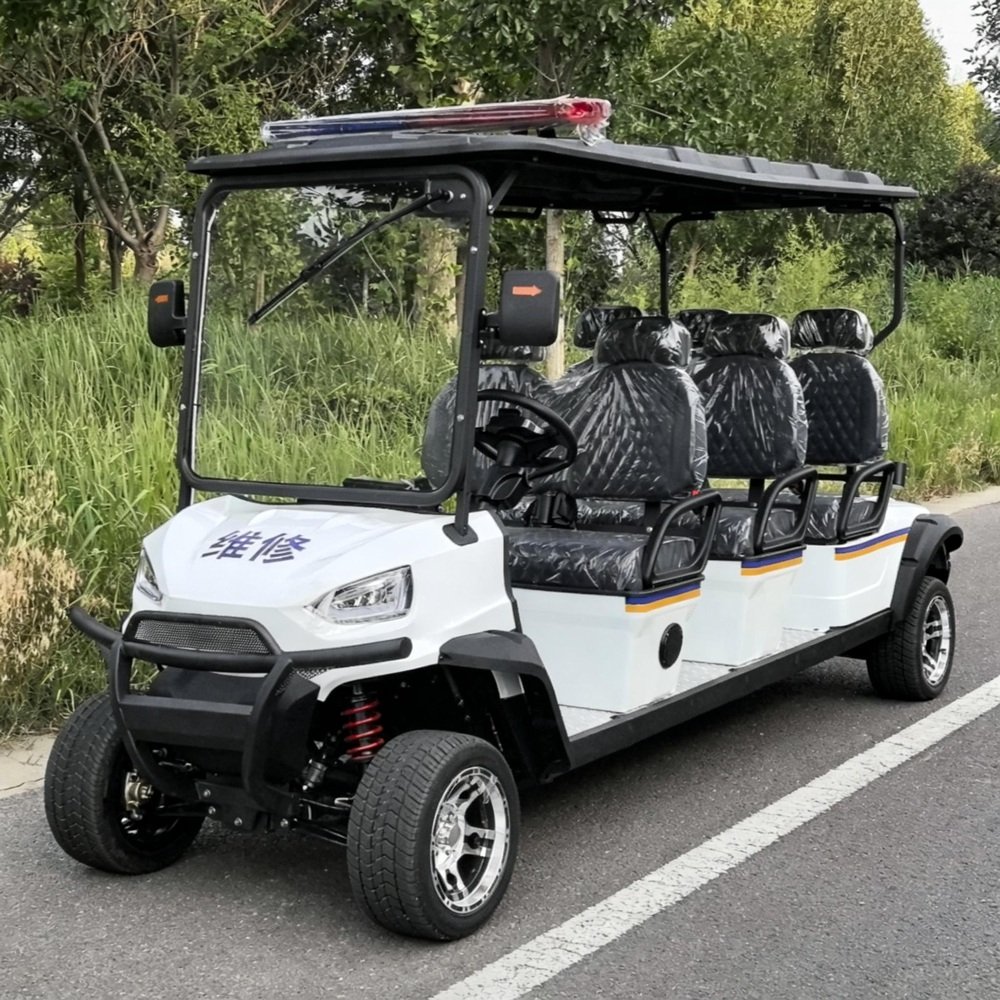
We recommend viewing the 90 rule for golf carts through the lens of agronomy and course sustainability. Golf course fairways are engineered landscapes that require immense chemical, hydraulic, and physical maintenance. There are three primary reasons why this rule is universally enforced:
- Preventing Soil Compaction: A fully loaded vehicle, such as a 4 Passenger Golf Cart or a 6 Passenger Golf Cart, exerts significant downward pressure on the soil. Continuous diagonal driving compacts the soil, squeezing out essential oxygen and water, which eventually kills the grass roots. The 90 rule for golf carts limits this compaction to straight, localized lines.
- Moisture Management: After heavy rains or morning dew, the fairways become exceptionally vulnerable. Tires can easily shear the wet grass blades from their roots. By enforcing the 90 rule for golf carts, courses allow players to still use their vehicles without turning the fairway into a muddy thoroughfare.
- Aesthetic Preservation: The visual appeal of a golf course is one of its most valuable assets. Crisscrossing tire tracks ruin the pristine striping patterns created by course mowers. The 90 rule for golf carts ensures that any tire impressions are perpendicular to the tee box, remaining largely invisible from the golfer’s perspective.
How to Execute the 90 Rule Properly
To ensure you are fully compliant with course etiquette, it is vital to execute the maneuver flawlessly. As experts in vehicle maneuverability, we advise the following steps when operating under the 90 rule for golf carts:
- Stay on the Path: Accelerate smoothly along the designated cart path from the tee box. Resist the urge to veer onto the grass prematurely.
- Identify the Perpendicular Line: Drive until your vehicle is directly aligned with your golf ball.
- Execute a Sharp Turn: Turn the steering wheel to create a sharp 90-degree angle. Proceed straight toward the ball. Avoid harsh acceleration to prevent tire spin, which can instantly tear the turf.
- Park Responsibly: Park the vehicle safely beside the ball, avoiding steep inclines or soft, wet patches.
- Return on the Same Path: Once the shot is completed, do not drive forward toward the green on the grass. Instead, drive straight back to the cart path at a 90-degree angle, then continue your journey on the pavement.
The Impact of the 90 Rule on Vehicle Maintenance
From an engineering and manufacturing standpoint, the 90 rule for golf carts also plays a significant role in vehicle longevity. When a fleet is constantly driven over uneven, soft, or muddy terrain, the strain on the battery, suspension, and steering components increases exponentially.
By keeping the vehicles on the smooth cart path for 80% of the journey, the rolling resistance is drastically reduced. This directly translates to improved battery efficiency. An Electric Golf Cart will yield far more holes per charge when operated on pavement compared to thick Bermuda or Rye grass. Furthermore, the sharp, deliberate turns required by the 90 rule for golf carts necessitate highly responsive steering systems and durable suspension—elements that GT Golf Cart integrates into every model we produce.
Expert Insight: We recommend that fleet managers actively enforce the 90 rule for golf carts not just for the grass, but to reduce warranty claims and maintenance overhead. Less time on the grass means less debris in the undercarriage, fewer punctures, and extended tire life.
The GT Golf Cart Difference: Engineering for the Course
As a leader in the industry, GT Golf Cart provides comprehensive mobility solutions. We bring over 12+ Years of Experience to the manufacturing floor. Our logistics network moves 10+ Containers Monthly to satisfy demand across 40+ Countries Served. We do not just build vehicles; we engineer solutions that respect the environments in which they operate.
Our chassis designs distribute weight evenly, ensuring that when our vehicles transition from the path to the fairway under the 90 rule for golf carts, the footprint impact is minimized. Whether it is an upgraded suspension system on our heavy-duty models or the precision steering on our standard fleet vehicles, GT Golf Cart ensures ultimate control and minimal turf disruption.
Choosing the Right GT Golf Cart for Your Needs
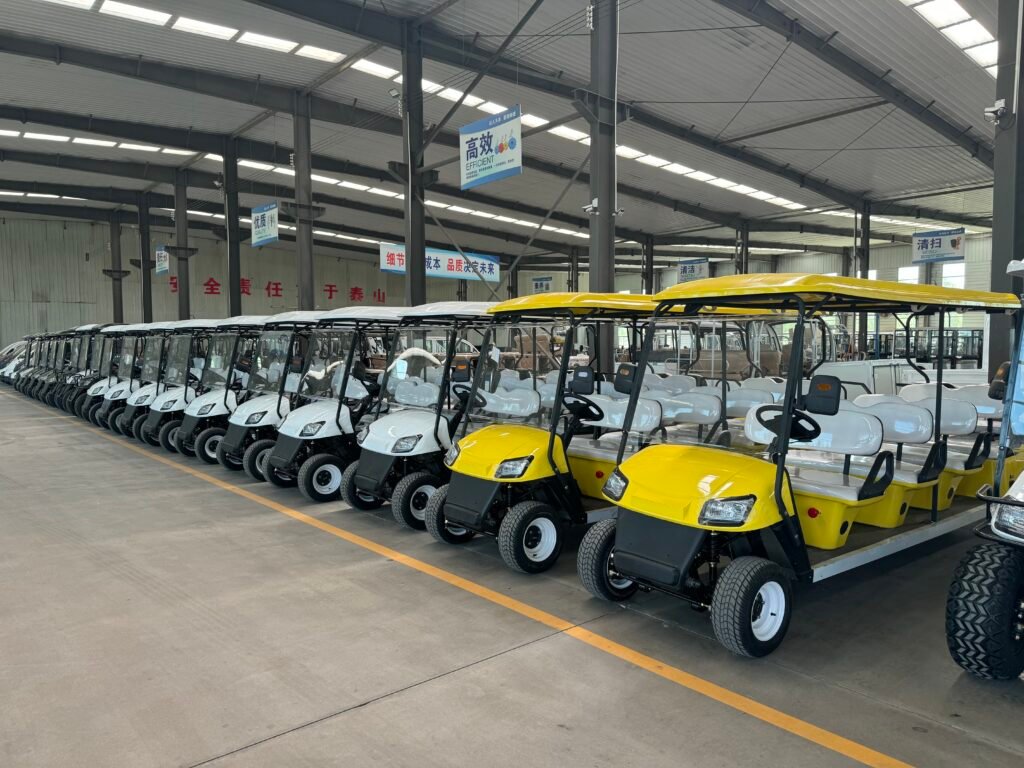
Because different courses and facilities have unique topographical challenges, we offer a diverse range of vehicles tailored to specific operational demands. Adhering to the 90 rule for golf carts is effortless when you select the right model from our extensive catalog:
- 2 Passenger Golf Cart: The standard for traditional golf course fleets, offering lightweight agility and minimal soil compaction.
- 4 Passenger Golf Cart: Perfect for double-foursomes or families, featuring enhanced battery capacity to handle the extra payload.
- 6 Passenger Golf Cart & 8 Passenger Golf Cart: Ideal for resorts and large campus tours, engineered with robust transaxles to maintain stability on 90-degree turns.
- 10 Passenger Golf Cart: Our premium high-capacity sightseeing vehicle, designed with wide tires to disperse weight effectively.
- Luxury Golf Cart: Features premium seating, advanced digital displays, and customized aesthetics for upscale country clubs.
- Street Legal Golf Cart: Equipped with DOT-approved windshields, seatbelts, and lighting, transitioning seamlessly from neighborhood roads to the golf course.
- Electric Golf Cart: The eco-friendly backbone of our brand, utilizing advanced lithium or deep-cycle lead-acid batteries for maximum efficiency on the cart paths.
- Special Golf Cart: Modified utility beds and specialized attachments for course maintenance crews who must adhere to the 90 rule for golf carts while carrying heavy tools.
- Off Road Golf Cart: Lifted suspensions and aggressive tread patterns for hunting or navigating rugged properties outside the traditional golf course setting.
- Commercial Golf Cart: Heavy-duty payload capacities for industrial sites, security patrols, and facility management.
- Custom Golf Cart: Tailor-made designs where we work directly with clients to match specific branding, performance, and terrain requirements.
Summary Table: Etiquette vs. Maintenance
To summarize the dual benefits of this crucial regulation, we have provided a quick-reference table below illustrating how the 90 rule for golf carts benefits both the facility and the vehicle.
| Impact Area | Without the 90 Rule (Diagonal Driving) | With the 90 Rule Enforced |
|---|---|---|
| Turf Health | High soil compaction, widespread dead grass. | Minimal localized impact, roots remain oxygenated. |
| Battery Efficiency | High energy drain due to constant grass resistance. | Extended battery range by utilizing smooth paved paths. |
| Course Aesthetics | Crisscrossing tire marks ruin fairway striping. | Pristine fairways with invisible, perpendicular access tracks. |
| Vehicle Suspension | Accelerated wear from constant uneven terrain bumps. | Reduced stress on shocks, struts, and steering racks. |
Frequently Asked Questions (FAQs)
References
1. United States Golf Association (USGA) – Agronomy and Turfgrass Management Guidelines.
2. GT Golf Cart Internal Engineering and Fleet Maintenance Data, 2023.
3. Golf Course Superintendents Association of America (GCSAA) – Best Management Practices for Vehicle Traffic.
“`