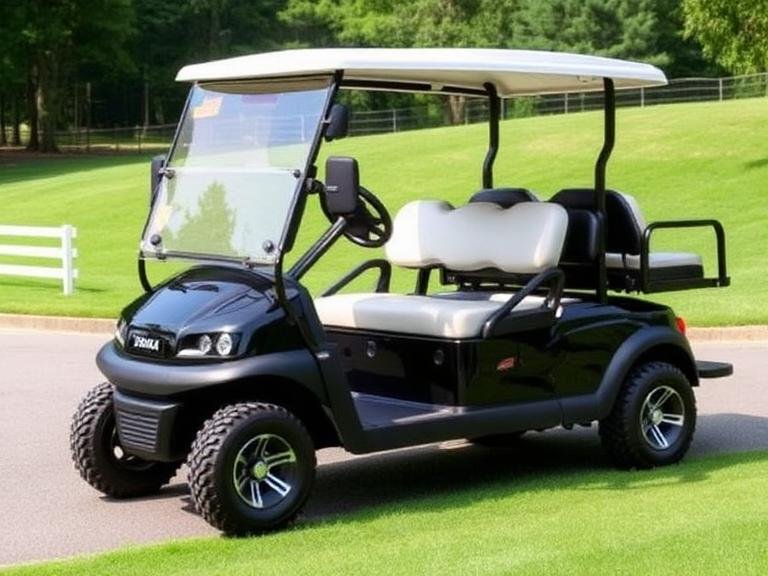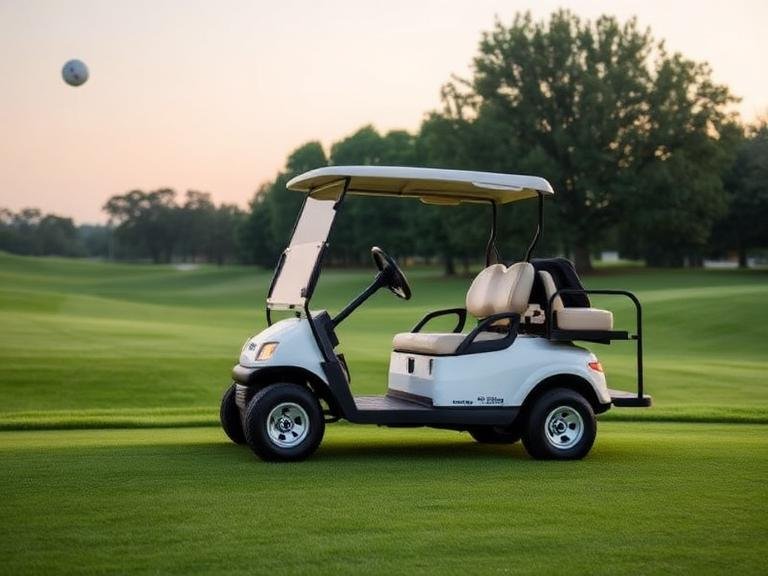
As a professional manufacturer specializing in electric golf carts, sightseeing vehicles, and low-speed electric vehicles, GT Golf Cart has encountered every mechanical and structural condition imaginable. Since our establishment, we have focused on delivering durable, efficient, and customizable electric mobility solutions for global markets. With over 12 years of experience, serving more than 40 countries, and shipping over 10 containers monthly, our engineering and quality assurance teams understand exactly what constitutes a reliable vehicle. While we inherently advocate for the flawless reliability of a brand-new Electric Golf Cart straight from our manufacturing floor, we acknowledge that the secondary market is vast and appealing to many buyers.
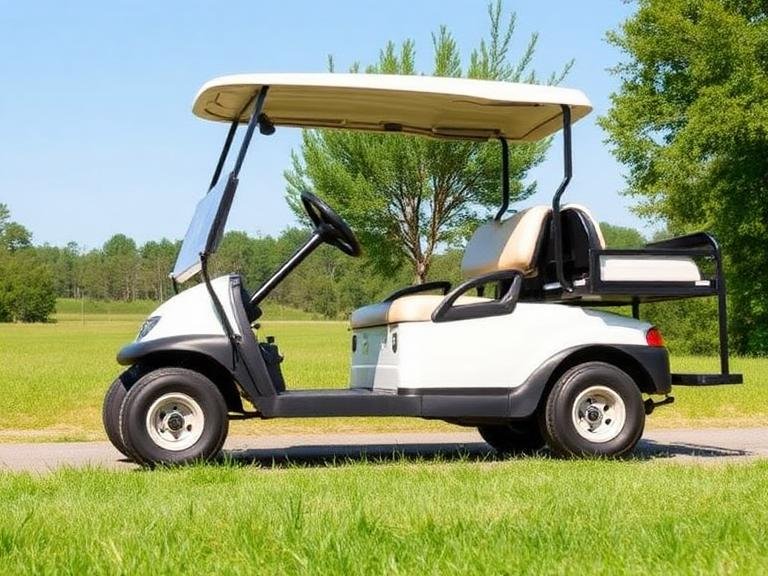
However, entering the pre-owned market without a structured evaluation strategy is a significant financial risk. Whether you are searching for a compact 2 Passenger Golf Cart for weekend leisure or a heavy-duty Commercial Golf Cart for facility management, the evaluation criteria remain fundamentally similar. It is absolutely critical that you rigorously inspect a used golf cart before buying to avoid inheriting costly mechanical failures, degraded battery banks, or compromised chassis structures. From our experience, cosmetic appearance often masks severe underlying issues. We recommend applying a systematic, engineering-focused approach to your evaluation. This authoritative guide details the 9 essential tips you must follow when you inspect a used golf cart before buying, ensuring your investment yields long-term performance and safety.
Table of Contents
- Summary Table: Inspection Checklist
- Tip 1: Analyze Battery Health and Age
- Tip 2: Scrutinize the Frame and Undercarriage
- Tip 3: Evaluate Tires, Wheels, and Suspension
- Tip 4: Test Motor and Controller Performance
- Tip 5: Verify the Braking System
- Tip 6: Check Wiring and Electrical Components
- Tip 7: Assess Steering and Alignment
- Tip 8: Examine the Body, Seats, and Canopy
- Tip 9: Conduct a Comprehensive Test Drive
- Frequently Asked Questions (FAQs)
- Industry References
Summary Table: Inspection Checklist
To assist you in the field, we have compiled an expert summary table outlining the critical components you must evaluate when you inspect a used golf cart before buying. We recommend keeping this checklist accessible during your physical inspection.
| Inspection Area | What to Look For | Professional Recommendation |
|---|---|---|
| Battery Bank | Date codes, terminal corrosion, bulging casings. | Assume batteries over 4 years old will need immediate replacement. |
| Chassis & Frame | Deep rust, structural cracks, re-welds. | Walk away if aluminum is fractured or steel is severely oxidized. |
| Suspension & Tires | Uneven tread wear, leaking shocks, sagging leaf springs. | Uneven wear indicates serious alignment or suspension failure. |
| Motor & Controller | Burning smells, hesitation upon acceleration, excessive heat. | Listen for grinding noises indicating worn motor bearings. |
| Braking System | Spongy pedal, squeaking drums, weak parking brake. | The parking brake must hold the cart on a moderate incline. |
| Electrical System | Frayed wires, non-functioning lights, malfunctioning gauges. | Critical when evaluating a Street Legal Golf Cart. |
| Steering Rack | Excessive play in the steering wheel, stiff turning. | More than an inch of play requires steering box replacement. |
| Body & Interior | Torn vinyl, cracked fiberglass, loose canopy struts. | Cosmetics are secondary, but indicate overall owner maintenance. |
| Test Drive | Top speed reaching specifications, smooth deceleration. | Drive for at least 15 minutes to test battery load holding. |
Tip 1: Analyze Battery Health and Age
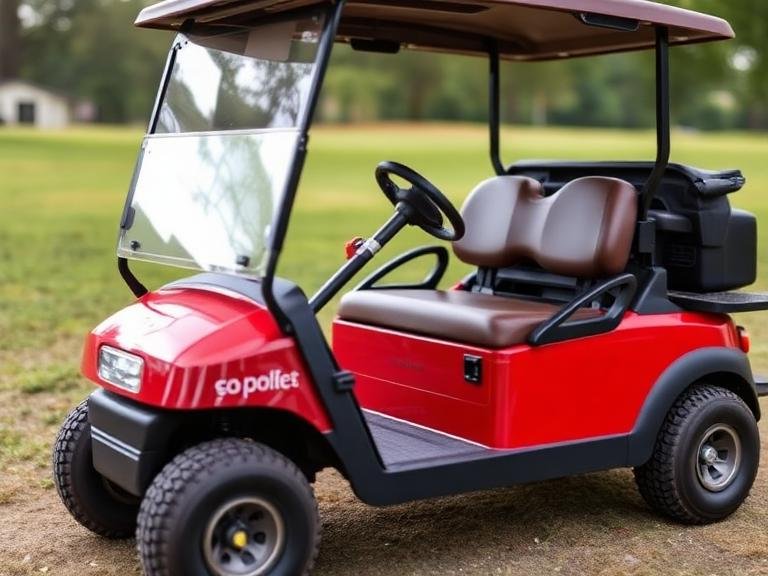
The single most expensive component replacement on any Electric Golf Cart is the battery bank. Therefore, when you inspect a used golf cart before buying, the batteries must be your primary focus. Lead-acid batteries typically last between 4 to 6 years with proper maintenance, while lithium-ion configurations can last a decade. Look for the manufacturing date stamp etched into the lead posts or printed on the battery casing. If the batteries are older than four years, you must factor the cost of a full replacement into your purchasing offer.
From our experience, you should also check the water levels in flooded lead-acid batteries. If the plates are exposed and dry, the batteries have sustained irreversible damage. Inspect the terminals for heavy blue or white corrosive buildup, and examine the cables for melting or fraying. At GT Golf Cart, our modern lineups, including our 4 Passenger Golf Cart and 6 Passenger Golf Cart models, utilize advanced battery management systems to prolong lifespan, a feature often lacking in older, heavily used vehicles.
Tip 2: Scrutinize the Frame and Undercarriage
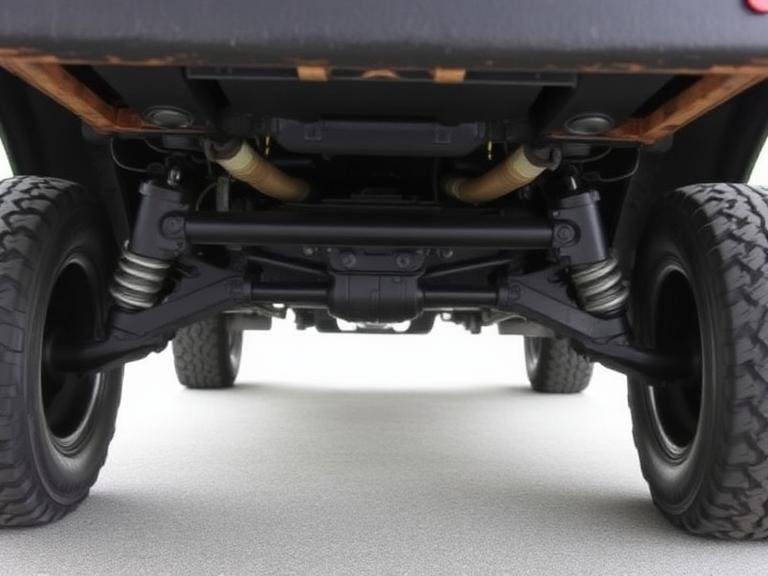
A pristine body cowl means nothing if the underlying chassis is compromised. When you inspect a used golf cart before buying, you must get underneath the vehicle. Look for deep, penetrating rust on steel frames. Surface rust can be treated, but structural flaking indicates the metal’s integrity is failing. If you are examining an aluminum frame, look closely for stress fractures, particularly near the battery tray and suspension mounting points, as battery acid is highly corrosive to aluminum.
We recommend paying special attention to this if you are evaluating an Off Road Golf Cart or a larger 8 Passenger Golf Cart. These vehicles endure significantly higher torsional stress and payload capacities, making frame integrity absolutely paramount for passenger safety.
Tip 3: Evaluate Tires, Wheels, and Suspension
Tire condition tells a story about how the vehicle has been driven and maintained. When you inspect a used golf cart before buying, check the tire treads for uneven wear. If the inside or outside edges are bald while the center remains thick, the vehicle suffers from severe alignment issues, bent spindles, or worn tie rods. Inspect the sidewalls for dry rot and cracking, which requires immediate tire replacement.
Depress the front and rear bumpers to test the suspension. The cart should rebound smoothly without excessive bouncing. Leaking shock absorbers or flattened leaf springs are common in older models, especially a heavily utilized Special Golf Cart or a 10 Passenger Golf Cart used in commercial resort settings.
Tip 4: Test Motor and Controller Performance
The electric motor and the speed controller are the brain and heart of the vehicle. When you inspect a used golf cart before buying, access the motor compartment and perform a visual and olfactory inspection. A strong smell of burnt ozone or melted plastic indicates that the motor has been overheated or the controller is failing. We recommend checking the motor connections for signs of arcing or heat discoloration.
Tip 5: Verify the Braking System
Brakes are non-negotiable when it comes to safety. As you inspect a used golf cart before buying, press the brake pedal firmly. It should feel solid, not spongy, and it should not travel all the way to the floorboard. Listen closely for grinding or metal-on-metal scraping sounds, which indicate the brake shoes are completely worn down and the drums are being damaged.
Equally important is the parking brake mechanism. Engage the parking brake and physically attempt to push the cart. The vehicle should not move. If the parking brake fails to hold, the internal latching mechanism or the brake cables require replacement. This is especially critical for a Commercial Golf Cart operating on uneven industrial terrain.
Tip 6: Check Wiring and Electrical Components
Faulty wiring is a massive fire hazard. When you inspect a used golf cart before buying, trace the visible wiring harnesses. Look for unauthorized, amateur splices wrapped in cheap electrical tape. Factory wiring, such as the harnesses we install at GT Golf Cart, is always enclosed in protective loom and utilizes waterproof connectors.
Test every single electrical accessory. Turn on the headlights, taillights, turn signals, horn, and brake lights. If you are evaluating a Street Legal Golf Cart, the failure of any of these DOT-required components renders the vehicle illegal for road use until repaired. Also, verify that the state-of-charge meter functions accurately.
Tip 7: Assess Steering and Alignment
A loose steering system makes a cart dangerous to operate at top speeds. When you inspect a used golf cart before buying, sit in the driver’s seat and gently turn the steering wheel left and right without moving the tires. There should be no more than an inch of free play. Excessive play indicates a worn steering rack, damaged pinion gear, or failing tie rod ends.
From our experience manufacturing precision steering assemblies for our Luxury Golf Cart line, steering should be smooth and require equal effort in both directions. If the steering binds or catches at certain points, the steering box requires a complete overhaul.
Tip 8: Examine the Body, Seats, and Canopy
While mechanical components are the priority, cosmetic condition heavily dictates the vehicle’s secondary market value. When you inspect a used golf cart before buying, examine the fiberglass or molded plastic body panels for deep gouges, spiderweb cracking, or poorly executed paint touch-ups. Check the vinyl seats for tears, mold, and compression loss in the foam.
Do not forget to inspect the canopy roof and its aluminum or steel struts. Grab the roof supports and shake them firmly. A rattling, loose roof indicates stripped mounting bolts or a cracked frame structure. If you are purchasing a Luxury Golf Cart, pristine aesthetics are just as important as mechanical soundness.
Tip 9: Conduct a Comprehensive Test Drive
The final and most revealing step is the operational test. You cannot properly inspect a used golf cart before buying without driving it under a load. We recommend driving the vehicle for at least 15 to 20 minutes continuously. This duration is long enough to reveal if the batteries suffer from rapid voltage sag under load.
During the test drive, pay attention to the acceleration. It should be smooth and linear, not jerky or hesitant. Listen for whining noises from the rear differential, which signals low gear oil or failing input shaft bearings. Drive the cart up the steepest incline available to test the motor’s torque output. A healthy Electric Golf Cart will easily maintain momentum up a standard grade.
Frequently Asked Questions (FAQs)
Failing to inspect a used golf cart before buying often results in purchasing a vehicle that requires a completely new battery bank, a rebuilt motor, or structural frame repairs. These post-purchase repairs can easily exceed the initial cost of the used cart, making a brand-new vehicle from a reputable manufacturer like GT Golf Cart a vastly superior financial decision.
Lead-acid batteries have an alphanumeric code stamped into the lead terminal or printed on a sticker on the casing. Typically, a letter represents the month (A=January, B=February) and a number represents the year (4=2024, 5=2025). When you inspect a used golf cart before buying, verifying this date code is your primary defense against purchasing dead batteries.
Not necessarily, but you must inspect it more rigorously. An aftermarket lift kit drastically alters the suspension geometry. When you inspect a used golf cart before buying that features a lift kit, ensure the installation was professional. Amateur installations lead to severe steering instability and premature wheel bearing failure. If you require off-road capabilities, purchasing a purpose-built Off Road Golf Cart directly from the factory is much safer.
A Street Legal Golf Cart, also known as a Low-Speed Vehicle (LSV), must meet specific Department of Transportation (DOT) requirements. This includes headlights, taillights, brake lights, turn signals, a horn, DOT-approved windshields and tires, a 17-digit VIN, and a top speed capability between 20 and 25 mph. When you inspect a used golf cart before buying for street use, you must verify all these components are present and functional.