Navigating the electric vehicle and low-speed vehicle (LSV) market requires strategic timing. Whether you are upgrading a commercial resort fleet or purchasing a personal neighborhood cruiser, paying full retail price at the peak of the summer season is a massive commercial mistake. From our experience at GT Golf Cart, the golf cart sales cycle operates on highly predictable seasonal patterns driven by dealer inventory tax, manufacturer release schedules, and regional weather changes.
In most professional situations, knowing exactly when to step onto a dealer lot—or when to order direct from manufacturers—can save you anywhere from $1,000 to $3,000 per unit. We consistently see buyers rush into purchases in May, completely unaware that the exact same Custom Lithium Golf Cart they are buying at a premium was deeply discounted just four months prior. This guide breaks down the true market dynamics to help you leverage the calendar to your absolute advantage.
Quick Answer: What is the best time of year to buy a golf cart?
If you are buying a brand new golf cart, the absolute best time to buy is late Fall through Winter (October through February). Dealerships are highly motivated to clear out current-year inventory before the new models arrive, leading to significant discounts, bundled accessories, and aggressive financing.
If you are buying a used or refurbished golf cart, the optimal window shifts to late Winter and early Spring (February through April). This is when commercial golf courses rotate their fleet and private owners trade in their old carts for new spring models, flooding the market with high-quality used inventory.
Table of Contents
- How It Works: Golf Cart Market Dynamics
- The Benefits of Off-Season Buying
- Limitations of Seasonal Purchasing
- Who Should Capitalize on This Strategy
- Who Does Not Need to Wait
- Common Buyer Mistakes
- Buying Considerations & Cost-Benefit Analysis
- Comparison Table: Buying Seasons Explained
- GT Golf Cart Expert Recommendation
- Product Spotlight: Thunder Series GT42R
- Frequently Asked Questions (FAQ)
How It Works: Golf Cart Market Dynamics
To understand why prices fluctuate so drastically, you have to look at the Golf Cart Dealer Profit Margin and inventory holding costs. A golf cart sitting on a lot in December is costing the dealer money. As the calendar year ends, dealers are pressured by manufacturers to hit annual sales quotas and clear floor space for the incoming model year. This phenomenon is identical to the automotive industry.
When the new year models are announced (often between August and October for LSVs), the outgoing models instantly depreciate in the eyes of the dealer. They do not want a 2025 model sitting next to a physically identical 2026 model, because consumers will naturally demand a discount on the older unit. By late fall, dealers panic-discount their remaining stock. Conversely, by April and May, demand skyrockets as the weather warms up, and dealers have zero incentive to negotiate.
The Benefits of Off-Season Buying
Buying during the dead of winter (December and January) provides immense leverage. In our testing and market observations, the benefits extend far beyond just the sticker price:
- Deep Price Reductions: You can typically expect 10% to 20% off the MSRP on new, prior-year models.
- Free Accessory Bundling: Because showroom traffic is dead, sales staff are desperate to close. They are highly likely to throw in expensive upgrades—such as premium wheels, upgraded lithium chargers, or LED light kits—at cost or entirely free just to move the unit.
- Favorable Financing: Manufacturers often subsidize interest rates at the end of the year to clear out the supply chain.
Limitations of Seasonal Purchasing
However, shopping in December is not a flawless strategy. The primary limitation is selection fatigue. By the time the massive end-of-year clearance sales roll around, you are picking from the leftovers. If you have your heart set on a specific custom color for a 6 Passenger Electric Golf Cart, it may already be sold out. You might have to settle for the standard white or beige models that sat on the lot.
Additionally, if you buy in December in a northern climate, your battery warranty begins ticking down immediately, even though the cart will sit in your garage unused until April. You must meticulously maintain the lithium or lead-acid battery charge during these dormant months.
Who Should Capitalize on This Strategy
For commercial users: If you are a resort manager or facility director looking to upgrade to a fleet of Commercial Golf Carts, timing your massive bulk purchase for late Q4 (November/December) aligns perfectly with corporate tax write-offs and the absolute lowest per-unit pricing.
For budget-conscious buyers: If you view a golf cart as a utility vehicle rather than a status symbol, waiting until late winter to pick off heavily discounted trade-ins is the smartest financial move you can make.
Who Does Not Need to Wait
If you are demanding absolute customization—specific lifted suspensions, custom upholstery, integrated Bluetooth soundbars, and exact body-match paint—you should not wait for clearance sales. Custom builds often require ordering direct from the factory. In these cases, you are paying MSRP regardless of the season, and you need to account for Global Golf Cart Shipping timelines. Order in early Spring to ensure delivery by Summer.
Common Buyer Mistakes
From our experience, buyers frequently make these tactical errors:
- Waiting for Spring to Buy Used: While Spring has the highest volume of used carts from trade-ins, waiting until late April means you are competing against every other buyer in your zip code. The best deals on used carts happen in February and early March before the golf courses open.
- Ignoring the Battery Age: Never buy a “new” leftover cart in January without checking the battery manufacturing date code. If the cart sat on the lot uncharged for 9 months, the lead-acid batteries may already be heavily degraded. (This is less of a concern with modern Lithium systems).
- Failing to Account for LSV Registration: If you are buying a street-legal LSV in the winter, ensure the dealer handles the immediate title work. Do not wait until May to try and register a vehicle you bought in December.
Buying Considerations & Cost-Benefit Analysis
When executing your purchase, you must weigh the upfront savings against your immediate usage needs. For heavy-duty applications, such as managing a large farm or industrial site with a Utility Golf Cart 4 Seater, you likely cannot afford to wait six months for a seasonal discount. Productivity loss will outweigh the $1,500 saved.
| Factor | Pros | Cons |
|---|---|---|
| Pricing | Lowest point of the year; motivated sellers; clearance pricing. | None. You hold all the negotiating leverage. |
| Selection | Dealers may offer free accessory upgrades to move stagnant units. | Limited color options; pickings can be slim; customized models are rare. |
| Used Market | Excellent time to beat the spring rush on early fleet trade-ins. | The absolute peak volume of used trade-ins doesn’t hit until March. |
Comparison Table: Buying Seasons Explained
| Season / Months | Market Condition | Best For Buying… | Buyer Leverage |
|---|---|---|---|
| Winter (Dec – Feb) | Dead traffic. Dealerships aggressively clearing out prior-year models. | Brand new (leftover) models at deep discounts. | Very High – Dealers need to clear floor plan interest. |
| Spring (Mar – May) | New models arrive. Massive influx of used fleet trade-ins hit the market. | Refurbished and gently used carts. Custom orders. | Medium – High supply of used, but high consumer demand. |
| Summer (Jun – Aug) | Peak demand. Showrooms are busy. Inventory is moving at MSRP. | Buyers who have emergency replacement needs. | Very Low – Dealers have zero incentive to discount. |
| Fall (Sep – Nov) | Season slows down. New models announced. Outgoing inventory begins to age. | Early clearance sales. Great time for pre-holiday deals. | High – The shift toward the buyer’s market begins. |
GT Golf Cart Expert Recommendation
We recommend treating a golf cart purchase exactly like a boat purchase. Do not buy in May. If you want the absolute best ROI on a brand-new vehicle, walk into a dealership or contact a direct manufacturer during the week between Christmas and New Year’s Day. Dealerships are frantically closing their fiscal year, and you can practically dictate your own terms on remaining inventory.
If you are in the market for a Small Golf Cart for Adults or a neighborhood cruiser, hold your cash until January, find a reputable dealer looking to dump last year’s floor models, and demand free delivery and an upgraded lithium charger to close the deal.
Product Spotlight: Thunder Series GT42R
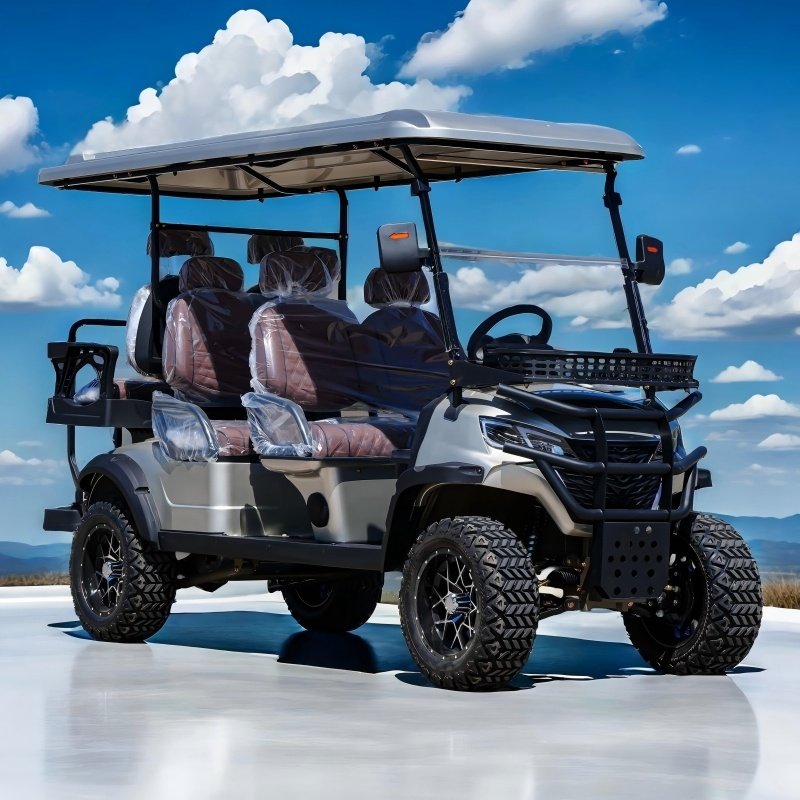
Golf Cart 6 Seater Low Speed Vehicle – Thunder Series GT42R
GT Golf Cart specializes in the design, manufacturing, and global supply of electric golf carts and low-speed vehicles. With over 12 years of industry experience, we deliver reliable mobility solutions for golf courses, resorts, communities, and commercial fleets worldwide. The Thunder Series GT42R represents the pinnacle of multi-passenger efficiency.
- Motor Type: AC Electric Motor (5000W Rated Power)
- Drive Type: RWD with Air Cooling System
- Performance: Top Speed of 29 MPH
- Range & Power: Estimated Driving Range of 62 Miles via Lithium 72V 150Ah Battery
- Charging: Standard 110V Port (7–9 Hours Charging Time)
Frequently Asked Questions (FAQ)
Is it cheaper to buy a golf cart in the winter?
Yes. In most professional situations, winter (specifically December through February) yields the lowest prices on new golf carts because dealers are trying to clear out old inventory to avoid paying floor plan taxes before the spring models arrive.
When do new golf cart models come out?
Manufacturers typically announce new models in the late summer or early fall (August to October), and they begin arriving on dealer lots in volume between early Spring and early Summer. This shift renders the outgoing models obsolete, triggering massive discounts.
What is the best month to buy a used golf cart?
February and March are widely considered the best months to buy a used golf cart. During this time, commercial fleets turn over their old lease carts, and private owners trade in their carts ahead of the spring season, providing a massive influx of quality used inventory.
Authoritative References & Industry Standards
- National Golf Course Owners Association (NGCOA) – Industry guidelines on fleet management and vehicle rotation schedules.
- National Highway Traffic Safety Administration (NHTSA) – Federal safety regulations defining street-legal Low Speed Vehicles (LSVs).
- International Light Vehicle Manufacturers Association (ILVMA) – Global manufacturing standards and supply chain data for electric utility vehicles.