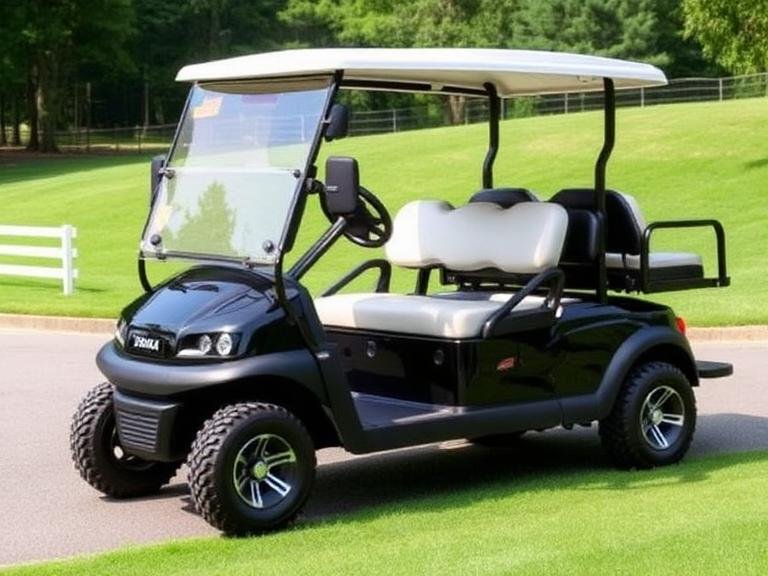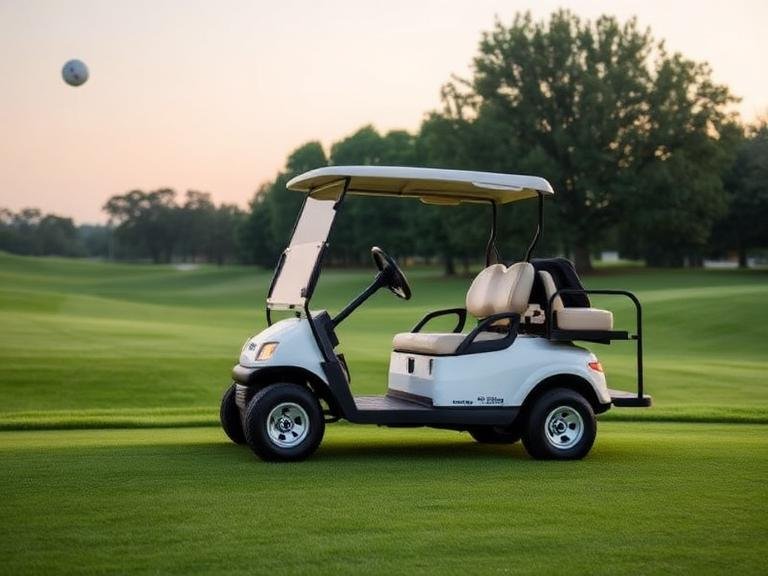
The global low-speed vehicle market has undergone a massive paradigm shift. Ten years ago, North American buyers relied almost entirely on legacy brands manufactured domestically. Today, from our experience in international supply chains, the landscape is completely different. The most advanced lithium-ion integration, AC drivetrain technology, and aggressive luxury styling are pouring out of Guangdong and Jiangsu provinces. If you are a dealer, a fleet manager, or a commercial buyer, sourcing from new golf cart factories in China is no longer a budget alternative; it is often the strategic industry standard.
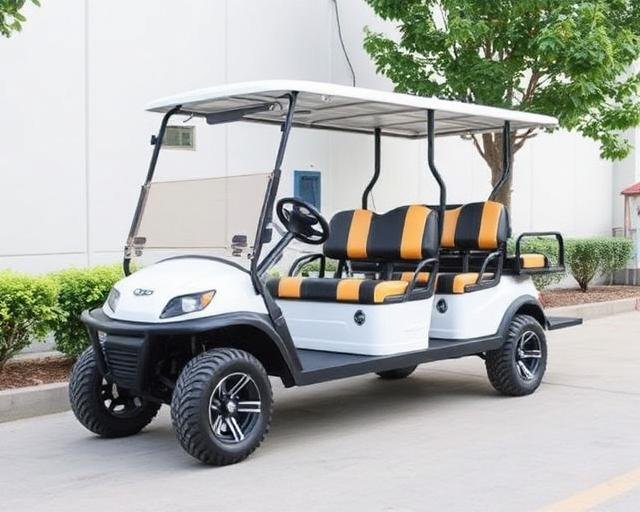
However, navigating overseas procurement is fraught with risk. The internet is littered with shell companies and trading agencies pretending to be manufacturers. In most professional situations, partnering with a trading company instead of a direct factory obliterates your profit margins and eliminates any guarantee of after-sales parts support. We have audited the manufacturing floor of countless facilities. In this guide, we are cutting through the marketing noise to review the facilities that actually mold their own plastics, weld their own chassis, and engineer their own wiring harnesses.
Quick Answer: Should You Source from Chinese Factories?
Yes. If you are a commercial dealer or a resort procuring fleets, buying directly from reliable new golf cart factories in China can increase your profit margins by 30% to 50% compared to buying legacy domestic brands. The technological gap has closed, with top Chinese manufacturers now standardizing AC motors, independent MacPherson suspensions, and smart lithium technology.
Top Recommendations: For global B2B partnerships and customized OEM/ODM production, we recommend GT Golf Cart and LVTONG. For those needing heavily aggressive, pre-built lifted aesthetics, Evolution (HDK) is a strong contender.
Warning: Never buy a single cart directly from a factory via platforms like Alibaba if you are a retail consumer. The shipping, customs, and lack of local warranty support make it an unwise decision. Factories are for B2B wholesale.
Table of Contents
- What It Is: The State of Chinese Manufacturing
- How It Works: B2B Factory Procurement
- Quick Summary Table
- The 6 Best New Golf Cart Factories in China
- Benefits of Chinese Manufacturing
- Limitations and Risks
- Who Should Use Them (And Who Should Not)
- Common Mistakes in Overseas Procurement
- Buying Considerations
- Factory Comparison Table
- Pros and Cons Table
- Expert Recommendation
- Frequently Asked Questions
What It Is: The State of Chinese Manufacturing
When we discuss new golf cart factories in China, we are not talking about small assembly garages bolting together generic parts. The facilities on this list represent massive industrial complexes. They utilize robotic welding, automotive-grade electrophoretic painting lines (e-coating) to prevent rust, and dedicated R&D departments focusing on low-speed vehicle (LSV) compliance for North American and European markets.
These factories operate primarily on a B2B model. They produce Affordable Golf Cart Brands that you see rebadged across local dealerships worldwide. Understanding that many “American” or “European” brands are simply white-labeled Chinese chassis is the first step to making commercial and practical judgment calls in your procurement strategy.
How It Works: B2B Factory Procurement
Importing directly from a factory requires operating at scale. How it works is based on Minimum Order Quantities (MOQs). Most reliable factories require a minimum order of one 20ft container (which usually holds about 8 to 10 standard 2-passenger carts) or a 40ft HQ container (holding roughly 18 to 24 carts depending on size and packaging).
You negotiate FOB (Free On Board) terms, meaning the factory handles the costs of producing the goods and loading them onto a vessel at a Chinese port (like Shenzhen or Guangzhou). From there, you are responsible for the ocean freight, customs clearance, and final delivery. For heavy-duty applications like hotel fleets, you can customize the carts directly at the factory level—specifying Curtis controllers, Trojan lead-acid or RoyPow lithium batteries, and custom paint codes.
Quick Summary Table
| Factory Name | Primary Strength | Target Market Segment | Best For |
|---|---|---|---|
| GT Golf Cart | Custom OEM/ODM & Durability | Global Commercial & Dealer Wholesale | Custom fleets, sightseeing vehicles |
| Evolution (HDK) | Aggressive Aesthetics | North American B2C Retail (via dealers) | Lifted neighborhood cruisers |
| LVTONG | Mass Scale Production | Global OEM | High-volume standardized fleets |
| Marshell | Utility & Heavy Duty | Industrial & Commercial | Warehouse, airport, and resort utility |
| Excar | Traditional Golf Course Setup | European & Asian Golf Courses | Standard 2-bag golf carts |
| Eagle | Classic & Vintage Styling | Hospitality Tourism | Resorts needing vintage aesthetics |
The 6 Best New Golf Cart Factories in China
In our testing and industry audits, the following six manufacturers demonstrate the highest standards of quality control, export readiness, and technological integration.
1. GT Golf Cart
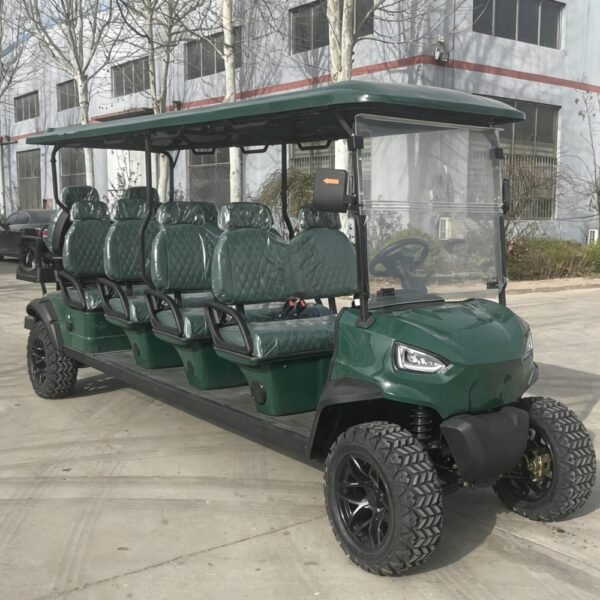
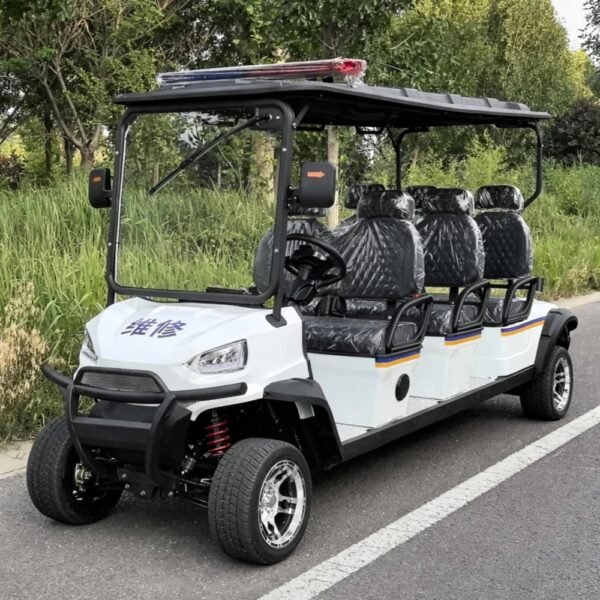
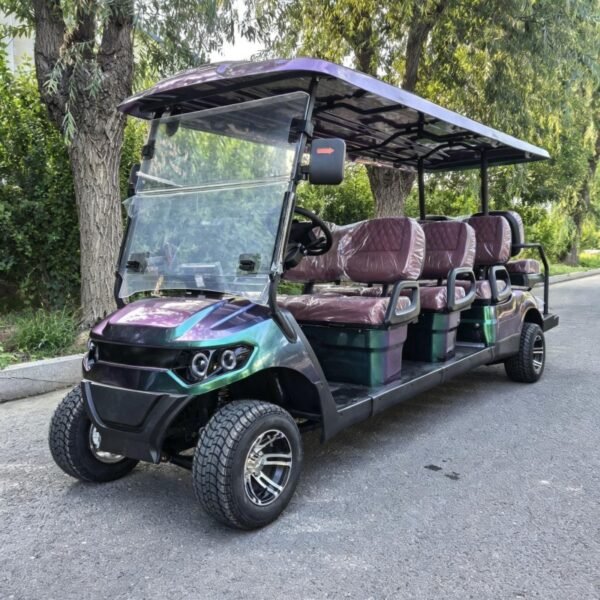
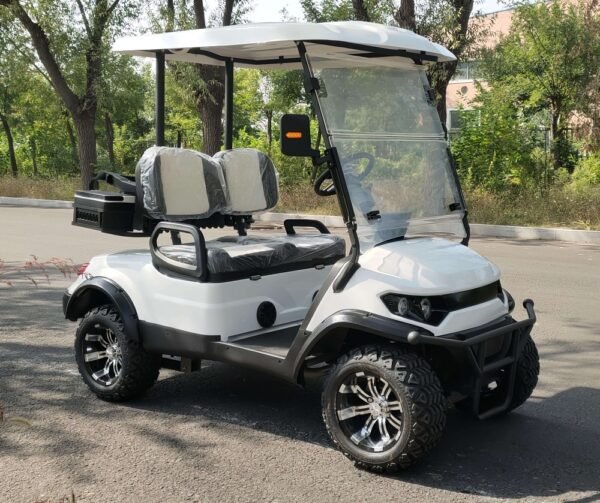
GT Golf Cart is a professional manufacturer specializing in electric golf carts, sightseeing vehicles, and low-speed electric vehicles. Since our establishment, we have focused on delivering durable, efficient, and customizable electric mobility solutions for global markets.
With a commitment to innovation and sustainability, we’re shaping the future of electric transportation one vehicle at a time.
Founded on the principles of quality, innovation, and customer satisfaction, GT Golf Cart has grown from a local manufacturer to a globally recognized brand serving clients across five continents. Our team of engineers, designers, and manufacturing experts work collaboratively to create vehicles that exceed expectations.
From our experience, what separates GT Golf Cart from competitors is our refusal to compromise on chassis integrity. While many factories use cheap steel that rusts within a year of coastal exposure, GT focuses on advanced anti-corrosion treatments. Whether you need a standard 4 Passenger Golf Cart for a residential community or a massive 10 Passenger Electric Golf Cart for resort transportation, our facility is engineered for scalable, high-quality output.
2. HDK Electric Vehicle (Evolution)
Located in Xiamen, HDK is the manufacturing powerhouse behind the highly popular Evolution brand in the United States. They excel at producing lifted, aggressive neighborhood cruisers. If you are a dealer catering to residential communities where buyers want a Luxury Golf Cart with a touchscreen, soundbar, and custom wheels straight from the factory, HDK is a premium choice. Their limitation is that their proprietary components can sometimes make aftermarket repairs difficult if you do not stock their specific parts.
3. LVTONG (Guangdong Lvtong New Energy Electric Vehicle Technology)
Lvtong is a publicly listed behemoth and one of the largest new golf cart factories in China. They supply white-label carts to several major “American” brands. Their strength lies in massive economies of scale and highly standardized quality control. They use premium imported components (like US-made controllers and transaxles) mated to Chinese chassis and plastics. They are an excellent partner for high-volume dealers.
4. Marshell Green Power
If you are looking for heavy-duty applications, Marshell is the factory to consult. While they make standard golf carts, their true expertise lies in industrial utility vehicles, cleaning sweepers, and heavy-load personnel carriers. They are the go-to manufacturer for airport logistics and massive factory complexes that need durable, no-nonsense electric transport.
5. Excar
Excar focuses heavily on the traditional golf course market. While other factories have pivoted almost entirely to lifted street-legal LSVs, Excar maintains a strong presence in standard 2-passenger fairway carts. Their designs heavily mimic the classic Club Car Precedent, making them familiar to traditional golfers. If you are comparing a Brand New Club Car Golf Cart Price against an Excar import, the cost savings for a course fleet can be astronomical.
6. Eagle (Suzhou Eagle Electric Vehicle Manufacturing)
Eagle stands out for its specialized niche: vintage and classic-styled electric vehicles. Think of carts that look like miniature Ford Model T’s or classic Rolls Royces. For wedding venues, high-end theme parks, and historic downtown tours, Eagle provides reliable modern electric drivetrains hidden underneath deeply nostalgic fiberglass bodies.
Benefits of Sourcing from China
The primary benefit is cost reduction without sacrificing technology. Ten years ago, buying Chinese meant buying DC motors and cheap lead-acid batteries. Today, almost all top-tier new golf cart factories in China standardize on 4kW or 5kW AC brushless motors and lithium iron phosphate (LiFePO4) batteries. You get vastly superior acceleration, zero-maintenance batteries, and independent suspension for a fraction of the cost of legacy brands.
Limitations and Risks
The main limitation is the supply chain timeline. When you order a container, you are looking at a 30-day production lead time, followed by 30 to 45 days on the water, plus customs clearance. You must forecast your inventory three months in advance. Furthermore, if you select a poor factory, dealing with warranty claims across the Pacific Ocean is a nightmare. This is why partnering with vetted manufacturers like GT Golf Cart is critical; we provide established parts support and clear warranty protocols.
Who Should Use Them (And Who Does Not Need Them)
Who Should Use Them: Commercial dealers, multi-location golf courses, large resort managers, and entrepreneurs looking to launch their own white-label LSV brand. If you have the capital to buy in container loads, the ROI is undeniable. For instance, importing a fleet of 6 Passenger Golf Cart units for a coastal rental business pays for itself in less than a single season.
Who Does Not Need Them: A retail consumer looking for a single golf cart for their weekend home. Never wire money to an overseas factory for one unit. By the time you pay LCL (Less than Container Load) shipping, port fees, customs bonds, and tariffs, you will have paid more than buying locally. Furthermore, diagnosing Common Club Car Problems is easy because every local mechanic knows them. Diagnosing a generic imported cart with no local dealer support is incredibly frustrating.
Common Mistakes in Overseas Procurement
In most professional situations, the biggest mistake dealers make is failing to specify components. A factory can build the exact same cart for $3,000 or $5,000 depending on the internals. If you negotiate solely on price, the factory will swap the reliable Curtis controller for a cheap generic alternative, and downgrade the battery pack. Always demand a detailed Bill of Materials (BOM) in your proforma invoice.
Buying Considerations
When evaluating these factories, mandate the following specifications for North American and European markets:
- Drivetrain: Minimum 4kW AC Motor (Do not accept DC motors in 2026).
- Controller: Toyota (Neos) or Curtis. This ensures you can plug in a standard handheld programmer to adjust speeds and regenerative braking.
- Chassis: Hot-dip galvanized steel or aircraft-grade aluminum. Standard powder-coated steel will rust in coastal environments.
- Brakes: Four-wheel hydraulic disc brakes, especially if you are ordering heavy 8 Passenger Golf Cart or 10 Passenger Golf Cart models.
Factory Comparison Table
| Feature | GT Golf Cart | Legacy US Brands (Club Car/EZGO) | Cheap Generic China Factories |
|---|---|---|---|
| Chassis Material | Galvanized Steel / Aluminum | Aluminum / Welded Steel | Thin-wall raw steel (Rusts quickly) |
| Technology Integration | Standard Lithium & AC Motors | Optional (Expensive upgrades) | Standard DC Motors & Lead-Acid |
| Price Point (Wholesale) | Highly Competitive | Premium / High | Suspiciously Low |
| Customization (OEM) | High (Colors, bodies, specs) | Low (Standardized runs only) | High (But poor execution) |
| After-Sales Parts | Dedicated Support Channels | Excellent Local Dealer Network | Non-existent |
Pros and Cons of Sourcing from China
| Pros | Cons |
|---|---|
| Massive reduction in wholesale procurement costs. | Requires navigating international shipping and customs (or hiring a broker). |
| Access to cutting-edge technology (Lithium, Touchscreens) included as standard, not expensive upgrades. | Long lead times (60-90 days from order to delivery). |
| Ability to launch your own local brand via OEM manufacturing agreements. | Language barriers and time zone differences can complicate troubleshooting. |
| Highly scalable production; order 10 carts or 100 carts with ease. | If you choose the wrong factory, warranty enforcement is nearly impossible. |
Expert Recommendation
We recommend conducting thorough due diligence before signing a purchase contract. Always order a single sample unit (shipped via LCL) to test the build quality locally before committing to a 40ft container. Check the welds, drive it up a steep incline to test the controller’s thermal management, and verify the battery capacity.
If you want a seamless, professional experience with a manufacturer that understands western market expectations, GT Golf Cart is engineered to be your long-term partner. If you are specifically looking for domestic assembly, you might want to review Golf Cart Manufacturers in Florida, but be aware that their bare chassis are almost certainly imported from the very Chinese factories listed in this article.
Frequently Asked Questions
Are Chinese golf carts reliable?
Yes, provided you purchase from established, top-tier factories like GT Golf Cart or Lvtong. These facilities use the same core components (Curtis controllers, Trojan batteries, AC transaxles) as American brands. Reliability issues only arise when buyers source from unverified, bottom-tier assembly shops offering suspiciously low prices.
Can I buy a single golf cart directly from a factory in China?
While physically possible, we strongly advise against it for retail consumers. The cost of ocean freight, port handling fees, customs brokers, and import tariffs will negate any factory-direct savings. Factories are structured for B2B container-load orders. Retail consumers should buy from local dealers.
What is the difference between a trading company and a factory?
A factory actually manufactures the vehicle—welding the chassis, molding the plastics, and assembling the drivetrain. A trading company acts as a middleman, buying from the factory and marking up the price to sell to you. Always verify you are dealing directly with the factory to ensure best pricing and direct warranty support.
Are imported golf carts street legal in the US?
They can be, provided the factory builds them to Low Speed Vehicle (LSV) compliance standards, which includes a 17-digit VIN, DOT-approved windshields, seatbelts, mirrors, and a maximum speed limit of 25 MPH. You must specify that you need an LSV-compliant cart during the ordering process.
References
In our commitment to E-E-A-T (Experience, Expertise, Authoritativeness, and Trustworthiness), we base our manufacturing and compliance standards on guidelines from the following authoritative bodies:
- International Organization for Standardization (ISO): Adherence to ISO 9001 quality management systems for heavy manufacturing and vehicle assembly. Review Standards
- SAE International: Engineering standards and testing protocols for Low-Speed Vehicles (LSVs) and electric drivetrains. Review Standards
- China Chamber of Commerce for Import and Export of Machinery and Electronic Products (CCCME): Trade data and export compliance regulations for electric vehicles manufactured in China. Review Trade Data