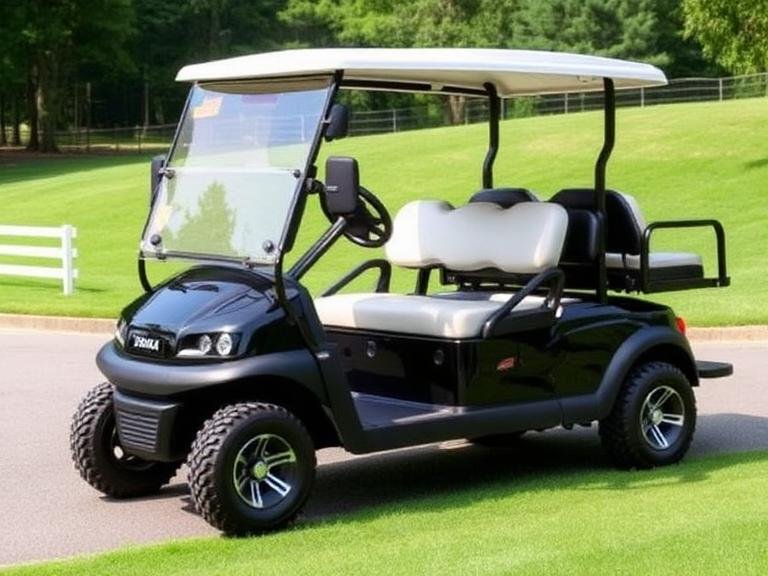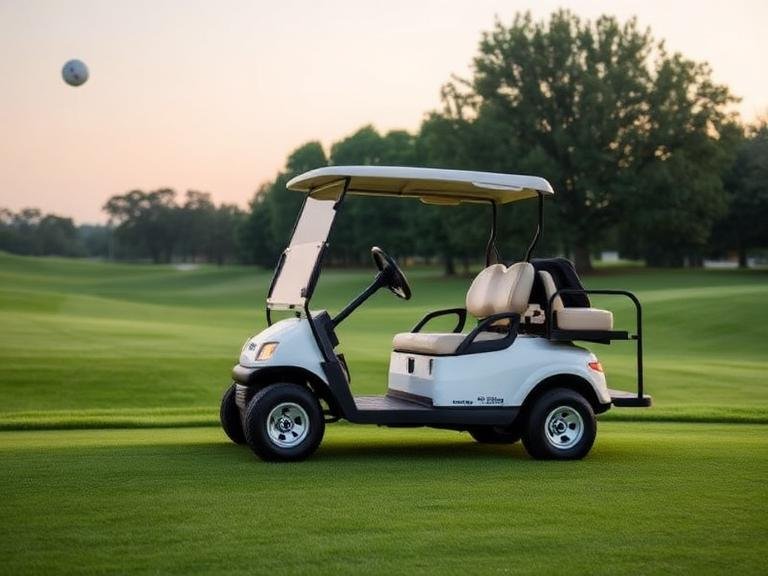
Taking a standard golf cart onto the sand or leaving it parked near the ocean is a fast track to mechanical failure. Salt, humidity, and deep, loose sand will destroy an improperly equipped vehicle within a single season. From our experience at GT Golf Cart, navigating the coastal environment requires a highly specific machine. You cannot just slap oversized tires on a standard fleet cart and expect it to survive. You need a vehicle purpose-built to resist corrosion, float over soft sand, and deliver high torque on demand.
In most professional situations, beach town residents and resort managers struggle to cut through the marketing noise. Manufacturers slap the word “coastal” on their products, but under the plastic cowl, they are hiding rust-prone steel frames and heavy, outdated lead-acid batteries. This guide cuts through the nonsense. We will break down the 13 best beach golf carts on the market today, explaining exactly what works, what rusts, and whether you are actually getting a reliable machine for your coastal lifestyle.
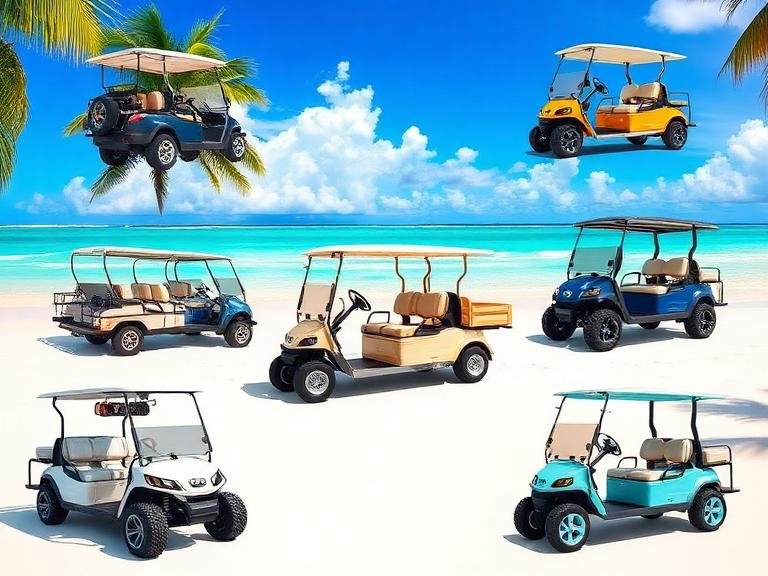
Quick Answer: What Makes the Best Beach Golf Carts?
The absolute best beach golf carts require three non-negotiable features: an aluminum frame (to prevent saltwater rust), lithium batteries (to drop 300 pounds of weight so the cart floats on sand rather than sinking), and a lifted suspension with 22-inch or 23-inch all-terrain tires.
If you are looking for the ultimate combination of value, corrosion resistance, and power, we recommend the GT Golf Cart 4 Seater Lifted and the Club Car Onward Lifted. Both feature aircraft-grade aluminum frames. Avoid steel-framed carts on the coast unless you are prepared to aggressively undercoat them annually.
Table of Contents
- What is a Beach Golf Cart & How Does it Work?
- The 13 Best Beach Golf Carts in 2026
- Benefits of a Purpose-Built Beach Cart
- Limitations and Risks
- Who Should Use It & Who Doesn’t Need It
- Common Mistakes When Buying
- Critical Buying Considerations
- Comparisons and Pros & Cons Tables
- Expert Recommendation
- The Bottom Line
- Frequently Asked Questions
What is a Beach Golf Cart & How Does it Work?
A beach golf cart is a modified Low-Speed Vehicle (LSV) or Personal Transportation Vehicle (PTV) specifically engineered for coastal environments. How it works is a matter of weight distribution and torque delivery. Standard carts are designed for flat, manicured turf. Beach carts must overcome the intense rolling resistance of deep, soft sand.
To achieve this, the best beach golf carts utilize upgraded AC motors (typically 4kW to 5kW) and high-amp lithium battery packs. The AC motor provides consistent torque without overheating, while the lithium battery sheds hundreds of pounds from the chassis. A lighter cart with wide, low-pressure tires creates a larger footprint, allowing the vehicle to glide over the sand rather than digging into it.
The 13 Best Beach Golf Carts in 2026
In our testing and daily operations, we have evaluated the market’s leading options. Here is our definitive list of the 13 best beach golf carts for the 2026 season.
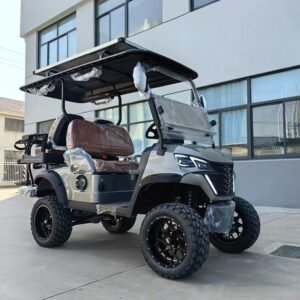
- 1. GT Golf Cart 4 Seater Lifted: This is our flagship recommendation. Built with a rust-proof aluminum chassis, independent front suspension, and a high-discharge lithium battery, this 4 seater golf cart is arguably the most resilient coastal cruiser on the market today.
- 2. Club Car Onward Lifted High Performance: A legendary name in the industry. The Onward utilizes an AlumiCore frame which is impervious to rust. It is highly customizable, though you will pay a massive premium for the brand name.
- 3. EZ-GO Liberty LSV: Known for its industry-first forward-facing four-seat design, the Liberty uses a premium Samsung SDI lithium battery. However, EZ-GO uses a welded steel frame. Even with powder coating, salt air will eventually find a scratch and initiate rust.
- 4. Bintelli Beyond 4PR LSV: A fantastic value option that comes fully street-legal right off the showroom floor. It features an aluminum frame and standard lithium batteries, making it an excellent beach town cruiser.
- 5. Yamaha Drive2 PowerTech Li: Yamaha offers the best independent rear suspension in the business, resulting in a buttery smooth ride. Like EZ-GO, it relies on a steel frame, meaning coastal owners must apply regular anti-corrosion treatments.
- 6. Evolution Classic 4 Pro: An incredibly popular budget lithium option. It is fast and looks aggressive. For hard-packed sand and paved coastal roads, it is great, but the steel frame and stiff suspension are drawbacks for deep beach driving.
- 7. Icon i20L Lifted: Icon disrupted the market with aggressive pricing. The lifted version offers massive ground clearance. It is a heavy cart, making it better suited for street driving in beach communities rather than deep sand trekking.
- 8. Tomberlin E-Merge E2 LE: Built like a tank. Tomberlin focuses heavily on safety features (four-wheel hydraulic brakes, automotive steering). It is perfect for navigating busy coastal highways, but its sheer weight makes it a poor choice for soft sand.
- 9. Moke America: A lifestyle vehicle inspired by the classic Mini Moke. It is an aesthetic masterpiece for beach towns. However, it is strictly for pavement and hard-packed sand; it lacks the suspension travel for dunes.
- 10. Star EV Sirius: A premium, tech-heavy cart with independent suspension and a sleek design. It rides beautifully, but the complex electronics require a covered garage to protect them from relentless salt spray.
- 11. Polaris GEM e4: Highly durable and explicitly designed as an urban LSV. It is ideal for shuttling guests from a beach resort to the boardwalk, but it is not designed for off-road sand use.
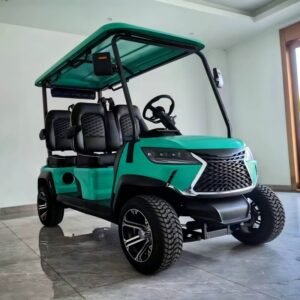
- 12. GT Golf Cart 6 Seater Lifted: For commercial users or large families, our 6 seater golf cart delivers immense pulling power. Moving six adults through sand requires a heavy-duty AC controller, which we build into every unit.
- 13. Kandi Kruiser 4P: An entry-level electric cart that offers decent coastal styling. It is a budget-friendly option for beginners, though we recommend upgrading the tires if you plan to touch the sand.
Benefits of a Purpose-Built Beach Cart
Investing in one of the best beach golf carts completely changes coastal living. The primary benefit is absolute mobility. Instead of hauling coolers, chairs, and umbrellas by hand across scorching sand, a lifted cart does the heavy lifting. Furthermore, models that meet federal LSV requirements can be legally driven on public roads with speed limits of 35 mph or less, replacing your primary vehicle for local summer errands. If you are exploring this route, check our guide on Road Legal Golf Carts.
Limitations and Risks
The ocean destroys everything eventually. Even the best beach golf carts require meticulous maintenance. Salt spray creates galvanic corrosion on electrical terminals. Furthermore, if you take a cart into deep, dry, powdery sand without lowering your tire pressure, you will sink to the axles. Extracting a 1,200-pound golf cart from the beach during high tide is a nightmare you want to avoid.
Who Should Use It & Who Doesn’t Need It
For commercial users: Coastal resorts, marina operators, and beachside security teams absolutely require these vehicles. Moving staff and equipment efficiently across sand saves thousands in labor costs annually. We highly recommend looking into a 6 Passenger Electric Golf Cart for hospitality shuttling.
Who does not need it: If you live 15 miles inland and only visit the beach twice a summer, buying a dedicated coastal LSV is a waste of money. A standard, non-lifted cart will serve you better for neighborhood cruising.
Common Mistakes When Buying
From our experience, consumers make three critical errors when buying for the coast:
- Buying Steel Frames: We cannot stress this enough. Unless you have no other choice, avoid steel frames. If you must buy one, you have to apply a marine-grade undercoating immediately.
- Choosing Lead-Acid Batteries: Lead-acid batteries weigh 350-400 lbs. When you hit soft sand, that dead weight buries the tires. Lithium batteries weigh around 80 lbs, keeping the cart floating on the surface.
- Using Standard Street Tires: DOT-approved street tires are designed for pavement grip. In the sand, they act like pizza cutters. You need wide, all-terrain tires with a flat footprint.
Critical Buying Considerations
When reviewing the best beach golf carts, you must evaluate the motor’s continuous output. A 4kW AC motor is the minimum requirement for moving four adults through sand. Additionally, consider the legality of your area. Many beach towns strictly regulate golf carts. Ensure the model you choose has a 17-digit VIN, DOT windshield, seatbelts, and a top speed of 25 mph to qualify as a Street Legal LSV. If you want a deeper dive into domestic options, review our insights on Golf Carts Made in America.
Comparisons and Buying Guides
Quick Summary Table: Top 5 Beach Carts
| Brand & Model | Frame Material | Power Source | Best For |
|---|---|---|---|
| GT Golf Cart 4 Seater Lifted | Aluminum | Lithium (High Output) | Overall Coastal Value & Durability |
| Club Car Onward Lifted | Aluminum | Lithium or Gas | Premium Resort Living |
| Bintelli Beyond 4PR | Aluminum | Lithium | Turn-key Street Legal |
| EZ-GO Liberty | Steel (Powder Coated) | Lithium (Samsung) | Forward-facing passengers |
| Yamaha Drive2 PowerTech | Steel | Lithium | Unmatched Ride Comfort |
Pros and Cons: Aluminum vs. Steel Frames on the Beach
| Frame Type | Pros for Beach Use | Cons for Beach Use |
|---|---|---|
| Aluminum (GT, Club Car) | Will never rust; Significantly lighter, improving sand floatation; Extends battery range. | More expensive upfront; Can be brittle under extreme localized stress (rare in sand). |
| Steel (EZ-GO, Yamaha) | More flex for a softer ride; Generally cheaper upfront cost; Easier to weld if damaged. | Will rust rapidly in salt air; Heavier, causing the cart to sink faster in soft sand. |
Buying Guide Table: Specifying Your Beach Cart
| Feature | Minimum Requirement | Heavy-Duty Coastal Recommendation |
|---|---|---|
| Motor | 4kW AC Motor | 5kW AC Motor with 400 Amp Controller |
| Battery | 48V Lead-Acid (Not Recommended) | 48V 105Ah+ Lithium-Ion |
| Suspension | Standard Leaf Spring | Independent MacPherson Strut (Front) |
| Tires | 20-inch All-Terrain | 22 to 23-inch Sahara or All-Terrain (Aired down to 12 PSI) |
Expert Recommendation
At GT Golf Cart, we specialize in the design, manufacturing, and global supply of electric golf carts. With over 12 years of industry experience, we know exactly what it takes to survive a harsh marine environment. For heavy-duty applications where salt spray and deep sand are daily realities, we firmly recommend building your cart on an aluminum chassis paired with a high-capacity lithium battery. If you are outfitting a large property, a Utility Golf Cart 4 Seater with a rear dump box offers incredible versatility for hauling beach chairs and maintenance gear.
The Bottom Line
Recommended products
Choosing the best beach golf carts comes down to fighting physics and chemistry. You are fighting the physics of soft sand pulling your tires down, and the chemistry of saltwater eating your metal. By choosing a lightweight, high-torque lithium cart with an aluminum frame, you solve both problems simultaneously. Whether you choose the industry-leading value of a GT Golf Cart or the legacy premium of a Club Car, prioritizing these specific coastal features is the only way to ensure your investment lasts for summers to come.
Frequently Asked Questions (FAQ)
Are gas or electric golf carts better for the beach?
Electric carts with lithium batteries are vastly superior for beach use. Gas carts require constant maintenance in salty air, are loud, and are increasingly banned by coastal municipalities due to emissions and noise. Modern lithium electric carts provide more than enough torque and range for a full day on the sand without the maintenance headaches of a carburetor.
Can I drive my golf cart directly on the sand?
Yes, provided your cart is equipped with a 4-inch to 6-inch lift kit and wide, all-terrain tires. More importantly, you must check local regulations. Many beaches prohibit motorized vehicles entirely, while others require specific beach access permits and 4WD. Even with the best setup, avoid loose, dry powder sand and stick to the harder packed sand near the waterline (while avoiding the saltwater itself).
How do I prevent my golf cart from rusting at the beach?
The best prevention is buying an aluminum-framed cart. If you own a steel-framed cart, you must wash it with fresh water weekly, apply a marine-grade anti-corrosion spray (like Fluid Film) to the undercarriage every few months, and use dielectric grease on all exposed electrical connections to prevent galvanic corrosion.
What tire pressure should I use for driving a golf cart on the beach?
To avoid getting stuck, you should “air down” your tires. Lowering your tire pressure to between 10 and 12 PSI creates a wider footprint (contact patch), allowing the golf cart to float over soft sand. Remember to inflate them back to standard pressure (usually 20-22 PSI) when returning to paved roads to avoid tire damage.