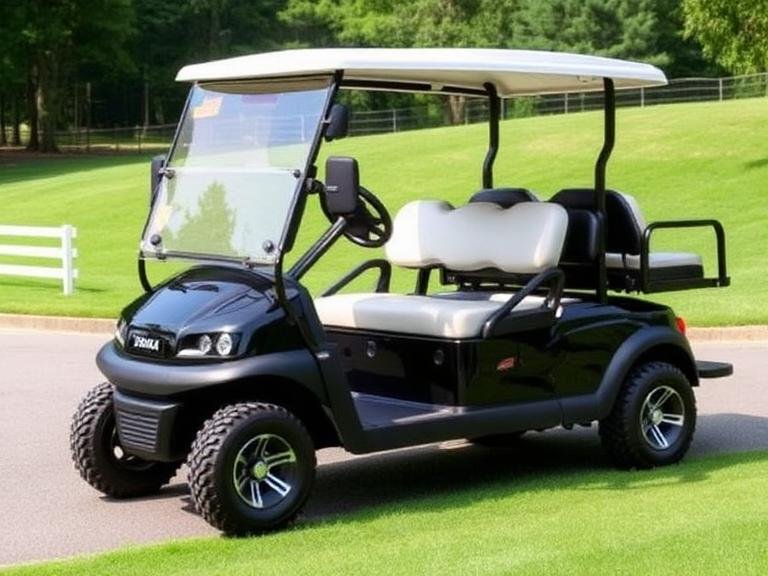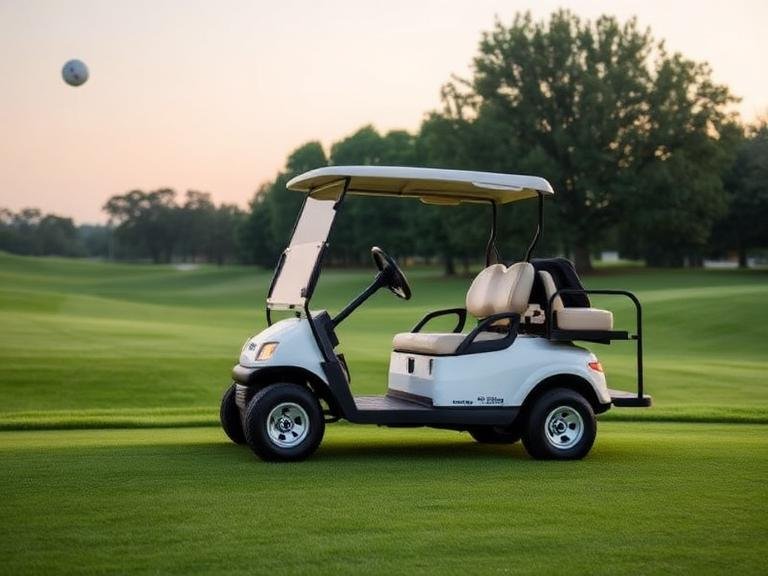
The global low-speed vehicle (LSV) and micro-mobility market is experiencing a violent supply chain shift. Historically, North American fleet managers and dealers relied almost exclusively on a domestic oligopoly for their golf cart inventory. However, legacy domestic brands have consistently struggled with sluggish innovation, antiquated lead-acid battery technology, and exorbitant pricing. In response, savvy commercial operators have turned their attention eastward. Today, navigating the landscape of electric golf cart manufacturers in china is no longer just an alternative sourcing strategy; it is a fundamental requirement for maintaining competitive dealership margins and fleet operational efficiency.
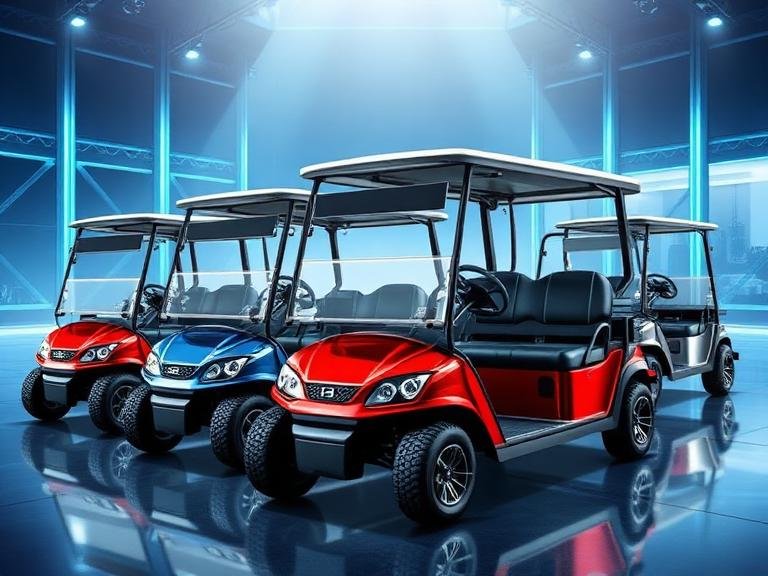
From our experience engineering and distributing premium low-speed vehicles at GT Golf Cart, we witness buyers routinely make catastrophic errors when importing vehicles. They fall victim to trading companies masquerading as factories on generic B2B portals, resulting in shipments of substandard chassis, mismatched controllers, and uncertified lithium batteries. In this uncompromising guide, we will strip away the marketing noise. We will analyze the 6 best electric golf cart manufacturers in China, break down the mechanics of overseas procurement, and provide hard commercial judgment on whether importing these vehicles is actually worth the capital investment for your specific operation.
Quick Answer: The Industry Leaders
If you are actively seeking reliable electric golf cart manufacturers in china today, your decision must be driven by your intended application (golf course fleets, street-legal LSVs, or heavy-duty commercial use). The definitive top 6 manufacturers are:
- GT Golf Cart: The premier OEM/ODM manufacturer specializing in high-end, customizable AC-motor fleets, ranging from a standard 2 Passenger Golf Cart to bespoke commercial utility vehicles.
- Lvtong: A massive, publicly traded factory with extensive capacity, primarily known for producing the bodies and chassis for several prominent Western brands.
- HDK Electric Vehicle: A dominant player in the export market, highly regarded for integrating lithium-ion technology directly from the factory floor into injection-molded plastic chassis.
- Marshell: The industry veteran for broad-spectrum manufacturing, excelling in heavy-duty utility carts and municipal sightseeing vehicles.
- Eagle: One of the oldest traditional factories, specializing in classic aesthetic styling and reliable, budget-friendly DC-motor configurations.
- Excar: A hyper-focused manufacturer that prioritizes the pure golf course experience, building lightweight, agile carts specifically for fairway leasing.
In most professional situations, we recommend partnering directly with a vertically integrated manufacturer like GT Golf Cart to ensure you bypass the margin markups of generic trading companies while securing comprehensive after-sales parts support.
Table of Contents
- What Defines a Chinese Golf Cart Manufacturer?
- How Overseas Sourcing and Manufacturing Works
- The Top 6 Manufacturers Detailed
- Commercial Benefits of Sourcing from China
- Limitations and Hard Truths
- Who Should Use These Manufacturers
- Who Does Not Need Them
- Common Import and Purchasing Mistakes
- Expert Buying Considerations
- Summary and Comparison Tables
- Expert Recommendation: GT Golf Cart
- Frequently Asked Questions (FAQ)
What Defines a Chinese Golf Cart Manufacturer?
A legitimate electric golf cart manufacturer is a vertically integrated industrial facility. Unlike a “trading company” (which simply buys finished goods and resells them with a markup), a true manufacturer owns the welding robots, the powder-coating lines, the CNC machining centers, and the final assembly lines. The hub of this manufacturing prowess is predominantly located in the Pearl River Delta region of Guangdong Province, specifically around Dongguan and Shenzhen.
When assessing electric golf cart manufacturers in china, the distinction lies in their engineering capability. A premier factory does not just assemble parts; they engineer proprietary aluminum or hot-dip galvanized steel chassis, program their own AC motor controllers (or integrate tier-one brands like Curtis or Toyota), and maintain strict ISO quality management protocols for their lithium-ion battery integration.
How Overseas Sourcing and Manufacturing Works
The process of acquiring a Electric Golf Cart from a Chinese manufacturer is highly structured. It begins with the configuration phase. A commercial buyer will specify the seating capacity—such as a 4 Passenger Golf Cart or a massive 10 Passenger Golf Cart—along with the required motor wattage (typically 4kW or 5kW AC), battery chemistry, and suspension type (MacPherson strut vs. A-Arm independent).
Once the specifications and Proforma Invoice are approved, the factory enters the production cycle, which generally requires 20 to 35 days. Following rigorous pre-shipment Quality Control (QC) testing, the vehicles are secured into shipping containers using custom steel racking systems to maximize spatial efficiency. The container is then transported via ocean freight, a process that adds 30 to 45 days depending on the destination port, before clearing customs and arriving at the dealer’s lot.
The Top 6 Manufacturers Detailed
To prioritize helping you make a sound purchasing decision, we have audited the top tier of the Chinese LSV manufacturing sector.
1. GT Golf Cart (Premium OEM/ODM Leader)
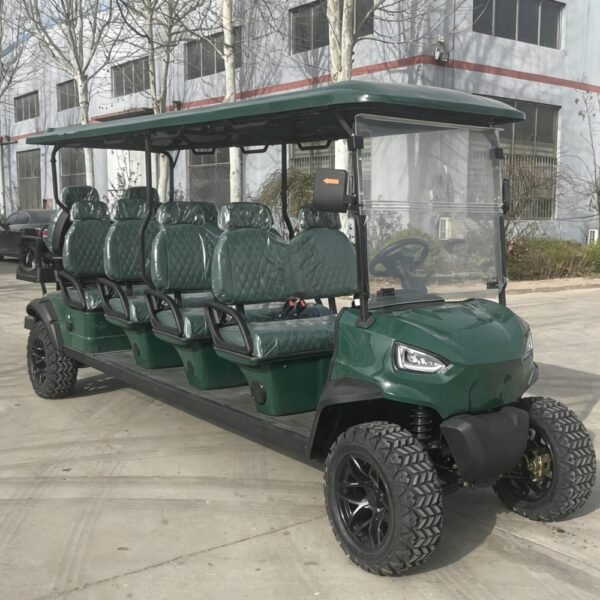
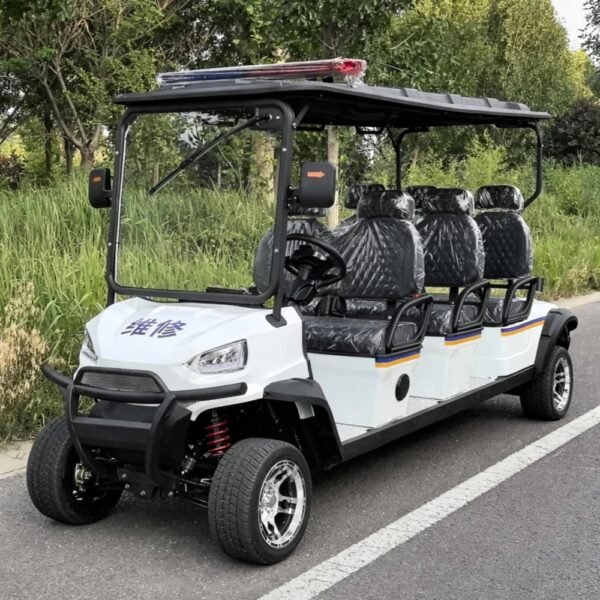
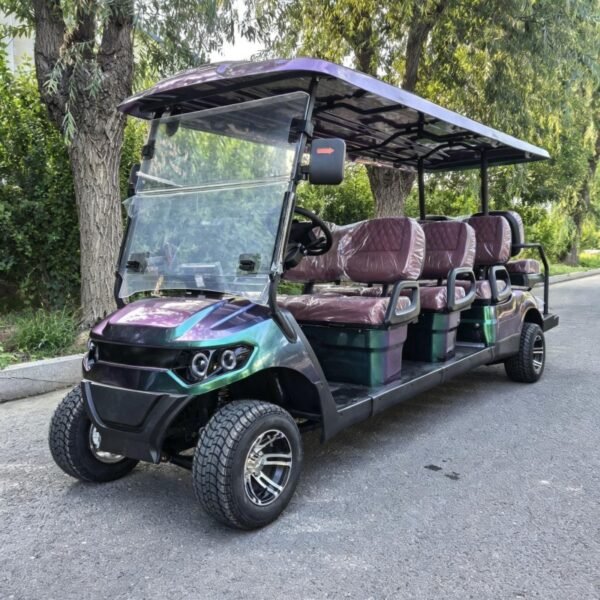
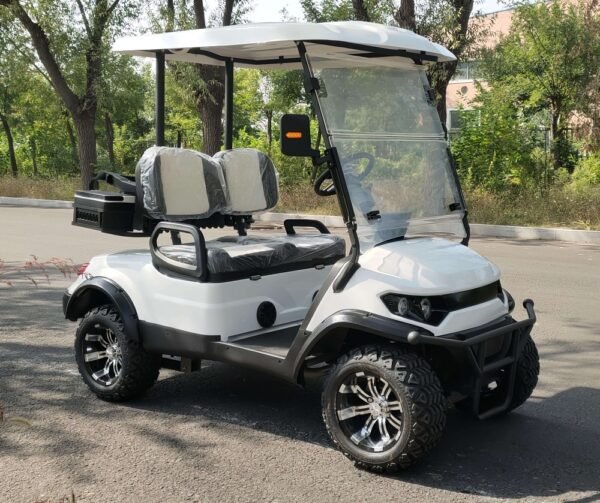
GT Golf Cart operates at the apex of the custom mobility sector. With over 12 years of dedicated manufacturing experience, they are the preferred partner for B2B dealers and global resorts. They refuse to compromise on critical components, utilizing advanced AC induction motors and intelligent lithium BMS (Battery Management Systems). Whether a client requires an aggressive Off Road Golf Cart with lifted suspension or a sleek Luxury Golf Cart with premium upholstery and digital dash integration, GT provides unparalleled factory-direct engineering and post-sale parts support.
2. Lvtong
Lvtong is a massive industrial powerhouse. If you have driven a modern, plastic-bodied golf cart from a mid-tier Western brand recently, there is a high probability Lvtong manufactured the chassis. Their absolute advantage is immense volume capacity, making them suitable for massive fleet orders, though their willingness to do small-batch custom work is limited.
3. HDK Electric Vehicle
HDK has aggressively captured market share in the United States by pioneering the integration of lithium-ion batteries as standard equipment long before legacy brands adopted the technology. They produce highly recognizable injection-molded bodies and focus heavily on high-speed, street-legal LSV applications.
4. Marshell
Marshell is the definition of a heavy-duty manufacturer. While they produce standard golf carts, their true expertise lies in building rugged utility vehicles, warehouse burden carriers, and municipal patrol carts. If you need a Commercial Golf Cart with a hydraulic dump bed for property management, Marshell possesses the necessary heavy-gauge steel engineering.
5. Eagle
One of the oldest electric vehicle manufacturers in China, Eagle is deeply rooted in traditional design. They are highly reliable but tend to stick to conservative, classic golf cart aesthetics and proven (yet older) DC motor technologies. They are an excellent choice for budget-conscious buyers operating on flat terrain.
6. Excar
Excar is hyper-focused on the golfing industry. Rather than trying to build off-road vehicles or street-legal cruisers, they design lightweight, agile carts specifically engineered not to damage delicate fairway turf. Their fleet vehicles are staples on golf courses throughout Asia and Europe.
Commercial Benefits of Sourcing from China
The financial and operational benefits of leveraging electric golf cart manufacturers in china are overwhelming. First, the capital efficiency is unmatched. You can purchase a fully loaded, lithium-powered, lifted 6 Passenger Golf Cart from a Chinese manufacturer for 40% to 60% less than a comparably equipped domestic brand.
Secondly, rapid innovation. Chinese factories iterate on technology at lightning speed. While domestic brands spent years debating the safety of lithium, Chinese manufacturers immediately integrated automotive-grade LiFePO4 (Lithium Iron Phosphate) cells, independent front suspensions, and 10-inch touchscreen infotainment systems as standard features.
Limitations and Hard Truths
We must present practical judgment: importing vehicles is not a frictionless endeavor. The primary limitation is logistics. Your capital will be tied up for 60 to 90 days while the vehicles are manufactured and transit the ocean. You must also navigate import tariffs (such as Section 301 duties in the US), customs brokerage fees, and domestic freight costs.
Furthermore, if you partner with a low-tier manufacturer, your warranty is functionally useless. Shipping a defective $300 motor controller back to China for a warranty claim is cost-prohibitive. You must select a manufacturer that provides a robust spare parts allowance shipped directly with your initial container.
Who Should Use These Manufacturers
For commercial users: Dealerships looking to establish their own private-label brand, massive resort properties requiring 50+ fleet vehicles, agricultural operators, and university campuses. If your order volume exceeds one 40-foot High Cube (40HQ) container (typically 12 to 18 carts depending on size), sourcing directly from the factory is mandatory for maximizing your ROI.
Who Does Not Need Them
For beginners and individual consumers: If you are a homeowner who just wants one single Street Legal Golf Cart to drive around your gated community, do not attempt to import it directly from a Chinese factory. The single-unit LCL (Less than Container Load) shipping costs, port fees, and customs paperwork will completely erase any factory-direct savings. You should purchase from a local dealer who has already imported the vehicle.
Common Import and Purchasing Mistakes
Expert Insight: The most catastrophic mistake we see dealers make is failing to specify the exact brand of the motor controller during the negotiation phase.
Unscrupulous factories will quote a low price by utilizing a cheap, proprietary controller. When that controller fails, it cannot be diagnosed or replaced locally. Always demand internationally recognized controllers (like Curtis or Toyota) so that any local golf cart mechanic can plug in a standard diagnostic handset to read the fault codes.
Expert Buying Considerations
When auditing electric golf cart manufacturers in china, scrutinize their chassis material. For coastal environments with high salt content in the air, you must demand an aluminum chassis or a hot-dip galvanized steel chassis. Standard powder-coated steel will rust through within 36 months in a humid, salty environment.
Additionally, evaluate their customization capabilities. A premier factory should be able to alter gear ratios for steep hill climbing, install specialized seating for an 8 Passenger Golf Cart, or fabricate a Special Golf Cart for wheelchair accessibility or emergency medical transport.
Summary and Comparison Tables
Quick Summary Table: Top Manufacturers by Specialty
| Manufacturer | Core Competency / Specialty | Best Use Case |
|---|---|---|
| GT Golf Cart | Premium Customization, High-Power AC Motors | B2B Dealers, Resorts, Luxury LSVs |
| Lvtong | Massive Volume Manufacturing | Large Scale OEM Contract Production |
| HDK | Lithium Integration, Street-Legal Focus | Neighborhood Cruisers, B2C Dealer Networks |
| Marshell | Heavy-Duty Utility, Commercial Builds | Warehouse, Municipal, Agricultural |
Comparison Table: Sourcing Direct from Factory vs. Buying from Local Distributor
| Metric | Direct from Chinese Factory | Local Domestic Distributor |
|---|---|---|
| Unit Cost | Very Low (Wholesale Base) | High (Includes Retail Markup) |
| Minimum Order (MOQ) | Usually 1 Full Container (12-18 units) | 1 Unit |
| Customization (OEM) | Unlimited (Private Labeling available) | None (Fixed off-the-shelf models) |
| Lead Time | 60 – 90 Days (Production + Ocean Freight) | Immediate (If in stock) |
Pros and Cons of Chinese Electric Golf Carts
| Pros (Advantages) | Cons (Limitations) |
|---|---|
| Unbeatable price-to-performance ratio. | Requires upfront capital tied up in ocean transit. |
| Standard inclusion of premium features (Lithium, Touchscreens). | Warranty claims require dealer self-service and part shipments. |
| Ability to completely customize fleet aesthetics and branding. | Must navigate complex import tariffs and customs brokers. |
| Access to the latest high-efficiency AC motor technology. | Risk of poor quality if sourcing from unverified trading companies. |
Expert Recommendation: Partnering with GT Golf Cart
In most professional situations, the goal of a dealership or fleet manager is not simply to buy cheap carts; it is to build a reliable, high-margin business. To achieve this, you must partner with a manufacturer that possesses engineering depth, transparent communication, and strict quality control.
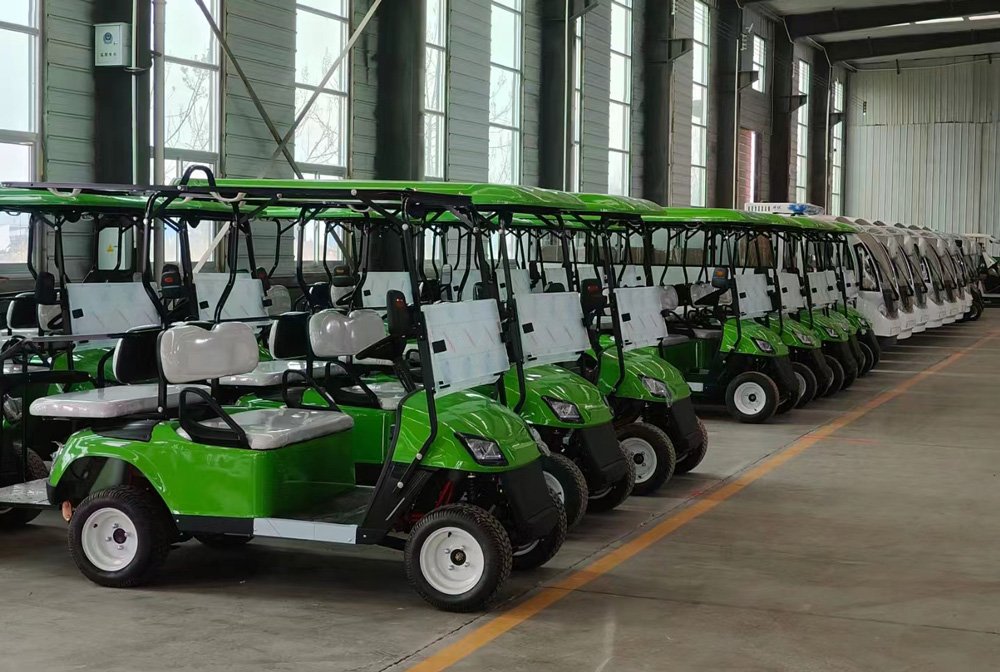
GT Golf Cart – Premium Electric Golf Carts & Low-Speed Vehicles Manufacturer
GT Golf Cart specializes in the design, manufacturing, and global supply of electric golf carts and low-speed vehicles. With over 12 years of industry experience, we deliver reliable mobility solutions for golf courses, resorts, communities, and commercial fleets worldwide.
Our commitment to utilizing high-strength aluminum chassis, automotive-grade LiFePO4 batteries, and internationally recognized AC controllers ensures that every vehicle we export is built for absolute longevity. Whether you are building a custom Custom Golf Cart line for your dealership or upgrading a massive resort fleet, GT provides the manufacturing backbone necessary for your success.Explore GT Golf Cart’s Vehicle Lineup
Frequently Asked Questions (FAQ)
Are Chinese golf carts street legal in the United States?
A golf cart from China can be made street legal if it meets the National Highway Traffic Safety Administration (NHTSA) requirements for a Low-Speed Vehicle (LSV). The manufacturer must provide a 17-digit VIN and install mandatory safety equipment including a DOT windshield, seatbelts, headlights, taillights, turn signals, and mirrors. The vehicle must also be speed-governed to a maximum of 25 MPH.
How do I get replacement parts for a Chinese golf cart?
When purchasing a container from a reputable manufacturer like GT Golf Cart, it is standard commercial practice to order a “spare parts package” (typically 2% to 5% of the total order value) to be shipped inside the same container. This ensures you have immediate access to wear-and-tear items like brake pads, windshields, and solenoids. For critical failures, the factory will express air-freight replacement components.
Is it better to buy Lead-Acid or Lithium batteries from China?
We strongly recommend upgrading to Lithium (specifically LiFePO4) batteries. Chinese manufacturers lead the world in lithium technology. LiFePO4 batteries weigh 70% less than lead-acid, require zero maintenance (no watering), and offer up to 3,000 charge cycles compared to the 500 cycles of traditional lead-acid batteries, resulting in a vastly superior Total Cost of Ownership.
Authoritative Industry References
To ensure our sourcing guidelines align with global regulatory and quality standards, we reference the following authorities:
- International Organization for Standardization (ISO): Defining the ISO 9001 quality management systems that premium overseas manufacturers must adhere to for consistent product reliability. Visit ISO
- National Highway Traffic Safety Administration (NHTSA): Federal guidelines and definitions regarding the importation, safety standards, and VIN requirements for Low-Speed Vehicles (LSVs). Visit NHTSA
- Golf Car Advisor: A leading independent trade publication providing insights into B2B dealer operations, fleet management, and global manufacturing trends within the micro-mobility sector. Visit Golf Car Advisor