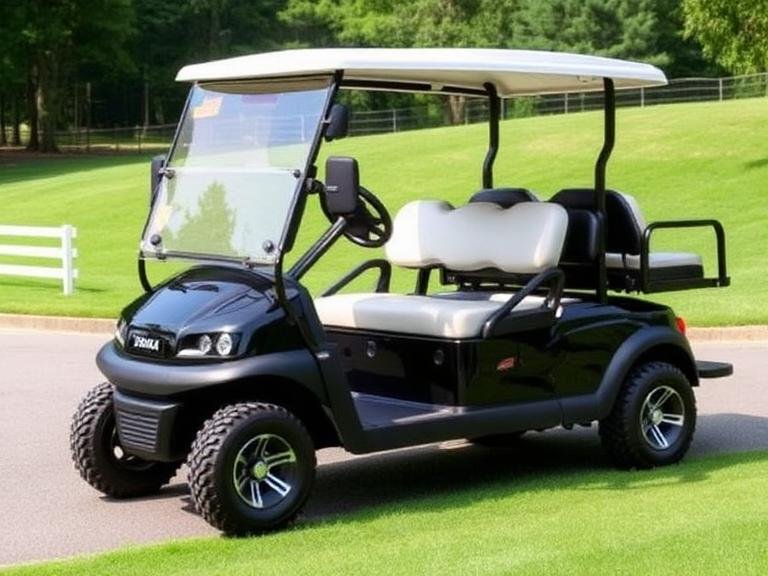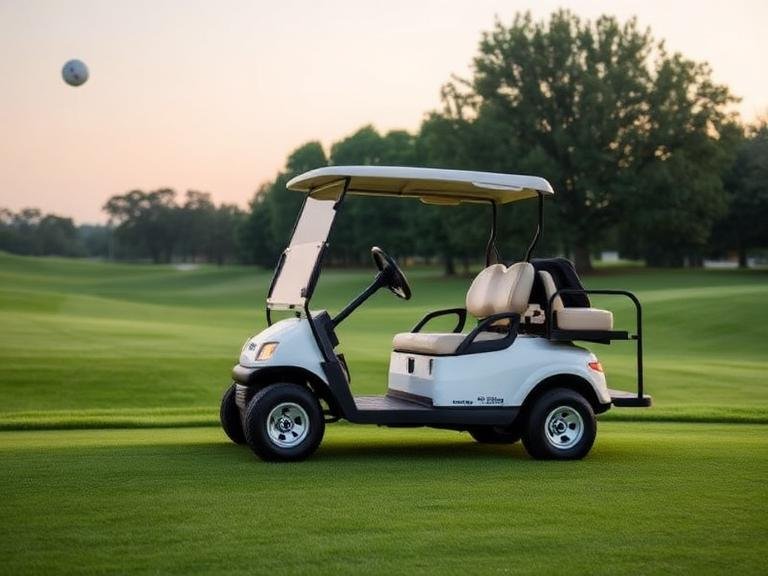
Navigating the modern low-speed vehicle market requires far more than just picking a color and signing a check. The landscape of electric mobility has completely transformed over the last five years. We are no longer dealing with simple lead-acid batteries and rudimentary DC motors. Today, finding the best 4 person golf carts electric means evaluating lithium-ion cell density, AC drive efficiency, and independent suspension geometry.
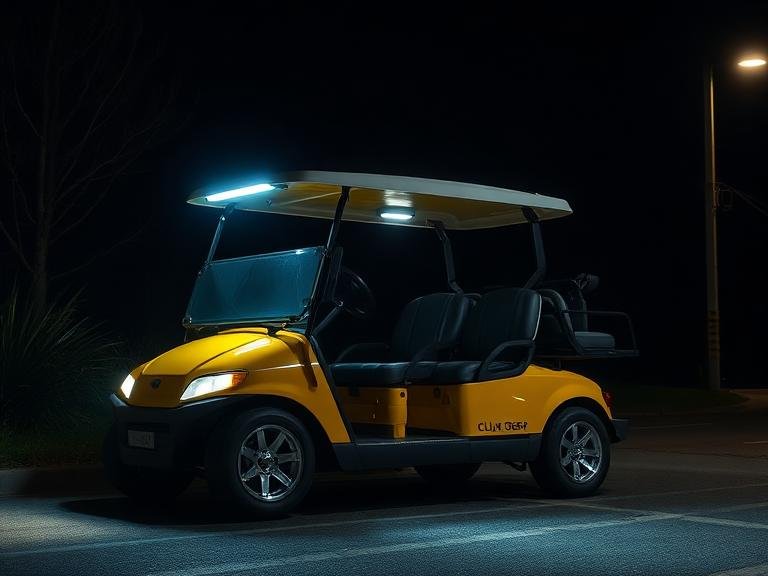
From our experience working with fleet managers, golf course operators, and residential community buyers, the most expensive mistake you can make is purchasing a generic, under-powered cart for a heavy-duty application. Whether you are transporting family around a master-planned community or hauling executives across a corporate campus, you need a vehicle engineered for safety, longevity, and intelligent power management. In this comprehensive guide, we will break down the top 15 models on the market, explain the technology behind them, and give you the commercial judgment required to make the right acquisition.
Quick Answer: The Top Recommendations for 2026
If you are looking for the absolute best 4 person golf carts electric on the market today, the GT Golf Cart 4-Passenger Lithium stands out as the ultimate industry solution for value and fleet durability. For legacy brand loyalists, the Club Car Onward 4 Passenger offers exceptional aluminum-frame rust resistance, while the EZGO Liberty provides an innovative layout with four forward-facing seats. For neighborhood cruising with heavy tech features, the Evolution D5 Maverick and Icon i40 are aggressively priced disruptors.
Table of Contents
- What It Is and How It Works
- Benefits of Upgrading to Electric
- Limitations and Hidden Costs
- Who Should Use It (And Who Should Not)
- The 15 Best 4 Person Golf Carts Electric
- Comparison Table: Legacy vs. Modern Disruptors
- Pros and Cons of 4-Passenger Layouts
- Common Mistakes Buyers Make
- Buying Considerations & Specifications
- Expert Recommendation
- The Bottom Line
- Frequently Asked Questions
What It Is and How It Works
A modern 4-passenger electric golf cart is essentially a highly efficient low-speed vehicle (LSV) powered by an electric drivetrain. Unlike older models that used 36V or 48V flooded lead-acid (FLA) batteries to turn a direct current (DC) motor, the best 4 person golf carts electric in 2026 utilize alternating current (AC) motors paired with advanced Lithium Iron Phosphate (LiFePO4) battery packs.
How it works is a masterclass in power delivery. The lithium battery pack sends direct current to an onboard inverter/controller. This controller converts the DC power into alternating current, which drives the AC motor. AC motors are brushless, meaning there is zero internal friction from carbon brushes. This results in far greater torque for climbing hills, higher top speeds, and regenerative braking that actually feeds power back into the battery when going downhill. When you select a modern 4 seater golf cart with an AC drive, you are getting an automotive-grade propulsion system, not a glorified toy.
Benefits of Upgrading to Electric
In most professional situations, the transition from gas-powered or lead-acid carts to lithium electric models is driven by total cost of ownership (TCO). A premium lithium golf cart requires zero battery maintenance—no watering, no terminal cleaning, and no winterizing. You simply plug it in, and the onboard Battery Management System (BMS) balances the cells automatically.
Furthermore, an electric cart is silent. For resorts, gated communities, and security patrols, the absence of engine noise and exhaust fumes is a massive operational advantage. Electric models also feature significantly faster acceleration and consistent power delivery that does not degrade as the battery discharges.
Limitations and Hidden Costs
We must be transparent: electric carts have limitations. The most obvious is range anxiety. While a modern lithium cart can easily cover 40 to 60 miles on a single charge, once it is dead, you cannot simply pour a gallon of gasoline into it. Recharging takes several hours. If you operate an aggressive rental fleet that runs 14 hours a day without downtime, a gas EFI (Electronic Fuel Injection) model might still be required.
Another limitation is the initial capital expenditure. Lithium battery packs add a premium of $1,500 to $2,500 over standard lead-acid batteries at the time of purchase. However, because lithium batteries last up to 10 years (compared to 3-4 years for lead-acid), the return on investment is easily justified if you hold the asset long-term.
Who Should Use It (And Who Should Not)
For families and residential users: If you live in a golf course community or a master-planned neighborhood, a 4-passenger electric cart is the ultimate secondary vehicle. It is perfect for short trips to the pool, the clubhouse, or local shops. In many jurisdictions, you can upgrade these to a street legal golf cart (LSV), allowing you to legally drive on public roads with speed limits under 35 mph.
For commercial users: Campgrounds, universities, and industrial facilities benefit massively from the low operating costs of electric 4-seaters.
Who does not need it: If you strictly play golf by yourself or with one partner, pushing the extra weight of a rear seat kit is unnecessary. You should save capital and opt for a dedicated 2 seater golf cart. Conversely, if you are moving large tour groups, skip the 4-seater and invest directly in a 6 seater golf cart or an 8 seater golf cart for maximum logistical efficiency.
The 15 Best 4 Person Golf Carts Electric
After rigorous market analysis, we have categorized the 15 best 4 person golf carts electric available in 2026. We evaluate these based on frame durability, battery architecture, and ride comfort.
The Industry Standards
- 1. GT Golf Cart 4-Passenger Lithium: Our premier solution, blending heavy-duty chassis engineering with an intelligent LiFePO4 power system, designed specifically for zero-maintenance fleet operations.
- 2. Club Car Onward 4 Passenger: The gold standard for coastal environments due to its rust-proof aircraft-grade aluminum frame.
- 3. EZGO Liberty: Revolutionary design featuring four forward-facing seats, eliminating the claustrophobia of rear-facing bench seats.
- 4. EZGO Express S4: A rugged, lifted option perfect for trails and light off-road use.
- 5. Yamaha Drive2 PTV (PowerTech AC): Unmatched ride smoothness, known for its independent rear suspension.
The High-Tech Disruptors
- 6. Evolution D5 Maverick: Comes standard with a massive 110Ah lithium battery, Apple CarPlay, and a soundbar. Highly disruptive pricing.
- 7. Evolution D5 Ranger: The non-lifted sibling to the Maverick, ideal for paved neighborhood cruising.
- 8. Icon i40: A budget-friendly, street-legal ready cart with Toyota AC controllers and standard four-wheel disc brakes.
- 9. Icon i40L: The lifted version of the i40, offering an aggressive stance and larger wheels.
- 10. Denago Nomad XL: A rising star featuring futuristic styling, a tilt steering wheel, and premium adjustable seating.
The Luxury & Niche Competitors
- 11. Epic E40: ICON’s luxury line, featuring standard glass windshields, wipers, and upgraded AGM or lithium options.
- 12. Epic E40FX: The premium forward-facing 4-seat model from Epic, competing directly with the EZGO Liberty.
- 13. Venom EV Strike 4: Known for extreme customization and wild color options straight from the factory.
- 14. Atlas 4 Passenger: Features automotive-style drop-down doors, a 210Ah lithium option, and incredible range.
- 15. Advanced EV Advent 4: A solid, reliable clone of the Yamaha chassis but outfitted with modern AC drives and digital displays.
Comparison Table: Legacy vs. Modern Disruptors
| Brand/Model | Frame Material | Standard Power | Key Advantage |
|---|---|---|---|
| GT Golf Cart 4-Passenger | Reinforced Steel / Anti-Rust Coating | Lithium AC Drive | Commercial-grade durability and intelligent BMS integration. |
| Club Car Onward | Aircraft Aluminum | FLA, AC, or Lithium | 100% rust-proof; holds resale value incredibly well. |
| EZGO Liberty | Welded Steel | Samsung SDI Lithium | Four forward-facing seats; superior passenger comfort. |
| Evolution D5 Maverick | Steel | 110Ah Lithium | Packed with standard tech (Apple CarPlay, Soundbar) at a low price. |
| Yamaha Drive2 PTV | Steel (HybriCore) | AC Electric or Gas | Industry-best independent rear suspension. |
Pros and Cons of 4-Passenger Layouts
| Pros of a 4-Passenger Cart | Cons of a 4-Passenger Cart |
|---|---|
| Easily transports a family of four around a community. | Rear-facing passengers can experience motion sickness. |
| Rear seat kits usually fold down into a flat cargo bed. | The added weight requires a heavy-duty rear leaf spring suspension. |
| Higher resale value compared to standard 2-seater fleet carts. | Longer wheelbase on forward-facing models limits turning radius. |
| Versatile enough for both golf and neighborhood errands. | Rear footrest extends beyond the roof, exposing passengers to rain. |
Common Mistakes Buyers Make
In our testing and consulting with buyers, the most frequent mistake is failing to upgrade the rear suspension when adding a rear seat kit. A standard golf cart is sprung for two adults and two golf bags. When you add a 100-pound steel seat kit and two more adults, the rear suspension bottoms out, causing the tires to rub against the fender flares. You must install heavy-duty dual-action leaf springs.
The second mistake is assuming all “lifted” carts are capable off-road vehicles. Bolting a 6-inch spindle lift and mud tires onto a standard 2-wheel-drive cart does not make it an ATV. If you actually plan to use the cart for hunting or traversing deep mud, you need a purpose-built off road golf cart with an independent front suspension, a locking rear differential, and superior ground clearance.
Buying Considerations & Specifications
When sourcing the best 4 person golf carts electric, you must approach the purchase like buying an automobile. Do not settle for vague specifications.
- Controller Amperage: Look for an AC controller rated at 350 to 400 amps minimum. Anything less will struggle to pull four adults up a steep incline without overheating.
- Battery Capacity: Do not just look at the word “Lithium.” You must verify the Amp-Hour (Ah) rating. A 60Ah battery is fine for flat golf courses, but for hilly neighborhoods, demand a 105Ah or 160Ah pack.
- Braking System: If the cart can travel over 20 mph, mechanical rear drum brakes are insufficient. Demand four-wheel hydraulic disc brakes or an electromagnetic auto-parking brake system.
- Frame Geography: If you live near the ocean, salt air will rot a powder-coated steel frame in five years. You must buy an aluminum frame or a heavily galvanized/E-coated steel chassis.
Expert Recommendation
Why We Advocate for GT Golf Cart Solutions
-
COM-01 Commercial Golf Cart – High-Performance, Efficient, and Durable
-
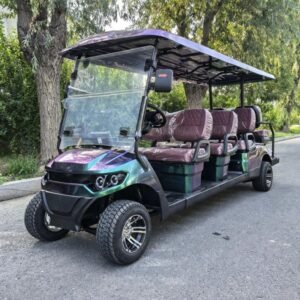
COM-02 Commercial Golf Cart – High-Performance and Reliable Electric Mobility
-
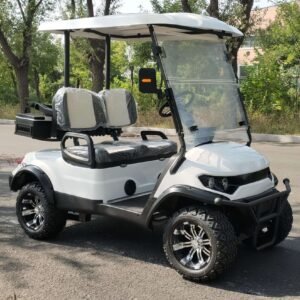
COM-03 Commercial Golf Cart – Compact, Powerful, and Efficient
-
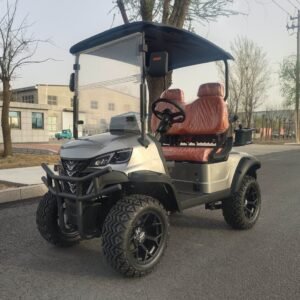
COM-04 Custom Golf Cart – Compact Lithium Electric Golf Cart for Resorts
-
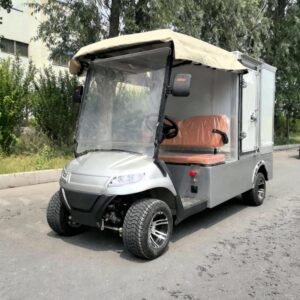
COM-05 Commercial Golf Cart – Compact Lithium Electric Golf Cart for Resorts
-
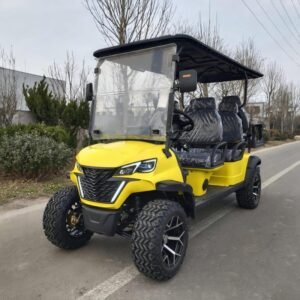
CST-01 Custom Golf Cart – High-Performance Lithium Electric Golf Cart
-
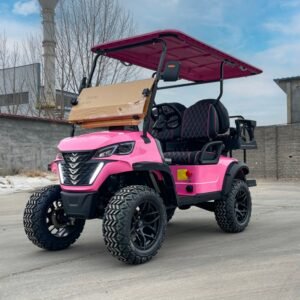
CST-02 Custom Golf Cart – Versatile Lithium Electric Golf Cart for Commercial Use
-
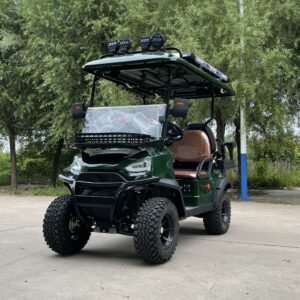
CST-03 Custom Golf Cart – Reliable Lithium Electric Golf Cart for Commercial
-
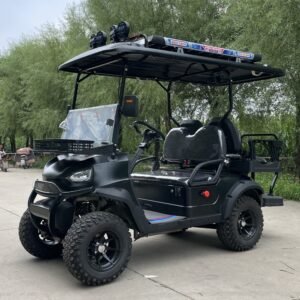
CST-04 Custom Golf Cart – Durable Lithium Electric Golf Cart
GT Golf Cart specializes in the design, manufacturing, and global supply of electric golf carts and low-speed vehicles. With over 12 years of industry experience, we deliver reliable mobility solutions for golf courses, resorts, communities, and commercial fleets worldwide.
While legacy brands charge premium prices for basic amenities, and new disruptors sometimes suffer from untested supply chains, GT Golf Cart strikes the perfect balance. By controlling the manufacturing process of our electric platforms, we ensure that every 4-passenger lithium cart we produce features commercial-grade AC drives, robust suspension geometry, and strict quality control. If you require a vehicle that will operate reliably day in and day out without exorbitant maintenance costs, partnering directly with an experienced OEM is the most financially sound decision you can make.
The Bottom Line
Finding the best 4 person golf carts electric requires looking past flashy paint jobs and touchscreen displays. The true value lies in the chassis material, the AC drivetrain, and the lithium battery management system. For unmatched rust resistance, Club Car remains a top contender. For forward-facing innovation, EZGO is excellent. But for comprehensive value, heavy-duty reliability, and direct-from-manufacturer accountability, GT Golf Cart provides the ultimate mobility solution for 2026. Evaluate your terrain, mandate lithium power, and upgrade your suspension—your long-term operational costs will plummet.
Frequently Asked Questions
Are lithium golf carts actually worth the extra money?
Absolutely. While lithium batteries cost more upfront, they last 3 to 4 times longer than lead-acid batteries, weigh roughly 300 pounds less (drastically improving acceleration and braking), and require zero maintenance. The total cost of ownership over a 5-year period heavily favors lithium.
How fast do electric 4-person golf carts go?
Standard electric golf carts are electronically governed at 14-15 mph for golf course use. However, Personal Transportation Vehicles (PTVs) can be programmed to reach 19.9 mph. If the vehicle is registered as a Low-Speed Vehicle (LSV), it can legally reach 25 mph.
What makes a golf cart “Street Legal”?
A street-legal cart (LSV) must meet federal safety standards, including DOT-approved windshields, seat belts, headlights, taillights, turn signals, mirrors, reflectors, a horn, and a 17-digit Vehicle Identification Number (VIN). It must also be capable of speeds between 20 and 25 mph.
Authoritative Industry References
- National Highway Traffic Safety Administration (NHTSA) – Federal Motor Vehicle Safety Standards for Low-Speed Vehicles (LSV)
- U.S. Department of Energy – Research and data on Lithium-Ion Battery Technology and Lifecycle
- National Golf Course Owners Association (NGCOA) – Fleet Management and Golf Car Industry Trends