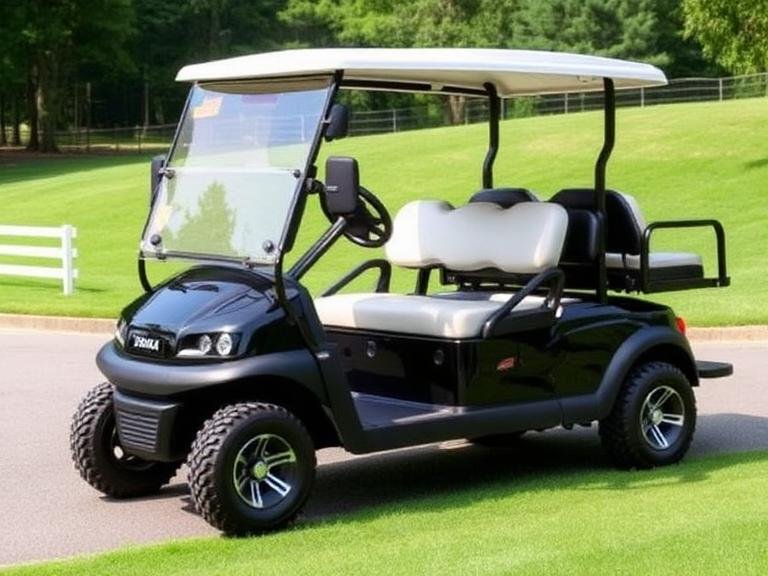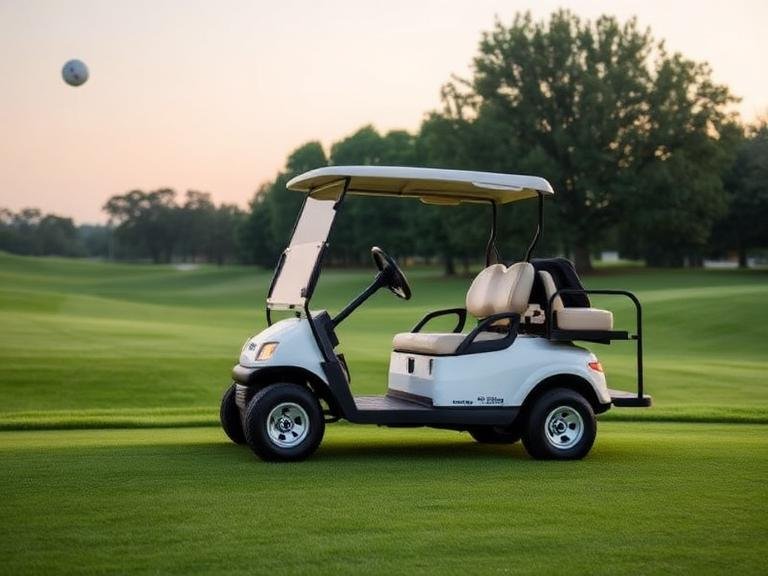
The micro-mobility market in 2026 is experiencing a major expansion, with low-speed vehicles (LSVs) integrating rapidly into neighborhood environments, resort communities, and urban public squares. As multi-acre commercial developments and master-planned municipalities seek cleaner neighborhood transit options, understanding localized regulatory compliance becomes essential. Fleet managers and private community directors frequently face hidden procurement risks when purchasing local transport equipment, confusing traditional fleet golf buggies with street-legal low-speed vehicles. Failing to notice these structural limits can lead to heavy municipal fines, insurance coverage rejections, and severe safety compliance issues on public roadways.
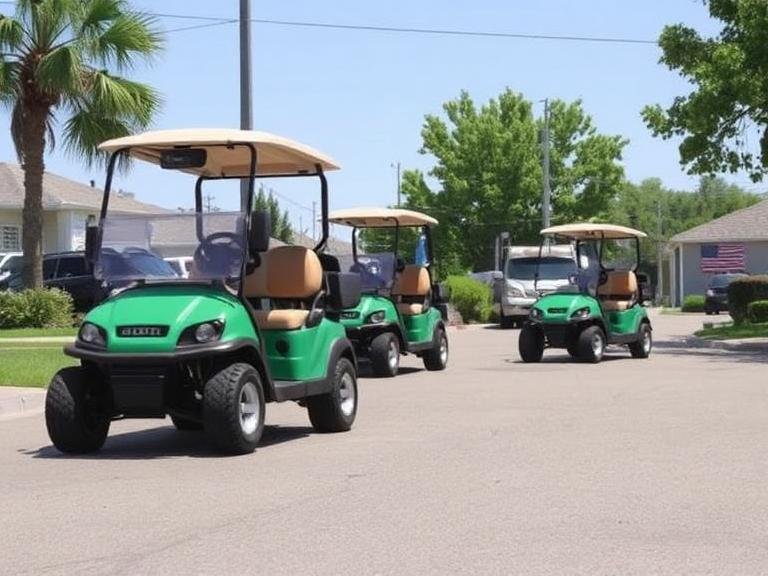
From our experience at GT Golf Cart, modifying an electric vehicle for public road transit requires a complete understanding of department of transportation standards and safety engineering laws. A standard fleet cart is built to operate under strict constraints on soft turf grass, whereas a street-legal machine must feature advanced structural integrity, robust safety parts, and legal registration systems to blend smoothly into mixed automobile traffic routes. Analyzing exactly which specific 5 features distinguish street-legal golf carts from standard layouts ensures that commercial procurement managers, resort directors, and neighborhood associations pick safe, compliant, and cost-efficient vehicle options for their global mobility fleets.
Table of Contents
- 1. Regulatory Foundations: Federal Motor Vehicle Safety Standards
- 2. Structural Deep Dive: The 5 Features That Separate Carts
- 3. Street-Legal vs. Standard Vehicle Configuration Matrix
- 4. Mechanical Evaluation Parameters for Fleet Sourcing Managers
- 5. Electric Mobility Innovation: The GT Golf Cart Supply Standard
- 6. Frequently Asked Questions (FAQs)
- 7. Low-Speed Vehicle Engineering and Federal Standards References
1. Regulatory Foundations: Federal Motor Vehicle Safety Standards
To accurately evaluate how specific vehicle configurations operate safely on local avenues, engineering teams must study federal motor vehicle safety guidelines. In many international regions, a standard neighborhood cart becomes a true low-speed vehicle only when its construction satisfies strict structural and safety laws. These codes mandate that any small vehicle traveling on public streets with a speed limit up to 35 mph must integrate specific automated safety components and maintain a certified maximum operating speed.
We recommend establishing a rigorous mechanical audit of your local municipal codes before finalizing a large vehicle purchase order. Standard fleet options are legally confined to closed resort pathways or private golf fairways. Choosing a vehicle built on a verified street-legal platform allows operators to drive smoothly on public secondary streets, providing immediate convenience while ensuring full compliance with national safety rules.
2. Structural Deep Dive: The 5 Features That Separate Carts
The following technical profiles details the five essential design and mechanical features that distinguish street-legal golf carts from standard configurations.
1. Advanced Department of Transportation (DOT) Lighting Packages
Standard fleet golf carts feature basic incandescent or simple low-lux LED headlights designed solely to illuminate fairways in the early dawn. These basic lights lack the specific beam diffusion, daytime visibility, and electrical circuitry required for heavy road traffic spaces.
From our experience, a true street-legal layout requires a fully integrated, DOT-approved lighting matrix. This system incorporates high-intensity dual-beam LED headlights, clear front and rear turn signal indicators, integrated brake lights, and a white LED license plate illumination shroud. Additionally, high-visibility amber and red reflectors must be positioned around the outer chassis sides to guarantee immediate vehicle visibility to larger incoming automobiles at night.
2. High-Performance Powertrains and Calibrated Speed Thresholds
Traditional resort golf buggies utilize lower-output direct-current motors calibrated to reach top speeds between 12 and 15 mph. This relaxed speed profile protects golf course turf grass and lowers battery drain, but it creates a dangerous traffic bottleneck when driving into modern neighborhood traffic streams.
We recommend sourcing vehicles equipped with advanced alternating-current (AC) brushless motors and high-amperage electronic speed controllers. To satisfy low-speed vehicle criteria, a street-legal machine must hit a calibrated top speed between 20 and 25 mph. This increased speed capability ensures that the vehicle can match the momentum of local city traffic without lagging behind, minimizing collision risks at busy road intersections.
3. Occupant Protection: Certified Seatbelts and Reinforced Windshields
Standard carts are built for quick, frequent step-in accessibility, often featuring open bench seating with minimal side supports or uncertified plastic windscreens that shatter into sharp pieces upon heavy impact.
To comply with strict road-legal codes, a vehicle must incorporate certified safety restraint components. This includes mounting secure three-point retractable seatbelts directly onto reinforced frame pillars for all passengers. Furthermore, the front glass cannot utilize standard cheap acrylic sheet; it must be constructed from DOT-certified automotive laminated safety glass or AS5-rated high-impact polycarbonate to protect passengers from flying road gravel.
4. Full Reflective View Mirror Matrices and Mandatory Horns
Navigating public secondary avenues requires constant situational awareness across multiple lane views. Standard course carts typically feature a single, basic rear-view mirror mount or omit side mirrors entirely, forcing drivers to twist their bodies to check blind spots.
A street-legal vehicle must incorporate a full multi-view mirror system, including an interior panoramic rear-view mirror paired with adjustable, dual exterior side-view mirrors. This complete setup ensures that drivers can spot passing cyclists and oncoming traffic easily. Simultaneously, the platform must include a high-decibel, steering-column-mounted horn to alert other motorists in emergency situations.
5. Official VIN Tracking Plates, Title Paperwork, and Hydraulic Braking Systems
The final feature that distinguishes street-legal golf carts from standard configurations is the integration of an official 17-digit Vehicle Identification Number (VIN) tracking plate. Standard carts use simple, internal tracking serial numbers that local motor vehicle departments cannot register for street licensing.
A street-legal vehicle is manufactured with a permanent, stamped metal VIN plate affixed directly to the main structural frame. This identifier enables owners to secure state license plates, obtain local road registration, and purchase standard automotive liability insurance. To handle higher road speeds safely, the chassis must replace basic mechanical rear drum brakes with advanced four-wheel hydraulic disc braking systems to secure reliable, fade-free stopping power.
3. Street-Legal vs. Standard Vehicle Configuration Matrix
To help property developers, city planners, and resort managers select the ideal mobility platform, the following responsive table outlines how these structural parameters distinguish street-legal golf carts from standard configurations.
| Mechanical Feature | Street-Legal Low-Speed Vehicle (LSV) | Standard Traditional Golf Buggy | Core Strategic Fleet Advantage |
|---|---|---|---|
| Maximum Speed Range | Calibrated between 20 mph and 25 mph | Governed between 12 mph and 15 mph | Matches neighborhood traffic speeds safely |
| Front Windshield Material | DOT-Certified Laminated Automotive Glass | Basic Uncertified Acrylic fold-down sheets | Resists heavy flying gravel and impact fractures |
| Braking Configuration | Four-Wheel Automotive Hydraulic Disc Brakes | Mechanical Rear-Wheel Cable Drum Setup | Delivers shorter stopping distances on asphalt roads |
| Passenger Safety Gear | Certified 3-Point Retractable Seatbelts | Open-Bench Step-In Hip Restraint Bars | Protects occupants during unexpected road collisions |
| Vehicle Registry Code | Official 17-Digit Stamped Frame VIN Plate | Simple Factory Internal Serial Number Tag | Enables state registration and road licensing |
| Lighting Assembly | Full DOT LED Array with Turn Indicators | Basic Low-Lux Headlights & Tail Lamps | Guarantees 24/7 visibility to oncoming automobiles |
4. Mechanical Evaluation Parameters for Fleet Sourcing Managers
Sourcing commercial mobility equipment for public communities or urban developments requires an evaluation process that looks deeper than basic paint finishes or luxury seating upgrades. To safeguard your capital investment and ensure maximum safety, we recommend implementing a strict verification protocol built upon four core technical pillars:
- Structural Chassis Multipliers: The vehicle frame must be welded from high-tensile structural aluminum or powder-coated steel to handle continuous road vibration without suffering metal fatigue.
- BMS-Integrated Lithium Power: Modern fleets require advanced lithium-ion battery packs managed by smart battery management systems (BMS) to ensure consistent power output and quick charging cycles.
- Suspension Geometry Isolation: Moving at higher road speeds demands a robust independent front suspension configuration paired with rear coil-over shocks to keep the vehicle stable and smooth on rough streets.
- Certified Regenerative Braking: Specifying electronic controllers with programmable regenerative braking helps recover energy during deceleration, extending your vehicle’s range while reducing wear on mechanical brake pads.
5. Electric Mobility Innovation: The GT Golf Cart Supply Standard
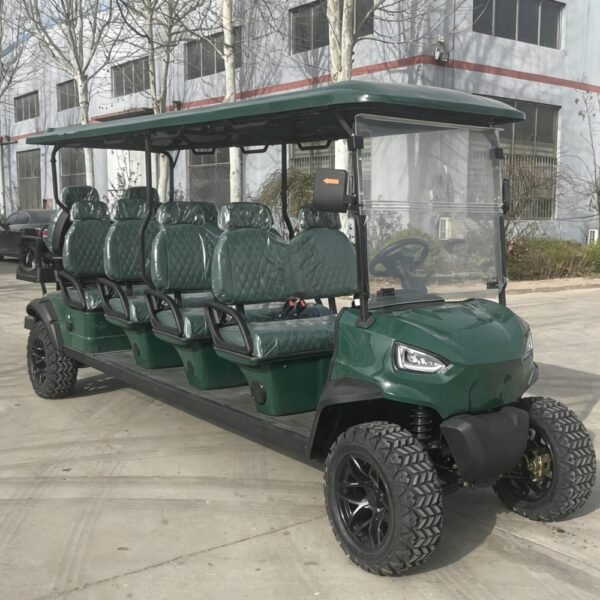
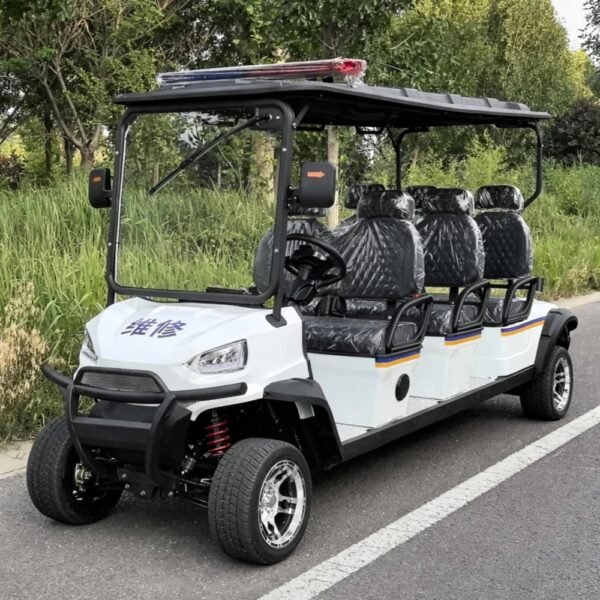
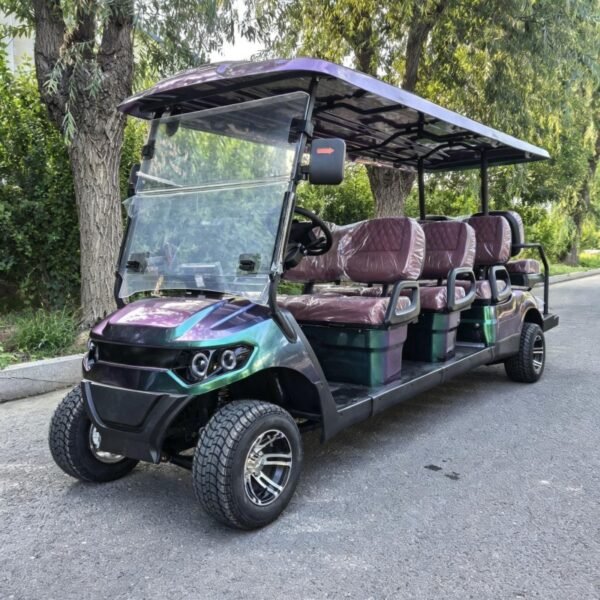
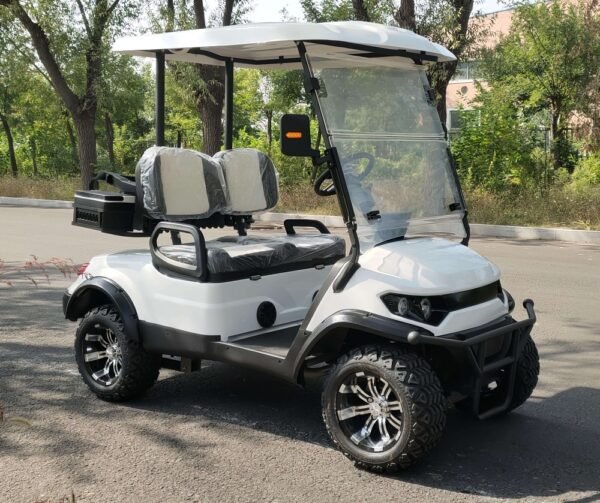
While mastering the five features that distinguish street-legal golf carts from standard configurations is essential for proper project planning, deploying a reliable fleet relies on selecting a trusted manufacturing partner. GT Golf Cart specializes in the design, manufacturing, and global supply of electric golf carts and low-speed vehicles. With over 12 years of industry experience, we deliver reliable mobility solutions for golf courses, resorts, communities, and commercial fleets worldwide. Our state-of-the-art production facility controls all metallurgy welding, electronic alignment, and safety testing loops to deliver outstanding durability for residential and commercial spaces alike.
Our comprehensive vehicle lineup helps corporate procurement directors quickly build highly efficient custom fleets. For example, developers designing unique local transit systems can browse our specialized custom golf carts portfolio. To elevate the visitor experience at high-end resorts and luxury private clubs, curators can specify our premium luxury golf carts array.
Furthermore, complete municipal mobility integration relies on deploying vehicles engineered directly for public secondary roadways. Property managers can explore our certified, DOT-compliant options through our dedicated street legal golf cart and road legal golf cart segments. For tough maintenance tasks, grounds keeping, or security operations, your logistics teams can integrate our rugged utility golf cart modules.
Finally, balancing passenger capacity against your community’s active transit demands requires offering versatile seating layouts. For standard family transport and small guest shuttles, we offer our flagship 4 seater golf cart configurations. For high-volume guest transport, airport transfers, and group tour routes, engineers can specify our heavy-duty 6 seater golf cart platforms to maximize fleet efficiency and secure your global mobility investments.
6. Frequently Asked Questions (FAQs)
What specific 5 features distinguish street-legal golf carts from standard configurations?
The five essential features include a full DOT-approved LED lighting package with turn signals, an upgraded AC motor powertrain capable of reaching speeds between 20 and 25 mph, certified three-point retractable seatbelts paired with a laminated safety glass windshield, a full multi-view mirror matrix with an integrated horn, and an official stamped 17-digit tracking VIN plate for state road registration.
Can you legally drive a standard fleet golf cart on secondary public streets?
In most jurisdictions, driving a standard fleet cart on public streets is illegal. Traditional golf carts lack the mandatory safety equipment, calibrated speed thresholds, and stamped VIN plates required by local motor vehicle departments for public road access.
Why are four-wheel hydraulic disc brakes required for street-legal low-speed vehicles?
Moving at road speeds up to 25 mph multiplies the kinetic energy of the vehicle compared to traveling on a golf course. Hydraulic disc brakes deliver the immediate, fade-free stopping power needed to stop safely on wet asphalt, outperforming standard mechanical cable drum setups.
How does a stamped 17-digit VIN plate lower risk for commercial property fleets?
A stamped 17-digit VIN allows the vehicle to be officially registered, titled, and insured through standard commercial automotive liability policies. This formal registry minimizes legal liabilities for property owners if a vehicle operates on secondary public roadways.
7. Low-Speed Vehicle Engineering and Federal Standards References
1. National Highway Traffic Safety Administration (NHTSA). (2024). Federal Motor Vehicle Safety Standards: Low-Speed Vehicles (49 CFR 571.500). Washington, DC: Department of Transportation. Available via the official repository at https://www.nhtsa.gov/)
2. International Organization for Standardization. (2023). Electrically propelled road vehicles — Safety specifications and dynamic performance testing criteria for low-speed urban transport configurations (ISO Standard No. 13063:2022). Available via https://www.iso.org/)
3. Society of Automotive Engineers (SAE). (2025). Braking Performance Standards, Powertrain Efficiency Metrics, and Laminated Safety Glass Guidelines for Neighborhood Electric Vehicles. SAE Technical Reference Database.