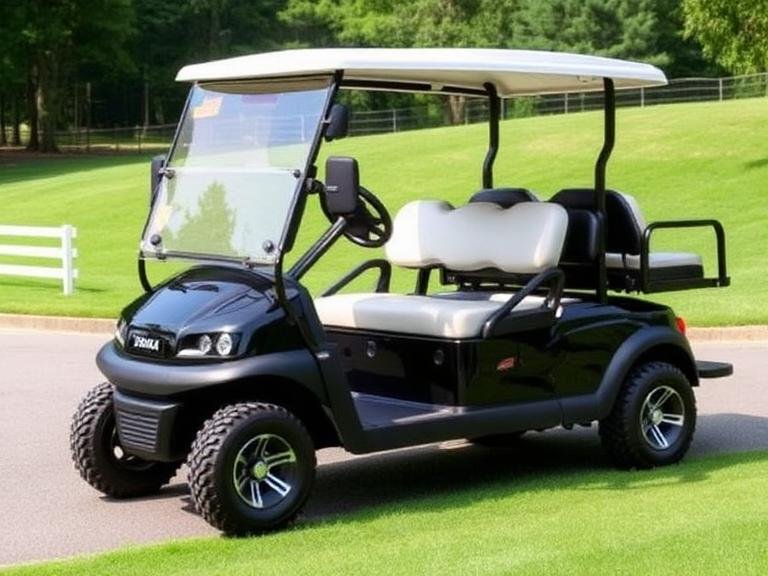
The low-speed personal transportation vehicle (PTV) market across the United States has undergone a permanent, technology-driven evolution. Golf carts are no longer confined exclusively to the fairways of country clubs. Today, they serve as foundational multi-passenger neighborhood electric vehicles (NEVs), resort shuttles, and commercial facility utility transports. Navigating an electric golf cart purchase in the current market requires a sophisticated framework that stretches beyond simple body color or seating selections. Buyers must systematically evaluate powertrain configurations, state-level road compliance criteria, and long-term lifecycle expenditures.
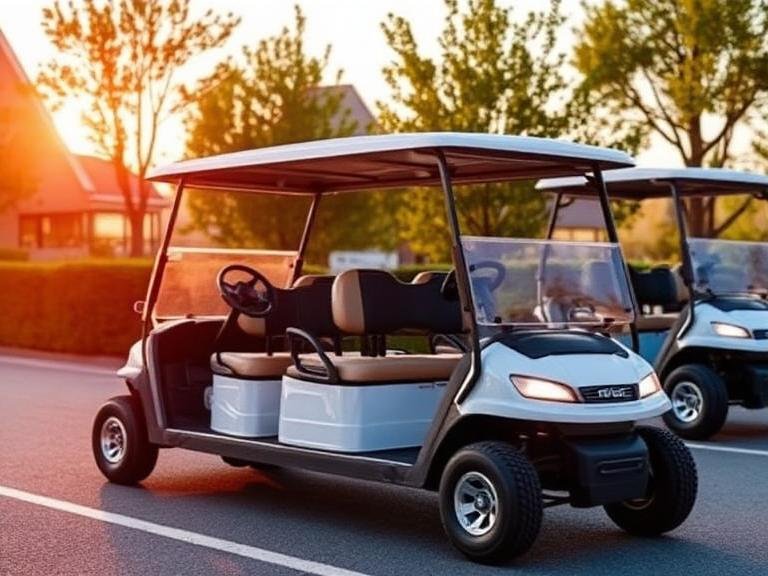
At GT Golf Cart, we leverage over 12 years of specialized industry experience in design, engineering, and manufacturing to deliver reliable mobility solutions for golf courses, master-planned communities, and commercial fleets worldwide. From our experience, many individual buyers and procurement managers make the critical mistake of selecting vehicles based purely on upfront retail pricing. They frequently end up with outdated lead-acid drivetrains that suffer from premature voltage drops or non-compliant frames that fail local Department of Motor Vehicles (DMV) safety checks. This definitive manual outlines five strategic pathways to execute a successful electric golf cart purchase in the USA, breaking down powertrain physics, regulatory compliance checklists, and fleet management variables.
Table of Contents
- 1. Technical Overview: Procurement Pathways and Vehicle Profiling
- 2. Powertrain Mechanics: The Shift to Lithium Technology
- 3. 5 Strategic Ways to Execute Your Electric Golf Cart Purchase
- 4. Regulatory Checklists: Navigating LSV vs. PTV Design Boundaries
- 5. Frequently Asked Questions (FAQs)
- 6. Regulatory and Industrial Vehicle References
1. Technical Overview: Procurement Pathways and Vehicle Profiling
Before deploying capital into individual inventory or a corporate fleet, you must align your target application with the correct chassis classification. The table below outlines how modern electric mobility vehicles segment across the US marketplace in 2026.
| Vehicle Classification | Optimal Battery Chemistry | Top Speed Range | Legal Road Access | Primary Sourcing Target |
|---|---|---|---|---|
| Standard Personal Transport (PTV) | Lithium Ion or AGM Lead-Acid | 12 to 19 mph | Gated communities and golf fairways only | Recreational neighborhood use and short golf rounds |
| Street Legal Low-Speed Vehicle (LSV) | High-Capacity LiFePO4 | 20 to 25 mph | Public roads marked 35 mph or slower (FMVSS 500) | Daily municipal commuting and public road transit |
| Heavy-Duty Commercial Utility | High-Output AC Lithium | 15 to 25 mph | Internal facilities or public roads (if LSV rated) | Industrial cargo hauling, resort facility upkeep, and logistics |
| Bespoke Lifestyle Platform | Customized Advanced Lithium | 19 to 25 mph | Varies by configuration and local municipal laws | Premium hospitality, luxury estates, and marketing fleets |
2. Powertrain Mechanics: The Shift to Lithium Technology
To execute a smart electric golf cart purchase, you must understand the major chemical shift occurring in vehicle energy storage. Traditional flooded lead-acid batteries, which required constant distilled water topping and suffered from heavy terminal corrosion, are rapidly disappearing from the modern marketplace. High-performance configurations now rely on advanced Lithium Iron Phosphate (LiFePO4) or high-density Lithium-Ion battery modules.
From our experience, lithium technology offers an unmatched total cost of ownership reduction. A lithium battery pack is up to 70% lighter than a lead-acid set, instantly removing several hundred pounds of dead weight from the vehicle chassis. This massive weight reduction lowers structural stress on your suspension frames, reduces mechanical wear on rear axle bearings, and eliminates the Peukert voltage drops common under heavy hill loads. Furthermore, lithium power packs support deep-cycle discharges up to 90% without plate degradation, delivering consistent speed and torque from the first start to the final mile of your round.
From Our Experience: The Hidden Cost of Low-Spec Conversions
We recommend avoiding aftermarket street-legal conversion kits applied to old, low-speed golf cart frames. Many buyers think they can save money by purchasing a basic used cart and manually adding a high-speed controller to boost the top speed past 20 mph. Doing this without upgrading the front mechanical drum brakes to dual hydraulic disc brakes creates a severe safety hazard, as the stock braking systems are completely unrated for high-velocity kinetic stops.
3. 5 Strategic Ways to Execute Your Electric Golf Cart Purchase
Way 1: Prioritize Integrated Lithium Drivetrains over Legacy Systems
When selecting your base chassis configuration, we recommend investing exclusively in integrated lithium power options. Sourcing an advanced lithium golf cart platform guarantees that the vehicle’s onboard battery management system (BMS) communicates directly with the motor controller’s voltage curve. This seamless integration protects the lithium cells from over-discharge, optimizes thermal parameters during rapid charging, and extends the overall battery lifespan to over 3,500 continuous cycles, far outpacing legacy lead-acid alternatives.
Way 2: Sourcing via Factory-Certified OEM Customization Channels
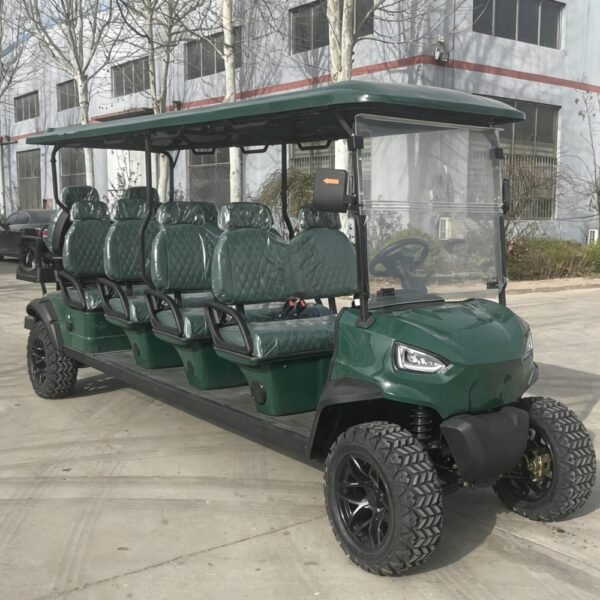
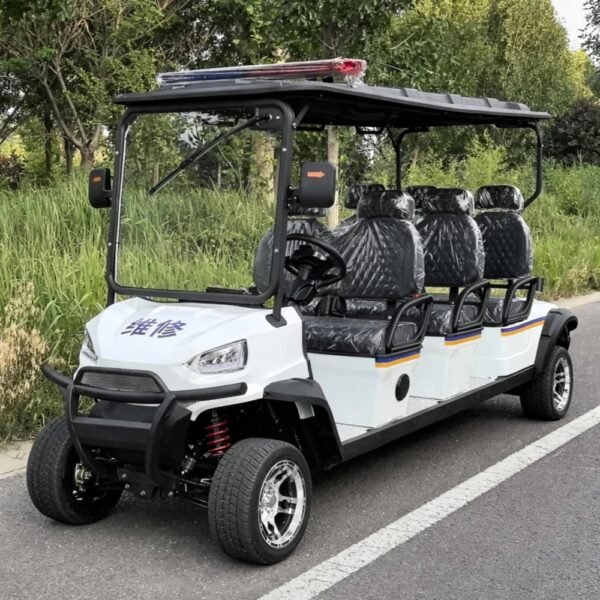
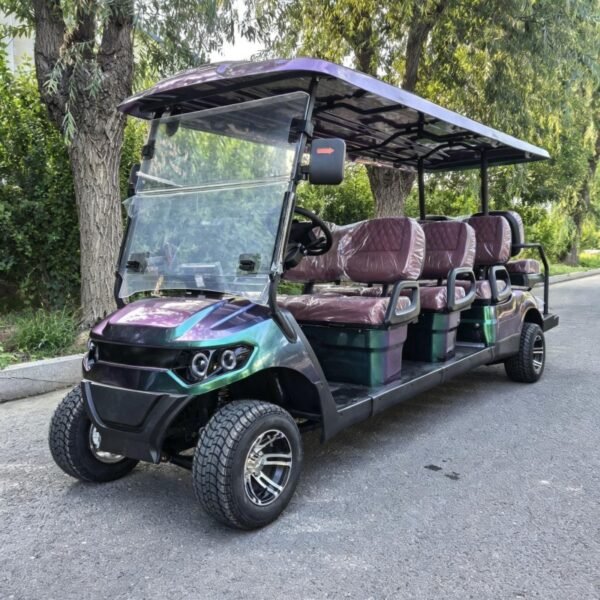
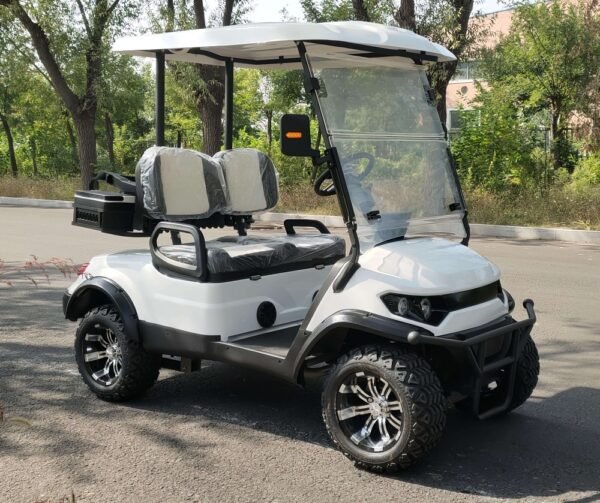
If your property or resort requires a unique aesthetic presentation or specialized branding integration, navigating through factory-certified custom golf carts pipelines is the ideal approach. Sourcing directly from an OEM design channel allows you to specify custom extended wheelbases, high-strength aluminum body panels, and custom paint match codes straight from the assembly line. This method avoids the structural cracking, loose wiring harnesses, and rattling panels common with aftermarket modification shops.
Way 3: Deploying Premium Luxury Configurations for Hospitality Branding
For country clubs, upscale real estate operations, and luxury resorts trying to command premium positioning, deploying a fleet of high-end vehicles can enhance the overall customer experience. Investing in certified luxury golf carts delivers premium upgrades like marine-grade double-stitched contoured seating, independent front MacPherson strut suspensions, and integrated touchscreen dash panels with built-in Bluetooth audio and backup cameras. These high-spec features transform simple point-to-point transit into a smooth, premium experience that builds deep brand affinity.
Way 4: Navigating Federal and State DMV Licensing for Street Legal Use
If your intended driving routes include crossing or driving alongside public neighborhood roads, purchasing a non-regulated golf cart can lead to immediate local police citations. You must purchase a factory-vetted street legal golf cart that complies fully with the National Highway Traffic Safety Administration’s (NHTSA) FMVSS 500 mandate. These vehicles ship directly from the factory with a stamped 17-digit Vehicle Identification Number (VIN), allowing you to title, license, and insure your vehicle through your state’s DMV just like a standard passenger automobile.
Way 5: Deploying Specialized Utility Platforms for Facility Management
For industrial parks, multi-acre manufacturing facilities, and heavy-duty resort property management, a standard passenger vehicle is insufficient. We recommend choosing a purpose-built utility golf cart configuration equipped with a high-torque 5,000W AC motor and a heavy-duty cargo box. These utility models feature reinforced steel rear leaf spring packages and expanded cargo beds capable of hauling tools, maintenance supplies, or hospitality cargo across rugged off-road terrains without compromising drivetrain efficiency.
4. Regulatory Checklists: Navigating LSV vs. PTV Design Boundaries
To ensure a safe and legal electric golf cart purchase, buyers must understand that the boundary between a personal golf cart and a street-legal vehicle is strictly defined by federal law under 49 CFR 571.500.
| Required Safety Equipment | Standard Personal Golf Cart (PTV) | Federal Street Legal Low-Speed Vehicle (LSV) |
|---|---|---|
| 17-Digit Stamped VIN Plate | Absent (Serial Number Only) | Mandatory from the assembly factory |
| Top Speed Capability | Typically restricted under 20 mph | Must achieve between 20 mph and 25 mph |
| Automotive Safety Belts | Optional / Aftermarket Accessory | Mandatory DOT-Approved Type 1 or Type 2 at all seats |
| Windshield Glazing Material | Acrylic or Polycarbonate Fold-down | Mandatory DOT-Approved AS-1/AS-4 Rigid Windshield |
| Turn Signal and Stop Lamp Array | Optional Aftermarket Kits | Mandatory high-visibility flashing LED array |
| Pedestrian Alert Sound / Horn | Absent | Mandatory integrated warning horn system |
| Rearview Visibility Metrics | Standard single panel mirror | Mandatory driver-side exterior mirror + interior mirror |
| Backup Safety Camera System | Absent | Mandatory integrated rear-facing video feed |
Understanding Tax Credits and Financial Tracking in 2026
When structuring your purchasing budget, keeping an eye on changing legislative dynamics is important. It is vital to note that the generous federal EV purchase tax credits under Section 30D and Section 25E officially phased out for clean vehicles delivered after September 30, 2025. While federal buying credits are no longer active this season, smart corporate procurement managers can still stack localized benefits to lower setup costs. Many states—such as Illinois, Colorado, and California—continue to offer independent regional clean-vehicle rebates. Additionally, local utility companies frequently offer financial incentives or competitive time-of-use electrical rate discounts if you install a certified Level 2 charging station on your commercial property before June 30, 2026.
5. Frequently Asked Questions (FAQs)
What is the exact legal difference between a PTV and a factory-certified LSV?
A Personal Transport Vehicle (PTV) is designed primarily for speeds under 20 mph and is legally restricted to golf courses and private gated pathways. A Low-Speed Vehicle (LSV) is engineered from the factory to meet federal FMVSS 500 safety standards, possesses a top speed between 20 and 25 mph, carries a unique 17-digit VIN plate, and can be legally driven on public roads with posted speed limits of 35 mph or lower.
Can I drive a street-legal golf cart on major US interstates or highways?
No. All 50 states strictly prohibit LSVs and street-legal golf carts from driving on public highways, freeways, interstates, or any roadway classified as a limited-access highway. They are limited to municipal public roads with posted speed limits of 35 mph or lower (or up to 45 mph in specific state jurisdictions).
How long does a modern lithium golf cart battery pack last before needing a replacement?
High-grade Lithium Iron Phosphate (LiFePO4) battery packs are designed to last between 3,000 and 4,000 deep-discharge cycles while retaining over 80% of their original factory capacity. Under normal residential or light commercial operating conditions, this translates to nearly 10 years of continuous use, far outlasting standard lead-acid batteries.
Do I need a valid driver’s license and auto insurance to operate an LSV?
Yes. Because an LSV is registered and titled as a motor vehicle through your state’s DMV, the operator must hold a valid driver’s license (typically age 16 or older). Furthermore, the vehicle must be covered by a current auto insurance policy that meets your state’s minimum requirements for third-party liability coverage.
Are there still federal tax incentives available for purchasing an electric golf cart?
No. The federal clean vehicle tax credits that provided up to $7,500 for qualifying electric vehicles officially expired for purchases made after September 30, 2025. However, buyers should check with their local municipal offices and regional utility providers, as many states and electric companies still offer independent rebates and charging infrastructure credits.
6. Regulatory and Industrial Vehicle References
For official federal safety standards, vehicle registration guidelines, and industrial electric mobility research, consult these authoritative international organizations:
- National Highway Traffic Safety Administration (NHTSA). Federal Motor Vehicle Safety Standard FMVSS 500 – Low-Speed Vehicle Compliance Regulations (49 CFR 571.500).
- Internal Revenue Service (IRS). Clean Vehicle Tax Credits Phase-Out Guidelines and Alternative Fuel Refueling Infrastructure Code.
- Society of Automotive Engineers (SAE). SAE J2358 Standard for Low-Speed Vehicle Design, Handling, and Roll-Over Protection Mechanics.