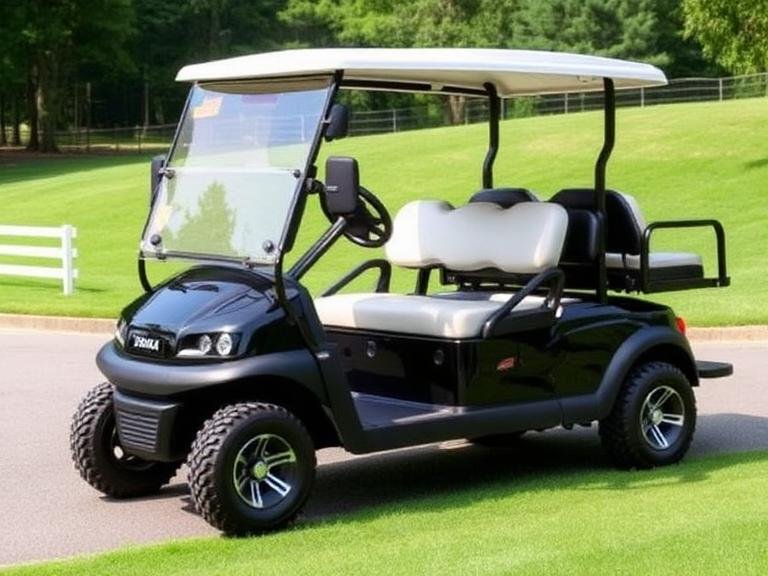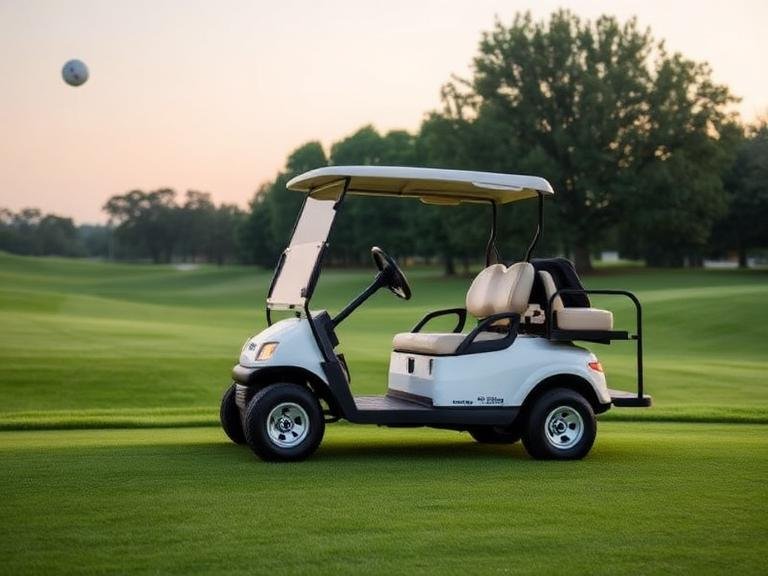
The electric mobility landscape has undergone a massive transformation over the past decade. As we navigate through 2026, golf carts have evolved far beyond the fairways. They are now an integral part of neighborhood transportation, resort logistics, and commercial fleet management. At GT Golf Cart, we specialize in the design, manufacturing, and global supply of electric golf carts and low-speed vehicles. With over 12 years of industry experience, we deliver reliable mobility solutions for golf courses, resorts, communities, and commercial fleets worldwide.
One of the most frequent inquiries we receive from fleet managers and private buyers is regarding current golf cart prices. Understanding the exact variables that influence these costs is critical to making a sound investment. The 2026 market presents a unique convergence of advanced lithium-ion battery technology, supply chain stabilization, and enhanced safety features. From our experience, buyers who solely focus on the initial sticker shock often overlook the long-term total cost of ownership. In this comprehensive guide, we will analyze the current state of golf cart prices, dissect the costs based on passenger capacity, and provide expert recommendations to optimize your procurement strategy.
Table of Contents
- Summary Table: 2026 Golf Cart Prices by Capacity
- Factors Influencing Golf Cart Prices in 2026
- Detailed Breakdown of Golf Cart Prices by Passenger Capacity
- Total Cost of Ownership vs. Initial Golf Cart Prices
- Expert Advice: Fleet Procurement Strategies
- Frequently Asked Questions (FAQs)
- Industry References
Summary Table: 2026 Golf Cart Prices by Capacity
To provide immediate clarity, we have compiled a summary table reflecting the average wholesale and retail golf cart prices in 2026. These figures represent industry averages for standard, lithium-equipped electric models. Customizations, lift kits, and street-legal low-speed vehicle (LSV) packages will alter these base figures.
| Vehicle Type | Average 2026 Base Price Range (USD) | Primary Application | Key Cost Driver |
|---|---|---|---|
| 2 Passenger Golf Cart | $6,500 – $8,500 | Traditional Golf Courses, Maintenance | Standard Fleet Optimization |
| 4 Passenger Golf Cart | $8,500 – $12,000 | Residential Communities, Families | Rear Seat Kits, LSV Compliance |
| 6 Passenger Golf Cart | $11,000 – $15,500 | Resorts, Hospitality, Large Families | Extended Chassis, Upgraded Motor |
| 8 Passenger Golf Cart | $14,500 – $18,000 | Campus Tours, Commercial Transport | Heavy-Duty Suspension, High-Amp Controller |
| 10 Passenger Golf Cart | $17,000 – $22,000 | Theme Parks, Large Event Venues | Reinforced Frame, Dual Battery Banks |
Factors Influencing Golf Cart Prices in 2026
We recommend looking beyond the chassis when evaluating golf cart prices. The core technology powering these vehicles dictates the upfront cost. In 2026, the transition from traditional lead-acid batteries to lithium-iron-phosphate (LiFePO4) power banks is complete. While lithium batteries initially drove golf cart prices upward a few years ago, manufacturing scale has normalized these costs. However, lithium integration requires advanced Battery Management Systems (BMS) and efficient AC drive motors, which establishes a higher base price compared to the obsolete DC motor carts of the past.
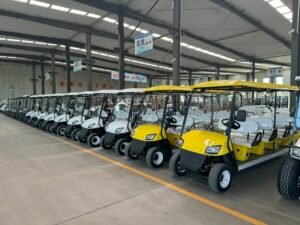
Furthermore, supply chain logistics and raw material costs for aluminum (used in rust-proof frames) and advanced thermoplastics (used in modern cowlings) continue to fluctuate. At GT Golf Cart, our 12 years of industry experience have allowed us to build highly resilient supply chains, enabling us to stabilize golf cart prices for our global distribution partners without compromising on our rigorous safety and quality standards.
Detailed Breakdown of Golf Cart Prices by Passenger Capacity
The intended use case directly dictates the required passenger capacity, which is the most significant factor affecting golf cart prices. Below is our expert breakdown of the different vehicle classes.
The 2 Passenger Golf Cart Market
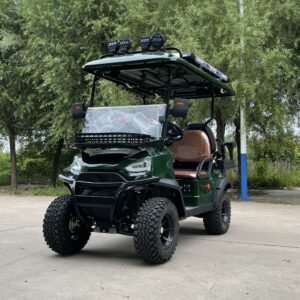
The traditional 2 Passenger Golf Cart remains the backbone of country clubs and golf courses worldwide. Because these vehicles are typically purchased in fleet quantities of 50 to 100 units, economies of scale heavily influence their pricing. In 2026, standard golf cart prices for these units range from $6,500 to $8,500. Features like GPS yardage integration and automated fleet management tracking can push these golf cart prices to the higher end of the spectrum. We recommend standardizing your fleet with aluminum frames and AC powertrains to maximize operational lifespan.
The 4 Passenger Golf Cart Market
The 4 Passenger Golf Cart is currently the highest-selling configuration in the consumer market. Primarily used in master-planned communities and beach towns, these carts feature a rear-facing fold-down seat. The golf cart prices for 4-passenger models generally fall between $8,500 and $12,000. Upgrades such as lifted suspensions, all-terrain tires, and Department of Transportation (DOT) approved windshields and seatbelts for LSV street legality will noticeably increase golf cart prices. From our experience, investing in LSV compliance directly enhances the vehicle’s resale value.
The 6 Passenger Golf Cart Market
For boutique hotels, resorts, and large families, the 6 Passenger Golf Cart offers the perfect balance of footprint and capacity. Because these vehicles require a stretched aluminum chassis, longer wiring harnesses, and higher-output motors to handle the increased gross vehicle weight, the golf cart prices naturally escalate, averaging between $11,000 and $15,500. We recommend ensuring that any 6-passenger vehicle you procure features a heavy-duty transaxle and four-wheel hydraulic disc brakes, as standard mechanical drum brakes are insufficient for the payload.
The 8 Passenger Golf Cart Market
Moving into the realm of pure commercial utility, the 8 Passenger Golf Cart is a specialized vehicle. Widely utilized for university campus tours, airport shuttle services, and large resort transit, these models demand robust engineering. Golf cart prices in this category span from $14,500 to $18,000. The cost reflects the necessity for heavy-duty leaf springs, high-amp AC controllers, and often, independent front suspension systems to maintain passenger comfort under maximum load.
The 10 Passenger Golf Cart Market
The apex of low-speed people movers is the 10 Passenger Golf Cart. These highly customized vehicles are engineered for theme parks, massive commercial properties, and stadium transport. Because of the sheer physical length of the chassis, these carts require specialized manufacturing jigs and extensive structural reinforcement. Consequently, golf cart prices for 10-passenger models range from $17,000 to $22,000. From our experience, procuring these vehicles requires a direct relationship with a capable manufacturer like GT Golf Cart to ensure the powertrain is specifically geared for the intended topography.
Total Cost of Ownership vs. Initial Golf Cart Prices
A professional procurement strategy must account for the Total Cost of Ownership (TCO). While standard golf cart prices represent the capital expenditure, operating expenditures will dictate long-term viability. Lithium-ion technology, while presenting a slightly higher initial barrier to entry, eliminates the need for monthly battery watering, terminal cleaning, and acid spill remediation. Furthermore, a modern lithium battery pack will last between 8 to 10 years, whereas traditional lead-acid batteries require complete replacement every 3 to 4 years.
When you evaluate golf cart prices over a decade, a $10,000 lithium cart is mathematically more economical than an $8,000 lead-acid cart that will require $2,500 in battery replacements and extensive maintenance labor. We recommend factoring in energy efficiency, maintenance downtime, and vehicle depreciation when assessing overall golf cart prices.
Expert Advice: Fleet Procurement Strategies
For commercial operators and golf course managers, timing your fleet acquisition can optimize golf cart prices. Many manufacturers offer volume incentives or seasonal discounts during Q3 and Q4 when anticipating the next year’s product lineup. Additionally, working directly with a manufacturer like GT Golf Cart eliminates middleman distributor markups, significantly reducing per-unit golf cart prices.
We recommend establishing a transparent dialogue regarding your specific terrain, daily mileage requirements, and local climate. This allows us to tailor the controller programming and tire selection to your exact needs, ensuring you do not pay for unnecessary upgrades while avoiding the hidden costs of an under-equipped vehicle.
Frequently Asked Questions (FAQs)
Why have golf cart prices increased over the last five years?
Golf cart prices have adjusted primarily due to the universal shift toward lithium-ion battery technology, AC drive motors, and enhanced safety features like digital dashboards and hydraulic braking systems. Additionally, global inflation and raw material costs for aluminum and copper have impacted base manufacturing costs.
What makes a 4 Passenger Golf Cart street legal?
To be classified as a Low Speed Vehicle (LSV) and legally driven on roads with speed limits of 35 mph or less (depending on local jurisdiction), the vehicle must include DOT-approved windshields, seatbelts, turn signals, headlights, taillights, a horn, mirrors, and a Vehicle Identification Number (VIN). Adding these components increases base golf cart prices.
Are used golf cart prices significantly lower than new ones?
While refurbished golf cart prices can be 20% to 30% lower than new models, from our experience, buyers must be cautious. A used cart may require immediate battery replacement or suspension work, which quickly negates the initial savings. We recommend investing in new vehicles backed by a comprehensive manufacturer warranty for peace of mind.
Does GT Golf Cart offer customized fleet pricing?
Yes. With over 12 years of industry experience, GT Golf Cart provides highly competitive, volume-based golf cart prices for golf courses, resorts, and commercial fleets worldwide. We offer bespoke configurations across our 2, 4, 6, 8, and 10 passenger lines to meet your operational budget.
Industry References
To ensure our readers have access to authoritative data regarding low-speed vehicle safety and environmental standards, we recommend reviewing the following resources: