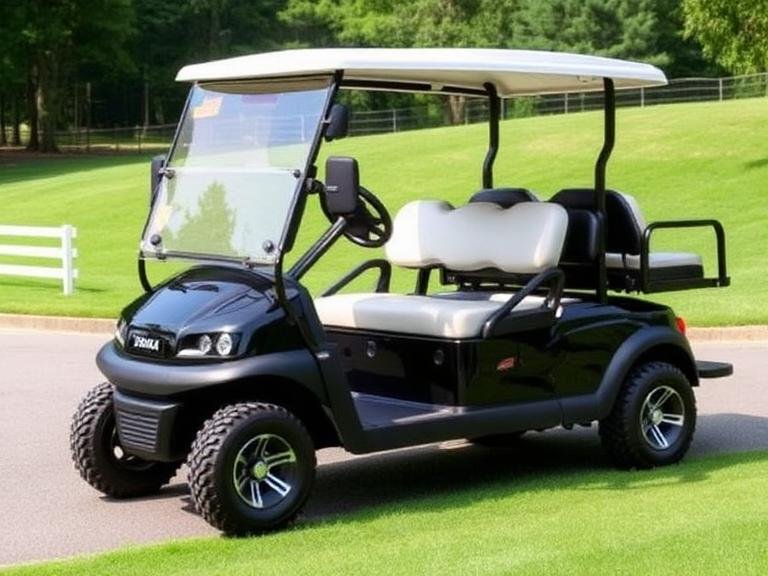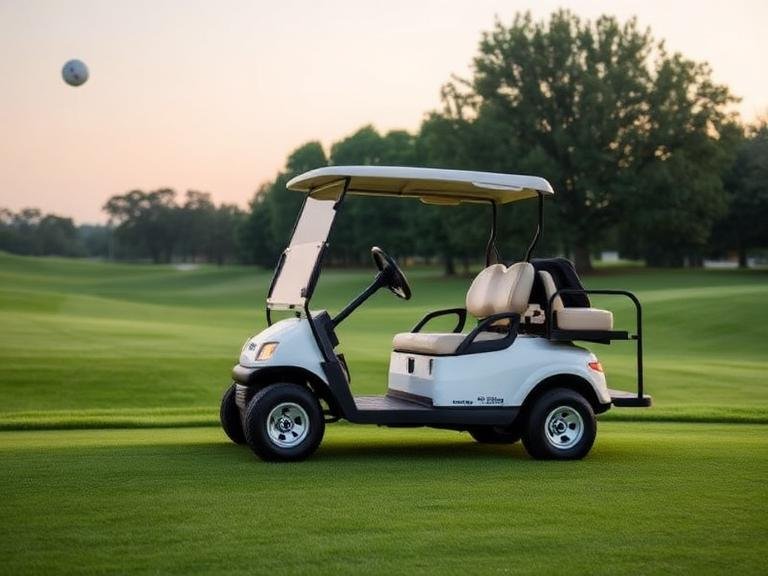
The global low-speed vehicle industry is saturated with brokers, assembly shops, and white-label marketers pretending to build their own vehicles. If you are responsible for procuring a fleet for a resort, an 18-hole golf course, or a gated community, falling for a middleman will instantly destroy your capital expenditure budget and complicate your long-term maintenance. As an established, primary-source 2 Passenger Golf Cart manufacturer, we know the exact structural and operational differences between a true factory and a glorified dealership. In this comprehensive guide, we strip away the industry marketing noise to provide you with the raw, uncompromising facts on how to vet, select, and purchase directly from the source.
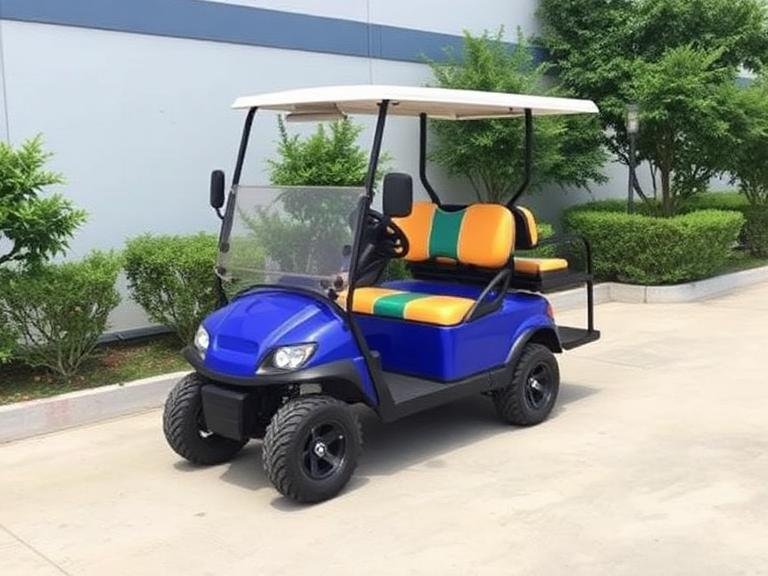
Quick Answer
Evaluating a 2 passenger golf cart manufacturer requires auditing three distinct metrics: in-house chassis fabrication, the integration of tier-one global components (such as Curtis controllers and MAHLE or KDS AC motors), and proven OEM/ODM customization capabilities. For commercial buyers needing a fleet of reliable Electric Golf Cart vehicles, purchasing factory-direct slashes acquisition costs by up to 40% and ensures unified engineering support. Conversely, an individual consumer seeking a single vehicle for weekend neighborhood cruising should bypass the manufacturer and purchase from a local dealer to avoid crippling international freight logistics.
Table of Contents
- What It Is: The Role of a True Manufacturer
- How It Works: Factory-Direct Engineering & Procurement
- Benefits of Partnering Directly with the Factory
- Limitations: When Bypassing the Dealer Fails
- Who Should Buy Direct
- Who Does Not Need a Direct Manufacturer
- Common Mistakes in Fleet Procurement
- Buying Considerations: Auditing Your Supplier
- Expert Recommendation
- Pros vs Cons & Comparison Tables
- Frequently Asked Questions
What It Is: The Role of a True Manufacturer
A legitimate 2 passenger golf cart manufacturer is a heavy-industrial enterprise that commands the entire production lifecycle. This involves far more than bolting imported plastic panels onto a pre-purchased frame. A true manufacturer engineers the vehicle from raw steel and high-tensile aluminum. They execute robotic chassis welding, perform electrophoretic anti-corrosion treatments, mold their own body cowls, and meticulously program complex Lithium Battery Management Systems (BMS) to communicate seamlessly with the motor controller.
When you seek out a direct supplier, you are looking for an entity that possesses the engineering authority to alter the vehicle’s DNA. Whether you need the suspension reinforced for a rugged Off Road Golf Cart or require specific gear ratios for steep topography, a true manufacturer has the in-house R&D staff to execute those demands on the assembly line.
How It Works: Factory-Direct Engineering & Procurement
In most professional situations, factory-direct procurement is a highly collaborative engineering process, completely divorced from a standard retail transaction. The process begins with a rigorous needs assessment. Will your vehicles serve exclusively on manicured fairways, or will they navigate aggressive, unpaved terrain? This dictates the powertrain selection, pushing you toward a high-torque 5kW AC motor paired with a 400-amp controller rather than a standard DC setup.
Once the technical specifications are locked, the manufacturer initiates the OEM (Original Equipment Manufacturer) or ODM (Original Design Manufacturer) protocol. The chassis is fabricated and treated. The independent suspension and hydraulic braking systems are mounted. The electrical harness, premium lithium cells, and weather-resistant body panels are fitted. Every unit then undergoes strict end-of-line quality assurance, including load testing, incline calibration, and water-ingress checks. Finally, for fleet buyers, the vehicles are packed efficiently into 40-foot shipping containers and dispatched globally directly to the commercial operator’s loading dock.
Benefits of Partnering Directly with the Factory
The financial and operational benefits of bypassing the middleman are profound. First, you secure wholesale factory-direct pricing, entirely eliminating the 20% to 40% markup injected by regional distributors. This capital preservation is vital when procuring a heavy-duty Commercial Golf Cart fleet, allowing you to stretch your budget to acquire more units or upgrade to superior battery technology.
Second, you gain absolute authority over customization. Do you require your resort’s branding embossed on premium seats? Do you need integrated GPS yardage screens, custom utility beds, or specialized paint codes? A direct manufacturer implements these modifications seamlessly during production, resulting in a cohesive, factory-finished Custom Golf Cart.
Third, technical support is unfiltered. When a complex diagnostic code appears, you are not dealing with a third-party mechanic guessing at wire schematics; you are consulting directly with the engineers who wrote the software for your specific vehicle.
Limitations: When Bypassing the Dealer Fails
We believe in brutal transparency: buying direct from an overseas manufacturer is not universally appropriate. The primary limitation is the Minimum Order Quantity (MOQ). Reputable factories prioritize volume to keep assembly lines efficient. They will rarely process or ship a single cart across the ocean because Less-than-Container Load (LCL) freight costs are economically unviable.
Furthermore, lead times require strategic planning. Unlike a local dealership where you can sign papers and drive away the same afternoon, factory-direct orders require 3 to 4 weeks of manufacturing time, followed by 3 to 5 weeks of ocean transit. Buyers must also be equipped to handle import duties, customs clearance brokers, and final-mile inland freight.
Who Should Buy Direct
We recommend factory-direct partnerships for 18-hole golf course operators, expansive luxury resorts, large university campuses, municipal parks departments, and regional vehicle distributors. If your operational roadmap requires acquiring or turning over a fleet of ten or more vehicles, the staggering cost savings and fleet uniformity absolutely justify the logistical overhead. This model scales brilliantly, whether you need standard two-seaters or a mixed fleet incorporating a 4 Passenger Golf Cart, a 6 Passenger Golf Cart, and a high-capacity 8 Passenger Golf Cart for guest shuttling.
Who Does Not Need a Direct Manufacturer
For beginners, individual homeowners, or casual golfers looking to purchase exactly one vehicle for their garage, dealing directly with a heavy-industry manufacturer is an unnecessary, frustrating endeavor. The administrative burden of hiring a customs broker and paying port fees for a single unit will completely obliterate any factory price advantage. If you simply need a Street Legal Golf Cart to commute to your neighborhood clubhouse, visit a reputable local dealer. They have already absorbed the importation headaches and provide immediate delivery with local warranty labor.
Common Mistakes in Fleet Procurement
In our testing and extensive market analysis, the most catastrophic mistake fleet buyers commit is obsessing over exterior aesthetics while ignoring the powertrain architecture. A sleek, aggressive fiberglass body means absolutely nothing if the vehicle is driven by an unbranded, generic controller that overheats and fails after six months of daily use.
Another massive error is settling for legacy lead-acid battery technology. Purchasing lead-acid fleets today is commercial malpractice. Lead-acid batteries demand constant watering maintenance, corrode the chassis, and inevitably die within two to three years. Modern lithium-ion packs offer zero maintenance, last up to a decade, charge in a fraction of the time, and shed hundreds of pounds from the vehicle’s gross weight—drastically extending range and minimizing turf damage.
Buying Considerations: Auditing Your Supplier
When vetting a 2 passenger golf cart manufacturer, you must apply ruthless commercial judgment to the following metrics:
- Component Sourcing: Demand transparency. Does the manufacturer utilize trusted global brands? You must verify the presence of Curtis or Toyota controllers, MAHLE or KDS AC motors, and Delta-Q onboard chargers.
- Production Capacity: Can the facility handle your volume? A legitimate manufacturer operates fully automated lines capable of outputting hundreds of carts monthly without sacrificing quality assurance.
- Customization Scope: Are they just a catalog reseller, or can they genuinely engineer a Luxury Golf Cart to your exact upholstery, suspension, and technology requirements?
- Certifications: Do they possess ISO 9001 quality management certificates and CE global compliance markings?
- Line Expansion: As your property grows, can they supply larger assets, such as a 10 Passenger Golf Cart or a highly modified Special Golf Cart (e.g., a medical transport or hospitality food-service vehicle)?
Expert Recommendation
From our experience, your low-speed vehicle fleet is the beating heart of your daily operational efficiency and guest satisfaction. You simply cannot afford unpredictable downtime. We recommend aggressively auditing the electrical architecture of any manufacturer you consider. You must demand AC (Alternating Current) motors rather than outdated DC (Direct Current) brushed motors, securing vastly superior hill-climbing torque and highly efficient regenerative braking. Furthermore, demand an integrated Lithium-ion system with an intelligent BMS. If a supplier attempts to push old DC motors paired with lead-acid batteries as a “cost-saving” strategy, walk away immediately. Investing in superior, modern electrical architecture upfront is the only way to secure a decade of zero-maintenance reliability and a dominant return on investment.
GT Golf Cart 2 Passenger Golf Cart
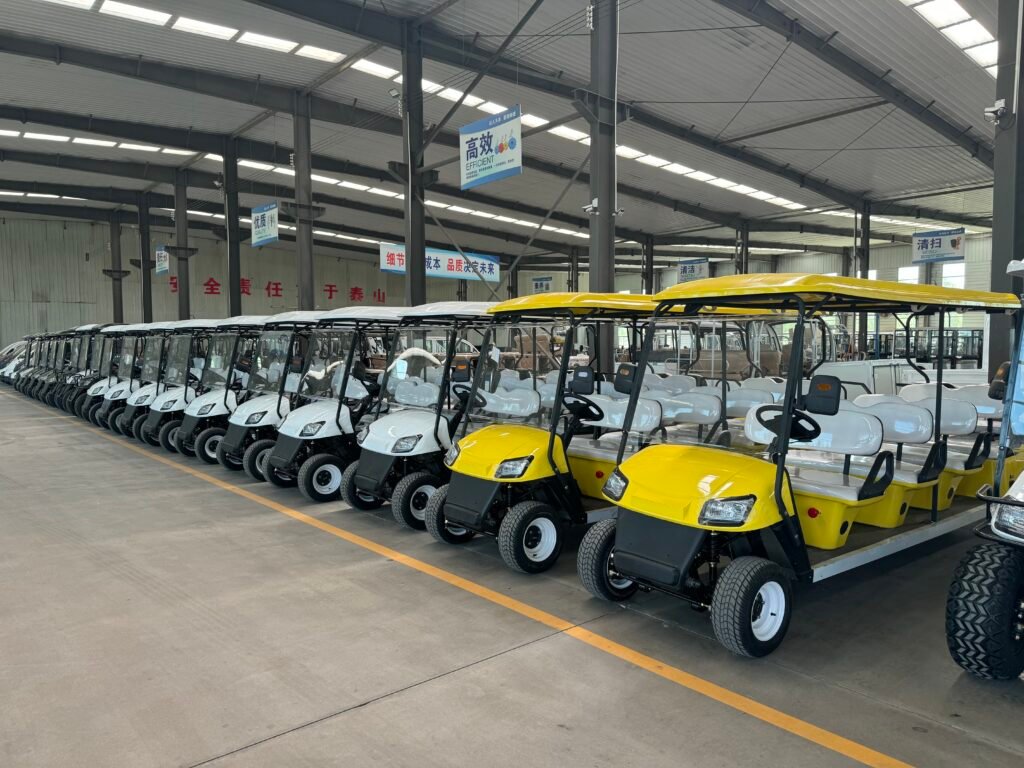
GT Golf Cart specializes in the design, manufacturing, and global supply of electric golf carts and low-speed vehicles. With over 12 years of industry experience, we deliver reliable mobility solutions for golf courses, resorts, communities, and commercial fleets worldwide. Upgrade your fleet with our premium, lithium-powered vehicles engineered for maximum durability and zero maintenance.
Pros vs Cons & Comparison Tables
| Pros | Cons |
|---|---|
| Massive cost reduction (20% – 40% cheaper than local dealers) | Requires Minimum Order Quantities (MOQ), typically 4+ units |
| Unlimited OEM/ODM customization (colors, logos, features) | Longer lead times (manufacturing + international ocean freight) |
| Direct communication with engineers for technical troubleshooting | Buyer is responsible for customs clearance and import logistics |
| Guaranteed implementation of modern Lithium/AC motor architecture | Warranty labor must be handled by your internal maintenance staff |
| Factor | Direct Manufacturer (GT Golf Cart) | Local Dealership |
|---|---|---|
| Pricing | Wholesale / Factory-Direct | High Retail Markup |
| Best Target Audience | Fleet managers, resorts, golf courses, global distributors | Individual homeowners buying a single cart |
| Customization | Built to exact spec on the assembly line | Limited to bolt-on aftermarket accessories |
| Delivery Speed | 6 to 9 weeks (Production + Ocean Freight) | Immediate (Driven off the lot) |
| Warranty Support | Direct factory parts replacement & engineering guidance | Local mechanic labor and service bay access |
Frequently Asked Questions
Are lithium-ion batteries actually worth the upgrade over lead-acid in a commercial fleet?
Absolutely. In most professional situations, the operational savings of lithium-ion technology eclipse the initial upfront cost within the first 18 months. Lithium batteries require zero watering maintenance, do not leak corrosive acid onto your vehicle’s chassis, charge significantly faster, and have a lifespan of 8 to 10 years compared to the 2 to 3-year lifespan of traditional lead-acid batteries.
What is the difference between an AC motor and a DC motor in a golf cart?
An AC (Alternating Current) motor is a modern, brushless design that delivers far greater torque, higher top speeds, and vastly superior efficiency compared to older DC (Direct Current) motors. AC systems do not have wearable carbon brushes that require replacement, and they provide exceptional regenerative braking, which captures kinetic energy on downhill slopes to recharge the battery.
How do I handle maintenance if I buy a fleet directly from an overseas manufacturer?
Reputable manufacturers design their carts using standardized, globally available tier-one components (like Curtis controllers). This plug-and-play architecture allows any certified local golf cart technician or your on-site maintenance staff to easily swap parts. The manufacturer will supply replacement parts directly under warranty and provide remote engineering support for advanced diagnostics.
Can a manufacturer build a street-legal (LSV) 2-passenger golf cart?
Yes. A true manufacturer can engineer a Low Speed Vehicle (LSV) that complies with DOT safety standards. This includes integrating DOT-approved windshields, wipers, seatbelts, turn signals, mirrors, back-up cameras, and 17-digit VIN numbers required for street-legal registration in your local municipality.
Authoritative References & Standards
To ensure total compliance and unparalleled safety in our manufacturing processes, we adhere to the strict guidelines established by the following global authorities:
- International Organization for Standardization (ISO) – Governing strict Quality Management Systems (ISO 9001) for heavy industrial manufacturing.
- National Highway Traffic Safety Administration (NHTSA) – Establishing Federal Motor Vehicle Safety Standards for Low Speed Vehicles (LSVs).
- CE Marking Authority – Certifying health, safety, and environmental protection standards for electric vehicles distributed within the European Economic Area.