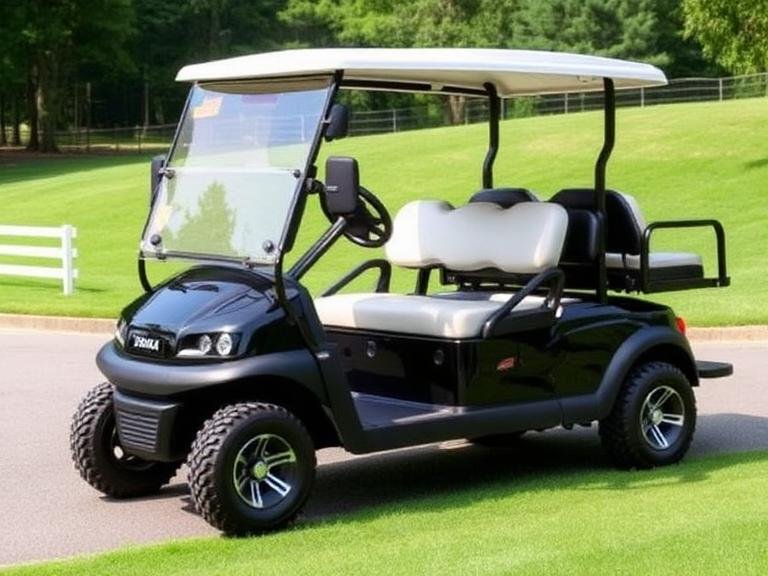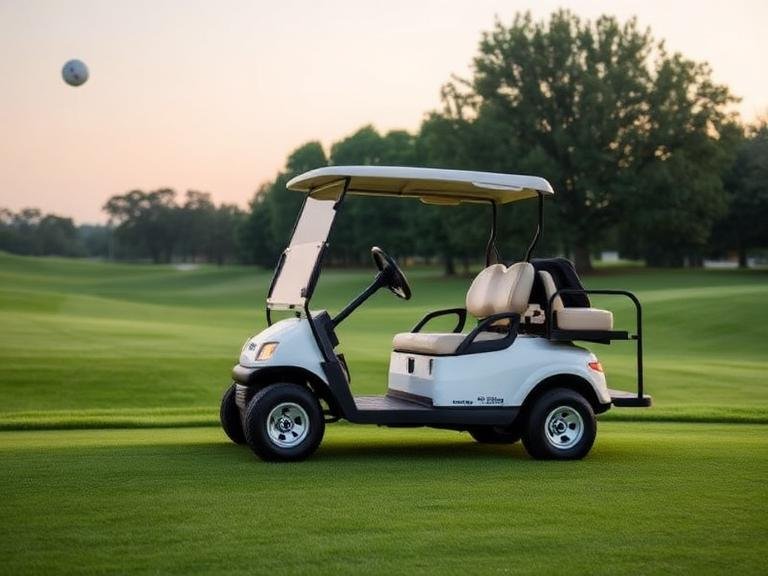
The micro-mobility and low-speed vehicle market has experienced a seismic shift toward lithium-ion electrification over the last five years. However, despite this trend, the internal combustion engine refuses to quietly exit the stage. For remote properties, massive agricultural estates, heavy-duty hunting leases, and facilities operating entirely off the grid, waiting six hours to charge a battery pack is simply not an option. In these extreme environments, you need a machine that refuels in sixty seconds and possesses the raw mechanical torque to pull heavy payloads through uncompromising terrain.
From our experience engineering and supplying low-speed vehicles globally, we see buyers constantly making poor purchasing decisions because they fail to align their vehicle’s powertrain with their actual operational environment. If you are searching for the best gas-powered golf cart to buy, you must abandon the legacy mindset of smoky, carburetor-choked engines. The modern gas golf cart is a highly refined piece of machinery utilizing Electronic Fuel Injection (EFI), continuously variable transmissions (CVT), and independent suspension systems. In this comprehensive guide, we dissect the top ten models available today, apply rigorous commercial judgment, and help you determine whether a gas powertrain is actually the right tool for your specific application.
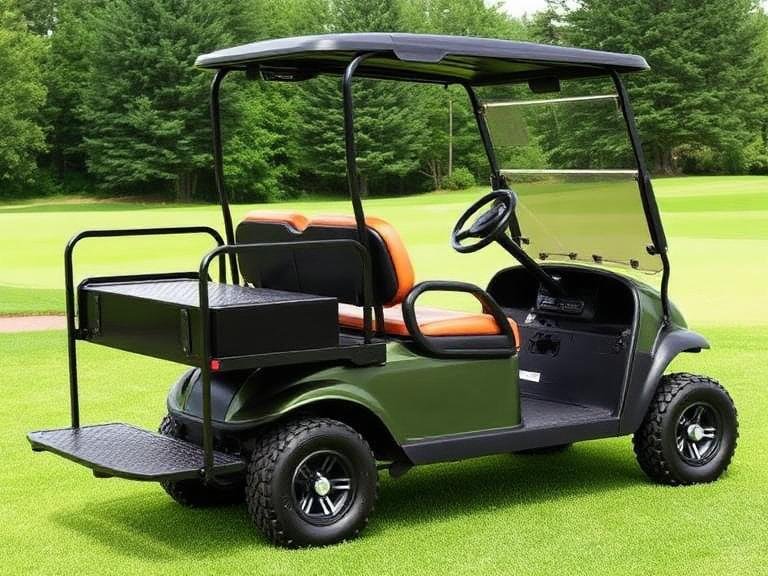
Quick Answer: The Best Gas-Powered Golf Cart to Buy
If you need maximum reliability and off-grid performance, the absolute best gas-powered golf cart to buy in 2026 is the Yamaha Drive2 EFI for personal and golf course use, and the Club Car Onward Gas for neighborhood cruising and customization. For heavy-duty commercial or agricultural applications, the Cushman Hauler 1200 EFI remains the undisputed champion. We strongly advise that you only purchase models equipped with Electronic Fuel Injection (EFI). Buying a carbureted engine today guarantees future starting issues, poor cold-weather performance, and excessive maintenance costs.
Table of Contents
- What It Is: The Modern Gas Golf Cart
- How It Works: EFI and CVT Mechanics
- The Strategic Benefits of Gas
- Limitations and Drawbacks
- Who Should Use Gas (And Who Shouldn’t)
- The 10 Best Gas-Powered Golf Carts to Buy
- Common Mistakes Buyers Make
- Critical Buying Considerations
- Essential Comparison Tables
- Expert Recommendation from GT Golf Cart
- The Bottom Line
- Frequently Asked Questions
- Authoritative References
What It Is: The Modern Gas Golf Cart
A modern gas-powered golf cart is a low-speed vehicle (LSV) or utility terrain vehicle (UTV) propelled by a small-displacement, 4-stroke internal combustion engine. Historically, these engines relied on carburetors to mix air and fuel. Today, premium manufacturers have universally transitioned to Electronic Fuel Injection (EFI). This means a computer (ECU) dictates the precise ratio of fuel to air, eliminating the need for a manual choke and ensuring the vehicle starts instantly regardless of altitude, humidity, or freezing temperatures.
How It Works: EFI and CVT Mechanics
Understanding the drivetrain is critical for heavy-duty applications. Modern gas carts utilize a Continuously Variable Transmission (CVT). Unlike an automobile with fixed gears, a CVT uses a primary drive clutch attached to the engine and a secondary driven clutch attached to the rear transaxle, connected by a heavy-duty rubber belt. As engine RPM increases, the primary clutch closes, forcing the belt higher and changing the gear ratio seamlessly.
This setup provides infinite gear ratios, meaning the engine stays in its optimal power band whether you are creeping over jagged rocks or driving 19 mph down a paved road. When you press the accelerator pedal, a starter/generator spins the engine to life, and the CVT engages. When you release the pedal, the engine shuts off entirely to conserve fuel and reduce noise—a feature unique to golf cart engines.
The Strategic Benefits of Gas
Why do commercial users and rural property owners still prefer gas? The advantages are purely logistical:
- Infinite Range: As long as you have a five-gallon jerry can in the back, your range is unlimited. You will never be stranded in the woods waiting for a tow.
- No Charging Infrastructure: If you keep your cart at a remote hunting cabin or a storage shed without 110V/220V electrical access, gas is your only viable option.
- Consistent Performance: An electric cart loses speed and torque as the battery voltage drops. A gas cart delivers 100% of its horsepower right up until the tank is empty.
- Higher Towing Capacity: The sustained torque of a 4-stroke engine paired with a rugged CVT allows for superior hauling of trailers, feed, or equipment.
Limitations and Drawbacks
We believe in providing practical judgment, and we must acknowledge that gas engines carry significant baggage. They are loud. Even with advanced mufflers, you cannot achieve the stealthy silence of an electric motor. This makes them less desirable for neighborhood cruising early in the morning. They also emit exhaust fumes, which explicitly prohibits them from indoor commercial warehouse use.
Furthermore, the maintenance schedule is demanding. You must regularly change the engine oil, replace spark plugs, clean air filters, and swap out drive belts. Ignoring this maintenance schedule will destroy the engine.
Who Should Use Gas (And Who Shouldn’t)
For commercial users and heavy-duty applications: Farmers, ranchers, hunting outfitters, and massive outdoor event organizers must utilize gas. When the vehicle is running 12 hours a day hauling tools or passengers, charging downtime costs money. If you are outfitting a construction site, you need gas.
Who does not need it: Suburban families, golfers who live on the course, and gated community residents. If you are just running down to the community pool or driving 18 holes, the noise and maintenance of a gas cart are entirely unnecessary. You should look into a street legal golf cart powered by modern lithium-ion batteries.
The 10 Best Gas-Powered Golf Carts to Buy
1. Yamaha Drive2 EFI
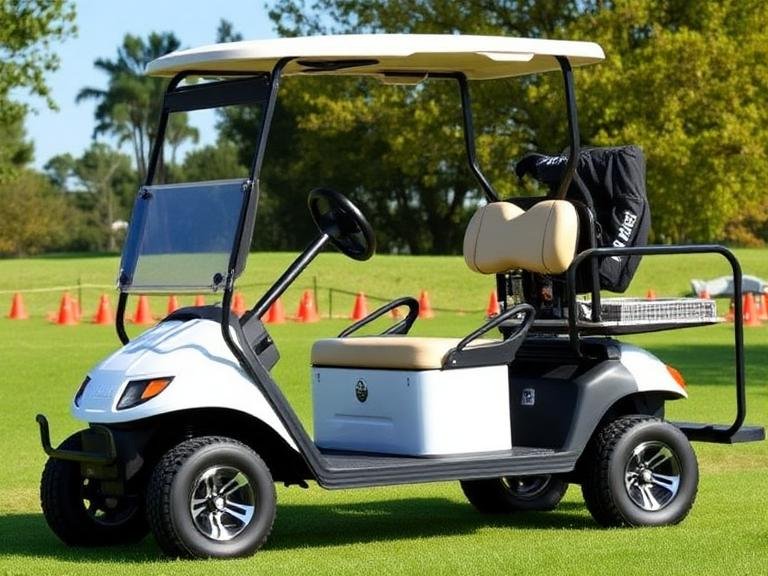
From our experience, Yamaha engineers the finest gas engines in the golf industry. The Drive2 features a proprietary QuieTech EFI engine, making it arguably the quietest gas cart on the market. It boasts an independent rear suspension (IRS) that absorbs rough terrain better than rigid axle designs. If you want the most refined gas experience, this is the best gas-powered golf cart to buy.
2. Club Car Onward Gas
The Onward is the king of premium neighborhood transportation. Powered by a 14 HP Kohler EFI engine, it offers aggressive acceleration. Club Car’s aircraft-grade aluminum frame prevents rust, which is vital if you live in a coastal, high-salt environment. It is highly customizable, making it perfect for buyers who want luxury seating and lifted suspensions.
3. EZ-GO Valor EX1
The EX1 is EZ-GO’s closed-loop EFI engine designed specifically for golf carts. It is incredibly fuel-efficient and provides a smooth ride. The Valor trim is the entry-level offering, providing exceptional value for buyers who want brand-name reliability without paying for excessive luxury trims or lift kits.
4. Yamaha UMAX Rally
For heavy-duty applications, the UMAX Rally is unmatched. It sits two inches higher than a standard cart and comes with a massive, heavy-duty dump bed. It utilizes a 402cc Yamaha engine, providing raw pulling power for landscaping, farming, or managing a large estate.
5. Cushman Hauler 1200 EFI
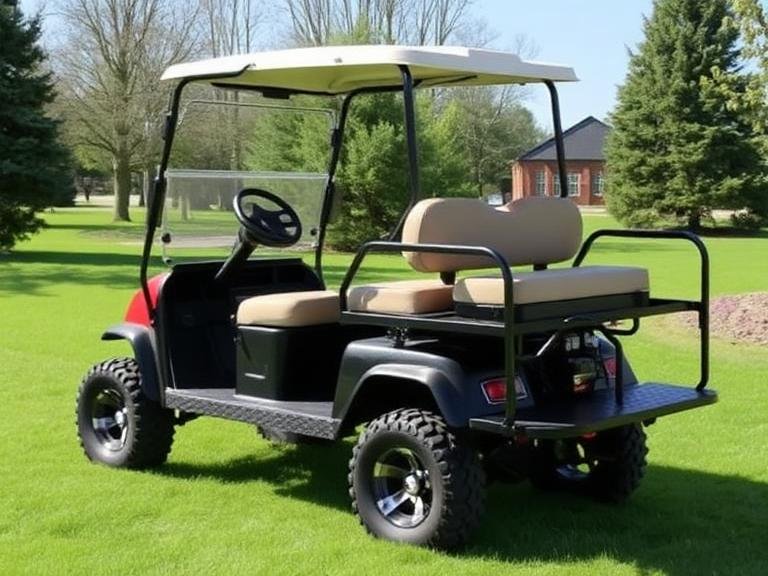
Cushman is the commercial division of EZ-GO. The Hauler 1200 is not a toy; it is a workhorse. It features a massive payload capacity and tie-down locations in the cargo bed. If your primary goal is moving dirt, gravel, or equipment, the Hauler outpaces standard golf carts effortlessly.
6. Club Car XRT 1550
Built on a rugged chassis, the XRT 1550 comes with IntelliTrak, an automatic four-wheel-drive system that engages when it senses wheel slip. It is the definitive choice for hunters and off-road enthusiasts navigating mud, snow, and steep, unpaved inclines.
7. EZ-GO Express S6
When you need to move a crowd across a massive property, the Express S6 is the premier 6 seater golf cart in the gas category. It utilizes the EX1 engine to ensure that even with six adult passengers, the vehicle does not bog down on hills.
8. Yamaha Adventurer Sport 2+2
This is Yamaha’s lifted, four-passenger utility vehicle. It perfectly blends passenger comfort with off-road capability. The rear seat flips down into a flat cargo deck, making it an incredibly versatile 4 seater golf cart for weekend warriors who need to haul gear on Saturday and family on Sunday.
9. Club Car Precedent (Used/Refurbished Market)
While the Onward is the current flagship, the older Club Car Precedent remains the most reliable gas cart on the secondary market. If you are on a budget, buying a refurbished gas Precedent is a financially sound decision. Their Subaru-built engines are bulletproof, and replacement parts are universally available.
10. Cushman Shuttle 4
Designed for resorts and corporate campuses, the Shuttle 4 prioritizes passenger comfort with forward-facing seating for four. It utilizes a robust EFI engine to ensure reliable, all-day shuttling without the need to return to a charging bay.
Common Mistakes Buyers Make
In our testing, the most catastrophic mistake buyers make is purchasing a carbureted engine in 2026. Dealerships will offer massive discounts on older, carbureted inventory. Do not fall for it. Carburetors clog when ethanol-blended fuel sits in the bowl for more than a month, leading to expensive mechanic bills.
Another error is ignoring the frame material. If you live near the ocean or use the cart in winter where road salt is present, a steel frame (used by EZ-GO and Yamaha) will rust if the powder coating is scratched. In these environments, you must insist on an aluminum frame (like Club Car).
Critical Buying Considerations
When evaluating which machine meets your needs, apply strict commercial criteria:
- Suspension Architecture: Does it have a solid rear axle or Independent Rear Suspension (IRS)? IRS provides a drastically smoother ride on rocky terrain.
- Payload vs. Seating: Do not buy an 8 seater golf cart if you only transport two people and a chainsaw. Match the vehicle’s footprint to your daily operational reality. A dedicated Utility Golf Cart 4 Seater is often the most practical compromise.
- Noise Ordinances: Verify your local HOA or municipal codes. Many affluent neighborhoods and private golf courses have completely banned gas-powered carts due to noise and emissions.
Essential Reference Tables
Quick Summary Table: Top 5 Gas Carts by Category
| Category | Recommended Model | Best Feature |
|---|---|---|
| Overall Refinement | Yamaha Drive2 EFI | QuieTech technology (lowest decibel rating). |
| Luxury & Customization | Club Car Onward | Aircraft-grade aluminum frame; premium seating. |
| Heavy-Duty Utility | Cushman Hauler 1200 | Massive payload capacity and rugged dump bed. |
| Off-Road 4×4 | Club Car XRT 1550 | IntelliTrak automatic 4WD engagement. |
| Passenger Hauling | EZ-GO Express S6 | Comfortably seats 6 without power loss on hills. |
Comparison Table: EFI Gas vs. Lithium-Ion Electric
| Metric | Modern EFI Gas Cart | Lithium-Ion Electric Cart |
|---|---|---|
| Refueling/Recharging | 1 minute (Fill gas tank) | 4 – 6 hours (Plug into wall outlet) |
| Maintenance Cost | High (Oil, filters, belts, spark plugs) | Virtually Zero (No moving engine parts) |
| Noise Level | Moderate to Loud | Completely Silent |
| Torque Delivery | Gradual (CVT spool up) | Instantaneous (Immediate electric torque) |
Pros and Cons Table: Gas-Powered Carts
| Pros | Cons |
|---|---|
| Infinite range potential; simply carry extra fuel. | Requires strict adherence to preventative maintenance schedules. |
| Immune to battery degradation over long storage periods. | Emits exhaust fumes; cannot be used in enclosed spaces. |
| Superior for extreme off-grid and remote agricultural use. | Noticeably louder than electric counterparts. |
| Maintains top speed and torque regardless of fuel level. | Subject to increasingly strict local environmental regulations. |
Expert Recommendation from GT Golf Cart
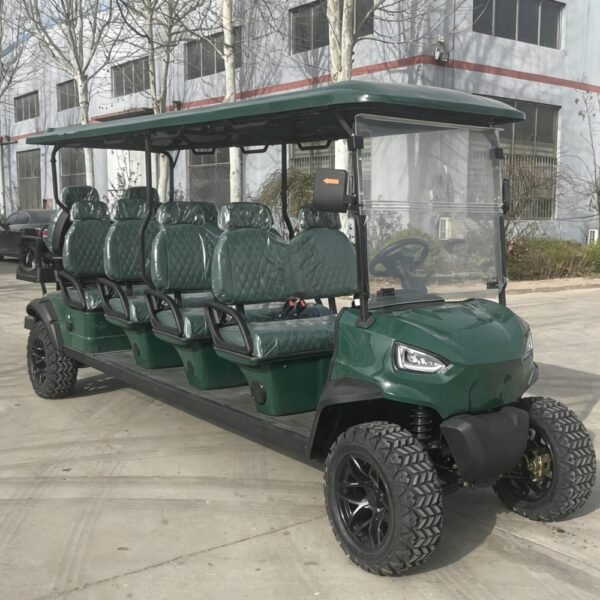
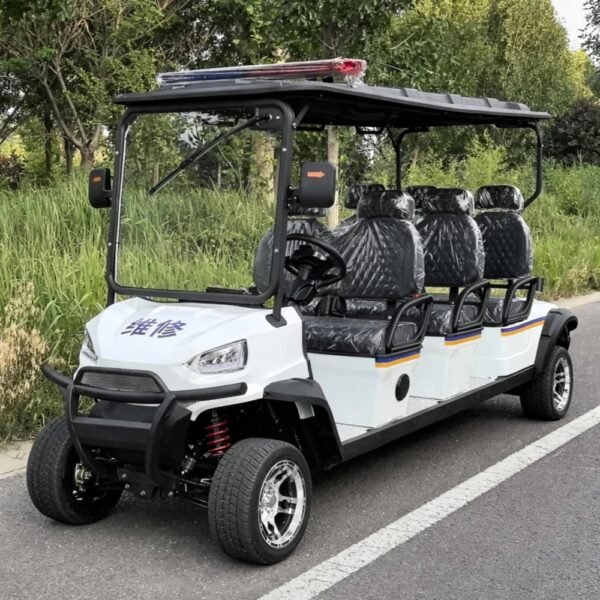
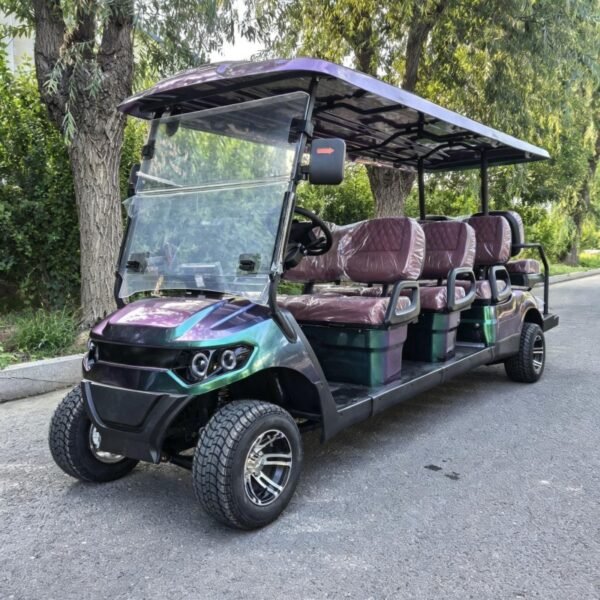
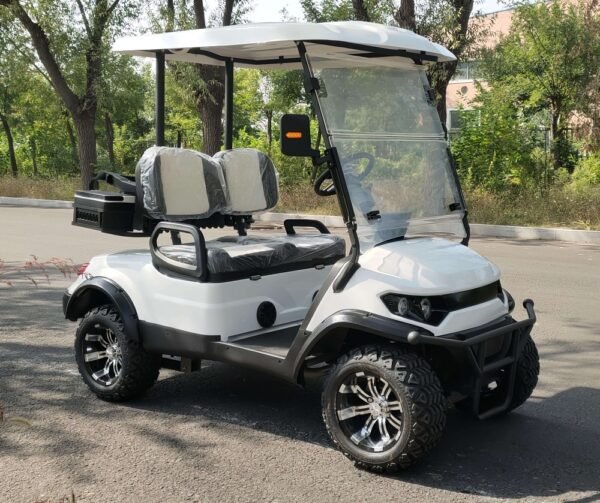
In most professional situations, making a vehicle purchasing decision requires looking at the total cost of ownership and the future trajectory of the industry. GT Golf Cart specializes in the design, manufacturing, and global supply of electric golf carts and low-speed vehicles. With over 12 years of industry experience, we deliver reliable mobility solutions for golf courses, resorts, communities, and commercial fleets worldwide.
While we thoroughly understand the mechanical appeal of the gas models listed above, we must offer a candid industry perspective: unless you are operating entirely off the grid or running heavy agricultural machinery, you should be buying electric. The advent of maintenance-free Lithium-Ion batteries has rendered gas engines obsolete for 90% of consumers. Lithium carts are silent, require zero engine maintenance, and deliver superior instant torque. If you are looking for a 2 seater golf cart for the neighborhood or analyzing Mini Golf Cart Manufacturers for compact mobility, we strongly recommend evaluating our advanced electric alternatives before committing to the maintenance burden of a combustion engine.
The Bottom Line
Identifying the best gas-powered golf cart to buy comes down to evaluating your physical environment. If you demand remote reliability, infinite range, and raw pulling power, models like the Yamaha Drive2 EFI and the Cushman Hauler 1200 are exceptional, highly engineered machines that will outlast their owners if properly maintained. However, you must embrace the noise, the exhaust, and the oil changes. If those limitations sound unappealing, your application demands a modern electric vehicle. Make your decision based on your infrastructure, not nostalgia.
Frequently Asked Questions
Are gas golf carts faster than electric golf carts?
Not necessarily. Both gas and electric golf carts are mechanically or electronically governed to specific speeds (usually 15-19 mph) to comply with safety regulations. However, modern AC-drive electric carts actually offer faster acceleration and superior hill-climbing torque compared to gas carts.
What is the lifespan of a gas golf cart engine?
With strict adherence to scheduled maintenance (regular oil changes, air filter replacements, and belt inspections), a premium commercial gas engine from Yamaha, Club Car, or EZ-GO can easily last 15 to 20 years or more before requiring a major overhaul or rebuild.
Can I make my gas golf cart street legal?
It is exceedingly difficult. Most municipalities and federal regulations classify Street Legal vehicles as Low-Speed Vehicles (LSVs). To qualify as an LSV and receive a 17-digit VIN for registration, the vehicle must meet specific safety criteria and, in many jurisdictions, strict zero-emission standards, heavily favoring electric powertrains.
References & Authoritative Standards
To ensure our operational advice aligns with federal safety and environmental regulations, we reference the following authoritative organizations: