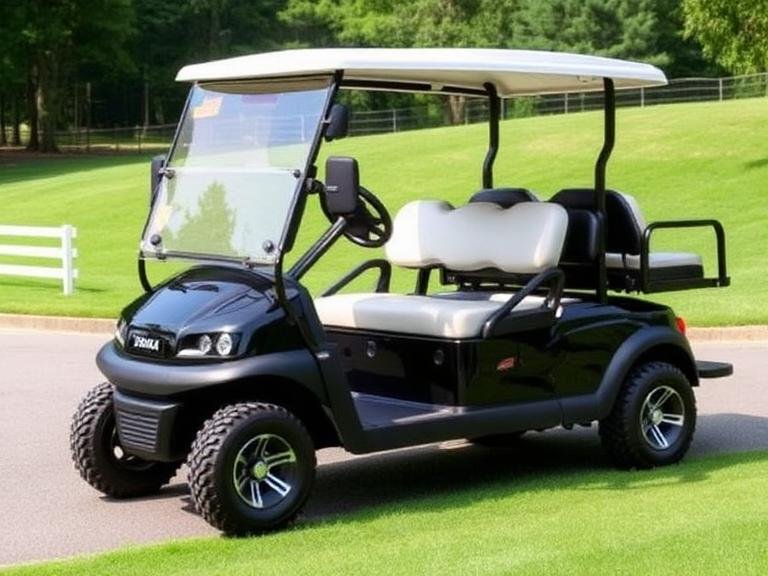
The secondary market for low-speed vehicles has exploded in recent years. Consumers are eager to grab a deal on a neighborhood cruiser, but a fresh coat of paint and custom vinyl seats often mask severe mechanical and electrical decay. From our experience at GT Golf Cart, buyers frequently waste thousands of dollars on used vehicles that require complete powertrain overhauls within months of purchase. Do not let a polished exterior fool you into acquiring a financial liability.
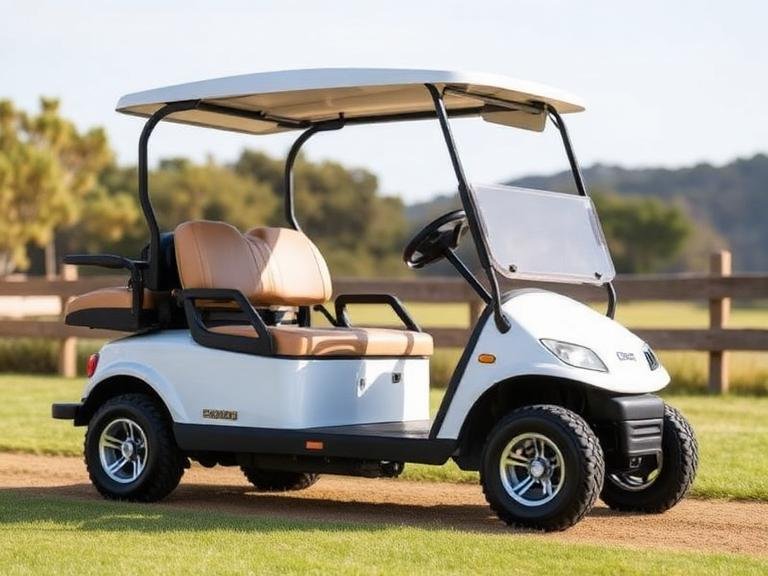
Executing thorough maintenance checks before buying used electric golf cart models is the absolute only way to verify the true value of the asset. You are not just buying a chassis; you are buying a complex system of deep-cycle batteries, high-amperage controllers, and structural components that endure significant stress. We strongly advise stepping away from any seller who refuses to let you inspect the undercarriage or test the battery bank under load. In this definitive guide, we outline the uncompromising inspection protocol every buyer must follow to avoid purchasing a lemon.
Table of Contents
- Summary Table: Inspection Hotspots and Cost Risks
- Check 1: Battery Bank Health and Cell Degradation
- Check 2: Frame Integrity and Acid Corrosion
- Check 3: Suspension Bushings and Steering Play
- Check 4: Motor Performance and Controller Diagnostics
- Check 5: Wiring Harness and Charging Infrastructure
- Check 6: Tire Alignment and Braking Resistance
- Check 7: Street Legality and Safety Features
- The GT Golf Cart Perspective: When to Buy New
- Frequently Asked Questions
- Industry References
Summary Table: Inspection Hotspots and Cost Risks
Before diving into the granular technical details, we recommend reviewing this summary matrix. It highlights the primary maintenance checks before buying used electric golf cart models, alongside the potential repair costs if you fail to identify these issues prior to handing over your cash.
| Component Area | What to Inspect | Failure Consequence | Estimated Repair Cost (USD) |
|---|---|---|---|
| Battery Bank | Date codes, terminal melting, casing swell | Complete loss of range, vehicle stranding | $800 – $2,500 |
| Chassis & Frame | Rust under battery tray, cracked aluminum | Structural collapse, total loss of vehicle | $1,000 – $3,000+ |
| Motor & Controller | Burning ozone smell, grinding noises, hesitation | Loss of propulsion, electrical fire risk | $500 – $1,500 |
| Suspension | Dry-rotted bushings, leaking shocks, steering drift | Dangerous handling, uneven tire wear | $300 – $800 |
| Brakes & Cables | Spongy pedal, dragging brake drums, frayed cables | Inability to stop, collision risk | $200 – $500 |
Check 1: Battery Bank Health and Cell Degradation
The power source is the beating heart of the vehicle, and it represents the single highest replacement cost. Performing rigorous maintenance checks before buying used electric golf cart battery packs is non-negotiable. Most used carts still run on traditional flooded lead-acid batteries. You must locate the date stamp stamped into the lead terminal or printed on a factory sticker. The code usually consists of a letter (A for January, B for February, etc.) and a number (22 for 2022). Lead-acid batteries generally only last 3 to 5 years under optimal maintenance.
If the batteries are more than three years old, assume you will need to replace them immediately and deduct that from the asking price. Look closely at the battery casings. If the plastic sides are bulging, or if there is heavy white and green crystalline corrosion eating away at the cables, the pack has been severely neglected. We highly recommend testing the pack voltage with a digital multimeter after a full charge, and then again after driving it up a steep incline. A massive voltage drop indicates dead cells. Given these headaches, many buyers are now demanding a modern lithium golf cart, which utilizes advanced chemistry to completely eliminate acid spills, water maintenance, and terminal rot while offering a ten-year lifespan.
Check 2: Frame Integrity and Acid Corrosion
A shiny fiberglass body tells you nothing about the structural integrity of the machine. The second phase of your maintenance checks before buying used electric golf cart models requires you to get underneath the vehicle with a flashlight. You are looking for frame rot. Lead-acid batteries routinely boil over when overcharged, leaking highly corrosive sulfuric acid directly onto the metal subframe and battery tray.
If you are inspecting a vehicle with a steel frame, take a screwdriver and tap the metal framing directly beneath the batteries. Surface rust is manageable, but if the metal flakes away or feels soft, the structural integrity is compromised. Aluminum frames do not rust, but they can suffer from stress fractures and oxidation. If you plan to haul heavy loads around a property, frame integrity is paramount. In such cases, purchasing a purpose-built utility golf cart with a reinforced, rust-proofed chassis is a much safer bet than trying to salvage a decaying residential frame.
Check 3: Suspension Bushings and Steering Play
Golf carts lack complex automotive suspension geometries, which means the basic components they do have wear out rapidly. Grab the steering wheel and turn it back and forth while the cart is stationary. If there is more than an inch of free play before the front tires respond, the rack and pinion steering box or the tie rod ends are shot. Driving a vehicle with loose steering at maximum speed is a severe rollover hazard.
Next, perform the bounce test. Press down hard on the front and rear bumpers. The vehicle should rebound smoothly and settle immediately. If it bounces multiple times, the shock absorbers are blown. Inspect the leaf springs and the rubber bushings connecting them to the frame. Dry-rotted, cracked, or missing bushings result in a harsh, metal-on-metal ride. If you intend to use the vehicle on rough terrain or hunting trails, standard suspension will not suffice. You should look into an 4×4 electric golf cart featuring independent front suspension and heavy-duty coil-over shocks engineered specifically for off-road abuse.
Check 4: Motor Performance and Controller Diagnostics
The electric motor and the electronic speed controller function as the brain and muscle of the powertrain. When conducting maintenance checks before buying used electric golf cart models, the test drive is your diagnostic lab. Accelerate from a dead stop on a steep hill. The vehicle should pull smoothly without stuttering or hesitating. If the cart jerks violently, the speed controller is likely failing or the motor brushes are severely worn.
Listen carefully to the rear axle. A high-pitched whine is normal for electric motors, but a deep grinding or crunching sound indicates failing motor bearings or shredded input shaft splines. Additionally, after a ten-minute test drive, carefully place your hand near the motor casing. It should be warm, not blistering hot. An overheating motor is a massive red flag. We also advise checking the regenerative braking function by taking your foot off the accelerator while going downhill; the motor should actively slow the cart down.
Check 5: Wiring Harness and Charging Infrastructure
Electrical gremlins are notoriously difficult and expensive to trace. Open the battery compartment and inspect the main wiring harness. You are looking for signs of amateur modifications—electrical tape wrapped haphazardly around spliced wires, melted insulation, or bypassed factory fuses. These DIY modifications are fire hazards waiting to happen.
Equally important is testing the charging system. Plug the charger into the receptacle and ensure the ammeter needle jumps up or the digital display registers a steady charge cycle. The charger itself is an expensive component, and if the internal relay is broken or the vehicle’s onboard computer (OBC) refuses the charge, you are looking at hundreds of dollars in repairs. If the cart relies on aftermarket energy systems, ensure they are high-quality units comparable to industrial Battery Energy Storage Systems rather than cheap, uncertified imports. Similarly, inspect the power brick; it should be as robust as a heavy-duty Battery charger for e scooter, built to withstand daily thermal cycling.
Check 6: Tire Alignment and Braking Resistance
Tires provide an excellent diagnostic history of the vehicle. Examine the tread wear on the front tires. If the inside or outside edges are worn bald while the center remains thick, the camber and toe alignments are completely out of specification, likely due to bent suspension components from hitting curbs or potholes.
Braking systems on traditional carts are mechanical drum brakes operated via steel cables. Press the brake pedal. It should feel firm and engage high up in its travel arc. If the pedal travels all the way to the floorboard before the cart slows, the brake shoes are destroyed, or the cables are stretched beyond their adjustment limits. Furthermore, lock the parking brake and attempt to push the cart. If the cart rolls easily, the parking brake mechanism has failed, which poses a severe liability if the vehicle rolls away on a gradient.
Check 7: Street Legality and Safety Features
Many buyers intend to drive their purchased vehicles on public neighborhood roads. If this is your goal, your maintenance checks before buying used electric golf cart models must include a rigorous audit of the safety equipment. A standard golf course fleet cart is illegal on public roads. To be classified as a Low-Speed Vehicle (LSV), it must possess a DOT-approved windshield, seat belts, a horn, turn signals, headlights, brake lights, and side mirrors.
Do not assume that because a cart has headlights, it is street legal. Check the functionality of every single bulb and switch. Retrofitting a fleet cart to meet the Department of Transportation standards can cost over a thousand dollars in parts alone. If you want hassle-free neighborhood cruising, it is always more pragmatic to purchase a factory-built road legal golf cart that comes with a 17-digit VIN and a Manufacturer’s Certificate of Origin (MCO) ready for DMV registration.
The GT Golf Cart Perspective: When to Buy New
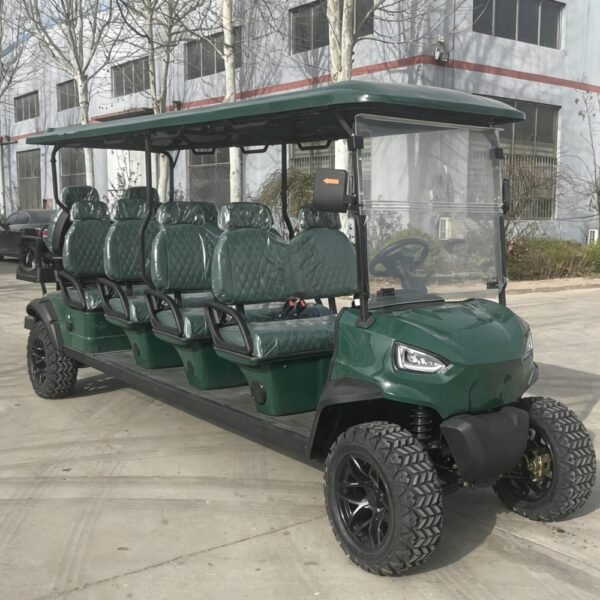
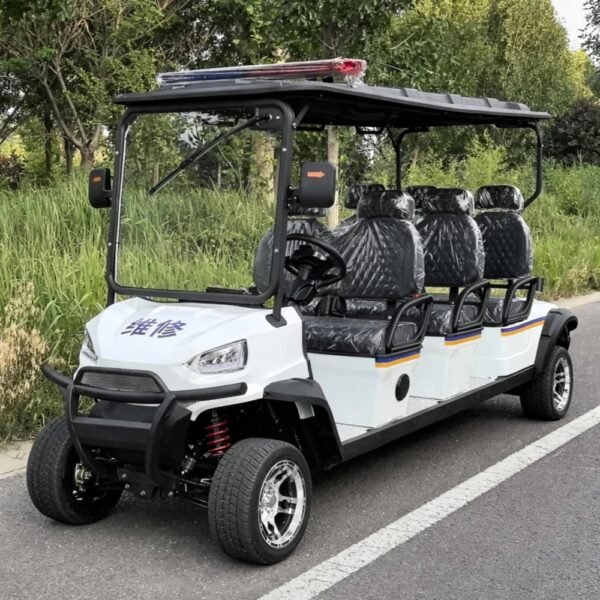
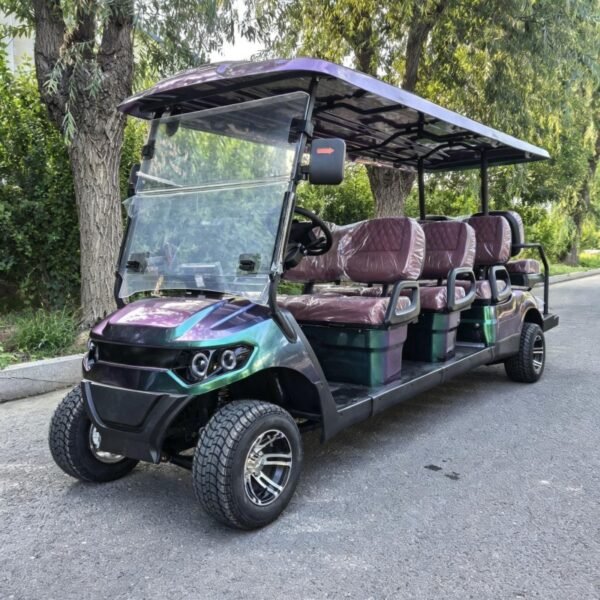
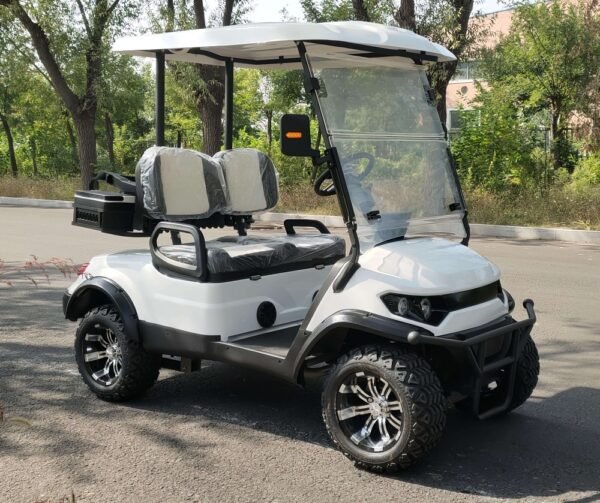
GT Golf Cart specializes in the design, manufacturing, and global supply of electric golf carts and low-speed vehicles. With over 12 years of industry experience, we deliver reliable mobility solutions for golf courses, resorts, communities, and commercial fleets worldwide. From our experience, the used market is often heavily inflated. Buyers spend $6,000 on a five-year-old cart, only to immediately spend another $2,500 on new batteries, suspension parts, and cosmetic upgrades.
By the time the vehicle is running reliably, the total investment is dangerously close to the price of a brand-new vehicle backed by a comprehensive factory warranty. If you value peace of mind, flawless lithium technology, and zero mechanical compromises, bypassing the used market entirely is the smartest financial move. Whether you are looking for visually stunning custom golf carts or fully equipped luxury golf carts featuring premium upholstery and infotainment systems, investing in new manufacturing ensures your vehicle stays on the road, not in the repair shop.
Frequently Asked Questions
What are the most critical maintenance checks before buying used electric golf cart models?
The absolute most critical check is the health and age of the battery bank. Batteries are the most expensive consumable component. Following that, checking the frame for acid corrosion and inspecting the suspension for loose steering play are paramount for safety and financial protection.
How can I tell if the electric motor is failing during a test drive?
Pay attention to the vehicle’s acceleration on inclines. A failing motor or speed controller will shudder, hesitate, or emit a strong burning electrical odor. Additionally, listen for heavy grinding or crunching noises from the rear transaxle, indicating bearing or gear failure.
Is surface rust on the frame a dealbreaker?
Light surface rust on a steel frame is normal and can be treated with a wire brush and rust-inhibiting paint. However, if the metal is flaking, deeply pitted, or crumbling—especially directly beneath the battery tray where acid spills occur—the structural integrity is gone, and you should walk away.
Why do experts recommend avoiding used carts with aftermarket lift kits?
Poorly installed, cheap aftermarket lift kits alter the steering geometry, causing excessive wear on tie rods and wheel bearings. They also raise the center of gravity, significantly increasing the rollover risk. If you want a lifted vehicle, it is safer to buy a unit that was engineered for off-road use from the factory.
Industry References
- National Highway Traffic Safety Administration (NHTSA) – Regulations and compliance standards for classifying Low-Speed Vehicles (LSVs) for public road usage.
- Battery Council International – Guidelines on the life cycle, proper maintenance, and chemical degradation of deep-cycle lead-acid battery banks.
- Department of Energy – Energy Storage – Technical evaluations regarding the transition from traditional lead-acid systems to advanced lithium-ion powertrains in low-speed mobility.