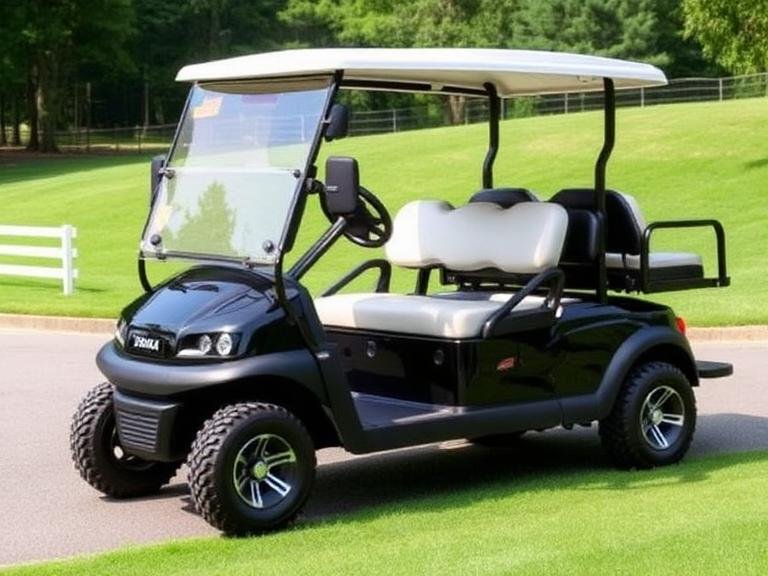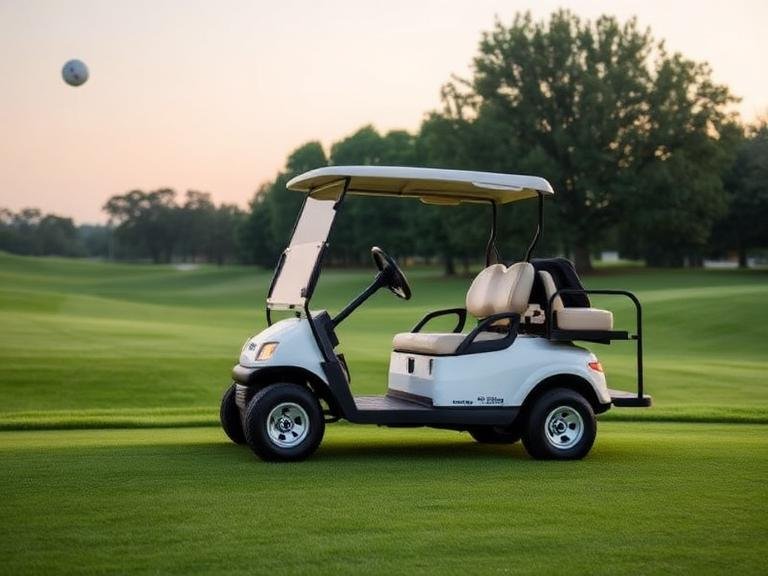
When fleet managers, resort operators, and private owners look to invest in modern mobility solutions, one fundamental question constantly dictates their purchasing decisions: what is the typical range of an electric golf cart on a full charge? Understanding this metric is critical not only for operational efficiency but also for ensuring passenger safety and vehicle longevity. The typical range of an electric golf cart is not a static number; it is a dynamic figure influenced by battery chemistry, payload capacity, terrain, and manufacturing quality.
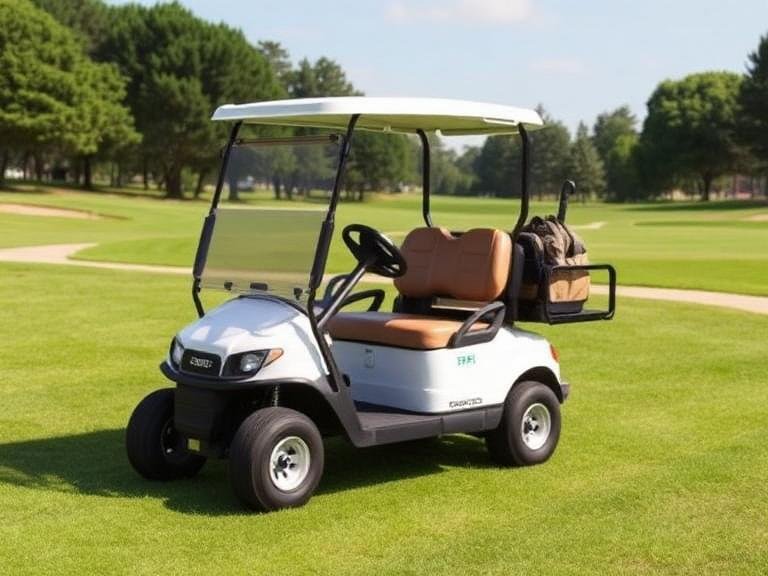
At GT Golf Cart, we are a professional manufacturer specializing in electric golf carts, sightseeing vehicles, and low-speed electric vehicles. Since our establishment, we have focused on delivering durable, efficient, and customizable electric mobility solutions for global markets. With over 12 years of experience, a production capacity exceeding 10 containers monthly, and a presence in over 40 countries served, our engineering teams possess deep, empirical data regarding vehicle endurance. From our experience, while the baseline typical range of an electric golf cart falls between 15 and 40 miles, the actual performance you achieve relies heavily on selecting the correct vehicle specifications for your unique application.
In this authoritative guide, we will dissect the variables that determine the typical range of an electric golf cart. We will examine the critical differences in battery technologies, the impact of passenger loads, and actionable strategies to maximize your vehicle’s daily operational distance.
Table of Contents
- 1. Summary Table: The Typical Range of an Electric Golf Cart
- 2. Battery Technology: The Heart of the Vehicle
- 3. Environmental and Mechanical Factors Affecting Range
- 4. How Passenger Capacity Impacts Endurance
- 5. The GT Golf Cart Manufacturing Advantage
- 6. Expert Tips for Maximizing Your Golf Cart’s Range
- 7. Frequently Asked Questions (FAQs)
- 8. Industry References
1. Summary Table: The Typical Range of an Electric Golf Cart
To provide an immediate, clear perspective, we have compiled a summary table detailing the typical range of an electric golf cart based on standard configurations and battery types. These figures represent averages under optimal, flat-terrain conditions.
| Vehicle Configuration | Battery Type | Estimated Typical Range of an Electric Golf Cart (Miles) | Estimated Drive Time (Hours) |
|---|---|---|---|
| Standard 2-Passenger | Deep-Cycle Lead-Acid | 15 – 25 Miles | 1.5 – 2.5 Hours |
| Standard 2-Passenger | Lithium-Ion (LiFePO4) | 30 – 50 Miles | 3.0 – 5.0 Hours |
| Heavy-Duty 4 to 6-Passenger | Deep-Cycle Lead-Acid | 12 – 20 Miles | 1.2 – 2.0 Hours |
| Heavy-Duty 4 to 6-Passenger | Lithium-Ion (LiFePO4) | 25 – 40 Miles | 2.5 – 4.0 Hours |
| Commercial 8 to 10-Passenger | High-Capacity Lithium-Ion | 20 – 35 Miles | 2.0 – 3.5 Hours |
2. Battery Technology: The Heart of the Vehicle
The single most decisive factor dictating the typical range of an electric golf cart is the energy storage system. Historically, the industry relied entirely on flooded lead-acid batteries. While these remain cost-effective, their energy density is relatively low, and they suffer from significant voltage sag as the state of charge depletes. When analyzing the typical range of an electric golf cart equipped with a standard 48-volt lead-acid bank, operators can generally expect 15 to 25 miles of travel before requiring a recharge.
Conversely, the modern paradigm has shifted toward lithium-ion technology, specifically Lithium Iron Phosphate (LiFePO4). From our experience, upgrading to a lithium-ion system drastically alters the typical range of an electric golf cart. A lithium-equipped cart can reliably achieve 30 to 50 miles on a single charge. Furthermore, lithium batteries weigh significantly less—often shedding up to 300 pounds from the vehicle’s total mass. This weight reduction directly decreases rolling resistance and motor strain, further extending the typical range of an electric golf cart. We highly recommend lithium-ion configurations for commercial operators who cannot afford mid-day charging downtime.
3. Environmental and Mechanical Factors Affecting Range
Beyond battery chemistry, several external variables exert a profound influence on the typical range of an electric golf cart. Understanding these factors is vital for accurate fleet management.
Terrain and Topography
The topography of your operating environment plays a massive role. An electric motor consumes exponentially more amperage when ascending a steep incline compared to cruising on a flat, paved surface. If your golf course, resort, or campus features significant hills, the typical range of an electric golf cart will decrease by 20 to 30 percent. Soft terrains, such as mud, thick grass, or loose sand, also increase rolling resistance, draining the battery much faster than asphalt or concrete.
Tire Pressure and Tread Design
We recommend strict adherence to tire maintenance protocols. Under-inflated tires increase the contact patch with the ground, creating excess friction. This forces the electric motor to draw more current from the battery pack to maintain speed. Maintaining the manufacturer-recommended tire pressure is one of the simplest yet most effective ways to preserve the typical range of an electric golf cart. Additionally, aggressive off-road treads will reduce range compared to smooth, street-oriented turf tires.
Ambient Temperature
Battery electrochemistry is sensitive to extreme temperatures. In freezing conditions, the internal resistance of a lead-acid battery increases, which can temporarily reduce the typical range of an electric golf cart by up to 30 percent. While lithium-ion batteries perform better in cold weather, they also experience minor efficiency losses. Conversely, excessive heat can accelerate battery degradation over time, permanently lowering the vehicle’s maximum endurance.
4. How Passenger Capacity Impacts Endurance
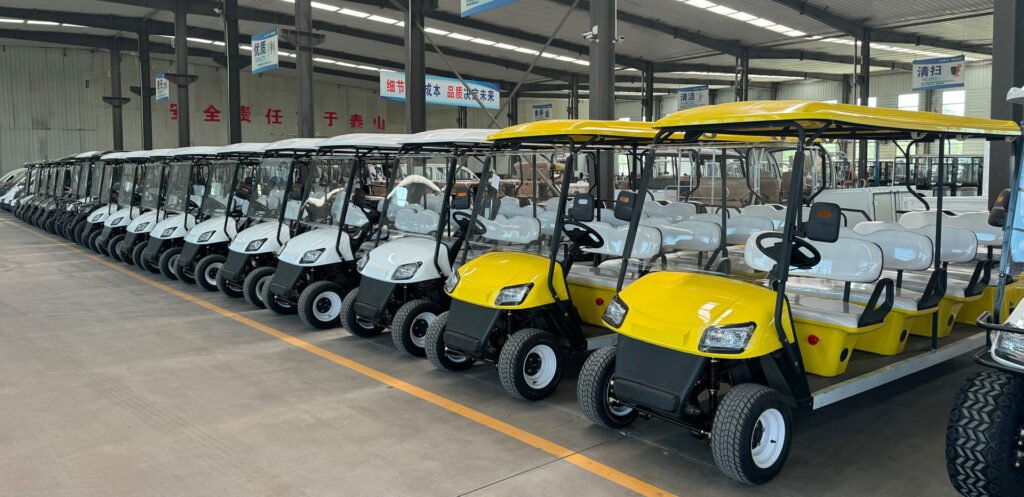
Payload is the enemy of range. The heavier the load the electric motor must move, the faster the energy reserves are depleted. At GT Golf Cart, we manufacture a diverse lineup of vehicles to suit various payload requirements, and it is crucial to understand how scaling up affects the typical range of an electric golf cart.
Standard and Mid-Size Vehicles
Our 2 Passenger Golf Cart represents the baseline for maximum efficiency. Because it carries the lowest payload, it consistently achieves the highest typical range of an electric golf cart in our fleet. When we scale up to the 4 Passenger Golf Cart, the addition of a rear seat kit and two extra adults (approximately 350-400 lbs) increases motor strain. While the range reduction is manageable, it is noticeable, usually decreasing total endurance by 10 to 15 percent compared to a two-seater.
High-Capacity Sightseeing Vehicles
For resort shuttles and large family transport, our 6 Passenger Golf Cart and 8 Passenger Golf Cart models are engineered with upgraded controllers and heavy-duty transaxles to handle the immense weight. However, moving six to eight adults requires a massive energy draw. To maintain an acceptable typical range of an electric golf cart in these configurations, we recommend equipping them with high-amp-hour lithium battery packs.
At the top of our capacity spectrum is the 10 Passenger Golf Cart. Designed primarily as a commercial sightseeing vehicle, its typical range of an electric golf cart is heavily dependent on continuous stopping and starting. The kinetic energy lost during frequent stops requires substantial power to overcome inertia when accelerating again. For these massive vehicles, we utilize optimized AC drive motors to ensure the typical range of an electric golf cart remains viable for a full shift of commercial use.
5. The GT Golf Cart Manufacturing Advantage
The engineering quality of the vehicle itself dictates how efficiently power is transferred from the battery to the wheels. Friction losses in the drivetrain, poor aerodynamics, and inefficient motor controllers can severely cripple the typical range of an electric golf cart.
GT Golf Cart is a professional manufacturer with 12+ years of experience in the industry. Shipping 10+ containers monthly and having 40+ countries served, our global footprint demands that our vehicles perform flawlessly in vastly different climates and topographies. We utilize state-of-the-art AC (Alternating Current) motors rather than older DC (Direct Current) technology. AC motors are significantly more efficient, offer regenerative braking (which feeds power back into the battery when slowing down), and drastically improve the typical range of an electric golf cart. By focusing on durable, efficient, and customizable electric mobility solutions, we ensure that every unit leaving our assembly line delivers maximum endurance.
6. Expert Tips for Maximizing Your Golf Cart’s Range
Regardless of whether you own a fleet of lead-acid carts or a brand-new lithium-powered model, operational habits dictate actual performance. From our experience, we recommend the following daily practices to extend the typical range of an electric golf cart:
- Implement Regenerative Braking: If your vehicle is equipped with an AC motor, anticipate your stops. Taking your foot off the accelerator early allows the regenerative braking system to capture kinetic energy and funnel it back into the battery, extending the typical range of an electric golf cart significantly over a full day of driving.
- Perform Routine Maintenance: Dragging brake pads or unlubricated wheel bearings create mechanical resistance. Regularly servicing the undercarriage ensures the motor does not have to fight against internal friction.
- Manage Your Payload: Do not carry unnecessary weight. If you are using a 4-passenger cart for a 2-person job, remove heavy cargo from the rear flip seat. Lighter vehicles require less amperage to move.
- Avoid Deep Discharges: For lead-acid batteries, routinely draining the pack below 20% capacity causes irreversible sulfation, which permanently shrinks the typical range of an electric golf cart over time. Recharge the vehicle after every significant use.
7. Frequently Asked Questions (FAQs)
How does battery age affect the typical range of an electric golf cart?
As lead-acid batteries age, the active material on their lead plates degrades, reducing their ability to hold a charge. By year three or four, the typical range of an electric golf cart powered by lead-acid can drop by 40% to 50%. Lithium-ion batteries degrade much slower, retaining up to 80% of their original range even after a decade of use.
“`
Does driving at top speed reduce the typical range of an electric golf cart?
Yes, absolutely. Aerodynamic drag and mechanical resistance increase exponentially with speed. Driving your golf cart constantly at its maximum speed will drain the battery much faster than maintaining a moderate, steady cruising pace. To maximize the typical range of an electric golf cart, smooth and steady acceleration is key.
Can I upgrade my current golf cart to increase its range?
Yes. The most effective upgrade is converting a traditional lead-acid system to a high-capacity lithium-ion drop-in battery kit. This single modification removes hundreds of pounds from the chassis and provides a deeper usable energy reserve, dramatically increasing the typical range of an electric golf cart.
Why does a 6-passenger cart have a shorter range than a 2-passenger cart with the same battery?
The typical range of an electric golf cart is an equation of energy capacity versus total weight. A 6-passenger cart is physically larger, features a heavier extended frame, and carries four additional adults. The electric motor must draw significantly more continuous amperage to haul this payload, depleting the battery faster.
8. Industry References
1. International Electrotechnical Commission (IEC). “Standards for Low-Speed Electric Vehicle Battery Efficiency and Discharge Rates.” Geneva, 2025.
2. The Global Electric Mobility Council. “Comparative Analysis of Lead-Acid versus Lithium Iron Phosphate (LiFePO4) in Utility and Fleet Applications.” Washington D.C., 2024.