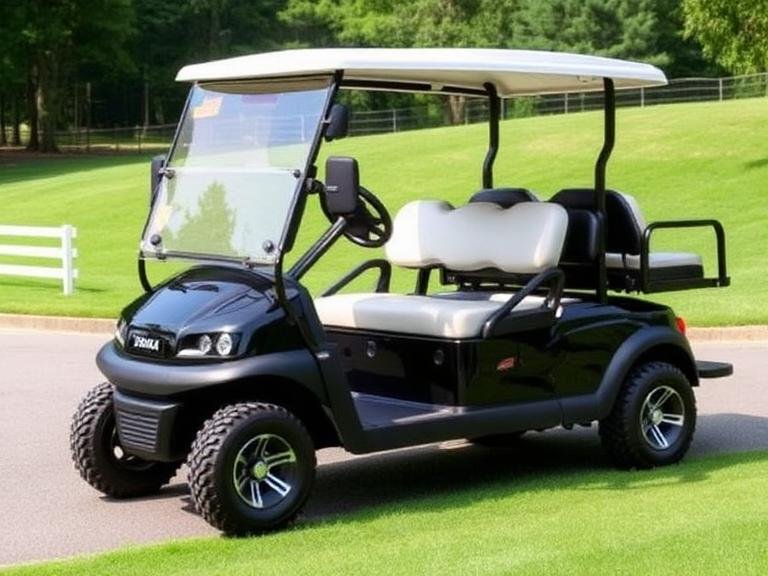
In the global landscape of low-speed electric mobility, terminology often creates significant confusion among procurement managers, fleet operators, and private consumers. One of the most persistent questions we encounter in international trade is whether a specific electric vehicle is correctly identified as a golf buggy or golf cart. While these terms are frequently used interchangeably in casual conversation, the distinction carries historical, regional, and technical weight that can directly impact purchasing decisions, customs classifications, and regulatory compliance.
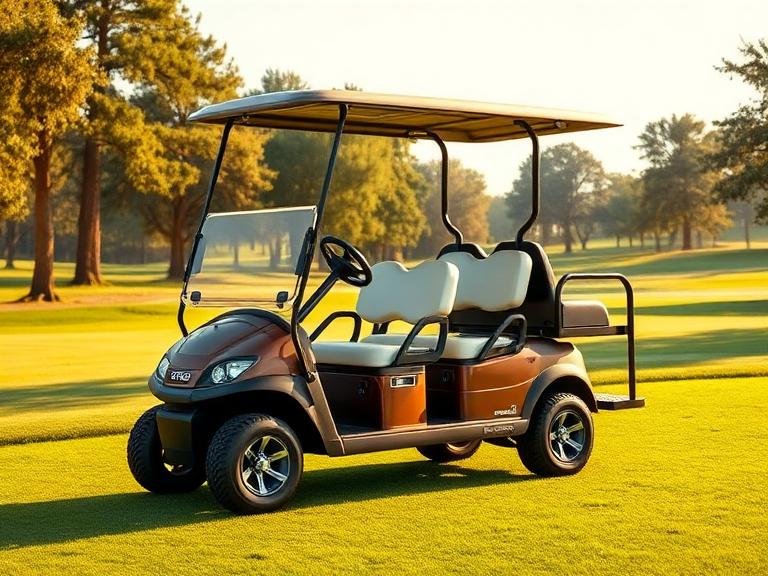
As a professional manufacturer specializing in electric mobility, sightseeing vehicles, and low-speed electric vehicles (LSVs), GT Golf Cart has navigated this linguistic divide for over a decade. Since our establishment, we have focused on delivering durable, efficient, and customizable electric mobility solutions for global markets. From our experience serving diverse regions across the globe, we know that understanding whether you need a golf buggy or golf cart requires analyzing your specific operational environment, payload requirements, and regional vocabulary. In this authoritative industry guide, we will dissect the origins of these terms, establish clear technical distinctions, and provide expert guidance to streamline your fleet procurement strategy.
Table of Contents
- 1. The Historical Origins: Golf Buggy or Golf Cart
- 2. Regional Dialects and Market Terminology
- 3. Technical Distinctions in Modern Manufacturing
- 4. Choosing the Right Vehicle for Your Fleet Procurement
- 5. GT Golf Cart: Bridging the Global Terminology Gap
- 6. Summary Table: Golf Buggy or Golf Cart Comparison
- 7. Frequently Asked Questions (FAQs)
- 8. References
1. The Historical Origins: Golf Buggy or Golf Cart
To definitively answer whether a vehicle is a golf buggy or golf cart, we must examine the historical evolution of course transportation. In the early 20th century, a “cart” strictly referred to a two-wheeled, unmotorized apparatus designed to be pulled by hand. Caddies and golfers utilized these manual pull-carts to transport heavy leather bags across the fairways. Conversely, a “buggy” historically referred to a lightweight, horse-drawn carriage featuring four wheels and a seating compartment.
When motorized transportation was introduced to the fairways in the 1950s, manufacturers essentially placed an electric motor onto a modified buggy chassis. However, the American market adopted the term “cart” to describe these new motorized vehicles, carrying over the nomenclature from the manual pull-carts they replaced. Meanwhile, Commonwealth nations retained the term “buggy,” recognizing the vehicle’s four-wheeled, passenger-carrying design. Therefore, the foundation of the golf buggy or golf cart debate is rooted deeply in mid-century automotive marketing rather than strict mechanical definitions.
2. Regional Dialects and Market Terminology
From our experience exporting over 10 containers monthly to more than 40 countries, regional dialects dictate the commercial terminology used in import documents and localized marketing. Understanding these geographical preferences is essential for global distributors trying to optimize their search engine visibility and align with local consumer expectations.
2.1 North American Classifications
In the United States and Canada, the term “golf cart” is the undisputed industry standard. Whether referring to a standard fleet vehicle utilized strictly on the fairways or an upgraded neighborhood electric vehicle (NEV), North American consumers and regulatory bodies universally utilize this phrase. If you are structuring a procurement contract for a North American resort, utilizing the term golf buggy will immediately identify you as an outsider to the domestic market. We recommend utilizing the term “cart” exclusively when drafting specifications for the Americas.
2.2 The UK, Australia, and European Markets
Conversely, when operating in the United Kingdom, Australia, New Zealand, and various parts of Europe, asking whether it is a golf buggy or golf cart leans heavily toward the former. In these regions, a “cart” still predominantly refers to a manual or electric push-trolley used to carry clubs, whereas a “buggy” designates a ride-on, motorized passenger vehicle. We strongly advise our European and Oceanic distribution partners to label their motorized fleet imports as buggies to prevent catastrophic miscommunications with end-users who might expect a small push-trolley instead of a multi-passenger electric vehicle.
3. Technical Distinctions in Modern Manufacturing
Beyond geographical linguistics, modern manufacturing practices have begun to force a technical distinction within the golf buggy or golf cart paradigm. As low-speed electric mobility expands beyond the fairways into industrial complexes, university campuses, and residential communities, the engineering requirements of these vehicles have diverged significantly.
3.1 Chassis Design and Payload Capacity
In modern industrial terminology, a traditional “cart” often implies a lightweight, standard chassis designed primarily for moving two individuals and their clubs over manicured grass. These vehicles prioritize turf protection, utilizing smooth tires and limited suspension travel to prevent damage to delicate greens. However, when examining high-capacity personnel carriers, the nomenclature shifts. Vehicles featuring reinforced steel or aluminum frames, upgraded transaxles, and heavy-duty leaf springs are frequently categorized as buggies or specialized low-speed vehicles. When a client inquires about a golf buggy or golf cart for rugged terrain, we immediately direct them toward our elevated, heavy-duty chassis designs capable of withstanding unpaved industrial environments.
3.2 Low-Speed Vehicle (LSV) and Street Legality
The regulatory evolution of the street legal market has further complicated the golf buggy or golf cart debate. Standard course vehicles are stripped of safety features to reduce weight and cost. However, a Street Legal Golf Cart—often classified federally as a Low-Speed Vehicle (LSV)—must be manufactured with Department of Transportation (DOT) approved windshields, three-point seatbelts, turn signals, specialized braking systems, and Vehicle Identification Numbers (VINs). We recommend viewing LSVs as an entirely separate class of vehicle. Whether a region calls it a street legal buggy or a street legal cart, the stringent engineering compliance remains identical, elevating it far beyond a traditional fairway cruiser.
4. Choosing the Right Vehicle for Your Fleet Procurement
When drafting a Request for Proposal (RFP) for your facility, clearly defining whether you require a golf buggy or golf cart is less critical than defining your operational parameters. With 12+ years of experience in the electric vehicle manufacturing sector, we advise procurement teams to focus strictly on capacity, range, and terrain requirements.
If you are managing a traditional 18-hole facility, a standard 2 Passenger Golf Cart featuring a 48V lithium-ion powertrain will deliver the necessary efficiency and turf protection. However, if you operate an expansive resort, a sprawling corporate campus, or an airport terminal, your needs evolve into mass personnel transport. In these scenarios, deploying a 4 Passenger Golf Cart or a 6 Passenger Golf Cart ensures rapid movement of guests and staff. For massive logistical operations, we recommend our specialized 8 Passenger Golf Cart or 10 Passenger Golf Cart models, which feature extended wheelbases, heavy-duty suspension systems, and high-torque AC motors designed for continuous, high-payload operation.
5. GT Golf Cart: Bridging the Global Terminology Gap
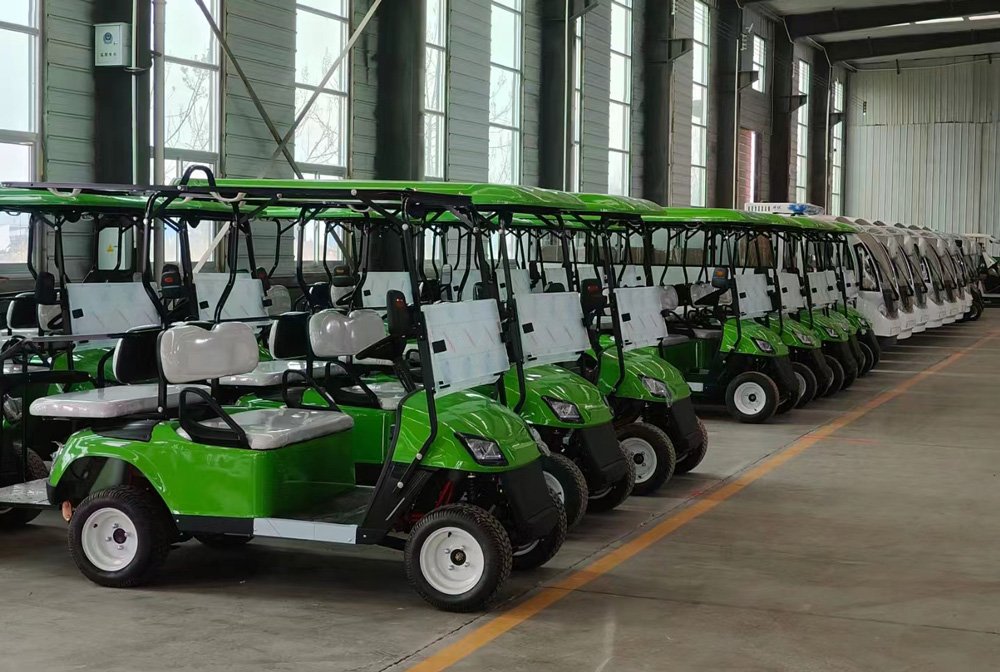
Regardless of whether your local market searches for a golf buggy or golf cart, the underlying demand is for uncompromised reliability, advanced battery technology, and superior after-sales support. At GT Golf Cart, we transcend regional terminology by focusing on universal engineering excellence.
We supply a comprehensive spectrum of electric mobility solutions designed to meet the exact specifications of our global clientele. For upscale country clubs and private gated communities, our Luxury Golf Cart series features premium upholstery, customized alloy wheels, and advanced digital dashboards. For municipalities and security patrols, our Street Legal Golf Cart lineup provides full regulatory compliance without sacrificing performance. Because we successfully export to over 40 countries, our engineering team is deeply familiar with international homologation standards, ensuring that whether your shipment clears customs in Sydney as a buggy or in Miami as a cart, it arrives ready for immediate deployment.
6. Summary Table: Golf Buggy or Golf Cart Comparison
To assist our international distributors and procurement clients in standardizing their vocabulary, we have compiled a definitive summary table addressing the golf buggy or golf cart terminology.
| Linguistic / Technical Metric | “Golf Cart” Terminology | “Golf Buggy” Terminology |
|---|---|---|
| Primary Geographic Region | North America (USA, Canada), Central America | UK, Australia, New Zealand, Parts of Europe |
| Historical Origin | Derived from manual, hand-pulled caddie equipment | Derived from lightweight, four-wheeled horse-drawn carriages |
| Alternative Meanings | Rarely used to describe anything other than the ride-on vehicle in the USA | In the UK, a “cart” implies a push-trolley, while “buggy” means ride-on |
| Typical Vehicle Class | Standard 2 Passenger Golf Cart | Often applied to larger, rugged multi-passenger vehicles |
| GT Golf Cart Recommendation | Use for North American SEO and procurement contracts | Use for Commonwealth SEO, distribution, and local marketing |