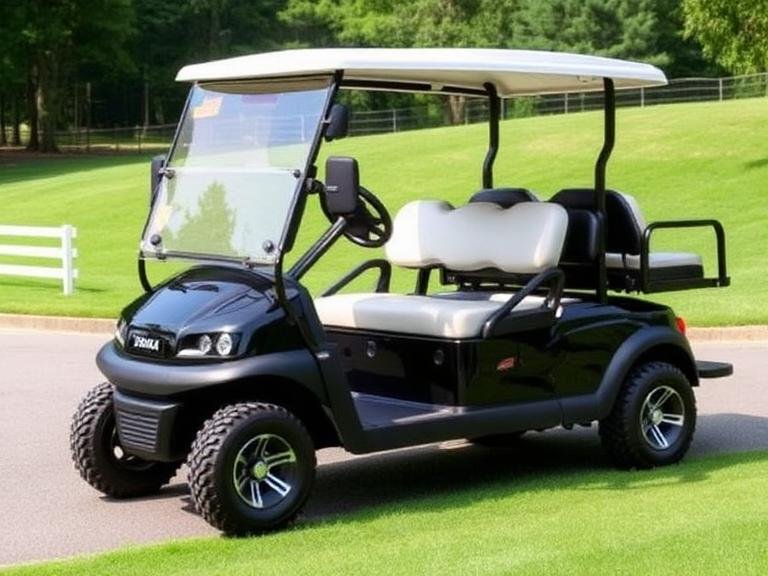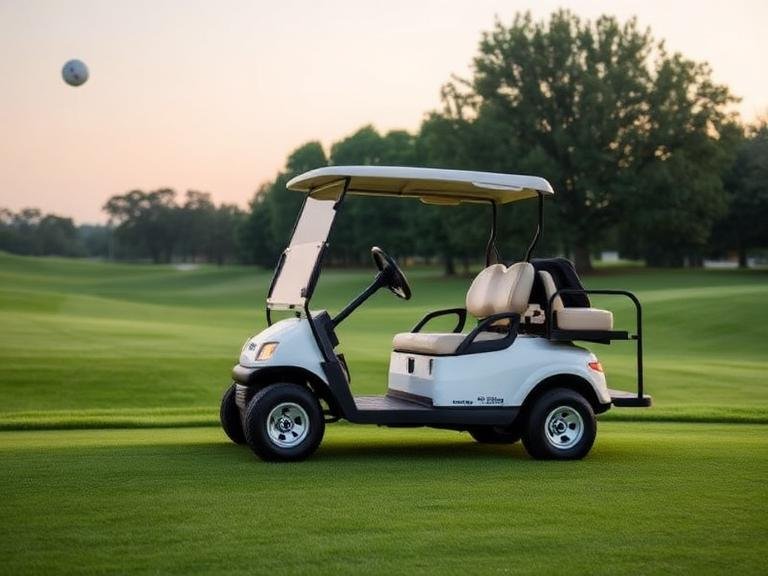
The Ultimate Guide: Identifying the 6 Best Community Golf Carts for Modern Neighborhoods
By GT Golf Cart
In recent years, the landscape of neighborhood transportation has undergone a dramatic transformation. No longer confined strictly to the fairways and putting greens, low-speed electric vehicles have become the preferred mode of transit in master-planned communities, retirement villages, and coastal towns. Finding the best community golf carts is now a primary objective for families and individuals seeking convenient, eco-friendly, and cost-effective mobility solutions. As communities expand their infrastructure to accommodate these vehicles, the demand for specialized, high-performance models has surged.
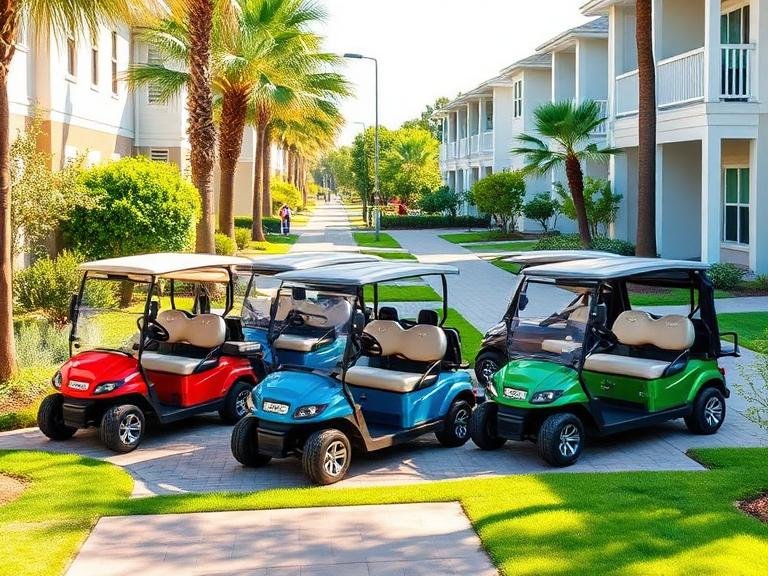
GT Golf Cart is a professional manufacturer specializing in electric golf carts, sightseeing vehicles, and low-speed electric vehicles. Since our establishment, we have focused on delivering durable, efficient, and customizable electric mobility solutions for global markets. With over 12+ Years of Experience, shipping 10+ Containers Monthly, and having our vehicles actively used in 40+ Countries Served, we possess the technical expertise and market insight required to help you make an informed decision. In this comprehensive guide, we will leverage our industry knowledge to evaluate and rank the best community golf carts available today.
Table of Contents
- 1. Why You Need a Specialized Community Vehicle
- 2. Top Criteria for Selecting the Best Community Golf Carts
- 3. The 6 Best Community Golf Carts for Your Neighborhood
- 4. Scaling Up: Options for Community Management
- 5. Summary Table: Comparing the Best Community Golf Carts
- 6. Frequently Asked Questions (FAQs)
- 7. References
1. Why You Need a Specialized Community Vehicle
The transition from a traditional golf setting to a residential neighborhood introduces entirely new demands on a vehicle. A standard fleet cart designed to carry two golfers and their bags over manicured grass for four hours is fundamentally different from a vehicle engineered for daily neighborhood commuting. When searching for the best community golf carts, you must account for varied terrain, heavier passenger loads, and the necessity for enhanced safety features. Daily trips to the community pool, local grocery store, or neighbor’s house require a robust chassis, advanced battery management systems, and superior braking capabilities.
From our experience, standard fleet carts frequently fail prematurely when subjected to the rigors of community driving. The constant stop-and-go traffic on paved roads generates excessive heat in under-powered motors and accelerates wear on basic mechanical brakes. Therefore, we recommend investing in an Electric Golf Cart specifically engineered for community use. These vehicles feature upgraded suspension systems for a smoother ride on asphalt, superior lighting packages for evening travel, and high-capacity battery packs that eliminate range anxiety during extended weekend use.
2. Top Criteria for Selecting the Best Community Golf Carts
Evaluating the best community golf carts requires a systematic approach. As a manufacturer, we rigorously test our vehicles against several critical parameters to ensure they meet the demands of global consumers. When you are assessing your options, we recommend focusing on the following key attributes:
- Battery Technology: The heart of any Electric Golf Cart is its power source. Modern community carts are increasingly utilizing Lithium-Ion batteries over traditional lead-acid options. Lithium-ion provides a longer lifespan, faster charging times, zero maintenance, and significantly less weight, which translates directly to better handling and extended range.
- Seating Capacity and Configuration: The best community golf carts must match your family’s needs. Whether you require a forward-facing setup or a rear-facing flip seat that converts into a cargo bed, versatile seating is paramount for utility.
- Safety Features: Neighborhood driving means interacting with pedestrians, bicycles, and sometimes full-sized automobiles. Essential safety features include DOT-approved windshields, three-point seatbelts, turn signals, brake lights, headlights, and rearview mirrors.
- Motor Output and Hill Climbing Ability: If your community features steep inclines, a standard DC motor may struggle. Upgraded AC electric motors provide superior torque, better efficiency, and regenerative braking, which helps maintain speed while descending hills and recharges the battery simultaneously.
3. The 6 Best Community Golf Carts for Your Neighborhood
Based on our extensive manufacturing data and consumer feedback across the 40+ Countries Served by our brand, we have categorized the six optimal configurations for neighborhood use. Here is our authoritative breakdown of the best community golf carts.
3.1 The Versatile 4 Passenger Golf Cart
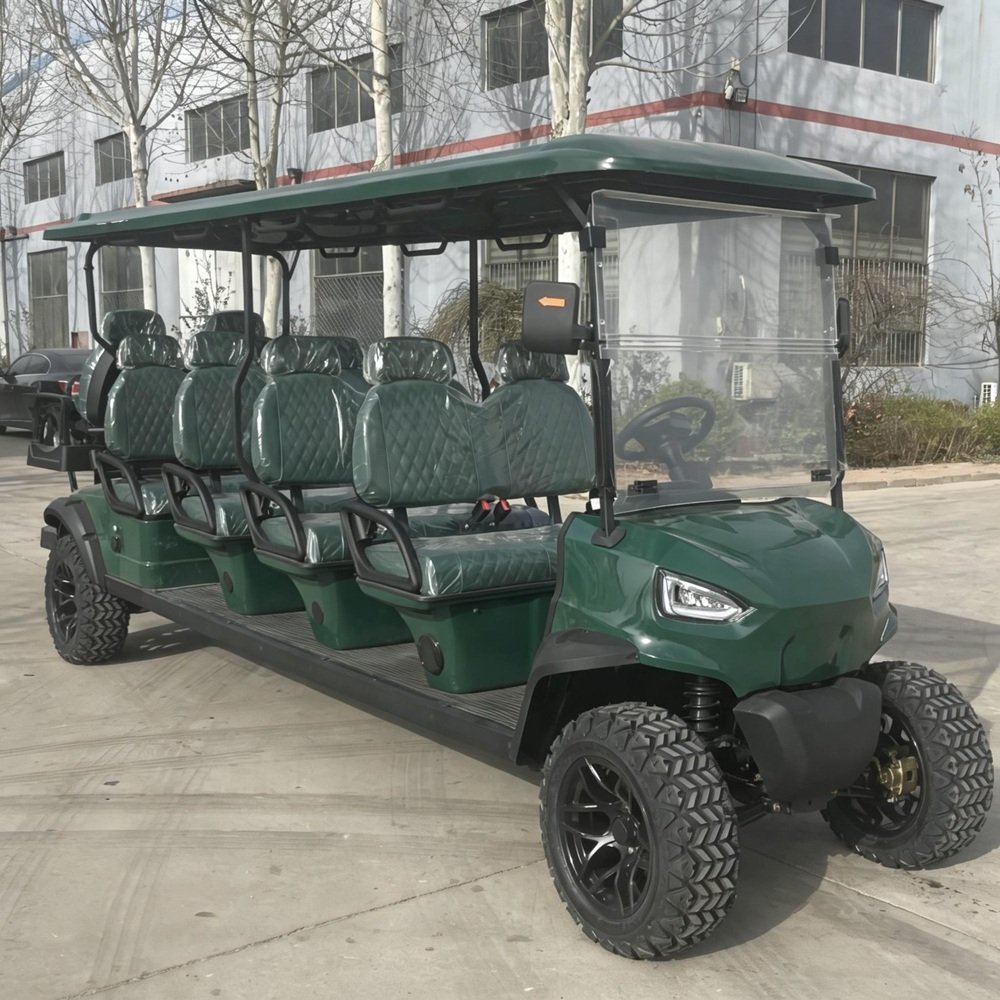
For the vast majority of suburban families, the 4 Passenger Golf Cart represents the perfect balance of size, maneuverability, and utility. This configuration typically features two forward-facing seats and two rear-facing seats. From our experience, this is the most popular footprint for community transit. The rear seats often fold down to create a flat cargo deck, allowing residents to transport groceries, pool supplies, or gardening materials effortlessly. Because it retains a relatively short wheelbase, it easily navigates tight neighborhood cul-de-sacs and standard golf cart paths without sacrificing stability.
3.2 The Spacious 6 Passenger Golf Cart
When you have a larger family or frequently host guests, standard models fall short. The 6 Passenger Golf Cart is engineered with an extended chassis to accommodate three rows of seating. These are undeniably some of the best community golf carts for highly social neighborhoods. To compensate for the increased passenger weight and extended wheelbase, these vehicles require upgraded suspension components and high-torque AC motors. We recommend this model for extended families who want to travel together to community events without taking multiple vehicles.
3.3 The Street Legal Golf Cart (LSV)
Many municipalities and master-planned communities have strict regulations regarding what types of vehicles can operate on public roads. A Street Legal Golf Cart, often classified as a Low-Speed Vehicle (LSV), is manufactured to comply with strict federal and local safety standards. These models come factory-equipped with a 17-digit Vehicle Identification Number (VIN), DOT-approved tires, illuminated license plate brackets, and advanced lighting systems. If your daily route takes you out of the gated community and onto municipal roads with speed limits up to 35 mph, a Street Legal Golf Cart is not just an option; it is a legal necessity.
3.4 The Luxury Golf Cart
For discerning buyers who demand premium aesthetics and superior comfort, the Luxury Golf Cart segment offers unparalleled refinement. These vehicles represent the pinnacle of the best community golf carts, featuring automotive-style finishes. Common upgrades include custom metallic paint jobs, premium marine-grade stitched seating, integrated Bluetooth sound systems, custom alloy wheels, and digital dashboard displays. From our experience, the luxury tier is highly sought after in upscale retirement communities and exclusive country club estates where the vehicle serves as an extension of personal style.
3.5 The Off Road Golf Cart
Not all communities are paved with smooth asphalt. For neighborhoods situated in rural areas, mountainous regions, or alongside expansive nature trails, the Off Road Golf Cart is the ideal solution. These vehicles are characterized by heavy-duty lift kits, aggressive all-terrain tires, brush guards, and reinforced suspensions. While they are fully capable of cruising the neighborhood streets, they truly excel when the pavement ends. We recommend an Off Road Golf Cart for estate owners who need to traverse unpaved acreage or access remote parts of their community.
3.6 The Compact 2 Passenger Golf Cart
Sometimes, simplicity and efficiency are the ultimate goals. The 2 Passenger Golf Cart is a nod to the traditional design but upgraded with modern community-focused amenities. It is incredibly lightweight, maximizing battery range and ensuring an agile driving experience. This configuration is widely considered one of the best community golf carts for retired couples or individuals who primarily use the vehicle for short commutes to community amenities. Its compact size means it takes up minimal space in the garage while still providing reliable, comfortable transit.
4. Scaling Up: Options for Community Management
While individual residents seek out the best community golf carts for personal use, Homeowners Associations (HOAs) and community management teams require specialized mobility solutions to maintain the neighborhood. GT Golf Cart provides robust options for these entities as well. For large-scale community tours or transporting residents across expansive properties, the 8 Passenger Golf Cart and the 10 Passenger Golf Cart serve as excellent shuttle vehicles.
Furthermore, property maintenance teams benefit immensely from our Commercial Golf Cart and Special Golf Cart lines. These are built with extended aluminum cargo beds, heavy-duty payload capacities, and specialized tool racks, ensuring that the community remains pristine and well-serviced year-round.
5. Summary Table: Comparing the Best Community Golf Carts
To assist you in finalizing your decision, we have compiled a responsive summary table outlining the primary use cases and key features of the best community golf carts discussed in this guide.
| Cart Configuration | Ideal Community Use Case | Key Defining Feature | GT Golf Cart Recommendation |
|---|---|---|---|
| 2 Passenger Golf Cart | Couples, retirees, single commuters | Highly compact, maximum battery range | Best for simple, direct point-to-point transit. |
| 4 Passenger Golf Cart | Standard families, versatile utility | Rear flip-seat for passenger/cargo conversion | The most balanced choice for daily neighborhood use. |
| 6 Passenger Golf Cart | Large families, neighborhood hosting | Extended chassis, three rows of seating | Requires an upgraded AC motor for heavy loads. |
| Street Legal Golf Cart | Municipal road use, strict HOA compliance | VIN equipped, DOT-approved safety features | Mandatory for communities blending with public roads. |
| Luxury Golf Cart | Upscale estates, premium country clubs | Custom paint, premium seats, digital dashes | For those prioritizing comfort, aesthetics, and status. |
| Off Road Golf Cart | Rural communities, nature trails, large estates | Lift kits, all-terrain tires, brush guards | Essential for unpaved roads and rugged terrain. |
6. Frequently Asked Questions (FAQs)
7. References
For further reading on low-speed vehicle regulations, battery technologies, and community transportation standards, please consult the following authoritative resources: