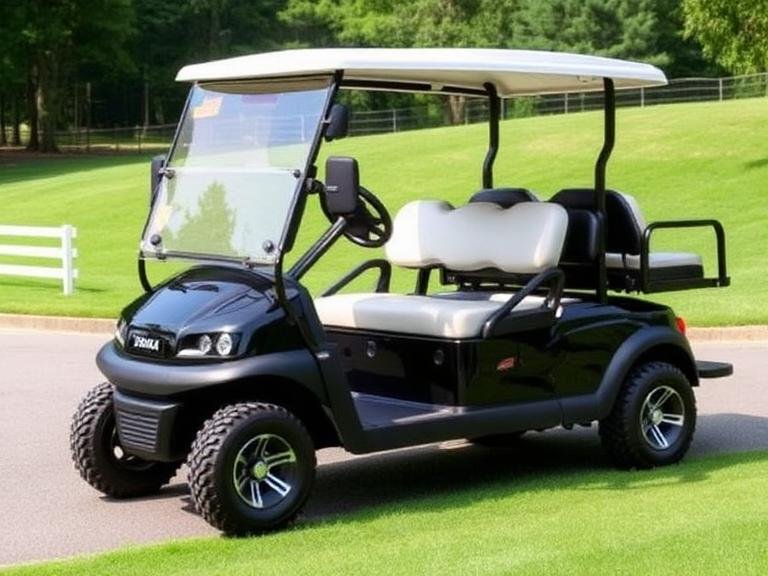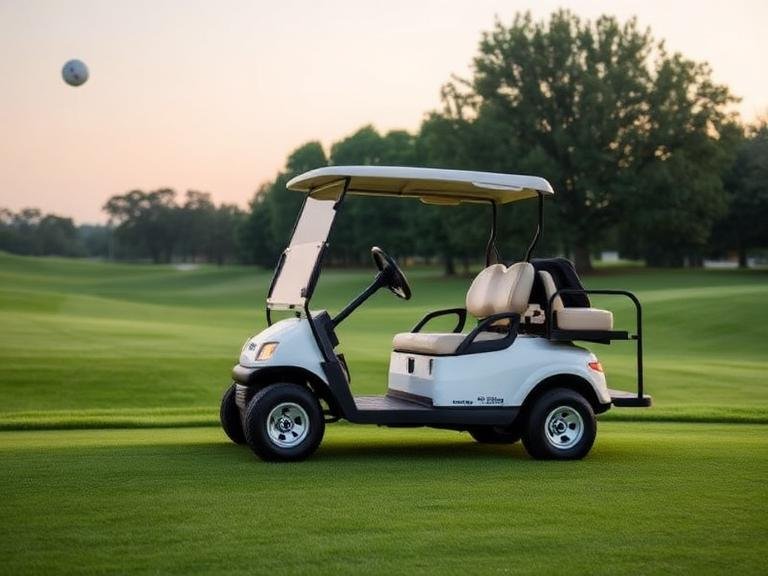
The low-speed vehicle (LSV) and personal mobility market has exploded over the last five years. Dealerships, resorts, and commercial fleet managers are moving away from traditional combustion vehicles and rapidly adopting localized electric transport. However, from our experience at GT Golf Cart managing global supply chains, the profit margins for dealerships heavily depend on their sourcing strategy. If you are paying retail or even tier-two distributor prices, your commercial operation is bleeding capital. To remain competitive, you must know how to properly buy golf carts wholesale.
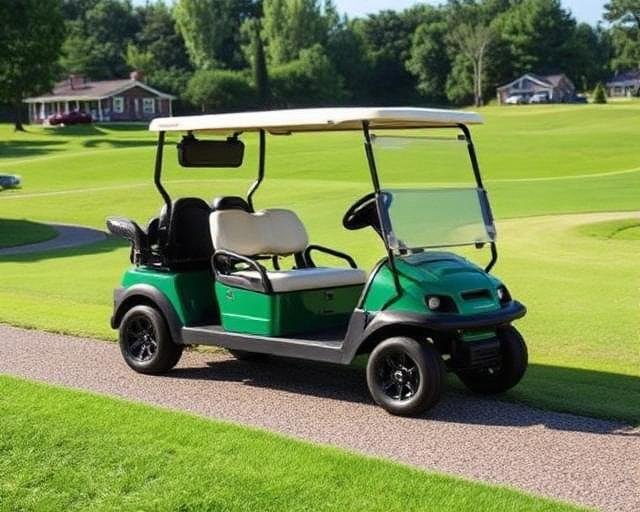
In most professional situations, buying golf carts wholesale is not as simple as clicking an “add to cart” button. It requires navigating minimum order quantities (MOQs), negotiating ocean freight, dealing with customs brokers, and verifying factory compliance. If you want to maximize your profit margins and build your own regional brand, you need to understand the supply chain ecosystem. In this expert guide, we will break down the exact strategies to buy golf carts wholesale, explain whether specific methods are worth your time, and provide actionable commercial judgment to protect your capital.
Quick Answer: How to Buy Golf Carts Wholesale
If you need to buy golf carts wholesale for a dealership, fleet, or resort, there are 6 proven methods, but they yield vastly different profit margins:
- Direct from Overseas Manufacturers: Highest profit margin (40-60%). Best for full container loads (OEM/ODM).
- Domestic Master Distributors: Faster delivery, but lower margins (15-25%).
- Golf Course Fleet Liquidations: Excellent for acquiring used carts in bulk to refurbish.
- B2B Online Marketplaces: High risk of trading company markups; requires extreme vetting.
- Specialized Import Brokers: Hands-off logistics, but adds a 10-15% fee to your landed cost.
- Industry Trade Shows: The best place to inspect build quality and negotiate contracts face-to-face.
Expert Recommendation: For commercial users looking to establish their own brand or maximize ROI, we highly recommend sourcing direct from a verified OEM manufacturer (like GT Golf Cart) and importing via 40ft HQ containers.
Table of Contents
- What It Is: Understanding Wholesale in the LSV Market
- How It Works: The 6 Procurement Strategies
- The Commercial Benefits
- Limitations and Logistical Hurdles
- Who Should Use It & Who Doesn’t Need It
- Common Mistakes in Wholesale Sourcing
- Crucial Buying Considerations
- Comparison Table: Sourcing Channels
- Pros and Cons Table
- Expert Recommendation
- Frequently Asked Questions
What It Is: Understanding Wholesale in the LSV Market
To buy golf carts wholesale means bypassing the retail consumer market and purchasing vehicles in bulk directly from the source or a primary distributor. In the golf cart industry, “wholesale” typically implies a Minimum Order Quantity (MOQ). You are not buying one or two carts; you are buying by the container load. A standard 20-foot shipping container can hold roughly 8 to 10 standard two-passenger carts, while a 40-foot High Cube (HQ) container can hold up to 24 to 26 units, depending on whether they are shipped fully assembled or as Completely Knocked Down (CKD) kits.
Wholesale purchasing allows dealers to customize the vehicles. For instance, you can order a fleet of Electric Golf Carts customized with your resort’s specific pantone colors, upgraded lithium-ion batteries, and bespoke upholstery. It grants you control over the product specifications and the landed cost.
How It Works: The 6 Ways to Buy Golf Carts Wholesale
There are multiple avenues to acquire wholesale inventory. Each requires a different level of capital and logistical expertise.
1. Direct from Overseas Manufacturers (OEM/ODM)
This is the most profitable route. By partnering directly with a factory, you eliminate all middlemen. You can request a Custom Golf Cart built to your exact specifications. How it works involves communicating with the factory’s engineering team, approving a physical prototype, wiring a 30% deposit, and paying the balance upon completion before the container boards a vessel. This route is mandatory if you intend to create your own brand of carts in your local market.
2. Domestic Master Distributors
If you cannot afford a full container or cannot wait 60 days for ocean freight, you can buy from a domestic master distributor. These are massive warehouses that import thousands of carts and sell them to smaller dealers. If you are researching Golf Cart Dealers Michigan or other regional hubs, many operate this way. The benefit is immediate inventory; the limitation is that you surrender 15% to 25% of your profit margin to the distributor.
3. Golf Course Fleet Liquidations
Every three to five years, major country clubs liquidate their fleets of standard two-seater carts to upgrade to new models. Bidding on these fleet liquidations is an excellent way to buy golf carts wholesale. You can acquire 50 to 100 used Commercial Golf Carts at rock-bottom prices. Dealers typically buy these, install rear flip seats, upgrade the bodies, add lift kits, and flip them for a massive profit.
4. B2B Online Marketplaces
Platforms like Alibaba or Global Sources connect Western buyers with Asian suppliers. While convenient, this is the most dangerous route for beginners. Over 60% of the “manufacturers” listed on these platforms are actually trading companies (middlemen) pretending to be factories. If you use these platforms, you must hire a third-party inspection agency to verify the factory physically before wiring funds.
5. Specialized Import Brokers
If the idea of managing bills of lading, customs clearance, and import tariffs terrifies you, you can hire an import broker. They will source the factory, negotiate the price, and handle door-to-door delivery. However, this convenience comes at a premium, usually adding a 10% to 15% fee to your total landed cost.
6. Industry Trade Shows
In most professional situations, flying to a major trade show (such as the PGA Merchandise Show in Orlando or the Canton Fair in China) is the best way to vet suppliers. You can physically inspect the weld quality, test the suspension of an Off Road Golf Cart, and negotiate wholesale contracts face-to-face with factory executives.
The Commercial Benefits of Wholesale Purchasing
The primary benefit of learning how to efficiently buy golf carts wholesale is margin control. When you own the supply chain, you can insulate your dealership from domestic price wars. Furthermore, it allows for extreme product differentiation. Instead of selling the exact same white, basic cart as the dealer down the street, you can import Luxury Golf Carts featuring independent front suspension, 14-inch alloy wheels, and touchscreen infotainment systems, allowing you to command premium retail pricing.
Limitations and Logistical Hurdles
We must use commercial judgment and address the drawbacks. Buying direct requires significant cash flow; you are paying for inventory 60 to 90 days before you can sell it. Ocean freight is volatile, and shipping delays are common. Furthermore, you become the warranty provider. If you buy direct from an overseas factory, they will send you replacement parts, but you are responsible for the diagnostic and repair labor locally.
Who Should Use It & Who Does Not Need It
Who Should Use It: We recommend wholesale procurement for established golf cart dealerships, large agricultural estates, university campus managers, and resort operators looking to upgrade their transportation fleets. If you are analyzing the Golf Cart Dealers in the World, the top 1% all source directly from factories.
Who Does Not Need It: A consumer looking for a single cart to drive around their neighborhood should not attempt to buy wholesale from an overseas factory. The LCL (Less than Container Load) shipping costs, customs bonds, and port fees will make a single imported cart far more expensive than simply buying it from a local dealer.
Common Mistakes in Wholesale Sourcing
In our testing and industry observation, the most devastating mistake dealers make is ignoring domestic street-legal compliance. If your customers want to drive on public roads with speed limits of 35 MPH or less, the vehicle must have a 17-digit VIN, DOT-approved windshields, seatbelts, and backup cameras. If you order standard carts without these features, you cannot legally register them as a Street Legal Golf Cart (LSV), rendering your inventory unsellable in certain municipalities.
Another common mistake is purchasing outdated lead-acid battery tech to save money. In 2026, consumers demand maintenance-free Lithium Iron Phosphate (LiFePO4) batteries. Stocking heavy, acid-leaking batteries is a surefire way to lose market share to competitors.
Crucial Buying Considerations
When executing a contract to buy golf carts wholesale, scrutinize the Bill of Materials (BOM). Demand premium AC controllers (such as Curtis or Toyota). Ask the factory if the chassis is hot-dip galvanized steel or aircraft-grade aluminum; a cheap powder-coated steel frame will rust entirely within two years if operated near the coast. To see who is setting the standard, review our list of the top Luxury Golf Cart Manufacturers.
Comparison Table: Sourcing Channels
| Sourcing Channel | Average Profit Margin | Lead Time | MOQ Requirement | Best For |
|---|---|---|---|---|
| Direct Manufacturer (OEM) | 40% – 60% | 60 – 90 Days | 1 Container (8-24 units) | Building a proprietary brand, max ROI. |
| Domestic Master Distributor | 15% – 25% | 1 – 2 Weeks | 1 – 4 units | Dealers with low cash flow, immediate stock needs. |
| Fleet Liquidation (Used) | 30% – 50% (Post-Refurb) | Immediate | 20+ units | Refurbishing shops, budget buyers. |
| Import Brokers | 25% – 40% | 60 – 90 Days | 1 Container | Dealers who want to avoid import logistics. |
Pros and Cons of Buying Wholesale Direct
| Pros | Cons |
|---|---|
| Unmatched unit cost, drastically increasing your dealership’s profitability. | Requires significant upfront capital to purchase full container loads. |
| Complete control over customization, allowing you to cater to your specific local market. | Long lead times require precise inventory forecasting and seasonal planning. |
| Ability to establish an exclusive regional distribution territory with the factory. | You are responsible for resolving local warranty claims and stocking spare parts. |
| Direct access to factory engineers for technical support and custom feature requests. | Language barriers and time-zone differences can complicate communication. |
Expert Recommendation
If you are serious about scaling your dealership or commercial fleet, you must transition to direct factory sourcing. Stop paying middlemen. We recommend auditing factories based on their export experience and adherence to ISO manufacturing standards. Review the latest New Golf Carts 2026 to see the features consumers are demanding, such as Apple CarPlay integration and lifted off-road suspensions, and mandate those in your wholesale orders. Partner with a factory that views you as a long-term commercial partner, not just a transactional buyer.
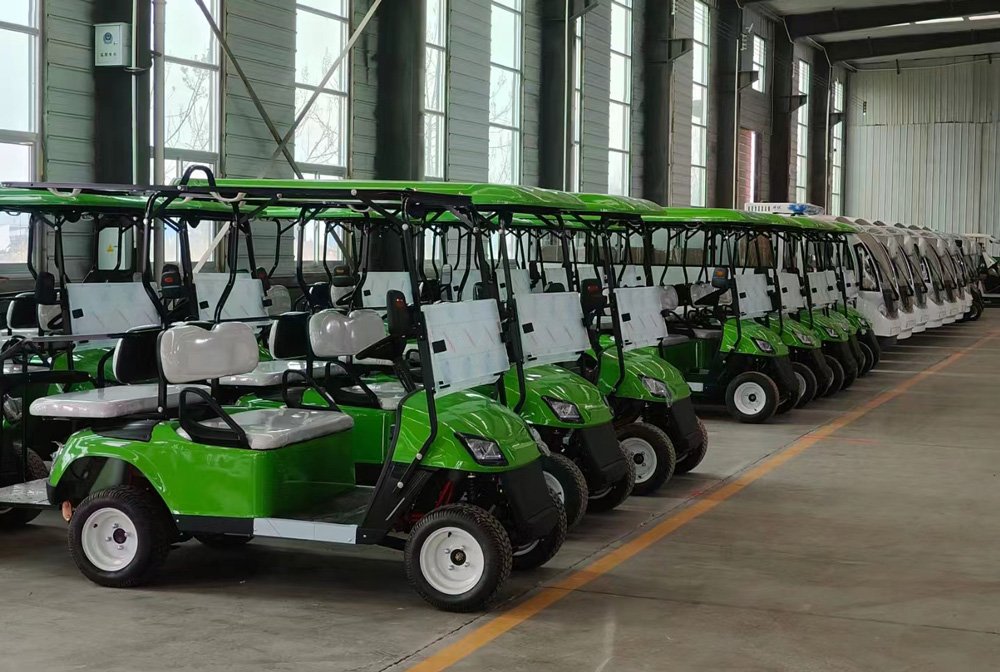
GT Golf Cart: Your Direct Manufacturing Partner
GT Golf Cart specializes in the design, manufacturing, and global supply of electric golf carts and low-speed vehicles. With over 12 years of industry experience, we deliver reliable mobility solutions for golf courses, resorts, communities, and commercial fleets worldwide.
If you are looking to buy golf carts wholesale, bypass the trading companies. We offer robust OEM/ODM services, ensuring your fleet features high-output AC motors, premium lithium batteries, and galvanized chassis built to withstand the harshest environments.
Frequently Asked Questions
How many golf carts fit in a shipping container?
It depends on the packing method. In a standard 20-foot container, you can fit 8 to 10 fully assembled two-seater carts. In a 40-foot High Cube (HQ) container, you can fit roughly 24 to 26 units if they are shipped securely in steel frames, which is the most cost-effective method for importing wholesale inventory.
What is an LSV and why does it matter?
LSV stands for Low-Speed Vehicle. To legally drive on public roads in the United States, a golf cart must be certified as an LSV by the Department of Transportation. This requires a 17-digit VIN, headlights, taillights, turn signals, DOT-approved tires, seatbelts, and a windshield. Standard golf carts lack these and cannot be street-legal.
Do I need a special license to import golf carts?
You do not need a specific “import license,” but your business must have a valid Tax ID/EIN, and you must secure a Customs Bond. Most commercial buyers use a licensed Customs Broker to file the necessary ISF (Importer Security Filing) and pay the applicable import duties and tariffs upon arrival at the port.
What is the difference between OEM and ODM?
OEM (Original Equipment Manufacturer) means the factory builds a golf cart to your exact custom specifications and designs. ODM (Original Design Manufacturer) means the factory has pre-designed carts that you simply select from their catalog and apply your own brand name and logo to. ODM is faster and cheaper for new dealers.
Industry References & Quality Standards
To ensure our sourcing guidelines meet rigorous commercial safety and compliance standards, we refer to the following authoritative organizations:
- National Highway Traffic Safety Administration (NHTSA): Governs the federal regulations for Low-Speed Vehicles (LSVs) under FMVSS No. 500, dictating required safety equipment for street-legal operation. Review NHTSA Regulations
- International Organization for Standardization (ISO): Global standards for manufacturing quality management (ISO 9001), ensuring factories maintain consistent, high-quality assembly processes. Review ISO Manufacturing Standards
- PGA of America: Industry insights on fleet management, golf course operations, and commercial utility vehicle standards. Review PGA Industry Insights