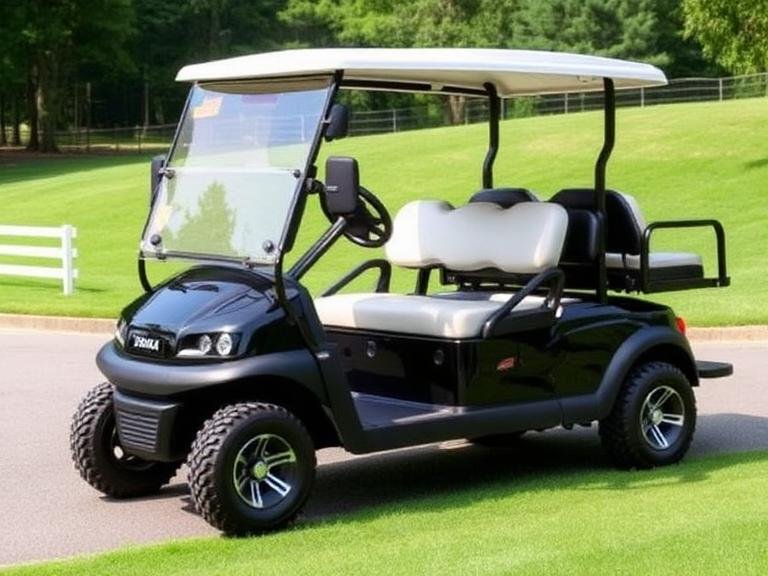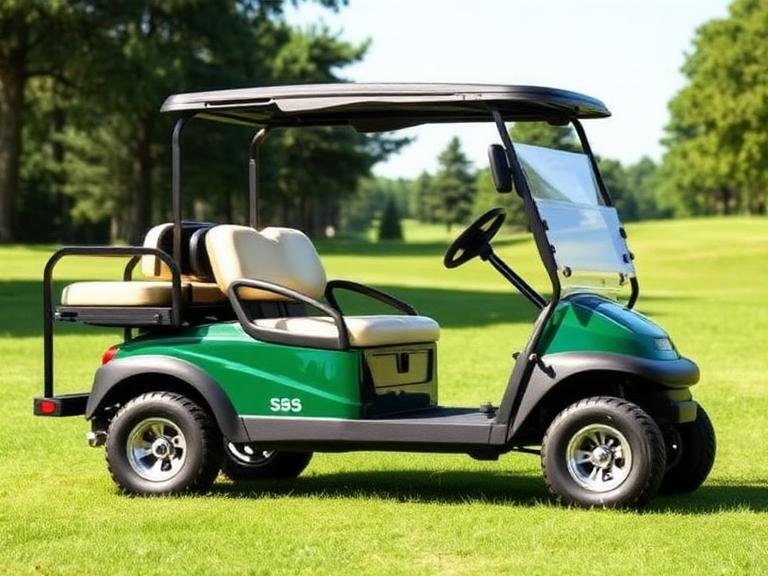
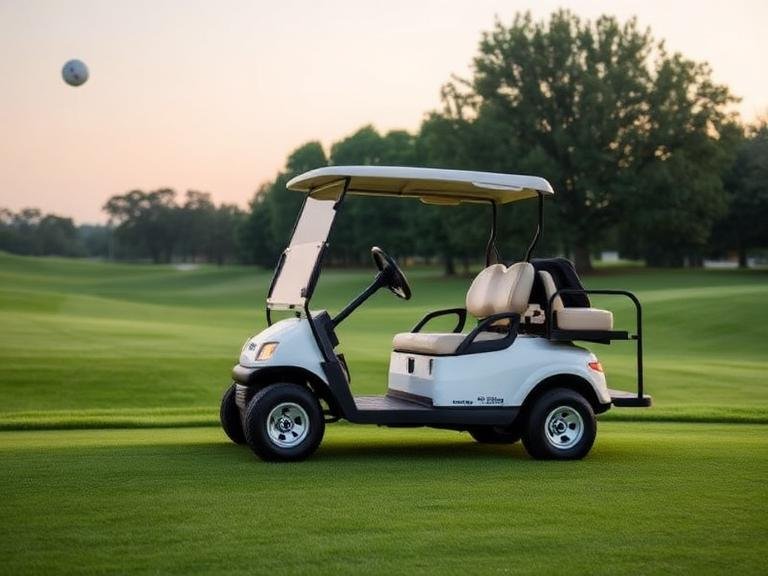
GT Golf Cart is a professional manufacturer specializing in electric golf carts, sightseeing vehicles, and low-speed electric vehicles. Since our establishment, we have focused on delivering durable, efficient, and customizable electric mobility solutions for global markets. Our commitment to quality ensures that every vehicle we produce is engineered to maximize the average lifespan of a golf cart through superior components and innovative design.
Table of Contents
- Understanding the Average Lifespan of a Golf Cart
- Electric vs. Gas: Comparing Longevity
- Key Factors Influencing How Long a Golf Cart Lasts
- The Role of Battery Technology in Lifespan
- Expert Maintenance Tips for Maximum Durability
- Exploring the GT Golf Cart Fleet
- Summary Table of Life Expectancy
- Frequently Asked Questions
- References
Understanding the Average Lifespan of a Golf Cart
When investing in a vehicle for the fairway or the community, the most critical question buyers ask is: What is the average lifespan of a golf cart? In the current market of 2026, a well-manufactured golf cart can reasonably be expected to last anywhere from 10 to 20 years. In exceptional cases where maintenance is treated as a priority, some units have been known to remain operational for 30 to 40 years.
The term lifespan refers to the functional period of the chassis and major mechanical components. While consumables like batteries, tires, and seats will inevitably require replacement, the core frame and motor of a high-quality cart are built for extreme endurance. Understanding the average lifespan of a golf cart involves looking at the vehicle as a modular system where regular updates keep the machine running like new for decades.
Electric vs. Gas: Comparing Longevity
The debate between electric and gas models often centers on the average lifespan of a golf cart. Historically, gas carts were favored for their mechanical simplicity and lack of battery-replacement costs. However, modern electric mobility has shifted the landscape. Electric carts now frequently outlast gas versions due to having fewer moving parts. A gas engine involves pistons, valves, and complex fuel systems that face high heat and friction, eventually leading to mechanical fatigue after 8,000 to 10,000 hours of operation.
Conversely, electric motors can easily exceed 12,000 hours of use. The primary hurdle for electric models has traditionally been battery longevity, but with the advent of advanced lithium technology, the average lifespan of a golf cart powered by electricity has never been higher. Electric models are quieter, produce zero emissions, and require significantly less “under-the-hood” work over their lifetime.
Key Factors Influencing How Long a Golf Cart Lasts
Several variables dictate whether your vehicle hits the 10-year mark or sails past 20 years. To understand the average lifespan of a golf cart, one must consider the environment and intensity of use.
1. Usage Frequency and Intensity
A cart used for a round of golf twice a week will naturally outlast a shuttle vehicle operating 10 hours a day at a busy resort. High-frequency use accelerates the wear on the suspension, bushings, and steering rack. However, “intensity” also matters; frequent stop-and-go driving puts more stress on the electrical controller than cruising at a steady speed.
2. Terrain and Environmental Conditions
The average lifespan of a golf cart is heavily influenced by geography. Carts operating in coastal areas face salt-air corrosion, which can eat through aluminum and steel frames if not washed regularly. Similarly, carts used on hilly or rugged terrain experience faster motor and brake wear compared to those on flat, paved community paths.
3. Build Quality and Brand Reputation
Not all frames are created equal. Manufacturers like GT Golf Cart use reinforced chassis designs and international-standard components (such as Curtis controllers and Mahle motors) to ensure the average lifespan of a golf cart meets commercial demands. Investing in a professional-grade manufacturer ensures that parts remain available for years, preventing the cart from becoming obsolete due to a lack of spares.
The Role of Battery Technology in Lifespan
The battery is the heart of an electric vehicle, and its health is directly tied to the average lifespan of a golf cart. In 2026, owners have two primary choices: Lead-Acid or Lithium-Ion.
- Lead-Acid Batteries: These are the traditional choice. They typically last 4 to 6 years. Their lifespan is highly dependent on “watering” (maintaining electrolyte levels) and avoiding deep discharges.
- Lithium-Ion Batteries: A modern marvel in the industry. Lithium packs can last 10 to 15 years, often matching the lifespan of the cart itself. They require zero maintenance and offer up to 3,500 charge cycles, whereas lead-acid usually offers around 500.
By switching to lithium, owners can significantly extend the average lifespan of a golf cart by reducing the weight stress on the suspension and providing consistent voltage that protects the motor from “brownouts.”
Expert Maintenance Tips for Maximum Durability
To ensure your vehicle reaches the upper end of the average lifespan of a golf cart, follow this professional maintenance schedule:
Monthly Inspections
Check tire pressure to reduce rolling resistance and motor strain. Inspect battery terminals for corrosion and clean them with a mixture of baking soda and water. For lead-acid models, ensure the water level is just above the plates.
Semi-Annual Professional Service
Have a technician inspect the brake shoes and cables. Lubricate the front suspension grease fittings. Proper lubrication prevents the “squeaking” that often precedes expensive suspension failure, thereby preserving the average lifespan of a golf cart.
Seasonal Storage
If you live in a cold climate, proper winterization is essential. Store your cart in a dry, covered area. Batteries should be fully charged before storage. For electric carts, it is often recommended to leave the charger in “maintenance mode” or disconnect the main pack to prevent slow discharge which can lead to cell damage.
Exploring the GT Golf Cart Fleet
At GT Golf Cart, we design our products with longevity in mind. Our diverse range of vehicles is built to handle various passenger loads while maintaining the structural integrity necessary to exceed the average lifespan of a golf cart.
Ideal for personal use and traditional golf play.
The family favorite for community mobility.
Commercial-grade shuttle for hotels and resorts.
High-capacity vehicle for sightseeing and large groups.
Summary Table of Life Expectancy
The following table provides a quick reference for the expected durability of different components based on industry averages in 2026.
| Component | Estimated Lifespan | Maintenance Requirement |
|---|---|---|
| Main Chassis/Frame | 20 – 40 Years | Annual cleaning & rust check |
| Electric Motor | 15 – 25 Years | Brush check (if applicable) |
| Lithium Battery Pack | 10 – 15 Years | Zero maintenance |
| Lead-Acid Battery Set | 4 – 6 Years | Monthly watering & cleaning |
| Tires | 3 – 7 Years | Monthly pressure check |
| Suspension & Steering | 10 – 15 Years | Semi-annual lubrication |
Frequently Asked Questions
Q: How many miles is high for a golf cart?
A: Unlike cars, golf carts are often measured in hours. However, in mileage terms, a cart with over 5,000 miles is considered high-use, though a well-maintained GT Golf Cart can easily double that while still maintaining its performance.
Q: Does the average lifespan of a golf cart decrease if used on the street?
A: Street use typically involves higher average speeds and harder surfaces compared to turf. This can lead to faster tire wear and more stress on the motor, but the overall lifespan of the frame remains largely the same if it’s an LSV-rated chassis.
Q: Can a 20-year-old golf cart still be reliable?
A: Absolutely. Many older carts are “refurbished” with new batteries, motors, and wiring harnesses. Because the core frame is so durable, a 20-year-old cart can be modernized to perform similarly to a brand-new model.
Q: Is it cheaper to repair an old cart or buy new?
A: If the frame is rust-free and the motor is sound, replacing batteries is usually more cost-effective. However, if multiple major systems (brakes, steering, motor, batteries) are failing, upgrading to a modern GT Golf Cart offers better long-term reliability and technology.
References:
- International Golf Cart Manufacturers Association (IGCMA) – 2025 Industry Durability Report.
- Energy Efficiency & Renewable Energy (EERE) – Electric Vehicle Battery Lifecycle Analysis.
- GT Golf Cart Internal Engineering and Quality Assurance Documentation (2015-2026).
- National Low-Speed Vehicle Safety Standards – Maintenance Compliance Guide.