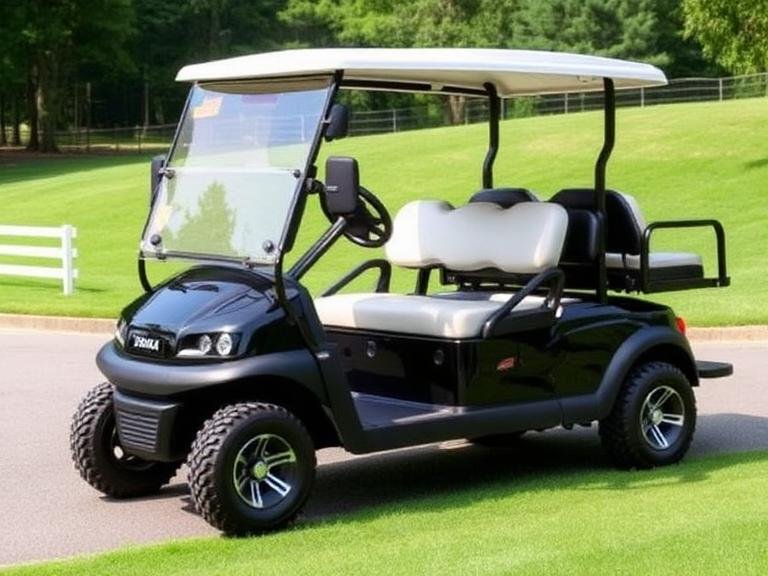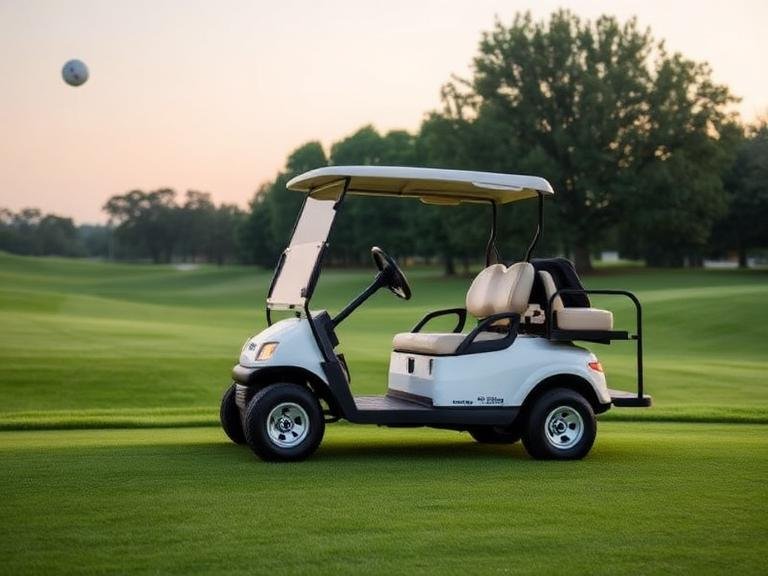
The golf cart has evolved far beyond the fairways. Once a simple utility vehicle for transporting clubs, it has transformed into a versatile mode of transport for gated communities, resorts, industrial complexes, and even public streets. With this evolution comes a crowded marketplace filled with various brands, battery technologies, and seating configurations. Consequently, the question on every buyer’s mind is: which electric golf cart is best for my specific needs?
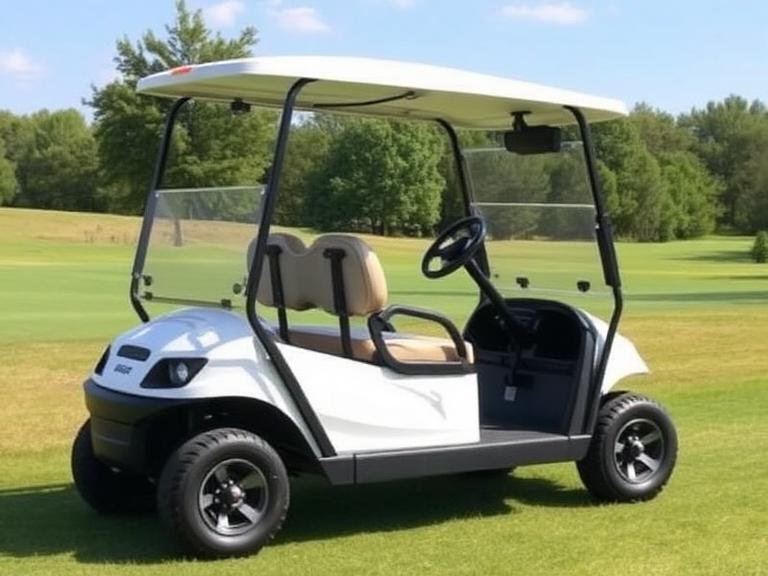
Determining the “best” cart is not a one-size-fits-all proposition. For a retiree in a golf community, comfort and street legality are paramount. For a resort manager, durability and passenger capacity take precedence. This comprehensive guide will dissect the critical factors you must consider—from lithium vs. lead-acid batteries to AC vs. DC motors—and highlight top-tier manufacturers like GT Golf Cart that are setting the standard for quality and customization.
Table of Contents
- 1. Defining “Best”: Categorizing Your Needs
- 2. The Heart of the Cart: Battery Technology
- 3. Motor Efficiency: AC vs. DC Powertrains
- 4. Seating Capacity: From Personal to Personnel Transport
- 5. Manufacturer Spotlight: GT Golf Cart
- 6. Street Legal vs. Non-Street Legal
- 7. Essential Features for Modern Carts
- 8. Maintenance and Longevity
- 9. Summary Comparison Table
- 10. Frequently Asked Questions (FAQs)
1. Defining “Best”: Categorizing Your Needs
To answer which electric golf cart is best, you must first identify the primary application. The market is generally segmented into three categories: Fleet, Personal, and Utility.
Fleet Carts: These are the standard carts found at golf courses. They are designed for durability, ease of maintenance, and basic functionality. They typically lack high speeds or luxury features but are incredibly reliable.
Personal Transport Vehicles (PTVs): This is the fastest-growing segment. PTVs are often lifted, feature custom wheels, upgraded seats, and high-speed motors. They are used in neighborhoods and vacation homes. The “best” here is defined by comfort, speed, and aesthetics.
Utility and Industrial: These carts are workhorses equipped with cargo beds or toolboxes. They are essential for landscaping, facility management, and security. Here, torque and payload capacity are the defining metrics of quality.
2. The Heart of the Cart: Battery Technology
In 2026, the debate between Lead-Acid and Lithium-Ion is largely settled, yet understanding the difference is vital for your budget.
Lead-Acid Batteries
Traditional lead-acid batteries have powered carts for decades. They are heavy, require regular maintenance (watering), and have a shorter lifespan (3-5 years). However, they are significantly cheaper upfront. If your budget is tight and you don’t mind the maintenance, a lead-acid cart might be the answer.
Lithium-Ion Batteries
When asking which electric golf cart is best for longevity and performance, Lithium-Ion is the clear winner.
- Weight: They are roughly 300 lbs lighter than lead-acid setups, which improves speed and protects the turf.
- Maintenance: Zero maintenance required. No watering, no terminal corrosion cleaning.
- Charging: They charge 2-3 times faster than lead-acid.
- Lifespan: Often lasting 8-10 years, they offer a better return on investment over time.
Leading manufacturers like GT Golf Cart are increasingly standardizing lithium technology in their premium models to ensure maximum efficiency.
3. Motor Efficiency: AC vs. DC Powertrains
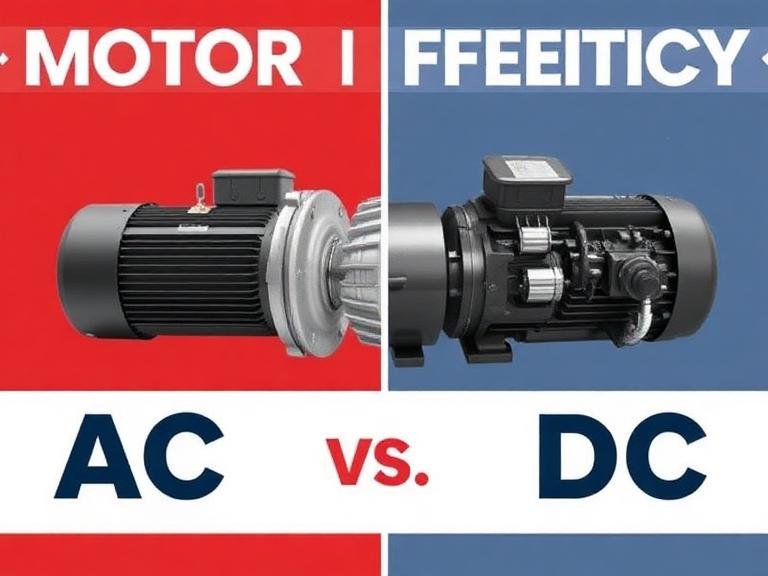
The electric motor dictates how your cart accelerates and climbs hills. Historically, Direct Current (DC) motors were the standard. They offer high torque at low speeds but are less efficient at maintaining higher speeds.
Alternating Current (AC) motors are the modern standard for high-performance carts. An AC motor provides consistent power across the entire speed range. This means you don’t lose speed when climbing a steep hill, and regenerative braking is far more effective, feeding energy back into the battery when you slow down. If you live in a hilly area, the best electric golf cart for you will undoubtedly feature an AC drive system.
4. Seating Capacity: From Personal to Personnel Transport
Versatility in seating is a major factor. Whether you are a couple cruising to dinner or a resort shuttling guests, choosing the right configuration is key.
The Classic 2-Seater
Ideal for the dedicated golfer. The 2 Passenger golf cart is lightweight, nimble, and focuses on carrying two bags and two people efficiently around the course.
The Family 4-Seater
The most popular personal configuration. A 4 Passenger golf cart usually features a rear seat that flips down into a flatbed for cargo. This versatility makes it perfect for families and grocery runs.
The People Movers: 6 and 8 Seaters
For larger families, hotels, or campus tours, the 6 Passenger golf cart and 8 Passenger golf cart are essential. These “limo” style carts require robust suspension and extended chassis engineering to handle the extra weight safely.
5. Manufacturer Spotlight: GT Golf Cart
In a market flooded with generic options, finding a manufacturer with a proven track record is crucial. One company that stands out for its comprehensive range and global footprint is GT Golf Cart.
About GT Golf Cart
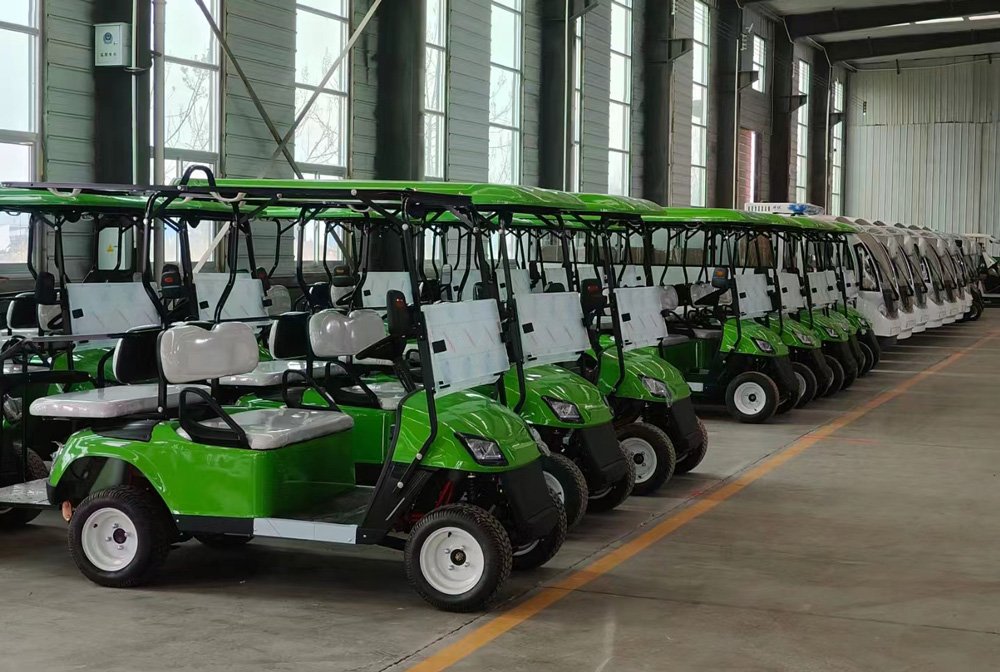
GT Golf Cart is a professional manufacturer specializing in electric golf carts, sightseeing vehicles, and low-speed electric vehicles. Since our establishment, we have focused on delivering durable, efficient, and customizable electric mobility solutions for global markets.
Unlike assemblers who simply buy parts and put them together, GT Golf Cart integrates manufacturing with deep industry knowledge to ensure every vehicle meets rigorous safety and performance standards. Their commitment to quality makes them a strong contender when deciding which electric golf cart is best for both commercial and personal use.
Our Product Lineup:
- 2 Passenger golf cart – The agile classic.
- 4 Passenger golf cart – The family favorite.
- 6 Passenger golf cart – The resort shuttle.
- 8 Passenger golf cart – High-capacity transport.
6. Street Legal vs. Non-Street Legal
This is a critical legal distinction. A standard golf cart generally has a top speed of 12-15 mph and lacks safety features. A Low-Speed Vehicle (LSV) or Neighborhood Electric Vehicle (NEV) is a classification of cart that is federally approved for street use on roads with speed limits up to 35 mph.
To be considered the best electric golf cart for street use, the vehicle must come from the factory with a VIN number, seat belts, DOT-approved windshield, turn signals, headlights, brake lights, mirrors, and a top speed of 25 mph. Manufacturers like GT Golf Cart offer models that can be customized to meet these rigorous street-legal requirements, providing freedom beyond the neighborhood.
7. Essential Features for Modern Carts
The modern consumer expects more than just four wheels and a battery. When evaluating carts, look for these premium features:
- Independent Suspension: Provides a car-like ride quality, absorbing bumps better than the traditional leaf spring setup.
- Digital Dashboards: Touchscreens that display speed, battery life, and even GPS navigation.
- Custom Enclosures: Rain covers or hard doors to make the cart usable in all weather conditions.
- Onboard Chargers: The ability to plug your cart into any standard 110V/220V outlet without carrying a heavy external brick.
8. Maintenance and Longevity
Even the best cart requires care. To ensure your investment lasts:
Tire Pressure: Check monthly. Under-inflated tires reduce range and handling.
Brake Inspection: Electric carts use regenerative braking, which saves wear on pads, but the mechanical brakes still need annual checks.
Battery Care: If using lithium, avoid leaving the battery at 0% for extended periods. If using lead-acid, check water levels monthly.
Choosing a reputable brand like GT Golf Cart ensures that replacement parts and technical support are readily available, which is a major factor in the long-term “best” value proposition.
9. Summary Comparison Table
| Feature | Standard Fleet Cart | Premium Personal Cart (GT Style) | Utility/Industrial Cart |
|---|---|---|---|
| Primary Use | Golf Course Rental | Neighborhood/Family | Work/Cargo |
| Battery | Lead-Acid (Typical) | Lithium-Ion (Preferred) | High-Capacity Lead or Lithium |
| Speed | 12-15 MPH | 19-25 MPH | 15-18 MPH (High Torque) |
| Seating | 2 Passengers | 4-6 Passengers | 2 Passengers + Bed |
| Suspension | Leaf Spring | Independent / Coilover | Heavy Duty Leaf |
10. Frequently Asked Questions (FAQs)
Conclusion:
Deciding which electric golf cart is best ultimately comes down to your lifestyle. If you value silence, efficiency, and modern technology, a lithium-powered AC-motor cart is the gold standard. For those seeking reliability and global support, manufacturers like GT Golf Cart offer a compelling blend of experience and innovation. By prioritizing your specific needs—be it street legality, passenger capacity, or rugged utility—you can find the perfect electric vehicle to enhance your mobility in 2026.