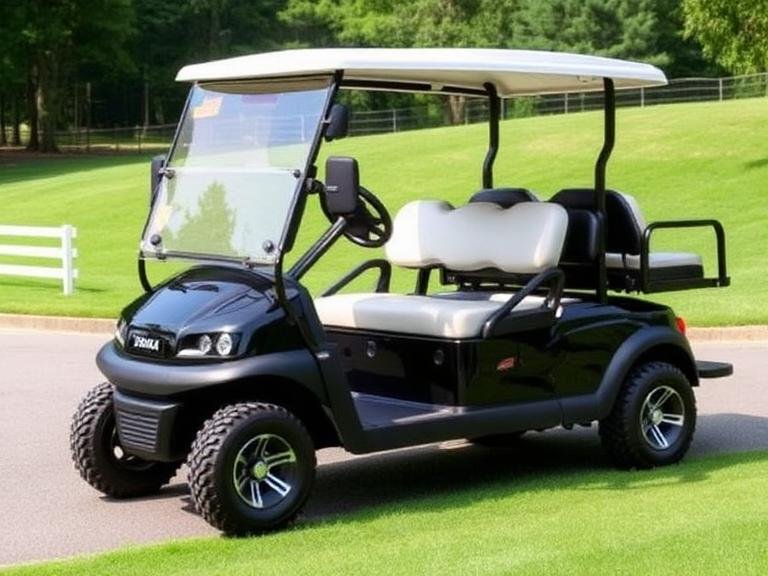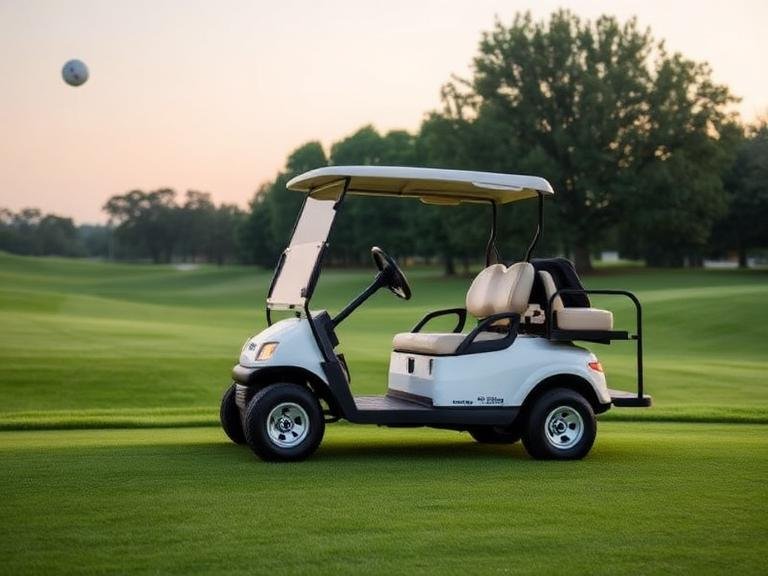
Whether you are managing a massive resort fleet, navigating a gated community, or overseeing an industrial facility, the reliability of your low-speed vehicles is paramount. Equipment downtime translates directly to lost revenue, frustrated users, and escalating maintenance costs. Consequently, the most frequent inquiry we receive from procurement officers and private buyers alike is: exactly which golf cart has the least problems over its operational lifespan?
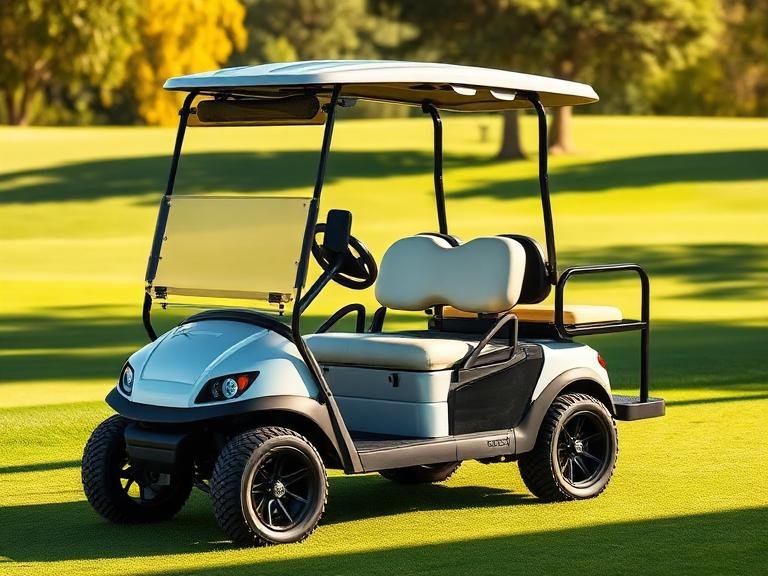
At GT Golf Cart, we specialize in the design, manufacturing, and global supply of electric golf carts and low-speed vehicles. With over 12 years of industry experience, we deliver reliable mobility solutions for golf courses, resorts, communities, and commercial fleets worldwide. From our experience evaluating thousands of drivetrains, battery architectures, and chassis designs, we can definitively state that the vehicle requiring the least maintenance is not determined by a single brand name, but by its underlying engineering and energy source. To determine which golf cart has the least problems, one must conduct a rigorous analysis of internal combustion versus electric drivetrains, battery chemistry, and structural integrity.
In this authoritative engineering guide, we will dismantle the mechanics of modern low-speed vehicles. We will explore the technical nuances that dictate long-term durability and provide our expert recommendations on selecting a platform that maximizes uptime. If your goal is to invest in a fleet or personal vehicle that avoids the repair shop, understanding which golf cart has the least problems is your foundational step.
Table of Contents
- 1. Drivetrain Analysis: The Mechanical Divide
- 2. Battery Architecture: Lead-Acid vs. Lithium-Ion
- 3. Evaluating Chassis and Suspension Durability
- 4. Matching Passenger Capacity to Component Stress
- 5. The GT Golf Cart Engineering Philosophy
- 6. Summary Table: Reliability Matrix
- 7. Frequently Asked Questions (FAQs)
- 8. Industry and Government References
1. Drivetrain Analysis: The Mechanical Divide
The core of the reliability debate centers on the powertrain. Historically, the market was divided between gas-powered internal combustion engines (ICE) and legacy electric motors. When analyzing which golf cart has the least problems, we must look directly at the moving parts. Friction, heat, and vibration are the primary enemies of mechanical longevity.
Gas-powered carts rely on carburetors or electronic fuel injection, spark plugs, drive belts, starter generators, and oil filtration systems. Every single one of these components represents a potential point of failure. They require strict, interval-based maintenance. Failure to winterize a gas cart or change its oil leads to catastrophic engine failure. Conversely, an Electric Golf Cart fundamentally alters this equation. Modern electric AC (Alternating Current) drivetrains feature a fraction of the moving parts. There are no belts to snap, no oil to change, and no carburetors to clean. From our experience, when clients demand to know which golf cart has the least problems, the AC electric drivetrain is the undeniable victor. It offers superior torque, silent operation, and a dramatic reduction in mechanical wear and tear.
2. Battery Architecture: Lead-Acid vs. Lithium-Ion
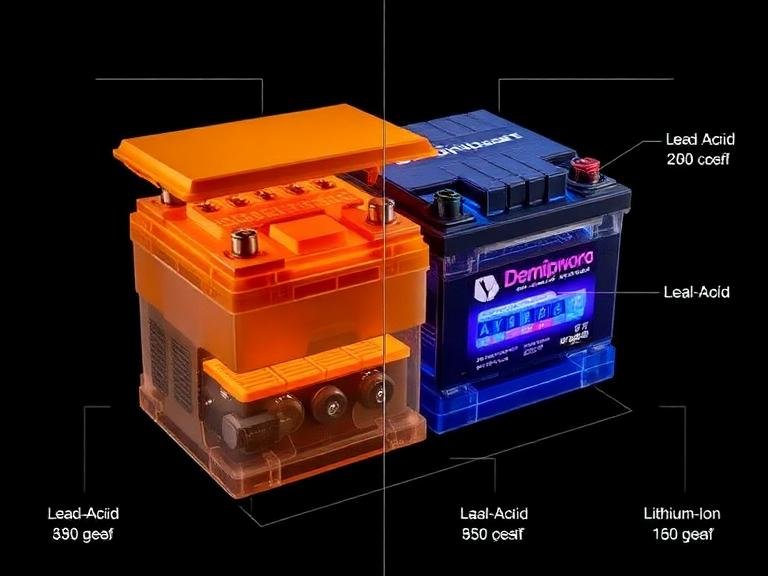
If the electric platform is superior, we must then examine its power source, as battery neglect is the leading cause of electric vehicle failure. For decades, flooded lead-acid batteries were the industry standard. While inexpensive upfront, lead-acid batteries are highly problematic if not meticulously maintained. They require routine distilled water filling, terminal cleaning to prevent acid corrosion, and strict charging protocols to prevent sulfation. For a user unwilling to perform weekly maintenance, a lead-acid electric golf cart will quickly develop severe issues.
However, the landscape of micro-mobility has evolved. When we evaluate which golf cart has the least problems today, we invariably point to electric platforms equipped with Lithium-Ion (specifically LiFePO4) battery packs. Lithium-ion batteries are entirely maintenance-free. They do not leak acid, they require zero watering, and they possess an integrated Battery Management System (BMS) that automatically balances cell voltage and prevents overcharging. Furthermore, lithium batteries shed hundreds of pounds of excess weight from the vehicle, significantly reducing the strain on the suspension and steering components. We recommend lithium-powered models for any commercial or private operator asking which golf cart has the least problems over a ten-year horizon.
3. Evaluating Chassis and Suspension Durability
Beyond the powertrain, the structural skeleton of the vehicle dictates its lifespan. A cart operated in coastal communities, humid climates, or environments where road salt is utilized will face aggressive oxidation. A steel frame, regardless of its powder-coating, is eventually susceptible to rust once the protective layer is scratched. Rust compromises the structural integrity of the chassis and leads to dangerous suspension failures.
To definitively establish which golf cart has the least problems regarding structural decay, we must look at aerospace-grade aluminum frames. Aluminum is naturally highly resistant to corrosion. From our experience, an aluminum chassis paired with an independent front suspension system provides the ultimate combination of ride comfort and indestructible longevity. The reduction in chassis weight also directly translates to less tire wear and increased battery range.
4. Matching Passenger Capacity to Component Stress
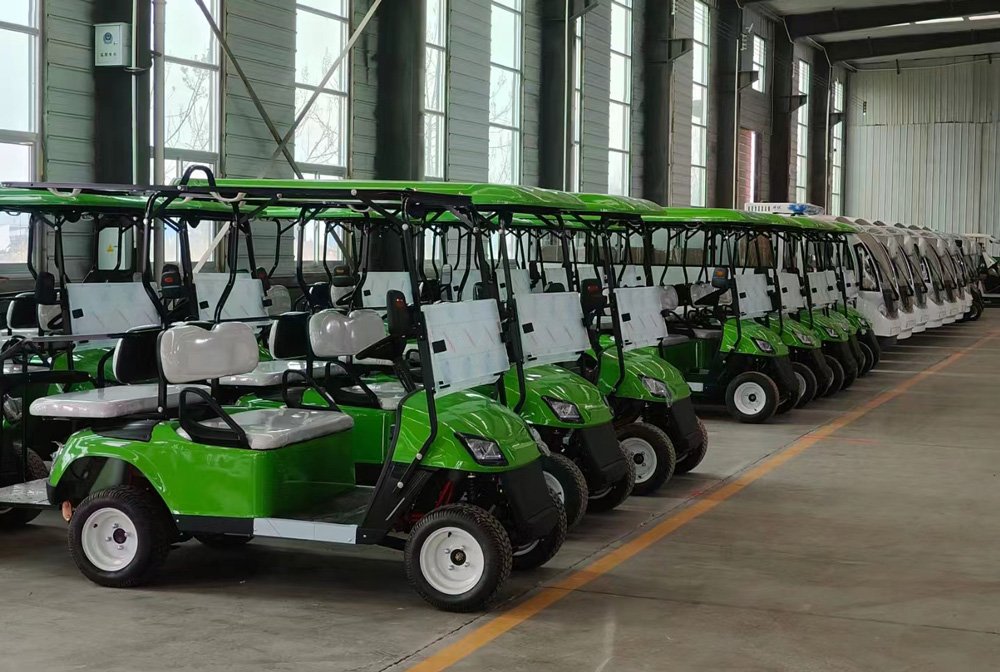
A frequently overlooked aspect of reliability is ensuring the vehicle is properly engineered for its intended payload. Using a standard cart to haul massive weight will prematurely destroy the motor controller and suspension. To guarantee you are operating the golf cart has the least problems, you must match the chassis and motor to your specific capacity requirements.
- Personal and Community Transport: For individuals navigating retirement communities or driving to local amenities, the 2 Passenger Golf Cart and the 4 Passenger Golf Cart represent the pinnacle of reliability. Because these vehicles operate with lower payloads, the stress on the 48V or 72V electrical architecture is minimal, resulting in decades of trouble-free operation.
- Resort and Hospitality Fleets: Moving large groups of guests requires upgraded suspension and higher amperage motor controllers. For these environments, the 6 Passenger Golf Cart and 8 Passenger Golf Cart are engineered with heavy-duty transaxles. By utilizing a vehicle designed for heavy occupancy, operators prevent the overheating issues that plague standard carts forced into fleet service.
- Mass Transit and Industrial: For theme parks, large campuses, or airport transport, the 10 Passenger Golf Cart offers maximum throughput. When combined with a Commercial Golf Cart platform, these vehicles feature reinforced aluminum framing and high-torque AC motors specifically calibrated to haul maximum weight without suffering mechanical fatigue.
5. The GT Golf Cart Engineering Philosophy
With over 12 years of industry experience, GT Golf Cart was founded on a singular engineering philosophy: to eliminate the common pain points associated with low-speed mobility. When our global partners ask us which golf cart has the least problems, we confidently present our proprietary platforms. We bypass the outdated technology of internal combustion and flooded lead-acid systems, focusing our manufacturing exclusively on high-efficiency, zero-maintenance electric architectures.
Furthermore, we recognize that off-the-shelf solutions do not fit every operational demand. For specialized industrial tasks or unique resort branding, our Custom Golf Cart division works directly with procurement teams to engineer vehicles that meet exact specifications, ensuring that the final product is not only aesthetically perfect but mechanically optimized to be the golf cart has the least problems in your specific operational environment.
6. Summary Table: Reliability Matrix
To clearly illustrate the data, we have compiled a matrix evaluating the maintenance requirements and common failure points across different vehicle architectures. This table provides a definitive look at which golf cart has the least problems.
| Vehicle Architecture | Routine Maintenance Required | Common Points of Failure | Reliability Rating |
|---|---|---|---|
| Gas-Powered (ICE) | Oil changes, spark plugs, belts, filters, fuel stabilizing | Carburetors, clutches, starter generators, fuel pumps | Low – Requires high mechanical oversight |
| Electric (Lead-Acid Battery) | Distilled water refills, terminal cleaning, specific charging cycles | Battery sulfation, acid corrosion on chassis, DC motor brushes | Moderate – Reliable only if strictly maintained |
| Electric (Lithium-Ion AC Motor) | Tire pressure, basic brake inspection | Minimal (Occasional software/controller updates) | Very High – Essentially maintenance-free |
| GT Golf Cart Solutions | Visual inspections only | Engineered to eliminate legacy failure points | Exceptional – Industry leading uptime |
7. Frequently Asked Questions (FAQs)
Exactly which golf cart has the least problems over a 10-year period?
From our experience, an electric golf cart equipped with an AC (Alternating Current) motor, a Lithium-Ion battery pack, and an aluminum chassis is definitively the golf cart has the least problems. This combination eliminates corrosion, removes engine maintenance, and utilizes a battery that requires zero human intervention.
Why are electric carts considered more reliable than gas carts?
Electric carts contain significantly fewer moving parts. A gas engine generates extreme heat and friction, relying on belts, oil, and spark plugs to operate. An electric AC motor relies on electromagnetism, resulting in virtually no mechanical friction. When seeking the vehicle that requires the least shop time, electric is always the answer.
Does the size of the cart affect its reliability?
Only if the cart is misused. A 2-passenger cart overloaded with heavy cargo will experience rapid suspension and motor wear. However, if you purchase a vehicle engineered for your needs—such as our robust 8 or 10 passenger commercial models—the heavy-duty components will ensure the golf cart has the least problems, regardless of its larger size.
8. Industry and Government References
To further understand the environmental and mechanical benefits of transitioning to advanced electric mobility platforms, we recommend consulting the following authoritative resources: